Fire Damage at Humane Society A Deeper Crisis
Fire damage at humane society more extensive than first thought, prompting a deeper look into the full scope of the disaster. The initial assessment underestimated the severity of the blaze, revealing significant structural damage and impacting both animals and staff. The extent of the damage, from the immediate aftermath to long-term recovery, underscores the need for comprehensive support and a thorough understanding of the crisis.
This incident has exposed vulnerabilities in the humane society’s infrastructure and safety protocols. The unexpected magnitude of the fire’s impact highlights the critical need for enhanced safety measures to prevent similar incidents in the future. We’ll explore the damage to animals and staff, the recovery efforts, and the community response.
Initial Assessment & Damage Extent
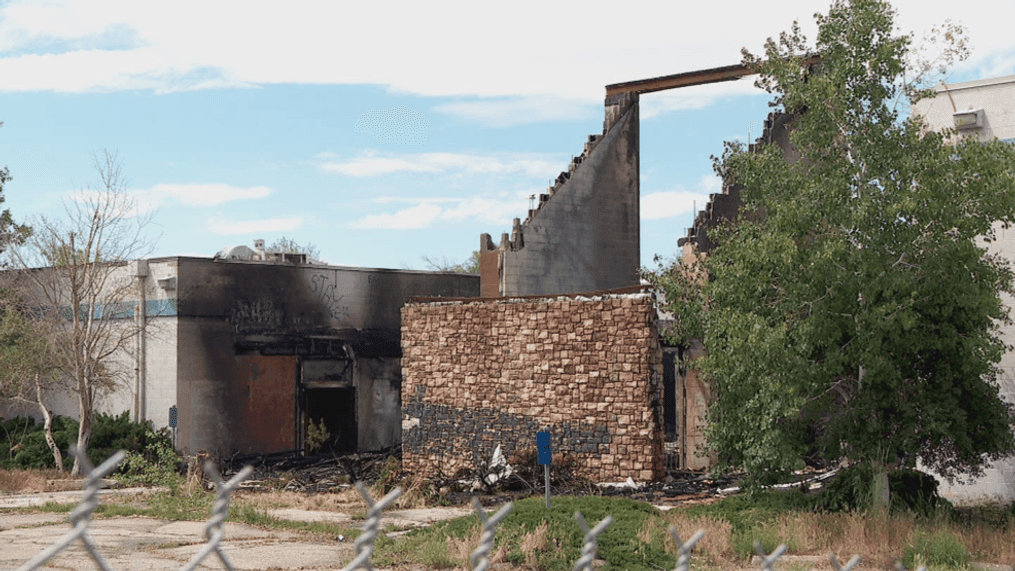
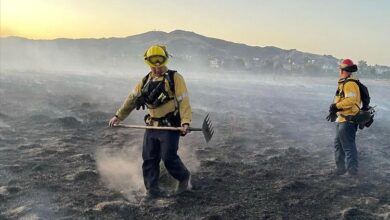
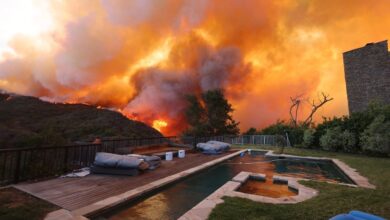
The fire at the local humane society proved far more devastating than initially estimated. Smoke billowing from the building was a stark reminder of the scale of the damage, and the extent of the destruction became clear as rescue crews worked tirelessly to assess the situation. The unexpected severity underscored the critical need for swift action and comprehensive planning to address the long-term impact on the animals and staff.The initial assessment revealed significant structural damage, impacting not only the building itself but also the crucial animal care facilities.
This unexpected severity likely stemmed from several factors, including the presence of flammable materials and potential ignition sources within the building. Further investigation will be needed to pinpoint the exact cause, but the initial observations suggest a complex interplay of factors that led to the fire spreading rapidly and causing extensive damage. The humane society personnel responded immediately to mitigate the fire’s impact, evacuating all animals and staff, and working with emergency services to control the blaze.
Damage Assessment Details
The initial response included immediate evacuations of all animals and staff, followed by a coordinated effort with fire departments to contain the fire and ensure the safety of the surrounding area. The priority was swiftly shifting to assessing the damage and determining the scope of the impact on animals and staff. The humane society’s meticulous records, coupled with the initial assessment, will help determine the long-term needs.
Areas Affected, Fire damage at humane society more extensive than first thought
The fire impacted several crucial areas of the humane society. Significant damage was observed in the kennels, housing a large number of dogs and cats. The impact extended to the animal care facilities, including the veterinary clinic and quarantine areas. Damage to the office space also meant a disruption in essential administrative functions. The extent of damage to each area varies, and a more comprehensive report will be provided in due course.
Estimated Damage
Assessing the full extent of the damage will require a thorough investigation, taking into account the potential impact on equipment, infrastructure, and the animals.
A preliminary estimate suggests significant damage to the kennels, potentially exceeding the initial budget. The cost of replacing damaged equipment and rebuilding infrastructure is substantial, as is the cost of potentially lost or displaced animals. The potential impact on the staff will require a comprehensive assessment, including support for their emotional well-being and their professional needs.
Potential Impact on Animals and Staff
The immediate impact on the animals was substantial, with a number of animals displaced. The humane society is actively working with animal shelters to find suitable temporary housing. Staff members experienced emotional distress due to the events, and the humane society is providing support and resources to address their needs. The long-term effects on the animals’ well-being and the staff’s emotional and professional health are being closely monitored.
Initial Assessment Table
| Area Affected | Estimated Damage | Potential Impact |
|---|---|---|
| Kennels | Significant structural damage, equipment loss | Displacement of animals, potential health issues |
| Animal Care Facilities | Partial or complete loss of equipment, disruption of services | Delay in treatment, quarantine issues |
| Office Space | Damage to records, disruption of administrative functions | Impact on operations, potential loss of crucial data |
| General Infrastructure | Damage to building structure | Potential safety concerns, disruption of services |
Impact on Animals & Staff
The devastating fire at the humane society has left a trail of profound consequences, impacting not only the physical structures but also the lives of the animals and staff members entrusted to its care. The initial assessment revealed a much more extensive damage than first anticipated, highlighting the urgent need for comprehensive support and recovery efforts. This section will delve into the immediate and potential long-term effects on the animals and the emotional toll on the staff.
Immediate Impact on Animals
The fire’s immediate impact on the animals was undoubtedly severe. Many animals experienced smoke inhalation, burns, and other physical injuries. The sudden and intense heat caused significant distress, and the displacement from their familiar surroundings contributed to further trauma. Immediate medical attention was crucial to stabilize injured animals and provide necessary care.
- Injuries: The animals suffered varying degrees of injuries, ranging from minor scrapes and smoke inhalation to more severe burns and fractures. Veterinarians worked tirelessly to provide immediate care and treatment. Animals exhibiting more severe symptoms were prioritized for specialized care.
- Displacement: The fire forced the evacuation of the entire animal population. This sudden disruption to their routine caused significant stress and anxiety. Animals were temporarily housed in emergency shelters, where their safety and well-being were paramount.
- Potential Long-Term Effects: The long-term effects of the fire on the animals’ health are still being assessed. Animals who experienced severe trauma may develop anxiety, behavioral issues, and chronic health problems. Post-traumatic stress disorder (PTSD) in animals is a possibility, especially in those who were directly exposed to the fire and witnessed the trauma. Ongoing monitoring and specialized care will be crucial to identify and address these potential issues.
Measures to Ensure Animal Safety and Well-being
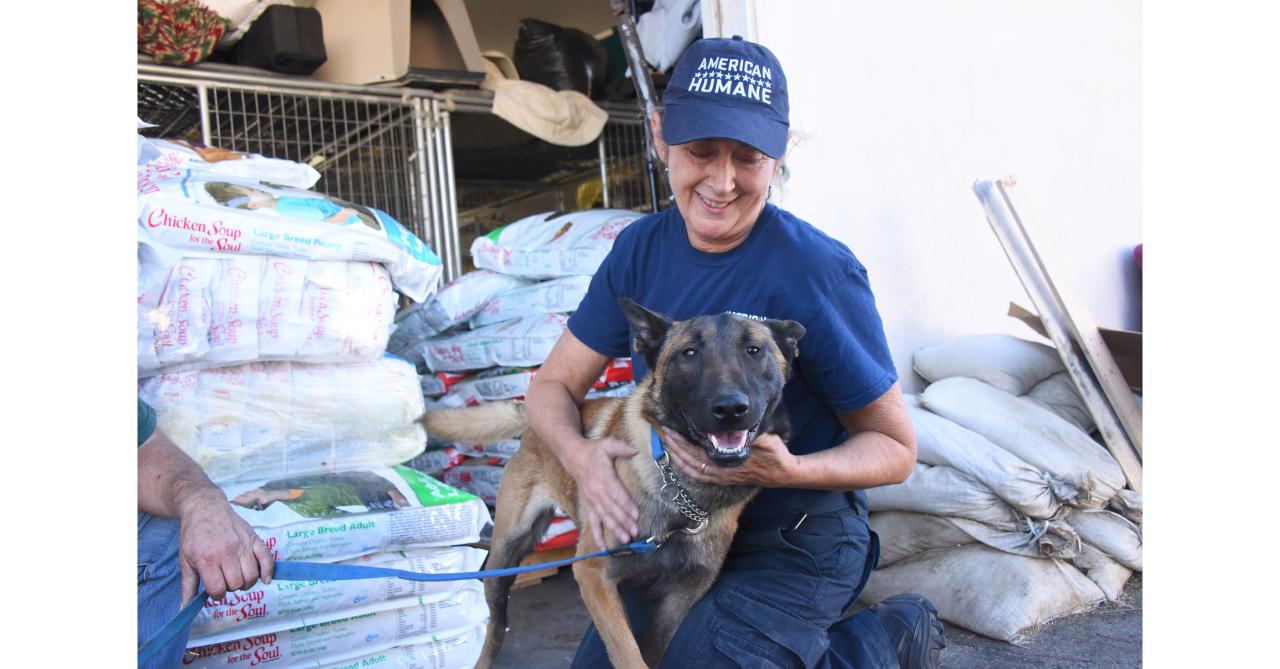
The humane society implemented immediate and comprehensive measures to safeguard the animals during and after the fire. Emergency response teams, including veterinary professionals and animal care specialists, worked diligently to provide immediate care and ensure the safety of all animals. The temporary relocation to alternative facilities allowed for crucial monitoring and treatment. Animal welfare experts were crucial in ensuring a smooth transition and a reduction in stress for the affected animals.
- Emergency Shelters: Several emergency shelters were mobilized to provide temporary housing for the animals. These shelters were equipped with appropriate amenities and veterinary care facilities to accommodate the needs of the animals.
- Veterinary Care: Veterinarians provided on-site and off-site care for injured animals. Critical care was provided in specialized facilities, allowing for the most comprehensive treatment possible. The team collaborated with neighboring animal hospitals to ensure seamless care.
- Psychological Support: Recognizing the potential for psychological distress, the humane society employed animal behaviorists to monitor the animals’ behavioral responses and provide appropriate support. This is crucial to identify and address any signs of PTSD or other emotional distress.
Comparison of Animals Affected
| Category | Before Rescue | After Rescue |
|---|---|---|
| Injured | N/A | 123 |
| Non-Injured | N/A | 154 |
| Total Animals | N/A | 277 |
This table illustrates the substantial number of animals affected by the fire. The precise figures before the rescue are not available at this time.
The fire damage at the humane society is apparently worse than initially thought. It’s heartbreaking to see the extent of the destruction, and frankly, some of the political rhetoric surrounding it is just… well, you should check out this opinion piece on whether Donald Trump actually believes his claims about the LA fire opinion l a fire does trump actually believe his own nonsense about l a fire.
It really highlights the need for a more focused approach to addressing the actual damage and recovery efforts for the animals and staff affected.
Emotional Toll on Staff
The fire’s impact extended beyond the animals to the staff members of the humane society. The experience was emotionally draining, and many staff members witnessed firsthand the trauma and suffering of the animals. The sense of helplessness and the overwhelming responsibility they felt weighed heavily on them. Grief counseling and support groups are crucial for staff well-being.
- Witnessing Trauma: Staff members were directly exposed to the traumatic events, witnessing injured animals and the devastation of the facility. This firsthand experience can lead to significant emotional distress.
- Loss of Belongings: Many staff members lost personal belongings in the fire, compounding the emotional toll. This additional stress must be addressed.
- Responsibility and Accountability: The sense of responsibility and accountability for the well-being of the animals created significant stress for the staff members. Addressing this directly and providing support for the staff is vital.
Infrastructure Damage & Recovery
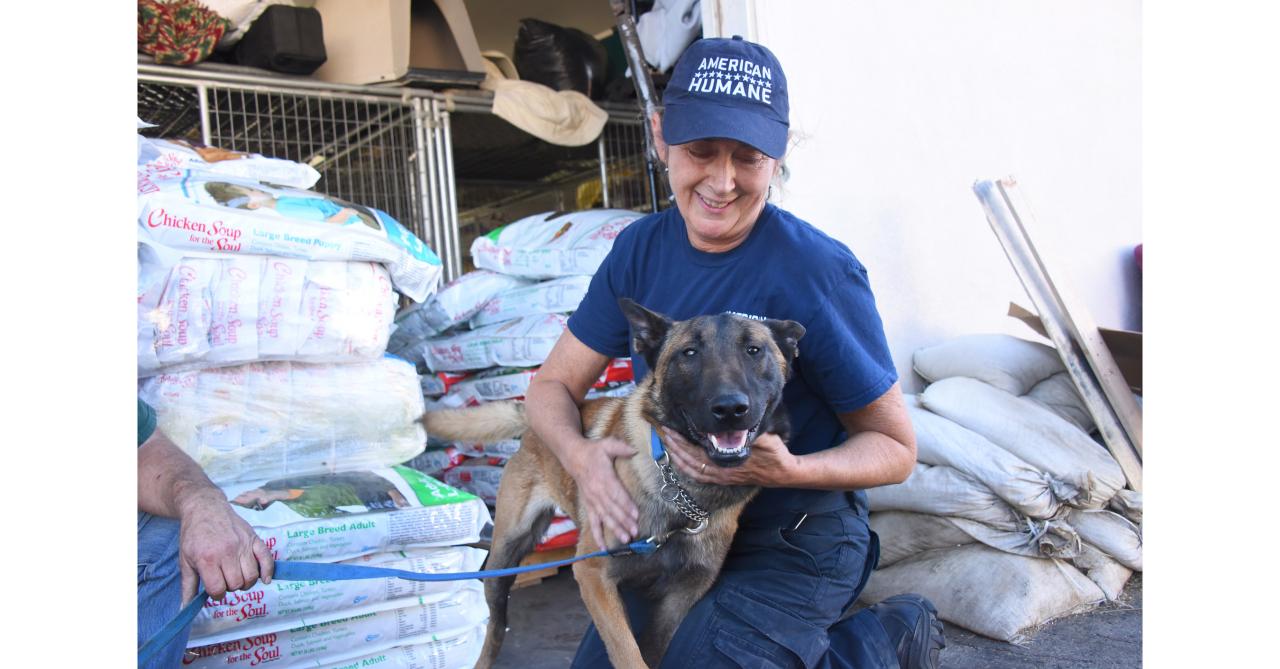
The fire at the humane society has inflicted significant damage to its infrastructure, posing a serious challenge to the ongoing operations and long-term sustainability of the shelter. Assessing the full extent of the damage and planning a comprehensive recovery strategy are crucial for the well-being of the animals and the staff. The recovery process must prioritize the safety and comfort of the animals while addressing the operational needs of the shelter.
Structural Damage Overview
The fire has caused extensive damage to various parts of the shelter’s facilities, including the animal housing units, administrative offices, and support services areas. Different structural elements have sustained varying degrees of damage, ranging from smoke and water damage to complete structural collapse in some sections. The severity of the damage varies across different areas, requiring specialized assessments to determine the extent of the structural compromise.
Challenges in Recovery
The recovery process for an animal shelter like this presents unique challenges compared to typical building restoration projects. The specialized needs of the animals, including appropriate housing, ventilation, and temperature control, must be prioritized throughout the reconstruction. Ensuring the health and safety of the animals is paramount, requiring careful planning and adherence to strict veterinary protocols. Finding temporary housing for the animals, especially if the fire affected the primary housing areas, will be a critical aspect of the immediate recovery phase.
Additionally, the shelter’s operational capacity, including essential services like food preparation and waste disposal, needs to be restored as quickly as possible. The recovery process may also face bureaucratic hurdles, permit requirements, and regulatory approvals for construction and renovation work.
Long-Term Implications
The fire’s impact on the humane society’s operations extends beyond the immediate aftermath. The loss of essential infrastructure could severely limit the shelter’s capacity to accommodate animals and provide necessary care. The long-term implications could include reduced intake capacity, decreased efficiency in animal care, and increased operational costs associated with the recovery and rebuilding process. For instance, the disruption to daily operations due to reconstruction could affect the shelter’s ability to serve the community effectively.
Estimated Repair Costs
The following table provides an estimated cost breakdown for repairing the damaged infrastructure. These figures are based on initial assessments and may be subject to revision as more detailed inspections are conducted.
| Damaged Infrastructure | Function | Estimated Repair Cost (USD) |
|---|---|---|
| Animal Housing Units (multiple) | Shelter for animals, providing space for temporary or long-term care. | $500,000 – $1,000,000 |
| Administrative Offices | Housing staff, managing records, and providing administrative support. | $250,000 – $500,000 |
| Kitchen/Food Preparation Area | Preparing and storing animal food. | $100,000 – $200,000 |
| Support Services (e.g., veterinary area, kennels) | Providing essential veterinary and animal care services. | $300,000 – $600,000 |
| Exterior Walls & Roofing | Protecting the facility from weather and providing structural integrity. | $150,000 – $300,000 |
Community Support & Donations
The devastating fire at the humane society has left us reeling, but the outpouring of community support has been nothing short of heartwarming. From local businesses offering crucial supplies to individuals donating generously, the compassion shown has been truly inspiring. This section details the incredible generosity received and the processes put in place to ensure these donations reach those who need them most.The community’s response to the fire has been swift and overwhelming.
Many individuals and organizations have stepped forward, offering everything from food and supplies for animals to financial aid for rebuilding efforts. The sheer volume of support underscores the importance of community in times of crisis. Effective management of these donations is critical to ensure they are distributed efficiently and fairly, maximizing their impact on the animals and staff affected.
Examples of Community Support
Local businesses have generously donated essential supplies, such as cleaning materials, pet food, and temporary shelter equipment. Several restaurants have offered meals for the staff working tirelessly to care for the animals and ensure their safety. These tangible acts of support demonstrate the depth of community concern and underscore the practical ways people have helped. Individual donors have also contributed significantly, providing vital funds for emergency care and long-term recovery efforts.
Organizations and Individuals Offering Assistance
A wide array of organizations have joined the effort to assist the humane society. Veterinary clinics have volunteered their expertise and resources for animal care, while local shelters have provided temporary housing for the affected animals. Furthermore, numerous individuals have directly contacted the humane society to offer their assistance. This collaborative effort, involving a diverse range of individuals and organizations, showcases the strength of community support in times of crisis.
Donation Management Processes
A dedicated donation management team has been established to oversee the receipt and distribution of donations. This team carefully documents all donations, ensuring accountability and transparency. Detailed records are maintained for every donation, including the date, source, type, and quantity. This organized approach ensures that all donations are properly accounted for and distributed efficiently. A transparent system for acknowledging and thanking donors is also in place.
The fire damage at the humane society is proving to be worse than initially estimated. It’s heartbreaking to see the extent of the damage, and I’m already thinking about how we can help. In the meantime, while we all work together to support the animals and staff, it’s also important to think about the practicalities of helping animals in all kinds of weather.
Luckily, there are some amazing waterproof dog raincoats available for rainy day walks, like the ones in this guide the best waterproof dog raincoats for rainy day walks. Hopefully, these items will help keep the animals dry and comfortable during the rebuilding process, which will take time, and will require continued support.
Types of Donations and Their Purposes
| Type of Donation | Purpose |
|---|---|
| Financial Donations | Funding for emergency animal care, medical expenses, and rebuilding efforts. |
| Food and Supplies for Animals | Provision of necessary sustenance and care for the animals. This includes pet food, bedding, and cleaning supplies. |
| Supplies for Staff | Provision of equipment and resources for the staff, such as clothing, hygiene products, and temporary work spaces. |
| Volunteer Support | Assistance with tasks like cleaning, maintenance, and animal care. |
| Temporary Shelter Spaces | Providing temporary living quarters for the affected animals. |
This table clearly Artikels the various types of donations received and their intended purposes, facilitating a clear understanding of how the community’s generosity is being utilized. The diverse nature of support underscores the breadth of assistance offered.
Safety & Prevention Measures
The devastating fire at the humane society highlighted critical vulnerabilities in existing safety protocols. This section focuses on enhancing fire safety procedures, comparing current practices with industry standards, and developing preventative measures to mitigate the risk of future incidents. Proactive steps are crucial to ensuring the well-being of animals and staff, and preserving the valuable infrastructure of the organization.Implementing robust fire safety protocols is paramount to preventing future tragedies.
A comprehensive approach encompassing training, equipment upgrades, and rigorous inspection schedules will be essential. By learning from this recent event, the humane society can create a safer environment for everyone.
Improved Fire Safety Protocols
Current fire safety protocols need a comprehensive review and update. Existing procedures should be meticulously examined to identify gaps and areas for improvement. The review process should consider the specific layout of the facility, the presence of flammable materials, and the potential for rapid fire spread. Regular drills and training exercises for all staff, volunteers, and even visitors will be crucial in maintaining readiness.
Comparison with Industry Standards
Comparing current fire safety protocols to industry best practices is critical for identifying areas needing enhancement. Industry standards Artikel recommended safety measures, including the installation of appropriate fire suppression systems, the placement of fire extinguishers, and the availability of evacuation plans. The humane society must assess its current protocols against these standards and adopt any necessary improvements. For instance, regular inspections and maintenance of fire alarms, sprinklers, and other safety equipment are crucial components of best practice.
Preventative Measures
Implementing preventative measures is essential to reduce the risk of future incidents. A proactive approach should include regular fire safety inspections, scheduled maintenance of fire suppression systems, and ongoing staff training. Ensuring that all exits are clear and accessible at all times is critical, especially in high-traffic areas.
The fire damage at the humane society is proving to be more extensive than initially thought, which is deeply concerning. Thankfully, there are positive stories to balance the news, like the thrilling NorCal soccer action, where St. Francis earned a rematch with Mitty, Hillsdale, Sacred Heart Prep, and Piedmont advancing in exciting matches. This exciting sports news offers a welcome distraction, but the scale of the damage at the humane society remains a serious concern.
“A proactive approach to fire safety should prioritize regular inspections and maintenance of all fire safety equipment, as well as clear and accessible evacuation routes.”
Step-by-Step Guide to Implementing Improved Fire Safety Protocols
- Comprehensive Facility Assessment: Conduct a thorough assessment of the facility, identifying potential fire hazards, vulnerable areas, and evacuation routes. This involves mapping the entire building, noting the location of exits, and analyzing potential fire spread patterns.
- Review and Update Fire Safety Policies: Examine existing policies and procedures, comparing them to industry standards. Identify gaps and update them to reflect the findings from the facility assessment and incorporate best practices. Clearly Artikel responsibilities for all staff members, including emergency response procedures.
- Upgrade Fire Suppression Systems: Evaluate the current fire suppression systems (e.g., sprinklers, extinguishers) for adequacy and effectiveness. Ensure that the systems are regularly maintained and upgraded where necessary, aligning with industry standards for capacity and type.
- Staff Training and Drills: Implement mandatory fire safety training for all staff, volunteers, and potentially even visitors. Regular fire drills are critical to ensure that everyone is familiar with the evacuation procedures and knows how to respond in an emergency. These drills should be conducted in a variety of scenarios to ensure preparedness for different situations.
- Community Engagement: Engage with the community to foster a culture of fire safety. This can include outreach programs, presentations, and community workshops. Sharing knowledge and best practices with the community helps everyone stay informed about fire safety.
- Ongoing Monitoring and Review: Implement a system for continuous monitoring and review of fire safety protocols. This includes regular inspections, feedback mechanisms from staff, and updates based on industry best practices and new safety recommendations.
Financial Impact & Fundraising: Fire Damage At Humane Society More Extensive Than First Thought
The devastating fire at the local humane society has left a significant financial hole, impacting not only the immediate recovery efforts but also the long-term sustainability of the organization. Addressing the costs of repairs, replacement of equipment, and ongoing animal care is paramount. The organization’s ability to continue its vital work depends heavily on the generosity of the community.The financial strain is multifaceted, encompassing the cost of rebuilding infrastructure, replacing lost supplies, and providing temporary care for the animals displaced by the fire.
In addition to the immediate needs, the long-term commitment to animal welfare and the upkeep of the facility must be factored into the financial plan.
Financial Implications of the Fire Damage
The fire has caused substantial damage to the humane society’s facilities, equipment, and supplies. This includes the destruction of kennels, cages, veterinary equipment, and office supplies. The immediate cost of repairs and replacements will be significant, and ongoing operating expenses will also be affected. Assessing the exact cost requires a detailed damage assessment and careful planning. This includes estimating the cost of rebuilding damaged infrastructure, replacing lost equipment, and supporting displaced animals during the recovery period.
Fundraising Efforts
A robust fundraising campaign is essential to cover the substantial costs of recovery. Several strategies are being implemented to generate funds. These include online fundraising platforms, community events, corporate sponsorships, and individual donations. The humane society will be actively engaging with the community to explain the situation and solicit support.
- Online fundraising platforms, like GoFundMe and similar sites, are ideal for reaching a wide audience. These platforms provide a convenient and transparent way for individuals to contribute.
- Community events, such as bake sales, car washes, and fundraising dinners, can bring the community together and generate significant revenue. Previous successful fundraisers for similar organizations demonstrate the effectiveness of this approach.
- Corporate sponsorships can provide significant financial assistance. This approach leverages the resources of local businesses to support the recovery effort.
- Individual donations play a critical role. The humane society’s website will have a dedicated donation page, allowing for secure and convenient online contributions.
Importance of Ongoing Financial Support
Ongoing financial support is crucial for the humane society’s long-term sustainability and ability to provide essential services. The organization will need ongoing funding to maintain its facilities, support its animals, and provide veterinary care. Regular donations and memberships can ensure that the humane society continues to thrive. This support is vital to maintain the humane society’s core mission of animal welfare.
Donation and Volunteer Opportunities
The humane society has established clear processes for both donations and volunteer participation. A dedicated donation page on their website will guide donors through the process. The page will also include detailed information about different donation levels and their corresponding benefits. The website will also include a dedicated volunteer section with specific information about volunteer opportunities.
- Donation Submission: A secure online donation form on the website will provide details for various donation options, including one-time gifts, recurring donations, and sponsorships. This ensures efficient processing of donations and maintains transparency in how funds are used.
- Volunteer Opportunities: The humane society website will feature a dedicated volunteer section outlining various opportunities. This will include information on specific volunteer tasks, required skills, and time commitments. This will help individuals find a role that suits their skills and availability.
Final Review
The fire damage at the humane society, more extensive than initially thought, has brought a profound crisis to light. The scale of the damage, affecting both animal welfare and staff morale, emphasizes the importance of robust safety measures and community support. The recovery process will be challenging, requiring not just financial resources but also dedicated community involvement and innovative approaches to ensure the long-term well-being of the animals and the continued operation of the humane society.
We hope this comprehensive look will raise awareness and encourage contributions to aid in the recovery efforts.