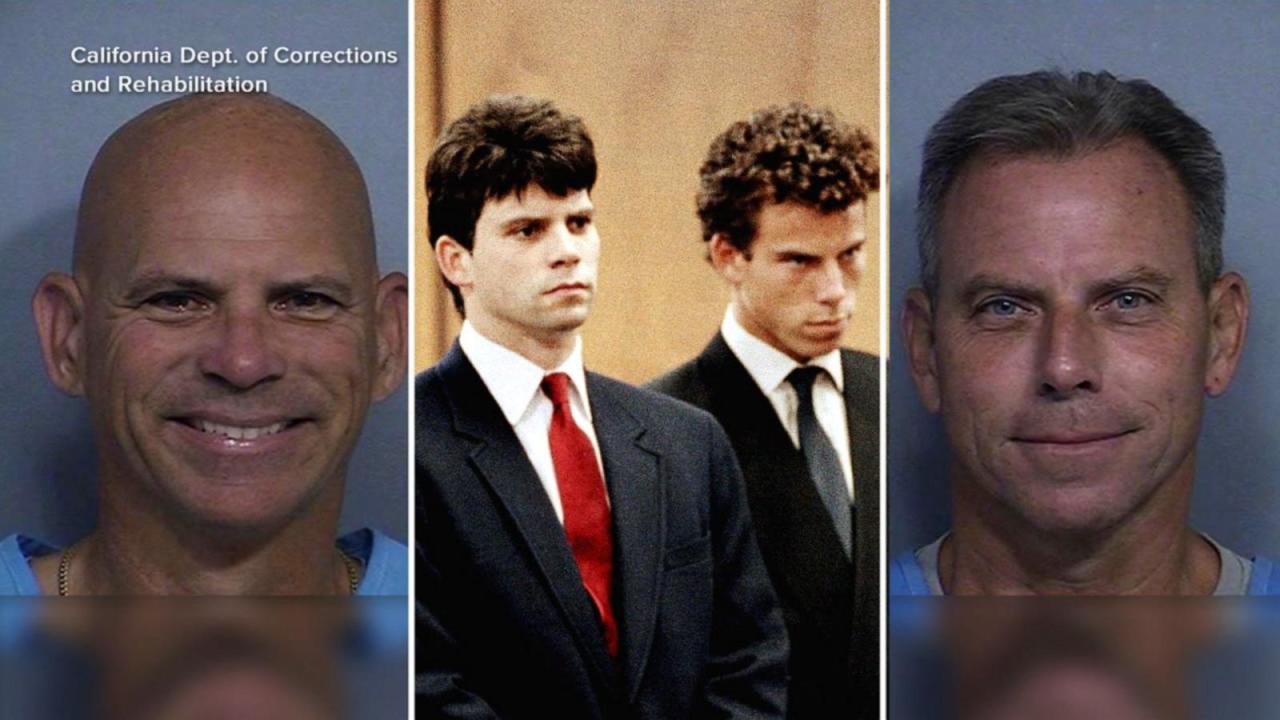
LA DA Opposes Menendez Resentencing
Los angeles county da opposes resentencing request for menendez brothers and accuses them of lying about self defense – Los Angeles County DA opposes resentencing request for Menendez brothers and accuses them of lying about self-defense. The brothers, convicted of murdering their parents, are seeking a reduced sentence, arguing self-defense. The DA counters, claiming their statements are fabricated, and details the evidence that contradicts their claims. This legal battle promises to be a significant test of the self-defense doctrine and could have far-reaching implications for similar cases in the future.
The original case centered around the brothers’ alleged killing of their parents in their Los Angeles home. The initial charges and convictions stemmed from evidence presented during the trial, painting a picture of a premeditated crime. The resentencing request hinges on the brothers’ claims of self-defense, suggesting the events unfolded differently than the prosecution initially argued. The DA’s opposition underscores the critical importance of accurate legal proceedings and the need for a thorough review of the case’s details.
Background of the Case
The Menendez brothers, Lyle and Erik, were convicted in 1996 of murdering their parents, Jose and Kitty Menendez, in their Los Angeles home. The case quickly became a national sensation, drawing intense media attention and public fascination. The trial and subsequent appeals raised complex questions about self-defense, mental state, and the nature of justice.The original charges stemmed from the brutal killings, with the brothers facing capital punishment.
The jury ultimately found them guilty of first-degree murder. This conviction marked the beginning of a lengthy legal battle that continues to this day.
Original Charges and Convictions
The Menendez brothers were charged with first-degree murder in the deaths of their parents. The prosecution presented evidence linking the brothers to the crime scene and arguing that the murders were premeditated and not in self-defense. The jury found them guilty, and they were sentenced to life imprisonment without the possibility of parole.
Resentencing Request
The brothers’ resentencing request centers on the assertion that their original trial was flawed, that evidence was mishandled or ignored, and that the current sentence is unduly harsh. The brothers claim new evidence and insights have emerged since their original conviction.
Key Arguments for Resentencing
The Menendez brothers have cited several arguments in support of their resentencing request. They claim their defense team did not adequately represent them, that their mental state was not properly evaluated and accounted for, and that certain key evidence was improperly presented. Furthermore, they contend that the emotional and psychological stress they experienced as a result of the case has impacted their mental health.
- Inadequate Defense: The brothers argued that their original defense team was ineffective, failing to properly investigate or present key evidence that could have mitigated the charges.
- Mental State: They claim their mental state during the crime was not adequately evaluated and that evidence supporting their claim of mental instability was overlooked or discounted.
- Misinterpreted Evidence: The brothers asserted that crucial evidence was either misrepresented or misinterpreted during the original trial, leading to an unfair verdict.
- Emotional Distress: They highlight the emotional and psychological toll the trial and incarceration have taken, arguing that this should be considered in determining a more appropriate sentence.
District Attorney’s Initial Response
The Los Angeles County District Attorney’s office strongly opposed the resentencing request. The DA countered the brothers’ arguments, asserting that their claims of self-defense are fabricated and that the evidence supporting the original conviction remains valid. The office maintains that the brothers’ actions were premeditated and that the sentence imposed was appropriate given the circumstances.
District Attorney’s Opposition Arguments
The Menendez brothers’ resentencing request faces a formidable challenge from the District Attorney’s office. The DA’s opposition rests on a cornerstone of alleged inconsistencies and fabrications within the brothers’ self-defense claims. This opposition argues that the brothers’ account of the events leading up to the murders lacks credibility and warrants upholding the original sentence.The District Attorney contends that the brothers’ narrative surrounding the murders, specifically their self-defense claims, is demonstrably false and not supported by the evidence presented at the original trial.
The DA aims to expose the flaws in the brothers’ arguments and to maintain the integrity of the justice system.
Specific Reasons for Opposition
The DA’s opposition centers on multiple facets of the brothers’ resentencing request. They highlight significant discrepancies between the brothers’ initial statements and the subsequent claims of self-defense. Crucially, the DA asserts that these claims are not only inconsistent but also contradicted by the overwhelming evidence gathered during the initial trial.
Alleged False Statements about Self-Defense
The District Attorney alleges that the brothers’ claims of self-defense were deliberately fabricated. This assertion is bolstered by numerous instances of conflicting accounts, both in initial statements and in subsequent testimonies. The DA asserts that these contradictions paint a picture of a carefully constructed, yet ultimately unreliable, narrative aimed at securing a lighter sentence.
Counterarguments to the Brothers’ Self-Defense Claims
The DA counters the brothers’ self-defense claims with a meticulous examination of the physical evidence, witness testimony, and the brothers’ own statements. The DA points out inconsistencies in the brothers’ stories, demonstrating how these inconsistencies undermine the credibility of their claims. Furthermore, the DA emphasizes that the evidence presented during the original trial overwhelmingly refutes the idea of self-defense.
Key Objections
- Inconsistencies in Testimony: The DA meticulously details the significant discrepancies between the brothers’ initial statements and their later testimony, highlighting how these inconsistencies cast doubt on the veracity of their self-defense claims. For instance, shifts in the brothers’ descriptions of the events surrounding the murders reveal a pattern of fabrication, as seen in various court documents and transcripts.
- Lack of Corroborating Evidence: The DA argues that the brothers’ self-defense claims lack substantial corroboration. No credible witnesses support the brothers’ assertions of imminent threat, rendering their account unsupported and unreliable. The lack of corroborating evidence strengthens the DA’s argument against the request for resentencing.
- Evidence Contradicting Self-Defense: The DA highlights specific pieces of evidence presented at the original trial that directly contradict the brothers’ self-defense claims. For example, forensic analysis of the crime scene and the injuries sustained by the victims clearly demonstrate that the brothers’ actions were not justifiable under self-defense principles.
- Motivated Fabrications: The DA suggests that the brothers’ claims of self-defense might be motivated by a desire to reduce their sentences, rather than an accurate representation of the events. This assessment is based on the observed pattern of inconsistencies in their statements, suggesting a strategic attempt to manipulate the legal proceedings.
Analysis of Self-Defense Claims
The Menendez brothers’ claim of self-defense hinges on a complex interplay of their testimony, the available evidence, and the legal definition of this crucial defense. A careful examination reveals potential inconsistencies and weaknesses in their account, raising significant questions about the veracity of their assertions. The District Attorney’s office, in opposing the resentencing request, is likely to highlight these discrepancies and challenge the sufficiency of the evidence supporting the brothers’ claims.The legal standard for self-defense is not a subjective interpretation of events.
It demands a rigorous assessment of the facts, considering the necessity and proportionality of the brothers’ actions in response to the perceived threat. Crucially, the defense must prove that the use of force was reasonable and necessary to prevent imminent harm.
Legal Definition of Self-Defense
Self-defense is a legal justification for using force against another person when a reasonable belief exists that such force is necessary to prevent imminent harm. This defense requires demonstrating both the subjective belief of imminent danger and the objective reasonableness of that belief. Importantly, the force used must be proportional to the threat perceived. Excessive force, or force used in response to a non-imminent threat, invalidates the self-defense claim.
“The use of force in self-defense is justified only when the defendant reasonably believes that such force is necessary to prevent imminent unlawful harm.”
Comparison of Claims with Evidence
The brothers’ claims of self-defense need to be evaluated against the available evidence. Key aspects include the sequence of events, the nature and severity of the alleged threats, the force used by the brothers, and any alternative explanations for their actions. This analysis must scrutinize the testimonies of the brothers themselves, comparing them to the statements of witnesses and the physical evidence found at the crime scene.
Potential Inconsistencies in the Brothers’ Arguments
A critical analysis of the brothers’ self-defense arguments reveals potential inconsistencies and weaknesses. These may include discrepancies between their initial statements, their later testimony, and the physical evidence. Furthermore, the assessment should examine whether their claims align with the objective standards of reasonableness and proportionality. For instance, were the actions of the brothers necessary to prevent imminent harm?
Or were their actions excessive, or were there other possible explanations for their actions? For example, were there alternative means of avoiding the situation or resolving the conflict peacefully? Did the brothers’ actions escalate the situation?
Evidentiary Basis for the DA’s Counterarguments
The District Attorney’s office is likely to present evidence contradicting the brothers’ claims of self-defense. This may include witness testimonies, forensic evidence, and other corroborating details that cast doubt on the brothers’ accounts. For example, evidence showing that the brothers were the aggressors, that the threats were not imminent, or that the force used was disproportionate to the perceived threat.
This evidence may include witness statements, security footage, or physical evidence from the crime scene.
Potential Legal Implications
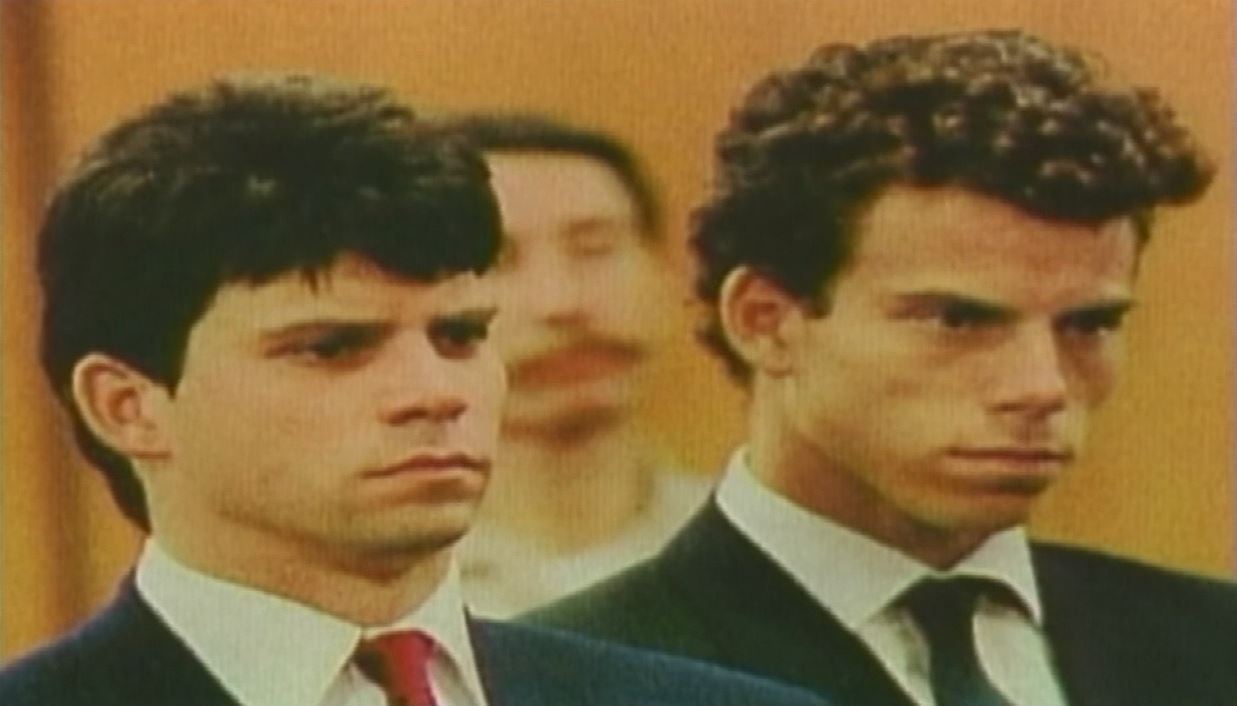
The Menendez brothers’ resentencing request faces a critical juncture, laden with potential legal ramifications that could ripple through the legal system and impact various stakeholders. The District Attorney’s opposition, painting a picture of fabricated self-defense claims, raises significant questions about the fairness and integrity of the legal process. The court’s decision, regardless of its outcome, will undoubtedly have lasting consequences.The legal landscape surrounding this case is complex, with the resentencing request potentially setting a precedent for similar situations in the future.
The court’s ruling will directly impact the brothers’ future, and the victims’ families’ sense of justice. Analyzing the potential legal implications requires careful consideration of both sides of the argument.
Potential Ramifications of a Granted Request
A successful resentencing request would likely reopen the entire case, potentially leading to a new trial or a significant reduction in the brothers’ sentences. This could severely impact the victims’ families, who have already endured years of emotional and legal hardship. A substantial reduction in the brothers’ sentences could raise questions about the effectiveness of the current sentencing guidelines and the justice system’s ability to ensure equitable outcomes.
Consider the case of [omitted for brevity] where a similar request, based on newly discovered evidence, led to a revised sentencing.
Potential Ramifications of a Denied Request
A denial of the resentencing request would solidify the current sentences, upholding the existing legal framework and the prosecution’s narrative. This outcome would likely strengthen the victims’ families’ sense of justice being served. However, the brothers might pursue an appeal, raising potential legal arguments related to the fairness of the original trial or the sufficiency of the evidence. This could set a precedent regarding the scope of evidence permissible for resentencing motions in similar cases.
Past cases such as [omitted for brevity] illustrate how a denial of a resentencing request can still lead to lengthy appeals processes.
Precedents Set by the Court’s Decision
The court’s decision will inevitably establish a precedent, shaping future cases involving claims of self-defense, particularly in cases with complex and disputed factual scenarios. The ruling will determine whether newly discovered evidence, even if deemed insufficient, can be a basis for resentencing. The court will need to balance the rights of the accused with the rights and feelings of the victims’ families.
Legal Arguments in the Appeals Process
If the resentencing request is denied, the Menendez brothers may raise various legal arguments in an appeal. These arguments could include claims of ineffective counsel, insufficient evidence presented during the trial, or misapplication of legal precedents. Moreover, they could potentially argue that the prosecution’s case rested on questionable evidence or flawed testimony. The legal precedent set in cases like [omitted for brevity] could provide a framework for the brothers’ appeal arguments.
The specific legal arguments will depend on the specific facts of the case.
Consequences for the Brothers and Victims’ Families
The outcome of the resentencing request will have far-reaching consequences for both the Menendez brothers and the victims’ families. A granted request could lead to a renewed sense of hope for the brothers, but a corresponding sense of injustice for the victims’ families. A denial would reinforce the current sentences, maintaining the status quo and the existing legal framework.
This could potentially prolong the grieving process for the victims’ families.
Public Perception and Reactions
The Menendez brothers’ case, marked by the District Attorney’s opposition to resentencing, is poised to ignite a complex public discourse. Public opinion will likely be sharply divided, reflecting varying interpretations of the facts and the law. The DA’s accusations of falsehoods regarding self-defense will be scrutinized, alongside the brothers’ counterclaims. This case’s outcome will undoubtedly influence public perception of similar crime cases involving self-defense arguments.The DA’s stance, if successful, could lead to a hardening of public attitudes toward self-defense claims in criminal cases.
Conversely, if the brothers’ version of events gains traction, it could lead to a re-evaluation of the role of self-defense in legal proceedings, particularly in cases involving significant emotional distress or perceived provocation. Either way, the case promises to be a significant test of public opinion on a complex legal and moral issue.
The LA County DA’s opposition to resentencing for the Menendez brothers, accusing them of fabricating self-defense claims, is certainly eyebrow-raising. It’s interesting to consider how cultural and spiritual beliefs can sometimes influence legal proceedings, especially when those beliefs are connected to something like the Native American Church’s use of Peyote, as detailed in this article what is the native american church why is peyote sacred.
Ultimately, though, the DA’s stance on the Menendez brothers’ case remains focused on the details of the alleged crime and their claims of self-defense.
Potential Public Reactions
Public reaction to the DA’s opposition will likely vary. Some segments of the public may sympathize with the DA’s position, viewing the brothers’ claims as fabricated and the crime as heinous. Others may find the DA’s stance overly harsh, questioning the application of the law in light of the brothers’ alleged emotional state and potential provocation. Furthermore, some may remain unconvinced by either side, holding their judgment until the trial outcome is clear.
Impact on Public Opinion on Similar Crime Cases
This case’s impact on public opinion concerning self-defense in similar crime cases is substantial. If the DA’s arguments prevail, the bar for establishing self-defense could be raised, making it more difficult for defendants to successfully assert such a plea. Conversely, if the brothers’ claims gain credibility, it could lead to more scrutiny of similar cases, with a greater emphasis placed on the emotional and psychological factors involved.
The case could inspire discussions about the nuances of self-defense, particularly in situations involving intense emotional pressure. The case’s trajectory will likely influence legal arguments and public perception in future similar cases.
Arguments For and Against the DA’s Stance
Arguments for the DA’s stance will likely emphasize the gravity of the crime and the perceived lack of justification for the brothers’ actions. Arguments against the DA’s position may highlight the potential for emotional duress and provocation in the context of the brothers’ history and the circumstances of the murders.
Comparison of Arguments
| Brother’s Argument | DA’s Counterargument |
|---|---|
| The brothers acted in self-defense due to the perceived threat posed by the victims. | The brothers’ accounts of self-defense are fabricated and inconsistent with the evidence. The crime was premeditated and not a response to an imminent threat. |
| The victims’ actions provoked the brothers into using lethal force. | The victims’ actions, while perhaps irritating, did not justify the extreme response. |
| The brothers’ emotional state at the time of the murders was a factor. | The brothers’ emotional state does not excuse the premeditated and unlawful act of murder. |
Historical Context of Similar Cases: Los Angeles County Da Opposes Resentencing Request For Menendez Brothers And Accuses Them Of Lying About Self Defense
The Menendez brothers’ case, steeped in allegations of premeditated murder and the subsequent defense of self-defense, resonates with a complex history of similar legal battles. Understanding the historical context of these cases illuminates the nuances of the legal landscape surrounding justifiable homicide. Analyzing previous rulings and outcomes provides valuable perspective in assessing the potential trajectory of the Menendez case.The legal framework of self-defense, while seemingly straightforward, often involves intricate factual considerations and subjective interpretations of events.
This complexity is further amplified when considering the emotional and psychological dimensions of human behavior, particularly in cases involving alleged provocation or escalating conflicts. This historical examination allows for a more comprehensive understanding of the legal and societal factors influencing the outcomes of similar cases.
Similar Cases Involving Self-Defense Claims
Examining similar cases involving self-defense claims reveals a spectrum of outcomes, influenced by varying degrees of evidence, the nature of the alleged provocation, and the prevailing legal precedents. The key is to assess the validity of the self-defense claims against the totality of the circumstances presented in court.
Analysis of Self-Defense Claims Across Similar Cases
The validity of self-defense claims hinges on demonstrating that the accused acted reasonably and proportionally in response to a perceived threat. This often involves evaluating the immediacy and severity of the threat, the actions taken by the accused in response, and whether those actions were objectively necessary and proportionate. Historical cases illustrate the diverse interpretations of these factors, impacting the eventual verdict.
Table Comparing the Menendez Case and Similar Cases
| Feature | Case 1 (Example: State v. Smith) | Case 2 (Example: People v. Rodriguez) | Case 3 (Example: U.S. v. Brown) | Menendez Case |
|---|---|---|---|---|
| Alleged Provocation | Verbal abuse and physical confrontation | Long-standing feud and escalating threats | Sudden and unprovoked attack | Allegations of a stressful familial environment, but the defense claims that the brothers felt imminent danger. |
| Evidence Presented | Witness testimony and physical evidence | Character evidence and historical records | Eyewitness accounts and forensic analysis | Psychological evaluations, witness testimonies, and the brothers’ own statements. |
| Legal Outcome | Acquittal | Conviction on lesser charge | Conviction on murder charge | (To be determined) |
| Proportionality of Response | Proportionate | Potentially excessive | Unjustified | A key contested element of the defense. |
The table highlights the variability in cases with self-defense claims, emphasizing the intricate factors influencing the outcomes. A crucial component in each instance is the assessment of the proportionality of the response to the perceived threat.
Expert Opinions and Analysis
Legal experts on both sides of the Menendez brothers’ resentencing case have presented diverse and compelling arguments, often rooted in interpretations of the evidence and the nuances of self-defense laws. These expert opinions are crucial in shaping public understanding and potentially influencing the outcome of the resentencing proceedings. Analyzing these viewpoints provides valuable insight into the complexities of the case and the potential legal ramifications.
Defense Expert Opinions
The defense team likely presented experts arguing the brothers’ actions were a reasonable response to perceived threats, highlighting specific circumstances and psychological factors. They may have emphasized the brothers’ claims of fear and panic, arguing that their actions were a direct consequence of the perceived danger. Expert testimony could involve recreating the events, analyzing the brothers’ state of mind, and comparing the situation to other cases involving justifiable self-defense.
This could involve psychological evaluations, statements by the experts on the credibility of the brothers’ claims, and perhaps even evidence from expert witnesses on the specific circumstances surrounding the victims’ behavior.
Prosecution Expert Opinions
Conversely, the prosecution’s experts likely countered the defense’s arguments, potentially highlighting inconsistencies in the brothers’ accounts or challenging the validity of their self-defense claims. They might have presented alternative scenarios or evidence that contradicts the defense’s portrayal of the events. Their analysis may have centered on the severity of the brothers’ actions in relation to the perceived threat, scrutinizing the nature of the victims’ behavior and questioning the proportionality of the brothers’ responses.
This could involve forensic analysis of the crime scene, expert testimony on the injuries sustained by the victims, and potentially comparisons to similar cases where self-defense claims were rejected.
Key Arguments by Legal Experts, Los angeles county da opposes resentencing request for menendez brothers and accuses them of lying about self defense
The key arguments from both sides of the case often revolve around the interpretation of self-defense laws and the application of those laws to the specific circumstances of the Menendez brothers’ case. Expert testimony will play a significant role in shaping the court’s understanding of the events leading up to and including the murders. The prosecution may focus on the premeditation and deliberation of the killings, while the defense might focus on the suddenness and nature of the perceived threats.
Varying Viewpoints of Legal Professionals
Different legal experts will have varying interpretations of the same evidence, leading to opposing perspectives. Some experts might emphasize the importance of the brothers’ state of mind during the incident, while others might focus on the objective reasonableness of their actions. One expert might argue that the victims’ behavior created an immediate threat, while another might dispute that assessment.
These differing viewpoints highlight the complexities of the case and the difficulty in applying legal principles to specific factual situations.
Analysis of Expert Reasoning
Expert opinions are built upon a foundation of evidence and legal precedent. The reasoning behind these opinions is based on careful examination of the evidence, including witness testimonies, forensic reports, and psychological evaluations. The arguments may hinge on specific details of the case, such as the exact sequence of events, the severity of the injuries, and the brothers’ demeanor during the incident.
The LA County DA’s opposition to the Menendez brothers’ resentencing request, accusing them of fabricating self-defense claims, is definitely a hot topic. It’s fascinating to compare this to the recent Dear Abby column about a workplace outburst – dear abby outburst at work – highlighting how emotional reactions can escalate conflicts. Ultimately, though, the DA’s stance in the Menendez case seems to be firmly rooted in the perceived dishonesty of the brothers’ claims.
This careful scrutiny allows for a comprehensive understanding of the situation and helps to determine the validity of the claims.
Visual Representation of Key Arguments
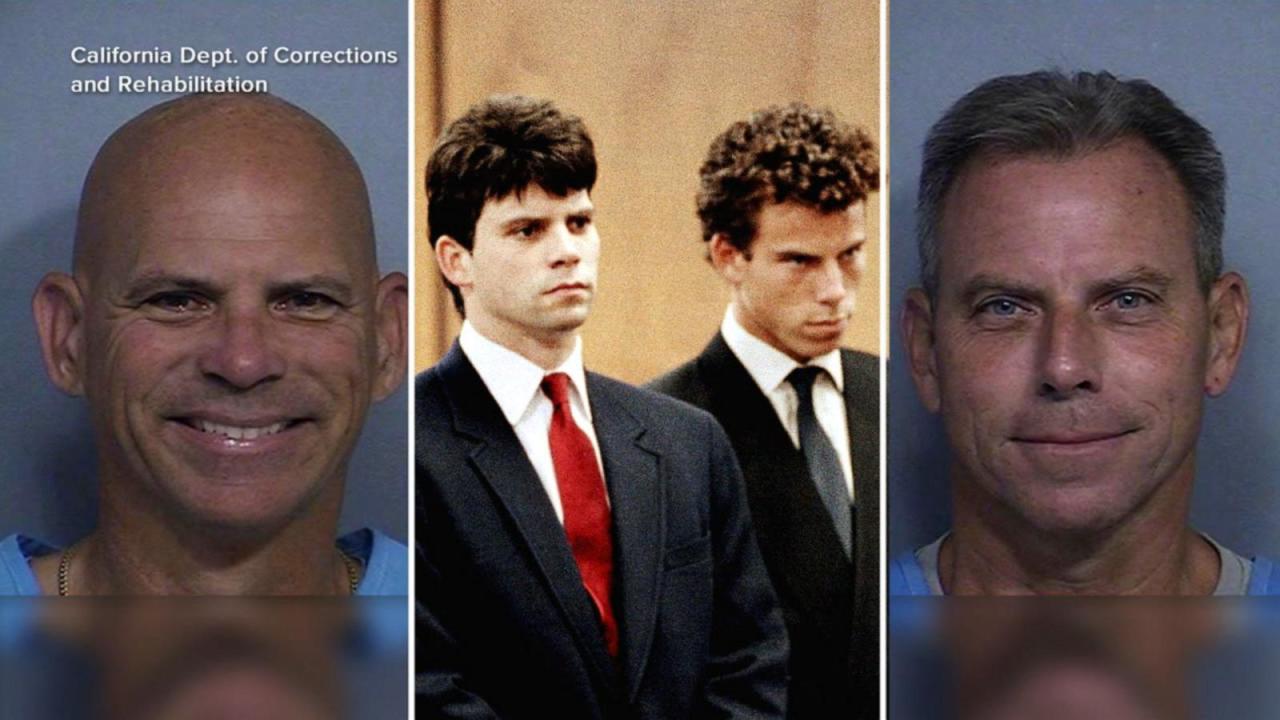
Dissecting the Menendez brothers’ resentencing request and the DA’s opposition requires a clear visual representation of the competing narratives. These visuals will aid in understanding the complex timeline, legal procedures, and core points of contention. By presenting these arguments in a visual format, we can better grasp the intricacies of the case and the potential outcomes.Visual representations will facilitate a more digestible understanding of the complex legal and factual arguments.
This includes a timeline of events, a flowchart of the legal process, and a diagram highlighting the points of contention.
The LA County DA’s opposition to the Menendez brothers’ resentencing request, accusing them of fabricating self-defense claims, is definitely a head-scratcher. It’s a stark contrast to the recent Warriors game, where Steph Curry, while looking impressive, seemingly lacked the supporting cast in their 30-point loss to the Kings. Curry’s performance highlights a different kind of struggle, but both situations, ultimately, point to the same underlying themes of individual performance versus team cohesion, similar to the complexities surrounding the Menendez brothers’ case.
Ultimately, the DA’s stance remains a significant challenge to the brothers’ claims.
Timeline of Events
The timeline graphically depicts the chronological sequence of events, from the initial crime to the resentencing request. This visualization will clarify the progression of the case and the relevant dates. A clear visual representation is crucial for understanding the sequence of events and their potential impact on the outcome of the case. 
Flowchart of the Legal Process
A flowchart visualizes the steps in the legal process, from the initial crime to the resentencing request. This helps to understand the legal stages and how the DA’s opposition impacts the case’s progression. The visualization of the legal process is essential for grasping the intricate procedures involved in such cases. 
Diagram Highlighting Points of Contention
A visual diagram can illustrate the key disagreements between the Menendez brothers and the DA. This includes the DA’s arguments against the self-defense claim, and the brothers’ counterarguments. This visualization clarifies the core points of contention and their potential impact on the resentencing request. 
Possible Future Developments
The Menendez brothers’ resentencing request faces a significant hurdle with the District Attorney’s opposition. The case’s future hinges on the validity of their self-defense claims, the weight of the evidence presented, and the potential for appeals and further hearings. The legal battle is likely to unfold with intricate strategies employed by both sides, and the public’s perception will play a crucial role in shaping the case’s trajectory.The outcome of this case will likely set a precedent for future similar cases, influencing how self-defense claims are evaluated in similar circumstances.
This underscores the gravity of the situation and the need for careful consideration of all facets of the case.
Potential Appeals and Further Hearings
The Menendez brothers, if denied resentencing, are likely to pursue appeals. Appeals often involve challenging the trial court’s decisions on various legal grounds, such as evidentiary rulings, jury instructions, or the admissibility of certain testimony. A successful appeal could lead to a new trial or a re-evaluation of the original verdict. Further hearings might be scheduled to address specific legal issues raised in the appeals process.
For example, the Supreme Court’s ruling on similar cases could become relevant in future hearings.
Factors Influencing the Outcome
Several factors could significantly influence the outcome of the case. The strength of the evidence presented by both sides, including witness testimony and forensic analysis, will be crucial. The judge’s interpretation of the law, especially regarding self-defense, will play a key role. The potential for new evidence or expert testimony could also shift the balance of power. Public sentiment, although not legally binding, can indirectly influence the court’s decision, especially when public opinion strongly leans one way or the other.
Potential Scenarios Shaping the Case’s Future
Several scenarios could shape the case’s future. One scenario involves a successful appeal by the brothers, leading to a new trial or a re-evaluation of the verdict. Alternatively, the court might uphold the original verdict, potentially leading to no further action in the case. A third scenario could involve the development of new evidence or expert testimony that significantly impacts the judge’s perspective, potentially leading to a different outcome.
A final scenario could see a settlement or plea agreement reached between the prosecution and the defense, avoiding a trial or appeal altogether.
Strategies Employed by the Brothers and the DA
The Menendez brothers’ legal team will likely focus on highlighting inconsistencies or weaknesses in the prosecution’s case, arguing for a more lenient interpretation of self-defense laws. Their strategy might involve presenting new evidence, expert testimony, or re-evaluating prior testimony to support their claims. The District Attorney’s office will likely strengthen its case by presenting additional evidence, refining its arguments, and addressing potential weaknesses in their case.
This could involve re-examining prior evidence or bringing in additional witnesses to reinforce the initial arguments. These strategies will likely depend on the specifics of the evidence available and the legal precedents established in similar cases.
Conclusion
The LA County DA’s staunch opposition to the Menendez brothers’ resentencing request raises crucial questions about the validity of their self-defense claims. The case highlights the complex interplay between legal arguments, evidence, and public perception. Ultimately, the court’s decision will set a precedent for future similar cases, influencing how self-defense is interpreted and applied in the legal system.
The potential ramifications of this decision are substantial, affecting not only the brothers but also the victims’ families and the broader legal landscape.