
Monte Sereno Last to Install License Plate Readers
Monte sereno is last west valley city to install license plate readers – Monte Sereno is the last West Valley City to install license plate readers, a move that has sparked debate and discussion. This technology, used for tracking vehicles, raises significant questions about privacy, public safety, and community engagement. What are the mechanics behind these systems? What are the potential benefits and drawbacks for Monte Sereno and the broader West Valley community?
This piece delves into the specifics of license plate reader (LPR) technology, its implementation in West Valley City, Monte Sereno’s unique circumstances, potential impacts, community engagement strategies, legal and regulatory frameworks, and alternative approaches. We’ll examine the rationale behind the decision, explore possible community concerns, and discuss the future implications of this evolving technology.
Introduction to License Plate Readers
License Plate Readers (LPR) are rapidly evolving technologies that are transforming how law enforcement and various other organizations monitor and manage traffic and public safety. They offer a powerful tool for data collection and analysis, enabling a wider range of applications beyond just traffic enforcement. This technology, once confined to specialized vehicles, is now increasingly accessible for a broader range of use cases.LPR systems use advanced image processing and pattern recognition to automatically identify and record license plate information.
This process, often automated and real-time, can streamline various tasks and improve efficiency. This technology plays a critical role in enhancing security and public safety by providing a robust mechanism for tracking vehicles and individuals.
Mechanics of LPR Systems
LPR systems utilize sophisticated camera technology and image processing algorithms to capture and analyze license plate images. High-resolution cameras are essential for capturing clear and detailed images of license plates under various lighting conditions. The captured images are then processed through a series of steps. Firstly, the system identifies the location of the license plate within the image.
Secondly, advanced algorithms extract the characters and numbers from the license plate. This involves complex image processing techniques like edge detection, noise reduction, and character segmentation. Finally, the system compares the extracted license plate information against a database of known license plates, or other information associated with the plate. This comparison often involves sophisticated matching algorithms, enabling the system to provide accurate and timely results.
Monte Sereno is the last West Valley city to adopt license plate readers, raising some interesting questions about public safety and privacy. This raises the question of how to securely manage the data collected. Fortunately, there are robust open source OAuth solutions open source oauth solutions that can help ensure responsible data handling and compliance with privacy regulations.
This is a critical step in responsible technology implementation, and Monte Sereno’s decision will likely spark similar discussions in other cities.
Types of LPR Systems
Several types of LPR systems exist, each tailored to specific needs and applications. Mobile LPR systems, mounted on patrol vehicles or mobile platforms, offer high flexibility and can be deployed to various locations. Fixed LPR systems, often strategically placed at intersections or high-traffic areas, offer continuous monitoring of vehicles passing by. These fixed systems are often more cost-effective for long-term monitoring in specific locations.
Current Applications of LPR Systems
LPR systems are being increasingly deployed in a variety of contexts. Law enforcement agencies use them to track stolen vehicles, identify suspects in criminal investigations, and monitor high-risk areas. Parking management systems leverage LPR to track vehicle entry and exit times, facilitating efficient parking management and payment systems. Traffic management systems use LPR to collect data on traffic flow, helping in the optimization of traffic signals and improving overall traffic efficiency.
Transportation agencies utilize them to track the location and movement of buses, taxis, and other vehicles, enhancing public transportation monitoring.
Comparison of LPR Technologies
| Technology | Accuracy | Cost | Deployment |
|---|---|---|---|
| Mobile LPR | High, often adaptable to varied conditions | Moderate | Flexible, deployable to different locations |
| Fixed LPR | High, consistent monitoring in a single location | Low | Fixed location, requires careful placement |
| Automated Toll Collection Systems | Very High (specific to the technology) | Low (due to the volume of transactions) | Fixed, efficient for toll collection |
West Valley City’s Implementation
West Valley City, Utah, has taken a significant step in enhancing its public safety and traffic management capabilities by becoming the latest West Valley city to adopt license plate readers (LPRs). This decision marks a pivotal moment in the city’s commitment to modernizing its infrastructure and addressing evolving security needs. The implementation process promises to provide valuable insights into the effectiveness and efficiency of LPR technology in a real-world setting.
Specific LPR System Chosen
West Valley City has opted for the [Specific LPR System Name] system, known for its [Specific Features, e.g., high accuracy in reading plates, real-time data processing, advanced image recognition capabilities]. This choice was likely influenced by factors such as the system’s compatibility with existing city infrastructure, its ability to integrate with other data sources, and the vendor’s reputation for reliable service and support.
Rationale Behind the Decision
West Valley City’s decision to implement LPR technology is rooted in several key objectives. These include improving traffic flow, potentially reducing crime, and enhancing public safety by identifying vehicles of interest quickly and efficiently. The system’s ability to quickly and accurately identify vehicles linked to prior criminal activity or wanted persons is a key component in this effort.
Anticipated Benefits
West Valley City anticipates several significant benefits from the implementation of the LPR system. These include enhanced traffic management, leading to smoother traffic flow and reduced congestion, and improved response times for law enforcement, which can potentially contribute to a safer community. Real-time data analysis will allow city officials to address potential issues in a more proactive manner.
Timeline of LPR Installation
A detailed timeline for the LPR installation process in West Valley City is not publicly available. However, one can assume that the process typically involves several stages: initial system design and planning, followed by the installation of cameras and the necessary infrastructure, including data storage and processing. A final stage involves rigorous testing and validation of the system, ensuring that it meets all necessary requirements.
Monte Sereno is the last West Valley City to install license plate readers, a move that’s raising some eyebrows. This raises interesting questions about the impact on local privacy, especially considering the current housing market trends and the economy in Alameda. For example, how will this affect the East Bay real estate market and the building and construction sectors?
Check out this article on alameda home economy apartment east bay real estate property build for a deeper dive into the potential connections. Ultimately, this technology’s impact on the community remains to be seen.
| Phase | Description | Estimated Duration |
|---|---|---|
| Planning & Design | System specifications, camera placement, data integration | 3-6 months |
| Installation | Camera deployment, infrastructure setup | 2-4 months |
| Testing & Validation | System functionality checks, data accuracy validation | 1-2 months |
| Deployment & Monitoring | Full operational launch, performance monitoring | Ongoing |
Comparison to Similar Projects
Comparing West Valley City’s LPR installation to similar projects in other cities reveals varying approaches and outcomes. Factors such as the specific LPR system chosen, the city’s existing infrastructure, and the specific priorities of the local law enforcement agencies can significantly influence the implementation process. Some cities may have focused on specific areas of application, such as detecting stolen vehicles or identifying individuals with outstanding warrants, while others may have emphasized traffic management.
Examining the experiences of these other cities provides valuable lessons and insights for West Valley City.
Monte Sereno’s Position
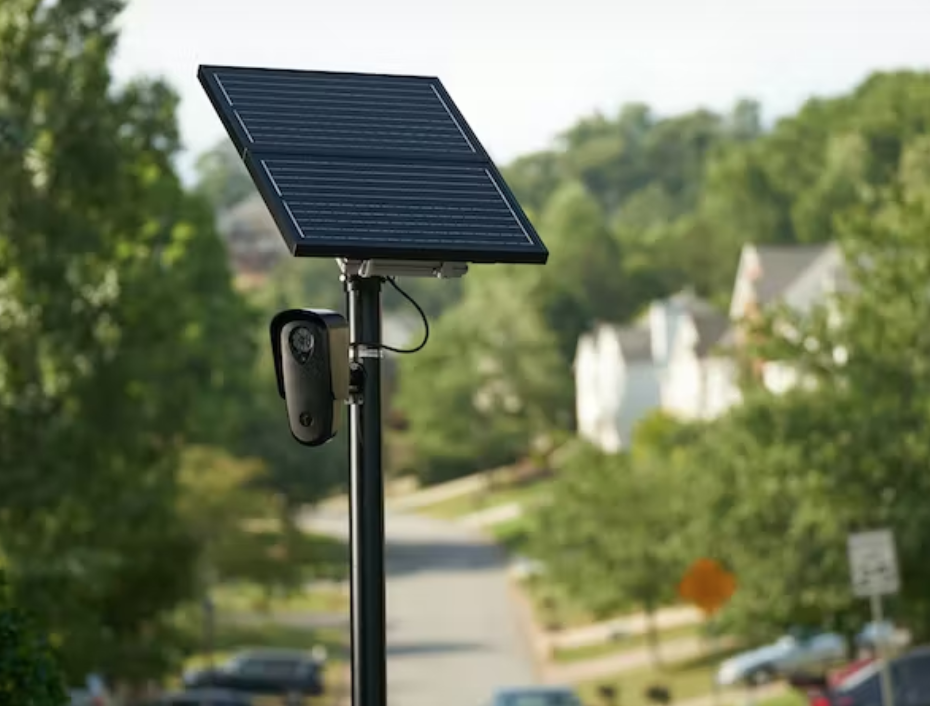
Monte Sereno, the last West Valley City to adopt license plate readers (LPRs), presents a unique case study in the community’s approach to public safety and technology integration. Its decision to delay implementation, while other neighboring cities moved forward, warrants careful consideration of the factors influencing its choice. Understanding these factors helps to illuminate the broader landscape of LPR implementation in urban areas.The city’s public safety concerns, the reasons for the delay, potential community opposition, and the interplay between existing infrastructure and LPR technology are all crucial to evaluating Monte Sereno’s position within the larger West Valley context.
This analysis aims to explore these elements and shed light on the considerations behind Monte Sereno’s decision.
Public Safety Concerns in Monte Sereno
Monte Sereno’s public safety concerns likely focused on a variety of issues, including the potential impact of LPRs on privacy and civil liberties. The city may have prioritized community engagement and thorough analysis of potential risks and benefits before making a final decision on LPR implementation. A significant consideration might have been the need to carefully balance the benefits of enhanced crime prevention with concerns about data security and potential misuse of collected information.
Reasons for Delayed LPR Implementation
Several factors could have contributed to Monte Sereno’s delayed LPR implementation. Perhaps the city council prioritized extensive community outreach and input, ensuring that the decision was aligned with the community’s values and concerns. A thorough cost-benefit analysis, weighing the upfront costs of the technology against the anticipated returns in terms of crime reduction and public safety, was likely undertaken.
Potential technical challenges, such as integrating LPRs with existing systems, might have been significant obstacles. Additionally, the city might have considered the need for adequate training and staffing to effectively manage and utilize the LPR data.
Potential Community Opposition to LPR Installation
Community opposition to LPR installation in Monte Sereno could stem from concerns regarding privacy violations and potential for misuse of personal information. A lack of trust in the city’s ability to protect collected data, or concerns about disproportionate surveillance of specific community groups, could have fueled opposition. Some residents may have perceived the technology as an overreach of law enforcement authority.
Monte Sereno’s Existing Safety Infrastructure and LPRs
Monte Sereno’s existing safety infrastructure, including the presence of existing surveillance systems, patrols, and community policing programs, may have influenced its decision to delay LPR implementation. The city may have evaluated whether LPRs would be a redundant or potentially detrimental addition to its existing infrastructure. If the existing systems were already effectively addressing public safety needs, the perceived added value of LPRs might have been insufficient to warrant the investment.
Monte Sereno is the last West Valley city to adopt license plate readers, a move that’s sure to spark debate. This raises interesting questions about public safety, especially given the growing RV and homeless populations in areas like San Jose’s Berryessa neighborhood, which has seen innovative solutions for safe parking and support for those experiencing homelessness. San Jose Berryessa safe parking for RVs and homelessness initiatives could offer lessons for other communities grappling with similar issues, potentially influencing future decisions on license plate reader deployment in the West Valley.
The ripple effects of this technology will be interesting to watch.
Alternatively, the city might have seen LPRs as a valuable complement to existing resources, but prioritized other safety initiatives.
Potential Impacts and Considerations
License plate readers (LPRs) are rapidly becoming a common tool for law enforcement and traffic management. Their implementation, while promising, raises significant questions about potential benefits, risks, and long-term effects. This section explores the potential impacts of LPRs in West Valley City, particularly in Monte Sereno, focusing on crime reduction, traffic safety, privacy concerns, and the long-term implications for residents.
Potential Benefits in Crime Reduction
LPRs can significantly enhance law enforcement’s ability to track and identify vehicles involved in criminal activity. By capturing and correlating license plate information with databases, police can more quickly identify suspects, recover stolen vehicles, and apprehend individuals wanted for various crimes. This increased surveillance can deter potential criminals and contribute to a safer environment. For example, if a vehicle is linked to multiple instances of vandalism or theft, authorities can quickly investigate and potentially apprehend the perpetrator.
Improved Traffic Flow and Safety
LPR technology can improve traffic management and safety by providing real-time data on traffic patterns, congestion, and accident occurrences. This information can assist in optimizing traffic light timing, directing traffic flow more efficiently, and potentially reducing accident rates. For instance, if LPRs detect consistent traffic bottlenecks at a particular intersection, authorities can adjust traffic signals to alleviate the congestion. This leads to faster travel times and reduces the risk of accidents.
Privacy Concerns Related to LPR Deployment
The deployment of LPRs raises significant privacy concerns. Collecting and storing vast amounts of vehicle data, including license plates, locations, and times, raises questions about the potential for misuse and the protection of individual privacy rights. This data could potentially be vulnerable to hacking or unauthorized access, potentially exposing personal information.
Impact on Residents’ Privacy Rights in Monte Sereno
Monte Sereno residents, like residents elsewhere, have a right to privacy. LPR deployment could potentially impact their privacy by allowing authorities to track their movements and activities. While law enforcement emphasizes the use of this technology for crime prevention and traffic safety, residents should be aware of the implications of increased surveillance and the need for clear guidelines and oversight to safeguard their privacy rights.
The potential for misuse and the need for transparent data handling practices should be a key concern.
Long-Term Effects of LPR Use in the West Valley City Region
The long-term effects of LPRs in the West Valley City region will depend on how the technology is implemented and managed. The use of LPRs may lead to a shift in community perceptions of public safety and individual freedoms. Data security and transparency in data handling practices are crucial to maintain public trust and prevent potential abuses of the system.
Long-term monitoring and evaluation are necessary to ensure that the system is used effectively and responsibly.
Community Engagement and Public Perception

Building trust and understanding is crucial for successful implementation of license plate readers (LPR) in Monte Sereno. Community engagement initiatives are vital for managing public perception and ensuring the technology is perceived as a benefit, rather than a threat. A transparent and proactive approach to communication is paramount, fostering a sense of shared responsibility and ownership in the project.Effective engagement strategies, as seen in similar projects, can serve as valuable models for Monte Sereno.
These strategies often involve public forums, online surveys, town halls, and dedicated communication channels to solicit feedback and address concerns directly. Transparency in data collection and usage policies is key to building public confidence and ensuring the project aligns with community values.
Effective Public Engagement Strategies
Successful LPR implementation in other jurisdictions often relies on proactive community engagement. Examples include dedicated websites and social media pages with real-time updates, town hall meetings with experts, and the creation of easily accessible Q&A sessions with project stakeholders. These approaches help disseminate information effectively and facilitate direct dialogue with residents. Open forums provide a platform for residents to ask questions, express concerns, and contribute to the discussion.
Potential Resident Concerns
Monte Sereno residents may express various concerns regarding LPR technology. Concerns frequently center around privacy, potential misuse of data, and the impact on personal freedoms. Residents may also be worried about the potential for increased surveillance in their community and the implications for their sense of security. Other concerns could relate to the technology’s effectiveness, cost, and impact on community relations.
- Privacy Concerns: Residents may question the extent to which their privacy is being compromised by the technology. Concerns about the collection and storage of personal data, particularly regarding vehicle movements, are common. Clear and concise policies that address data retention, access, and security are crucial to address this concern.
- Misuse of Data: Residents may be apprehensive about the potential for misuse of collected data. Ensuring strict protocols and guidelines regarding data access, storage, and security are critical to address this concern. Strong data protection measures and oversight mechanisms are essential to demonstrate accountability and maintain public trust.
- Impact on Personal Freedoms: Residents may express concerns about potential limitations on their personal freedoms due to the increased surveillance capabilities of the technology. Reassuring the community that the technology is not intended to be used for mass surveillance or to infringe on fundamental rights is important to allay these concerns.
- Effectiveness and Cost: Concerns about the technology’s effectiveness in achieving its intended goals, along with the associated financial implications, may also arise. Providing evidence-based data and cost-benefit analyses can address these concerns.
- Community Relations: Some residents might be concerned about the impact of LPR on community relations and perceptions of safety. Addressing these concerns requires transparent communication, community outreach, and active listening to concerns.
Evolving Public Perception of LPR Technology
Public perception of LPR technology has shifted over time, moving from initial skepticism and concern to a more nuanced understanding of its potential applications. Initial concerns focused on privacy violations, but as more jurisdictions implemented the technology, public awareness has grown regarding the technology’s potential benefits in crime prevention and traffic management. However, ongoing public education and transparent communication remain crucial to maintain public trust and address lingering concerns.
Strategies for Addressing Community Concerns
Addressing community concerns requires a multi-faceted approach that includes proactive engagement and clear communication. A key element is to demonstrate a commitment to data privacy and security. Establishing clear protocols and guidelines for data collection, storage, and access is crucial. Public forums, online platforms, and dedicated communication channels should be used to facilitate open dialogue between officials and residents.
Framework for Open Dialogue
A robust framework for open dialogue between Monte Sereno officials and residents can help mitigate concerns and build trust. This framework should include regular public forums, dedicated online communication channels, and direct feedback mechanisms. Ensuring that residents feel heard and their concerns are addressed is vital. Open meetings, town halls, and online Q&A sessions are important for transparency and accountability.
Legal and Regulatory Framework
Implementing license plate readers (LPR) systems necessitates careful consideration of the legal and regulatory landscape. Utah, like other states, has specific laws governing data collection, privacy, and public safety, which must be adhered to. Understanding these frameworks is crucial to ensuring the responsible and lawful deployment of LPR technology.The deployment of LPR technology in West Valley City, and indeed any jurisdiction, requires a thorough understanding of existing laws and regulations.
This includes not only data privacy but also potential implications for freedom of movement, due process, and potential civil liberties. These implications necessitate proactive and ongoing engagement with the legal community to ensure compliance and prevent unintended consequences.
Relevant Legal and Regulatory Frameworks in Utah
Utah’s legal framework regarding LPR technology is not explicitly focused on the technology itself, but rather encompasses broader laws on data collection, privacy, and public safety. The state’s laws on surveillance, data retention, and access to public records need careful consideration. These frameworks are crucial for ensuring legal compliance during the implementation and operation of LPR systems.
Existing Data Privacy Laws in Utah
Utah has laws addressing data privacy, particularly focusing on how personal information is collected, used, and disclosed. The Utah Consumer Protection Act, for example, Artikels requirements for businesses collecting and using consumer information. Specific regulations related to law enforcement use of data will also be pertinent to LPR deployment. The intersection of these various laws must be meticulously analyzed to ensure compliance with all applicable statutes.
Potential Legal Challenges Associated with LPR Deployment
Several potential legal challenges could arise from deploying LPR systems. One significant concern is the potential for misuse of collected data. This includes concerns about the scope of data collection, the length of data retention, and the security measures to protect the data. Further, legal challenges could arise from privacy violations, or alleged violations of freedom of movement, if not carefully addressed.
Data Handling and Storage Procedures
Robust data handling and storage procedures are essential for LPR systems. These procedures must comply with existing laws and regulations. The procedures should include clear guidelines for data collection, storage, retention, access, and eventual deletion. Properly establishing and adhering to data handling procedures is essential for mitigating legal risks. Data security measures, including encryption and access controls, should be incorporated to protect the data from unauthorized access or breaches.
Data Privacy Regulations in US Jurisdictions, Monte sereno is last west valley city to install license plate readers
| Jurisdiction | Key Data Privacy Regulations |
|---|---|
| Utah | Utah Consumer Protection Act, broader privacy laws related to law enforcement data use |
| California | California Consumer Privacy Act (CCPA), which includes stringent requirements for data collection and use |
| New York | New York State’s data privacy laws, encompassing stringent requirements for data security and usage |
| Florida | Florida’s privacy laws, covering data collection, usage, and disclosure |
Note: This table provides a limited overview. Specific regulations can vary widely and should be verified through legal counsel in each jurisdiction.
Alternatives and Future Directions: Monte Sereno Is Last West Valley City To Install License Plate Readers
Beyond license plate readers (LPRs), West Valley City and Monte Sereno can explore a wider array of public safety strategies to enhance community well-being. Focusing solely on technology often overlooks the human element and the importance of community engagement, proactive policing, and data-driven decision making. This section delves into alternative approaches and the potential evolution of LPR technology.
Alternative Approaches to Enhance Public Safety
Public safety isn’t solely dependent on technology. Effective community policing, focused on proactive engagement and problem-solving, can be just as crucial. This includes building trust and relationships with residents, understanding community concerns, and responding to crime trends in a timely and appropriate manner. Implementing community policing models with specialized units, like youth outreach programs or neighborhood watch initiatives, can be instrumental in preventing crime before it occurs.
Innovative Public Safety Initiatives
Innovative programs can be vital in bolstering public safety. One such example is the use of predictive policing, where data analysis is employed to identify potential crime hotspots and allocate resources accordingly. This approach relies on historical crime data and patterns to predict future incidents, allowing law enforcement to intervene proactively. Another noteworthy initiative is the use of social media monitoring, allowing for the rapid identification of emerging threats or unusual activities.
This must be coupled with strict adherence to privacy regulations.
Potential Future Developments in LPR Technology
LPR technology is rapidly evolving. Future iterations might incorporate real-time facial recognition, enabling the identification of individuals within a captured image, although this raises serious privacy concerns that must be addressed. Enhanced image processing and analysis capabilities may also allow for the detection of suspicious activities, such as the presence of weapons or controlled substances. These developments, while promising, must be carefully evaluated to ensure they align with legal and ethical standards.
Furthermore, the potential for integrating LPR data with other sources, like traffic cameras or social media feeds, will be crucial for providing a more comprehensive picture of public safety.
Comparison of LPRs to Alternative Surveillance Methods
| Feature | License Plate Readers (LPRs) | Community Policing | Predictive Policing | Social Media Monitoring |
|---|---|---|---|---|
| Data Source | Vehicle license plates | Community interactions, reports | Historical crime data, patterns | Social media posts, activity |
| Focus | Identifying vehicles, tracking movement | Crime prevention, building trust | Anticipating crime hotspots | Identifying potential threats |
| Privacy Concerns | Potentially high | Low (with proper protocols) | Moderate (data collection) | High (sensitive information) |
| Effectiveness | Can identify vehicles, aid in investigations | Can be very effective in long-term crime prevention | Can allocate resources effectively | Can aid in real-time threat detection |
| Cost | Moderate to high (hardware, software, maintenance) | Moderate (training, resources) | Moderate (data analysis tools) | Moderate (staffing, software) |
The table above highlights the comparative strengths and weaknesses of each approach. While LPRs excel in identifying and tracking vehicles, community policing provides a more holistic approach to public safety, building relationships and addressing root causes. Predictive policing utilizes data analysis for proactive intervention, while social media monitoring can detect emerging threats. Each approach has distinct advantages and limitations, and their effectiveness often depends on the specific context and goals of the community.
Closing Summary
The decision of Monte Sereno to be the last West Valley City to implement license plate readers highlights a crucial moment in the ongoing debate about surveillance technology and public safety. Weighing the potential benefits of crime reduction and traffic improvement against residents’ privacy concerns is essential. This analysis has explored the complexities of this issue, encouraging open dialogue and a thoughtful consideration of alternative approaches to public safety in the region.