Trump China International Trade A Complex History
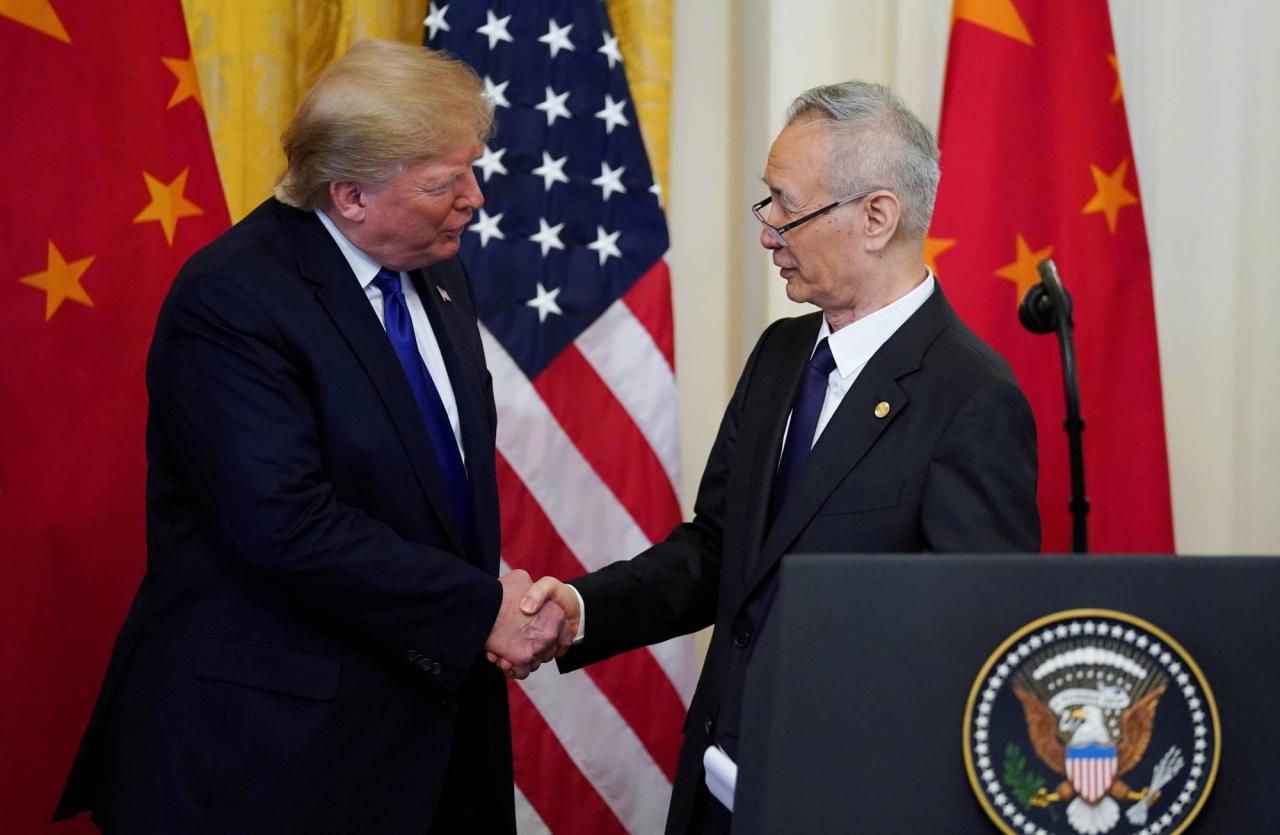
Trump China international trade has been a major topic of discussion and debate, impacting global economies. This complex relationship involves a tangled history of trade agreements, imbalances, tariffs, and disputes. From the evolution of trade policies to the impact on specific industries, this exploration delves into the multifaceted aspects of the trade relationship between the United States and China.
This overview will examine the historical context, highlighting significant events and agreements. It will also discuss the trade imbalances and disputes, tariffs and trade wars, intellectual property rights, implications for global trade, alternative trade strategies, and the impact on specific industries. The analysis will present data, analysis, and insights into this complex relationship.
Historical Context of US-China Trade Relations
US-China trade relations, a complex tapestry woven over decades, have experienced profound shifts, marked by periods of cooperation and intense competition. From early engagement to the multifaceted trade wars of the 21st century, the evolution reflects the interplay of economic interests, geopolitical strategies, and shifting global power dynamics. This section delves into the historical context, examining key agreements, trade disputes, and the transformation of trade dynamics since the turn of the millennium.The early stages of US-China trade relations were characterized by cautious engagement, with limited economic interaction.
Over time, China’s integration into the global economy, accelerated by its accession to the World Trade Organization (WTO) in 2001, led to a dramatic increase in bilateral trade, significantly impacting both countries’ economies. This period witnessed a rapid expansion of Chinese exports to the US, alongside increasing concerns about intellectual property theft and unfair trade practices.
Evolution of Trade Policies and Disputes
US trade policy toward China has undergone significant shifts throughout the years. Initially, the focus was on encouraging China’s integration into the global economy, with hopes of promoting economic growth and stability. However, as China’s economic influence grew, concerns about trade imbalances, intellectual property violations, and forced technology transfer emerged. These concerns gradually translated into trade disputes and protectionist measures, particularly in the 21st century.
- The 1980s saw the beginning of serious US concerns regarding China’s export practices. These concerns were rooted in the significant trade imbalance between the two countries and the perception that China was engaging in unfair trade practices. The US government began to implement trade sanctions and impose tariffs on specific Chinese goods. This marked a shift from a primarily supportive stance to one of growing scrutiny and confrontation.
- The WTO accession of China in 2001 brought a significant change. While facilitating increased trade, it also intensified the debate on fair trade practices and intellectual property rights. Concerns regarding Chinese government subsidies and support for domestic industries began to surface, further fueling the debate over the effectiveness of WTO rules in addressing such issues.
Major Shifts in Trade Dynamics Since the Start of the 21st Century
The 21st century has witnessed a dramatic shift in the nature of US-China trade dynamics. The rise of China as a major economic power, coupled with concerns over its trade practices and technology ambitions, has led to escalating trade tensions and a significant realignment of trade policies.
- The rise of China as a major economic power and its rapid expansion in global markets has created anxieties about its impact on US industries. This was particularly evident in sectors such as manufacturing and technology, where China’s growth and competitive pricing created concerns about job losses in the United States.
- Concerns over intellectual property theft, forced technology transfer, and unfair trade practices became increasingly prominent. These issues, coupled with the persistent trade imbalance, became major points of contention in US-China trade relations.
Timeline of Key Trade Negotiations and Agreements
| Date | Event | Description |
|---|---|---|
| 2001 | China’s WTO Accession | China officially joined the WTO, marking a major step in its integration into the global economy. This event dramatically increased trade volume between the two countries. |
| 2018-2020 | Trade Wars and Tariffs | A series of escalating tariffs and trade disputes between the US and China took place, with both countries imposing tariffs on various goods. This period was characterized by uncertainty and volatility in the global economy. |
| 2020-present | Negotiations and Trade Agreements | Various rounds of trade negotiations have taken place to address specific trade concerns. While some progress has been made, issues remain unresolved, demonstrating the complexity of the relationship. |
Trade Imbalances and Disputes
The US-China trade relationship has been marked by significant imbalances and disputes, stemming from differing trade practices and economic structures. These imbalances have impacted industries and workers in both countries, creating a complex web of interconnected economic factors. Understanding these imbalances is crucial to comprehending the broader context of the bilateral trade relationship.
US-China Trade Deficit
The United States has consistently run a trade deficit with China, meaning imports from China have exceeded exports to China. This deficit has grown over the years, reflecting a significant difference in the volume and value of goods exchanged. Data from the U.S. Census Bureau shows substantial trade imbalances in various product categories. For example, in 2022, the U.S.
imported significantly more consumer electronics, clothing, and household goods from China than it exported.
Causes of the Trade Deficit
Several factors contribute to the U.S. trade deficit with China. One key reason is China’s lower labor costs, allowing for the production of goods at a lower price point. Additionally, China’s extensive manufacturing infrastructure and access to raw materials play a role. The U.S.
often relies on China for certain goods due to its efficiency and scale in production. Furthermore, varying levels of consumer demand and purchasing patterns in both countries contribute to the balance.
Comparison of Trade Practices and Regulations
Differences in trade practices and regulations between the U.S. and China have been a source of contention. U.S. trade policies often prioritize intellectual property rights and fair competition, whereas China’s policies may favor domestic industries through subsidies and other support mechanisms. These differences can lead to disputes over market access and unfair trade practices.
Further, China’s regulations on data security and intellectual property protection have been subjects of criticism.
Trade Friction and Conflicts
Trade friction has arisen from disagreements over tariffs, intellectual property rights, forced technology transfer, and market access. The imposition of tariffs by both countries has led to retaliatory measures, disrupting supply chains and impacting businesses. Protectionist trade policies can significantly impact global trade, potentially causing economic instability.
Impact on Industries and Workers
Trade policies have profound effects on industries and workers in both countries. U.S. manufacturing industries, particularly those competing with Chinese imports, have faced challenges, leading to job losses in some sectors. Conversely, Chinese industries benefiting from exports to the U.S. have experienced growth.
However, the impact on workers in China has been more complex, with some experiencing higher wages and employment opportunities but also potential disruptions in specific industries.
Key Trade Goods and Services
| Category | US Exports to China (Quantity/Value) | US Imports from China (Quantity/Value) |
|---|---|---|
| Consumer Electronics | (e.g., 100,000 units valued at $50 million) | (e.g., 1,000,000 units valued at $500 million) |
| Machinery | (e.g., 10,000 units valued at $1 billion) | (e.g., 50,000 units valued at $5 billion) |
| Agricultural Products | (e.g., 100,000 tons valued at $200 million) | (e.g., 500,000 tons valued at $1 billion) |
| Services (e.g., tourism, finance) | (e.g., $20 billion) | (e.g., $10 billion) |
Note: Values and quantities are illustrative examples and may vary depending on the specific year and reporting period. The table does not capture the full complexity of the trade relationship. Detailed trade data can be found from official sources.
Tariffs and Trade Wars
The use of tariffs as a trade policy tool has a long and complex history, often intertwined with political and economic motivations. From protecting domestic industries to retaliating against perceived unfair practices, tariffs have been a recurring theme in international trade relations. This section delves into the specifics of how tariffs were employed by both the US and China, the resulting economic impacts, and the broader effects on global trade and consumer prices.The application of tariffs can significantly impact various sectors of an economy.
Tariffs can raise the cost of imported goods, potentially benefiting domestic producers by making their products more competitive. However, this can also lead to higher consumer prices, reduced consumer choice, and potential disruptions to supply chains. The interplay between domestic and international markets becomes particularly complex when trade disputes escalate into trade wars.
Tariffs as a Trade Policy Tool
Tariffs, taxes on imported goods, can serve as a protective measure for domestic industries. They can increase the price of imported goods, making domestically produced goods more attractive to consumers. Conversely, tariffs can be used as a retaliatory measure in trade disputes, imposing costs on trading partners. The effectiveness and fairness of such policies are often debated, with concerns about unintended consequences, such as reduced overall trade volume and economic harm to all parties involved.
Impact on Various Sectors of the Economy
The impact of tariffs on various sectors of the economy is multifaceted. Industries heavily reliant on imported raw materials or components can experience increased production costs. This can lead to reduced profitability, potential job losses, and ultimately, a negative impact on overall economic growth. On the other hand, domestic industries that produce competing goods might see a short-term boost in demand and sales.
However, the long-term effects can be complex and unpredictable, potentially leading to retaliatory measures and broader economic instability.
Effects of Trade Wars on Consumer Prices and Global Trade
Trade wars, characterized by escalating tariff actions, often lead to higher consumer prices. When tariffs increase the cost of imported goods, consumers bear the brunt of the added expense. This can negatively impact consumer purchasing power and reduce overall economic activity. Moreover, trade wars can disrupt global trade patterns, leading to uncertainty and instability in global supply chains.
This unpredictability can discourage investment and hinder economic growth across participating nations.
Chronological Account of Major Trade Disputes and Tariff Actions
A chronological overview of significant trade disputes and tariff actions between the US and China reveals a pattern of escalating tensions and retaliatory measures. From the imposition of tariffs on steel and aluminum to disputes over intellectual property rights and technology transfers, these conflicts have had far-reaching consequences for both countries and the global economy. The specific timing and nature of these actions are essential for understanding the dynamics of the trade war.
Trump’s China trade policies were a hot topic, but lately, the chill in the North Bay interior mountains is getting my attention. Apparently, north bay interior mountains placed under a frost advisory until Tuesday morning is impacting everything from outdoor activities to, I’d imagine, the delicate balance of international trade negotiations. It just goes to show how interconnected everything is, even the frosty mountaintops and the complexities of global commerce like the ongoing Trump-China trade tensions.
Effects on Global Supply Chains and Businesses
Trade disputes between the US and China have significantly affected global supply chains and businesses. The uncertainty surrounding tariffs and retaliatory measures can disrupt production schedules and create logistical challenges. Businesses face difficulties in planning, forecasting, and adapting to changing trade conditions. Companies with significant operations in both countries are especially vulnerable, facing the risk of reduced profitability and potential operational disruptions.
Comparison of Tariff Policies
| Time Period | US Tariff Policy | China Tariff Policy | Key Features |
|---|---|---|---|
| 2018-2020 | Imposition of tariffs on various Chinese imports, citing unfair trade practices. | Retaliatory tariffs on US goods. | Escalating trade tensions, disruption of supply chains. |
| 2020-Present | Continued disputes and occasional adjustments in tariff policies. | Continued adjustments in tariff policies and trade negotiations. | Negotiations and efforts to de-escalate trade tensions. |
The table above provides a simplified overview of tariff policies during specific time periods. It is important to note that the complexities of these policies extend beyond this brief summary.
Intellectual Property Rights and Technology Transfer
The US-China trade relationship is deeply intertwined with intellectual property (IP) rights and technology transfer. Concerns about the fair treatment of US companies’ intellectual property and the potential for technology theft have significantly shaped the trade dynamic. These issues have become major points of contention in trade negotiations, impacting both US companies and the overall trade balance.
The Role of Intellectual Property Rights in US-China Trade
Intellectual property rights, encompassing patents, copyrights, trademarks, and trade secrets, are fundamental to innovation and economic growth. Strong IP protection encourages investment in research and development, fostering competition and consumer choice. The US, with its robust IP regime, has historically been a proponent of strong IP protection globally. China, while having adopted IP laws, has been criticized for their enforcement and implementation, leading to disputes with the US.
Concerns Regarding Technology Transfer and Intellectual Property Theft
The US government and many US companies have raised concerns about technology transfer and IP theft. They argue that Chinese companies sometimes acquire US technology through unfair or questionable means, potentially jeopardizing American innovation and competitiveness. These concerns stem from allegations of forced technology transfer, through joint ventures or other agreements, and outright theft of trade secrets. The US has pursued various legal and diplomatic channels to address these concerns.
Trump’s trade war with China was a pretty big deal, impacting everything from tariffs to supply chains. But, the recent lawsuit in LA County, where Pasadena, Sierra Madre, and others are suing Edison over the Eaton fire, highlights a different kind of complex issue entirely. It seems that the fire’s origin might be traced back to Edison’s equipment, as per this article.
This whole situation reminds me of the intricate web of cause and effect in international trade – sometimes the problems ripple out in unexpected ways. The repercussions of these kinds of disputes can be extensive and long-lasting, mirroring the complicated nature of trade relationships, which is similar to what happened in the past few years between the US and China.
Impact on US-China Trade Negotiations
The issues of IP theft and technology transfer have significantly impacted trade negotiations. These concerns are often a major point of contention, leading to trade disputes and the imposition of tariffs. The US has sought to negotiate agreements with China to improve IP protection and address technology transfer issues, but these efforts have had mixed results.
Impact on US Companies and Industries
The concerns surrounding IP theft and technology transfer have had a tangible impact on US companies, particularly those in high-tech sectors. The fear of losing valuable intellectual property to Chinese competitors has discouraged some US companies from investing in China or engaging in joint ventures. Industries that are particularly vulnerable include those involved in software, pharmaceuticals, and semiconductors.
Methods Used to Protect Intellectual Property
Different methods are used by both countries to protect intellectual property. The US relies on a robust legal framework, including strong patent laws, vigorous enforcement by agencies like the US Patent and Trademark Office (USPTO), and active litigation against infringers. China, while having IP laws, has faced criticism regarding the effectiveness of enforcement and the perceived bias in favor of domestic companies.
Table of Intellectual Property Protection
| Type of Intellectual Property | US Protection Methods | China Protection Methods | Application to Trade |
|---|---|---|---|
| Patents | Strong patent laws, USPTO enforcement | Patent laws, but enforcement challenges | Crucial for protecting inventions, especially in high-tech industries |
| Copyrights | Copyright laws, enforcement by copyright agencies | Copyright laws, enforcement varying in effectiveness | Protection of creative works, software, and literary content |
| Trademarks | Trademark laws, enforcement by trademark agencies | Trademark laws, enforcement concerns | Protection of brand identities, crucial for consumer recognition |
| Trade Secrets | Legal framework for trade secrets, civil lawsuits | Trade secret laws, but enforcement challenges | Protection of confidential information vital to competitive advantage |
Implications for Global Trade and Economy
The US-China trade war, spanning several years, has had a profound and multifaceted impact on the global economy. From disrupting established supply chains to influencing international trade agreements, its ripple effects are felt across numerous regions and sectors. This complex interplay of economic forces warrants careful examination to understand the far-reaching consequences of this trade conflict.The US-China trade tensions have fundamentally altered the landscape of global commerce.
Trump’s trade war with China was a pretty big deal, impacting everything from tariffs to supply chains. Meanwhile, local sports are heating up! The Salesian San Ramon Valley boys basketball team is crushing it in the NCS Open Division playoffs, and their amazing run is really inspiring. Hopefully, the energy from these young athletes translates into some positive momentum in future negotiations regarding the ongoing trade tensions between the US and China.
ncs open division playoffs salesian san ramon valley boys basketballl
This shift has introduced uncertainty into international trade, impacting everything from the pricing of goods to the allocation of resources. The repercussions extend beyond the immediate participants, casting a long shadow over the global economy.
Impact on Global Supply Chains
Disruptions to global supply chains have been a significant consequence of the trade war. Companies, particularly those with extensive operations across both countries, have faced challenges in navigating tariffs and fluctuating trade policies. The uncertainty surrounding trade rules has led to increased costs, delays in deliveries, and a general sense of instability. Companies have been forced to diversify their sourcing strategies, potentially shifting production to other regions, leading to adjustments in labor markets and production locations.
This restructuring of supply chains has implications for efficiency, costs, and resilience. For instance, companies that once relied heavily on Chinese manufacturing may now look to Vietnam, India, or Southeast Asia as alternative sources.
Impact on International Trade Organizations and Agreements, Trump china international trade
The trade war has put considerable pressure on international trade organizations like the WTO. The dispute resolution mechanisms within the WTO have been tested as countries have sought unilateral solutions to trade disputes. The erosion of confidence in multilateral trade agreements has potentially set a precedent for other trade conflicts. The very principles of free trade, which underpin international economic cooperation, have come under scrutiny.
For example, the US’s actions have encouraged other nations to adopt protectionist measures, creating a ripple effect of trade restrictions that affect global commerce.
Impact on Global Economic Growth and Stability
The trade war’s impact on global economic growth has been mixed, but overall, there’s a consensus that it has been negative. Reduced trade volumes, higher tariffs, and uncertainty have hindered economic expansion. The resulting decrease in international investment and reduced consumer confidence has had a chilling effect on growth. In some cases, the trade war has led to job losses and economic downturns, highlighting the interconnectedness of global economies.
For example, a decline in Chinese exports could negatively impact economies reliant on Chinese imports, such as countries in Southeast Asia.
Impact on Different Regions and Countries
The trade war’s effects are unevenly distributed across different regions and countries. For instance, countries heavily reliant on exports to China, like some in Southeast Asia, have faced challenges. Others, such as countries with strong manufacturing sectors in the West, have also felt the pressure, especially in industries like electronics and consumer goods. The economic consequences are not limited to the countries directly involved; rather, the impact is felt globally.
Summary of the Global Impact of the Trade Conflict
The US-China trade conflict has had significant implications for global trade and the overall economy. The disruption of supply chains, the erosion of confidence in international trade agreements, and the impact on global economic growth are all key factors. The trade war’s negative effects are not confined to the two main participants; rather, they extend across various regions and sectors, highlighting the interconnectedness of the global economy.
Impact on Various Global Economies and Sectors (Illustrative Table)
| Global Economy/Sector | Potential Impact | Example |
|---|---|---|
| Southeast Asian Economies (e.g., Vietnam, Thailand) | Decreased exports to China, increased production costs, reduced foreign investment | Vietnam’s export-oriented industries experienced a slowdown as Chinese demand decreased. |
| European Union | Reduced trade with China, potential for relocation of production to other regions, increased prices for consumers | European car manufacturers faced higher costs due to tariffs on car exports to China. |
| US Manufacturing | Mixed impact; some industries saw decreased competitiveness, others saw a shift in production | US-based tech companies might relocate some production to other countries to avoid tariffs. |
| Global Consumer Goods | Increased prices, reduced availability of certain products | Consumers faced higher prices for electronics and clothing as tariffs increased. |
Alternative Trade Strategies

Navigating the complexities of US-China trade relations demands innovative and adaptable strategies. Simply retaliatory tariffs or unilateral actions are unlikely to resolve the underlying issues. Both countries need to explore alternative approaches that foster mutual benefit and address concerns about fairness and sustainability. These approaches must consider the global implications and seek to create a more stable and predictable trading environment.Alternative trade strategies offer a pathway toward resolving disputes and fostering a more equitable global trading system.
These strategies go beyond traditional trade negotiations and encompass broader considerations of economic interdependence, technological advancement, and social responsibility. A thoughtful approach that considers these factors is essential to long-term stability and prosperity.
Potential Alternative Trade Strategies for the US
The US can pursue various alternative trade strategies, each with its own set of advantages and disadvantages. Diversification of supply chains, strengthening domestic manufacturing capabilities, and engaging in targeted investment in specific sectors are all potential avenues.
- Diversifying Supply Chains: Reducing reliance on China for specific goods and services can lessen vulnerability to disruptions and geopolitical pressures. This involves incentivizing production in other countries, especially those with strong democratic values and transparent business practices. Success depends on the feasibility of moving production to other locations, the cost implications, and the potential impact on consumers.
- Strengthening Domestic Manufacturing: Policies that support domestic manufacturing can create jobs, reduce dependence on foreign imports, and boost economic resilience. Examples include targeted tax incentives, funding for research and development, and streamlined regulations for domestic businesses. However, such policies might face opposition from businesses that prefer lower costs associated with foreign production.
- Engaging in Targeted Investment: Strategic investment in specific industries and sectors can stimulate innovation, create high-paying jobs, and enhance national competitiveness. This approach requires careful consideration of long-term economic goals and potential social impacts.
Potential Alternative Trade Strategies for China
China can also adopt alternative strategies to address its trade challenges. These might involve fostering a more open and transparent regulatory environment, promoting innovation and technology transfer, and strengthening international cooperation.
- Promoting a More Open and Transparent Regulatory Environment: Streamlining regulations and reducing bureaucratic hurdles can encourage foreign investment and foster fair competition. This requires a commitment to transparency and a predictable regulatory framework.
- Promoting Innovation and Technology Transfer: Encouraging domestic innovation and facilitating technology transfer can help China move up the value chain and reduce reliance on foreign technology. This may involve establishing dedicated research and development funds and promoting collaboration with international research institutions.
- Strengthening International Cooperation: China can play a more active role in shaping global trade rules and institutions. This could involve engaging constructively in international forums to address global challenges and advocate for more equitable and sustainable trade practices.
Examples of Successful Trade Agreements
Several successful trade agreements between other countries demonstrate the potential for cooperation and mutual benefit. Studying these examples can inform the development of alternative strategies for the US and China.
- Comprehensive and Progressive Agreement for Trans-Pacific Partnership (CPTPP): This agreement demonstrates the potential for regional trade agreements to foster economic growth and cooperation. It includes provisions for intellectual property protection, environmental sustainability, and labor standards.
- European Union (EU) Trade Agreements: The EU’s various trade agreements with countries around the world demonstrate the benefits of comprehensive trade agreements that include provisions for investment protection, dispute resolution, and market access. These agreements often include provisions for sustainable development.
Addressing Trade Disputes and Imbalances
A comprehensive approach to addressing trade disputes and imbalances requires a willingness from both sides to engage in constructive dialogue and compromise. This might involve implementing mechanisms for dispute resolution, adopting clear and consistent trade rules, and fostering greater transparency in trade practices.
Alternative Trade Policies
Alternative trade policies can promote fairer and more sustainable trade practices. These include policies that address labor standards, environmental protection, and intellectual property rights. Enforcing these standards globally is key.
| Alternative Trade Strategies | US | China |
|---|---|---|
| Diversification of Supply Chains | Incentivize production in other countries | Develop domestic production capacity |
| Strengthening Domestic Manufacturing | Tax incentives, R&D funding | Investment in domestic industries |
| Targeted Investment | Strategic investment in sectors | Promote innovation and technology transfer |
| Open and Transparent Regulations | Reduce bureaucratic hurdles | Streamline regulations |
| International Cooperation | Engage in global trade forums | Advocate for equitable trade rules |
Impact on Specific Industries: Trump China International Trade
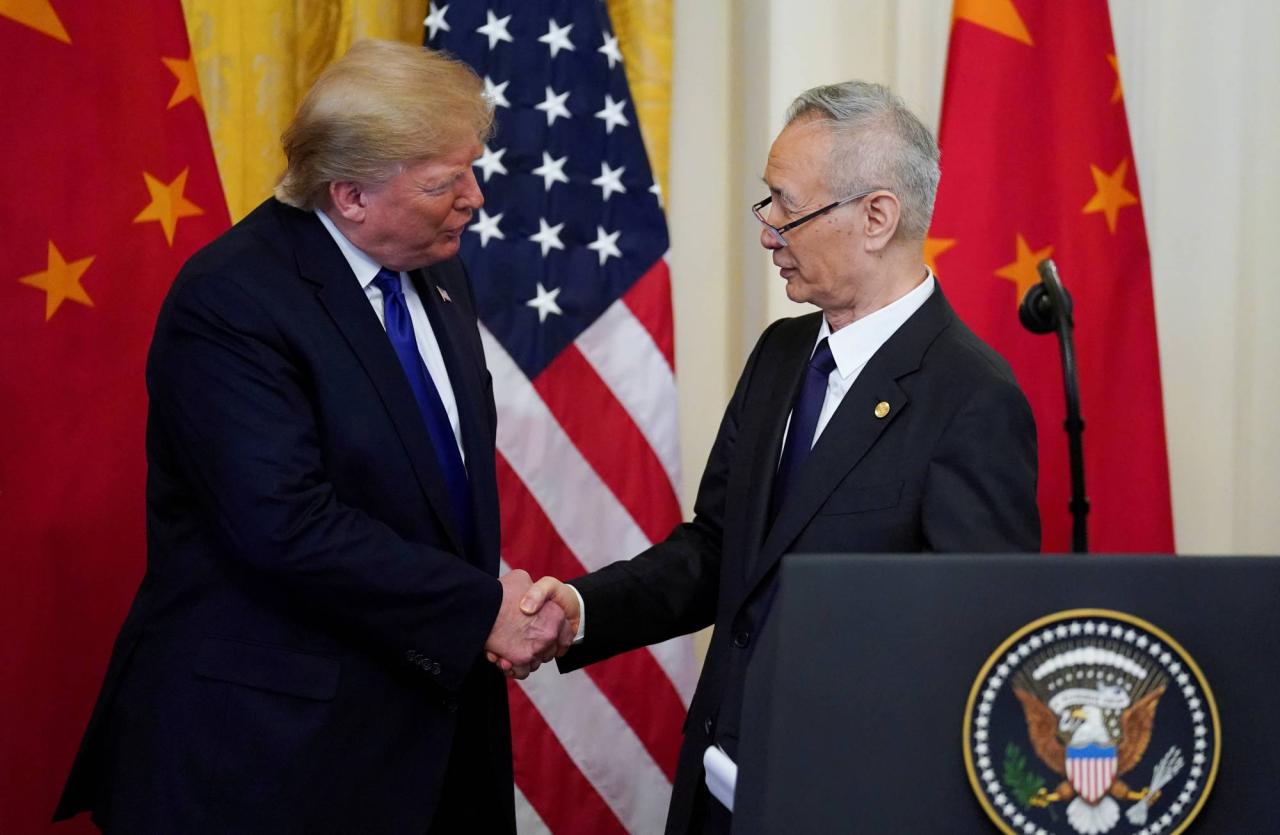
The intricate dance of US-China trade relations has profoundly impacted various sectors of the American economy. From manufacturing plants to agricultural fields, the shifting landscape of global trade has created both challenges and opportunities for US businesses. This section will delve into the specific effects on key industries, examining the interplay between trade policies, employment, investment, and the availability of goods.
Manufacturing
US manufacturing has faced significant headwinds due to the shift in global supply chains and the rise of Chinese competition. Chinese companies often leverage lower labor costs and government subsidies to offer competitive pricing, making it difficult for American manufacturers to compete on price alone. This has led to job losses in certain sectors, particularly those with labor-intensive production processes.
- Job Displacement: The relocation of manufacturing facilities to China has resulted in substantial job losses in sectors like textiles, electronics, and consumer goods. For example, the decline of American-made appliances is partly attributable to the shift in production to China.
- Investment Challenges: American manufacturers often face challenges in attracting investment due to the perceived risk associated with competing against Chinese companies with lower operational costs. This lack of investment hinders the growth and modernization of the American manufacturing sector.
- Technological Advancement: While China’s manufacturing prowess is undeniable, it also presents a competitive opportunity for US manufacturers to focus on high-value-added goods and technological innovation. American firms specializing in advanced technologies, like aerospace or medical equipment, can capitalize on this trade dynamic.
Agriculture
The agricultural sector has experienced complex effects from trade policies with China. While US farmers have benefited from access to the Chinese market in some periods, tariffs and trade disputes have also created substantial economic hardship. The imposition of tariffs on agricultural exports, such as soybeans and pork, has led to significant price fluctuations and financial strain on American farmers.
- Price Volatility: Tariffs and trade disputes have caused unpredictable price fluctuations for agricultural products. This volatility makes it difficult for farmers to plan their operations and secure stable income.
- Market Access: The reduction in access to the Chinese market has impacted the export revenue for agricultural products. Farmers reliant on Chinese exports have seen their incomes decline, and the shift in market demand has led to challenges in finding alternative markets.
- Diversification Efforts: US agricultural producers have been compelled to diversify their export markets to mitigate the impact of trade disputes. This has involved establishing relationships with other countries, potentially increasing global agricultural trade.
Impact on Prices and Availability
Trade policies can significantly affect the price and availability of goods in the US. When tariffs are imposed on imported goods, prices for consumers often rise as the cost of the imported product increases. This impact is particularly pronounced when the imported good is a major component of a final product or has few readily available domestic alternatives.
The availability of certain goods can also be impacted, as import restrictions may limit the supply of products, potentially leading to shortages or higher prices.
Role of Domestic Policy
Domestic policies play a crucial role in mitigating the impact of trade relations on US industries. Government subsidies, tax incentives, and support for research and development can bolster domestic industries’ competitiveness. Investment in infrastructure, workforce training programs, and technological advancements can strengthen the resilience of US industries in the face of international trade challenges.
Summary Table
| Industry | Impact of US-China Trade Relations | Challenges Faced | Impact on Prices/Availability |
|---|---|---|---|
| Manufacturing | Job losses in some sectors, difficulty competing on price, investment challenges. | Lower labor costs, government subsidies, and competitive pricing from Chinese companies. | Potentially higher prices for some goods, limited availability of some products. |
| Agriculture | Price volatility, reduced market access, increased need for diversification. | Tariffs, trade disputes, and fluctuating market demand in China. | Potential price increases, reduced availability of certain agricultural imports. |
Last Word
In conclusion, the Trump administration’s approach to trade with China presented a series of complex challenges and opportunities. The trade war’s effects extended beyond the immediate economic sphere, impacting global supply chains, international trade organizations, and even specific industries. The complexities of the relationship, coupled with potential alternative strategies, underscore the need for careful consideration of future trade relations.
The future of the US-China economic relationship remains a topic of ongoing discussion and debate, with long-term consequences for both countries and the global economy.