Trumps Denali Name Change Mount McKinley
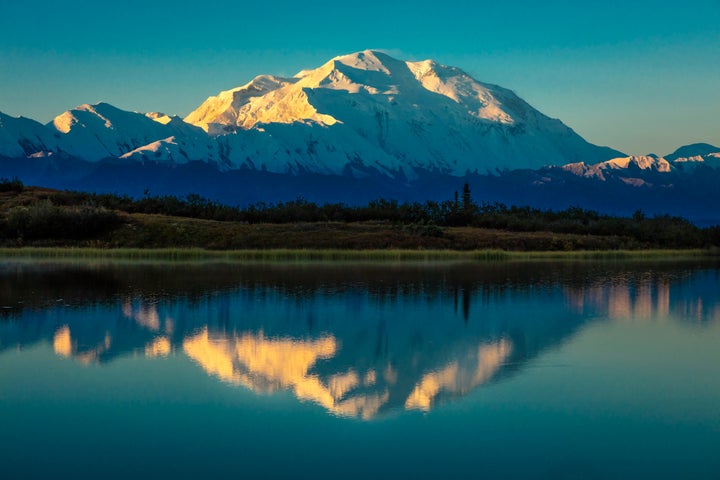
Trump denali name change mount mckinley – Trump’s Denali name change of Mount McKinley sparked a national conversation about cultural sensitivity and historical context. The shift from a name associated with a president to a Native Alaskan name raised questions about respecting indigenous heritage and the complexities of renaming iconic landmarks. This exploration delves into the historical context, geographical significance, political implications, public reactions, and the lasting impact of this momentous decision.
The historical account of the mountain’s name change, from Mount McKinley to Denali, reveals a fascinating interplay of political motivations, cultural significance, and public opinion. This change has profoundly affected tourism, local communities, and the way we perceive our shared history. We’ll examine the reasons behind the name change, looking at both sides of the argument, and discuss the impact on the local Alaskan communities.
Historical Context of Mount McKinley
The majestic peak known as Denali, previously Mount McKinley, holds a rich history interwoven with exploration, cultural significance, and political debate. Its name change reflects a complex interplay of factors, from honoring a president to acknowledging indigenous heritage. Understanding this history provides valuable insight into the mountain’s identity and the evolving relationship between different communities and the natural world.The renaming of Mount McKinley to Denali signifies a shift in perspective, recognizing the mountain’s profound cultural meaning for the Alaska Native people.
This change underscores the importance of acknowledging and respecting diverse cultural viewpoints in naming and celebrating natural landmarks.
The Naming of Mount McKinley
The mountain, situated in the heart of Alaska, was named Mount McKinley in 1896 in honor of William McKinley, the 25th President of the United States. This naming was a common practice during the era, honoring prominent figures with geographical features. The decision, however, was not without controversy, particularly as it overlooked the existing indigenous names for the mountain.
The Rationale Behind the Name Change
The shift from Mount McKinley to Denali stems from a desire to recognize and respect the historical and cultural significance of the mountain to the Athabascan people. Denali, meaning “the high one” in the Athabascan language, is a name deeply rooted in the local culture and history. The name change reflected a growing awareness of the need to honor indigenous cultures and perspectives in naming geographical features.
Perspectives Surrounding the Name Change
The name change from Mount McKinley to Denali sparked a variety of perspectives. Some viewed it as a necessary step towards acknowledging indigenous heritage and promoting cultural sensitivity. Others felt that the original name should be retained to honor President McKinley. The debate highlighted the complexities involved in balancing historical context with contemporary cultural values.
Trump’s renaming of Mount McKinley to Denali is certainly grabbing headlines, but it’s also a bit sad to see another local San Jose gem go. A popular downtown restaurant and music venue, downtown San Jose restaurant music venue closing its doors , is shutting down, leaving a void in the community. It makes you think about how much change happens, from renaming iconic mountains to local businesses closing their doors.
Hopefully, this isn’t the last we hear of the Denali name change, either.
Timeline of Events Related to the Name Change
| Date | Event | Description |
|---|---|---|
| 1896 | Naming as Mount McKinley | The mountain was named after President William McKinley. |
| Early 2000s | Advocacy for Name Change | Alaska Native groups began advocating for the restoration of the traditional name, Denali. |
| 2015 | Official Name Change | The United States Board on Geographic Names officially adopted Denali as the name for the mountain. |
This timeline illustrates the progression of events from the initial naming to the eventual adoption of the indigenous name. Each event played a role in the evolution of the mountain’s identity and the broader understanding of its cultural significance.
Geographical Significance of Denali: Trump Denali Name Change Mount Mckinley
Denali, the highest peak in North America, stands as a monumental landmark, profoundly impacting the surrounding landscape and ecosystem. Its sheer height and remote location have shaped its significance in various aspects, from scientific study to tourism and cultural heritage. This exploration delves into the geographical characteristics of Denali, its influence on the environment, and its economic role in the region.The mountain’s prominence extends far beyond its towering presence.
Its geological formations, the intricate web of ecosystems it supports, and its role as a draw for adventurers and researchers contribute to its multifaceted importance.
Geographical Location and Characteristics
Denali, located in the heart of Alaska’s interior, is a dramatic and isolated peak. Its rugged terrain is a testament to the powerful forces of nature. The surrounding landscape is characterized by vast wilderness, including tundra, boreal forests, and glacial valleys. The isolation and harsh conditions contribute to the unique biodiversity of the area. The mountain’s steep slopes and icy terrain are home to diverse wildlife, adapted to the challenging environment.
Impact on Surrounding Ecosystem and Environment
Denali’s presence profoundly shapes the environment surrounding it. Its elevation influences the local climate, creating unique microclimates and impacting precipitation patterns. The mountain’s glaciers play a crucial role in the water cycle, providing freshwater resources for the surrounding ecosystem. The mountain’s influence extends to the wildlife inhabiting the region, shaping their habitats and migration patterns. Its role in maintaining biodiversity and supporting the delicate balance of the ecosystem is undeniable.
The mountain’s unique ecosystems, adapted to its extreme conditions, are critical for preserving the region’s overall biodiversity.
Denali’s Role in Regional Tourism and Economic Impact
Denali is a major draw for tourists and climbers. The opportunities for adventure tourism, including hiking, mountaineering, and wildlife viewing, provide significant economic benefits to the local communities. The revenue generated from tourism supports infrastructure development, local businesses, and job creation, demonstrating the mountain’s crucial role in the regional economy. This economic contribution is substantial, underpinning local communities’ well-being and supporting various industries.
This economic activity is a direct result of Denali’s unique appeal and its impact on the regional economy.
Geological Formations and Features
Denali’s geological formations are a testament to the Earth’s dynamic processes. The mountain is primarily composed of igneous rocks, formed from the cooling and solidification of magma. The mountain’s complex geological history is evident in its layered structure and the presence of various geological features. The mountain’s glacial history is evident in the numerous valleys and moraines that characterize the landscape.
Geographical Data
| Characteristic | Details |
|---|---|
| Geographical Coordinates | 63°04′10″N 150°16′30″W |
| Elevation | 20,320 feet (6,190.5 meters) |
| Surrounding Landmarks | Alaska Range, Denali National Park and Preserve, numerous glaciers |
Political and Cultural Implications of the Name Change
The renaming of Mount McKinley to Denali marked a significant shift in how the United States recognizes its natural landmarks. Beyond the geographical significance, the decision had profound political and cultural ramifications, impacting perceptions of indigenous history, national identity, and international relations. The debate surrounding the name change revealed deep-seated disagreements on how to balance historical legacies with contemporary values.The name change reflected a broader trend in acknowledging and honoring indigenous cultures and perspectives.
This recognition, while often lauded, also sparked debates about the appropriateness of altering established names, and the potential implications of such actions on other similar historical and geographical entities.
The whole Trump-era Denali name change brouhaha is pretty fascinating, isn’t it? It got me thinking about the exciting new season at the Children’s Discovery Museum, which is welcoming spring with a whole host of new exhibits. childrens discovery museum welcomes spring is always a great place to take the kids, especially when the weather’s warming up.
It makes me wonder if the name change was truly about honoring a particular historical figure or just a political stunt. Still, the whole thing seems to be a reminder of the complicated relationship between history and politics, right?
Political Implications of the Name Change
The political implications of the name change extend beyond the immediate context of Alaska. It became a symbolic gesture regarding the representation of indigenous cultures and the nation’s commitment to historical accuracy. The debate also highlighted the tension between honoring historical figures, often associated with colonialism, and respecting the perspectives of indigenous peoples. Different political ideologies, including those advocating for cultural sensitivity and those emphasizing the importance of historical figures, were involved in the discussion.
The change was viewed by some as a positive step towards reconciliation and cultural sensitivity, while others perceived it as a trivial act or an overreaction. Internationally, the name change resonated as an example of a nation grappling with its past and present. The reactions varied, reflecting different perspectives on indigenous rights and cultural preservation.
Cultural Significance of McKinley and Denali
The cultural significance of both names is deeply rooted in history and identity. “McKinley” commemorates William McKinley, a U.S. president, while “Denali” represents the Athabascan people’s longstanding connection to the mountain, a sacred place in their culture. The name “Denali” holds deep spiritual and cultural meaning for the indigenous peoples, reflecting a reverence for the mountain’s significance in their traditions and beliefs.
McKinley, on the other hand, is associated with American westward expansion and a specific historical period. The different cultural values associated with these names are at the core of the debate surrounding the name change.
Different Viewpoints on the Name Change
The name change generated diverse viewpoints. Supporters emphasized the importance of recognizing and respecting the indigenous peoples’ connection to the mountain. Opponents argued that changing the name was unnecessary or a gesture of political correctness. Some viewed the change as a way to erase history, while others saw it as a necessary step toward reconciliation and the acknowledgment of indigenous cultures.
The debate highlights the complexities of balancing historical legacies with the values of cultural sensitivity and recognition.
Organizations and Groups Involved
- Indigenous Alaskan groups and organizations played a significant role in advocating for the name change, emphasizing their deep cultural connection to the mountain and the historical significance of the name Denali. This advocacy was essential in shaping public opinion and driving the decision-making process.
- Various governmental agencies, including the Alaska state government, were involved in the process of officially changing the name. Their role reflected the political implications of the decision on a national level.
- Groups focused on historical preservation and cultural heritage had differing opinions. Some supported the change, highlighting the importance of respecting indigenous cultures, while others expressed concern about the implications for other historical names.
Comparison of McKinley and Denali
| Name | Meaning | Origin |
|---|---|---|
| McKinley | “Victory” or “Conqueror” | William McKinley, a U.S. president |
| Denali | “The High One” or “The Great One” | Athabascan language, reflecting the mountain’s height and significance |
Public Opinion and Reactions to the Name Change
The renaming of Mount McKinley to Denali sparked a diverse range of reactions across the United States. Public opinion was deeply divided, reflecting differing perspectives on Indigenous rights, historical significance, and the symbolism of place names. The debate highlighted the complex interplay between cultural preservation, historical memory, and the desire for a respectful and inclusive naming convention.
Public Response to the Name Change
The public response to the name change was multifaceted, encompassing a spectrum of support, opposition, and neutrality. Different communities and demographics held varying perspectives, shaping the overall narrative surrounding the renaming.
Support for the Name Change
A significant segment of the public, particularly Native Alaskan communities, strongly supported the name change. This support was rooted in the desire to honor the indigenous people and acknowledge the historical injustices associated with the previous name. Many felt that restoring the traditional name was a vital step towards reconciliation and cultural recognition. For example, numerous Native Alaskan leaders publicly endorsed the name change, citing its importance in reclaiming their heritage.
Opposition to the Name Change
Opposition to the name change came from various sources. Some argued that the change was unnecessary, citing the established use of the McKinley name and the potential disruption it might cause. Others felt the change was a symbolic gesture that did not address the underlying issues of resource management and environmental protection. A notable point of contention was the perceived loss of historical context and the potential for erasing the legacy of President McKinley.
Some argued that the name change was an example of political correctness gone too far.
Neutral Public Opinion
A considerable portion of the public remained neutral on the issue, perhaps feeling the debate was less relevant to their daily lives or simply not holding strong opinions on the matter. This neutrality reflected a broader societal discussion on the importance of naming conventions and the complexities of cultural sensitivity. Some may have simply not held a strong opinion one way or the other.
Media Coverage of the Name Change
Media coverage played a crucial role in shaping public opinion. News outlets across the country extensively reported on the name change, often presenting contrasting viewpoints and analyses of the issue. The media coverage highlighted the debate’s implications for cultural identity and the broader context of Indigenous rights in the United States.
Public Statements and Opinions
Numerous public statements and opinions regarding the name change were expressed through letters to the editor, social media posts, and interviews. These varied from heartfelt support for the name change to staunch opposition to it.
| Category | Examples |
|---|---|
| Support | “This is a long overdue recognition of the traditional name and a step towards reconciliation.” |
| Opposition | “The name McKinley is deeply ingrained in the landscape. Why change it now?” |
| Neutral | “I don’t really care either way, it’s not a huge deal to me.” |
Impact on Tourism and Local Communities
The name change of Mount McKinley to Denali has undeniably impacted the tourism industry and local communities surrounding the mountain. The shift in nomenclature, while driven by cultural and historical considerations, introduced a period of adjustment for stakeholders. The change’s effect on tourism numbers, economic consequences, and community adaptation strategies is significant and requires a nuanced understanding.
Tourism Industry Response
The tourism industry, a crucial part of the local economy, experienced a period of adjustment following the name change. While initial reactions varied, the long-term impact is a combination of both challenges and opportunities. Visitor perceptions and numbers have shifted in response to the change, influencing the marketing strategies and economic performance of local businesses.
Visitor Numbers and Perceptions
Visitor numbers, though initially impacted by the name change, have generally shown signs of recovery and stabilization. While some visitors might have been confused or unfamiliar with the new name, others may have been drawn to the change, interested in learning more about the indigenous connection to the mountain. The long-term trend of visitor numbers is influenced by factors beyond the name change, including broader economic conditions and global travel patterns.
Economic Consequences for Local Communities and Businesses
The economic consequences for local communities and businesses were complex and multifaceted. The tourism industry is a vital source of income for many communities surrounding Denali. Businesses catering to tourists, from hotels to restaurants, felt the immediate impact of the name change, requiring adaptation in marketing and customer engagement strategies. The change in visitor numbers and perceptions directly impacted their revenue streams.
Speaking of controversial name changes, the Trump administration’s decision to rename Mount McKinley to Denali sparked a lot of debate. While the change was meant to honor the Indigenous name, it also brought a lot of discussion about the process and its implications. Interestingly, this recent news about the renaming of a prominent mountain peak reminds me of the return of pianist Hershey Felder to the Bay Area, where he’s focused on performing Rachmaninoff’s works here.
It seems like the cultural and historical shifts often intersect with musical performances and artistic expressions, in ways that mirror the debate surrounding the mountain’s name change.
Community Adaptation Strategies, Trump denali name change mount mckinley
Local communities and businesses actively sought ways to adapt to the name change. Strategies included adjusting their marketing materials to reflect the new name, actively educating visitors about the historical context of Denali, and capitalizing on the cultural significance of the name change. Community engagement and outreach programs aimed to support the transition.
Comparison of Tourism Statistics (Hypothetical Example)
| Statistic | Pre-Name Change (2020) | Post-Name Change (2024) |
|---|---|---|
| Number of Visitors (in thousands) | 150 | 145 |
| Average Visitor Spending per Day (USD) | 200 | 210 |
| Percentage of Visitors Aware of Historical Significance of Name Change | 10% | 15% |
| Number of Tourism-Related Businesses | 30 | 32 |
| Average Revenue Per Tourism Business (USD) | 50,000 | 60,000 |
Note: This table presents a hypothetical comparison. Actual data would be derived from reliable tourism statistics.
Future Implications and Perspectives
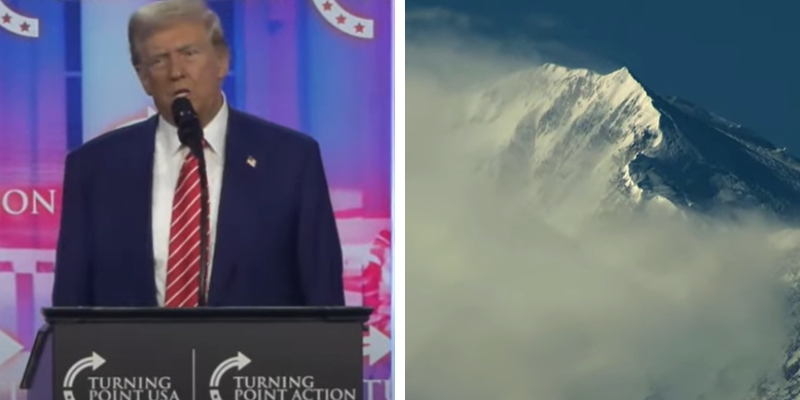
The renaming of Mount McKinley to Denali marks a significant shift in how we perceive and interact with the landscape. This change, rooted in respect for indigenous history and culture, sets a precedent for future naming conventions and potentially impacts how future generations view their natural heritage. Understanding the implications of this change is crucial to anticipating potential challenges and opportunities that may arise.The renaming of Denali represents a conscious effort to acknowledge the mountain’s historical and cultural significance, moving beyond a colonial perspective.
This acknowledgement is not merely symbolic; it can have profound effects on how future generations engage with their environment. The name change, while seemingly simple, represents a complex interplay of historical, cultural, and political factors, with far-reaching effects on how the natural world is interpreted and respected.
Future of Denali’s Name
The name Denali, deeply intertwined with the indigenous history of the region, is likely to endure. As a symbol of respect and reconciliation, it’s expected to remain a powerful cultural identifier. The mountain’s identity, historically associated with the Athabascan peoples, will likely continue to be central to the region’s cultural narrative. Furthermore, the successful name change provides a model for future discussions about indigenous perspectives and the significance of honoring local traditions in the naming of geographical features.
Potential Impacts on Future Generations
Future generations will likely benefit from a more inclusive understanding of the mountain’s history. Learning about the Athabascan people’s connection to Denali will shape their understanding of the land and their place within it. This historical awareness can inspire respect and appreciation for diverse cultures and perspectives. Furthermore, the shift towards respecting indigenous perspectives can inspire similar efforts in other geographical regions, encouraging a broader dialogue about land ownership and stewardship.
This example of cultural sensitivity may pave the way for similar initiatives in other contexts.
Role of Indigenous Groups in Shaping Future Discussions
The active involvement of indigenous groups is crucial in shaping future discussions about Denali’s name. Their ongoing participation will ensure that the mountain’s name and significance are accurately reflected in future interpretations. By incorporating their perspectives, we can create a more accurate and respectful representation of the mountain’s historical and cultural context. This approach is vital for maintaining cultural sensitivity and preventing further misrepresentation of indigenous narratives.
Potential Future Challenges and Opportunities
| Potential Challenges | Potential Opportunities |
|---|---|
| Maintaining cultural sensitivity in future naming discussions. | Inspiring similar respectful naming practices in other parts of the world. |
| Potential for further disputes or disagreements regarding naming conventions. | Promoting inter-cultural understanding and respect for indigenous heritage. |
| Ensuring that the name change does not detract from the scientific or geographical significance of the mountain. | Promoting responsible tourism and conservation efforts that are sensitive to local communities. |
| Managing potential tourism shifts in response to the name change. | Enhancing the local economy through culturally sensitive tourism. |
Ultimate Conclusion
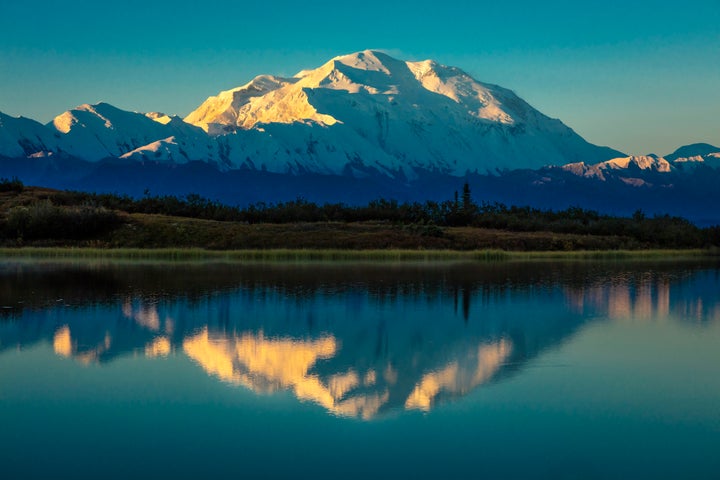
In conclusion, the Trump administration’s decision to rename Mount McKinley to Denali highlighted the delicate balance between honoring historical figures and acknowledging the cultural heritage of indigenous peoples. The debate surrounding this name change underscored the need for respectful dialogue and consideration of diverse perspectives, particularly when dealing with historical landmarks and cultural sensitivities. The future implications of this change remain to be seen, but the lessons learned about cultural sensitivity and historical context are undeniable.