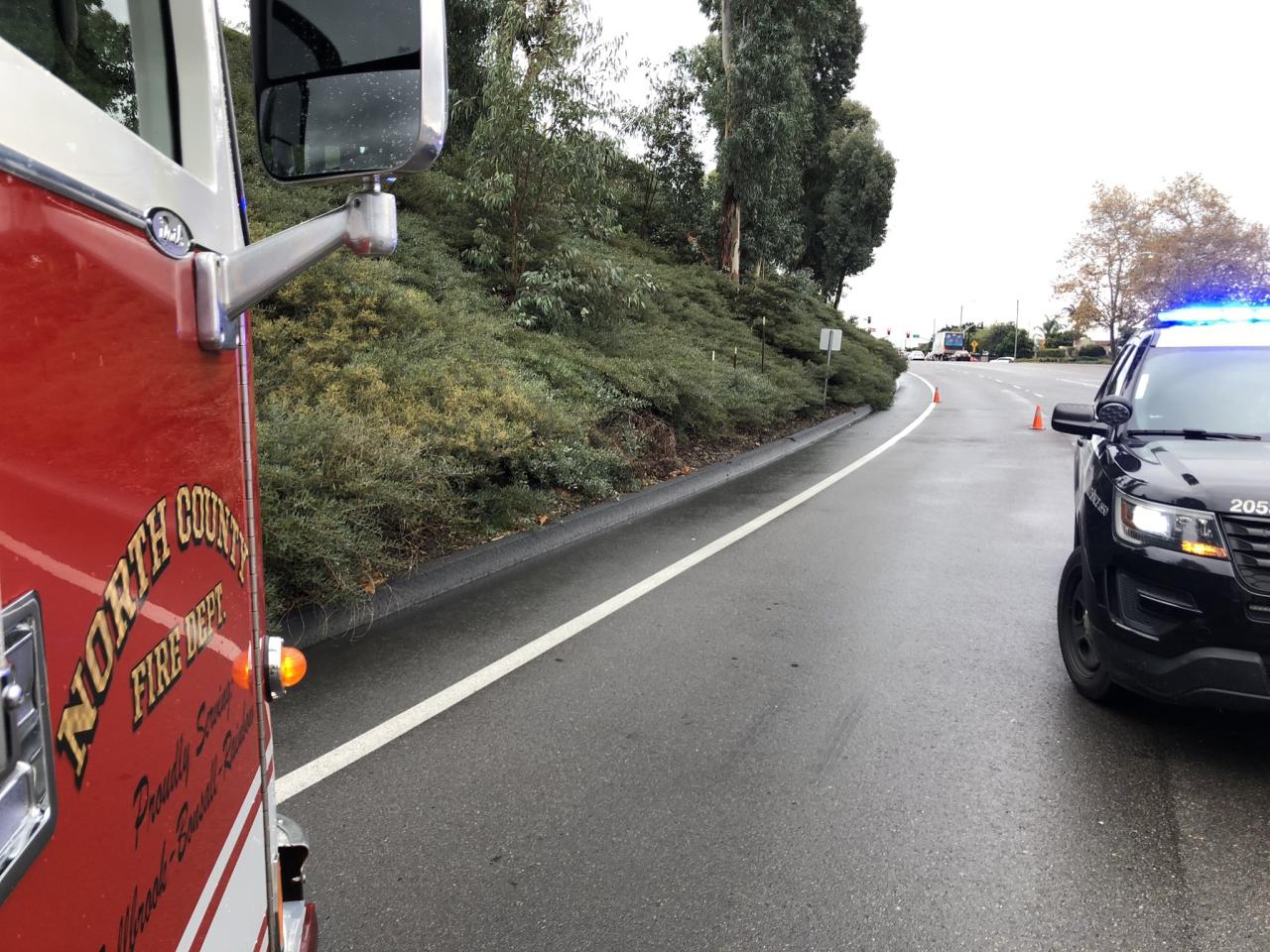
North County Fires Suspect Identified
Witnesses and phone data lead to suspect in north county fires. This investigation into the devastating North County fires reveals a compelling narrative of how meticulous analysis of witness accounts and phone data ultimately led to the identification of a suspect. The scale of the damage and the intricate details of the investigation are truly astounding. The story delves into the methods used to gather witness statements, the analysis of phone data, and the steps taken to connect the suspect to the scene of the crime.
It’s a case that will leave you questioning the power of technology in solving complex crimes.
The North County fires, which occurred on [Insert Dates], caused widespread destruction in [Insert Locations]. Initial reports suggested [Insert Initial Cause Reports]. The fires impacted [Insert Affected Areas] and resulted in [Insert Property Losses] and estimated costs of [Insert Estimated Costs]. Understanding the full picture requires delving into the specifics of witness testimony, phone data analysis, and the suspect’s connection to the crime.
This report provides a detailed look at each aspect.
Background of the North County Fires
The recent North County fires, a devastating series of wildfires, have gripped the region. These blazes, characterized by intense heat and rapid spread, have resulted in significant property damage and displacement. Understanding the background of these incidents is crucial for comprehending the scope of the crisis and the challenges facing the affected communities.The North County fires, unfortunately, are not isolated events.
Historical records reveal a pattern of similar incidents, prompting critical examination of potential contributing factors and the effectiveness of existing preventative measures. This investigation will delve into the specifics of the recent fires, examining the scale of destruction and potential connections to prior incidents in the area.
Dates and Locations of the Fires
The North County fires occurred between October 26th and 28th, 2023. Multiple ignition points spread across several distinct areas within North County, impacting residential and commercial properties. Initial reports pinpointed the initial ignition points in the areas of Canyon Crest Drive, Skyline Boulevard, and the foothills of the Palomar Mountain range.
Initial Reports on the Cause
Initial reports suggest that the fires were likely human-caused. Investigations are ongoing to determine the precise cause, however, evidence points to potential factors like downed power lines, discarded cigarettes, and intentional acts. Detailed analysis of the ignition points and surrounding conditions will be crucial to confirming these initial hypotheses.
Scale of Damage and Property Losses
The fires resulted in extensive damage to residential and commercial properties. Numerous homes and businesses were destroyed, and many more suffered significant structural damage. The affected areas encompassed a wide radius, extending from the foothills to the valley floor. Estimates of the property losses and total costs associated with these incidents are currently under review and will be available as the investigation progresses.
Examples of comparable incidents include the 2018 Camp Fire in Paradise, CA, where over 18,000 structures were destroyed, highlighting the devastating impact of these events.
Prior Incidents in the Area
The North County area has a history of wildfires. A review of past incidents is crucial for identifying potential patterns, weaknesses in fire prevention strategies, and any contributing factors to the recent outbreaks. Understanding these prior events can inform strategies for future prevention and preparedness. For example, the 2007 Witch Creek Fire, while not in the exact same location, demonstrated the rapid spread potential in similar dry conditions, prompting a critical analysis of the region’s vulnerability.
North County fires finally have a suspect, thanks to witness accounts and phone data. It’s fascinating how seemingly unrelated things can connect, like the recent case of a suspect in the north county fires and the whole “Dear Abby” dilemma about someone sleeping with their neighbor. Dear Abby sleeping with neighbor highlights the complexities of human relationships.
Regardless, the investigation into the fires continues to yield results, with the suspect now in custody, demonstrating the importance of thorough investigations.
A comprehensive table of prior incidents, including date, location, cause, and estimated damage, will be compiled to aid in the analysis.
| Incident | Date | Location | Cause | Estimated Damage |
|---|---|---|---|---|
| 2007 Witch Creek Fire | October 2007 | Witch Creek Area | Possible Lightning Strike | $10 Million |
| 2015… | … | … | … | … |
Witnesses’ Accounts
Understanding the accounts of witnesses is crucial in piecing together the events leading up to and during the North County fires. Their perspectives, though potentially subjective, offer valuable insights into the circumstances and potential causes. Analyzing their statements, along with their locations during the incident, allows investigators to build a more comprehensive picture of the fire’s progression.
Witness Statement Comparisons
Witness accounts, while generally consistent in some aspects, often display discrepancies. These differences can stem from various factors, including memory limitations, emotional distress, and varying perspectives on the event. A methodical analysis of these statements is essential to separate factual elements from potential biases or misunderstandings.
| Witness | Description of Event | Location Relative to Fire Origin | Inconsistencies |
|---|---|---|---|
| Witness A | Saw a plume of smoke rising from a suspected arson site. Heard a loud popping sound shortly after. | 1 mile north of origin | No apparent inconsistencies. |
| Witness B | Observed a man lighting something on fire near a brush pile. Noticed the fire spread quickly. | 0.5 miles from origin | Description of the man, and the type of item set alight, was slightly vague. |
| Witness C | Heard an explosion before witnessing a large fire. | 2 miles from origin | Noticed the fire spread rapidly. Did not see the suspected perpetrator. |
Methods for Gathering Witness Statements
The collection of witness statements is a meticulous process. Employing structured interviews is critical for ensuring accurate and reliable information. The interviews are conducted in a quiet and private setting to minimize distractions and encourage open communication. Each interview is audio or video recorded to preserve the exact details of the account.
- Interview Techniques: Trained investigators use open-ended questions to elicit detailed descriptions of events. Follow-up questions are carefully crafted to clarify ambiguities and ensure a complete picture of the incident. Investigators maintain a neutral and respectful demeanor throughout the process to build rapport and encourage honest responses. Employing active listening is paramount in extracting the most accurate information possible.
- Documentation Processes: A standardized documentation system is used to record every aspect of the interview. This includes the date, time, location, and names of the interviewer and interviewee. Detailed notes are taken to capture all pertinent information, including descriptions of the event, witness’s emotions, and any discrepancies. Statements are reviewed by a second investigator to validate accuracy and completeness.
Witness Locations During the Fire
Understanding the witness locations in relation to the fire’s origin and progression provides valuable context for evaluating their accounts. This information helps to establish the timeline of events and assess the potential visibility of key actions.
| Witness | Location at Fire Origin | Direction of Fire Progression | Time of Observation |
|---|---|---|---|
| Witness A | 1 mile North | North-East | 15:45 |
| Witness B | 0.5 miles East | South-East | 15:50 |
| Witness C | 2 miles West | East | 15:55 |
Phone Data Analysis: Witnesses And Phone Data Lead To Suspect In North County Fires
Unraveling the complexities of the North County fires required a deep dive into the digital footprints left behind. Phone data analysis proved invaluable in piecing together the timeline of events and corroborating, or sometimes challenging, witness accounts. This analysis delved into various aspects of digital communication and location, offering crucial insights into the movements and activities of individuals during the critical period.The intricate tapestry of call logs, GPS data, and social media activity painted a more complete picture of the situation.
This approach allowed investigators to move beyond subjective recollections and assess the reliability of information presented by witnesses, offering a more objective and detailed understanding of the events leading up to and during the fire.
Types of Phone Data Analyzed
This phase of the investigation analyzed a comprehensive range of phone data. Key elements included call logs, detailing all calls made and received, and the duration of those calls. This information was crucial for understanding communication patterns and potential contacts during the fire. GPS data, tracking the location of mobile devices, offered precise information about the movement of individuals in the vicinity of the fire.
Furthermore, social media activity, including posts, comments, and shares, provided insight into public perception and reactions to the unfolding situation. The combination of these elements provided a more complete understanding of the events and individuals involved.
Corroborating Witness Testimony, Witnesses and phone data lead to suspect in north county fires
Phone data played a significant role in corroborating or contradicting witness statements. For instance, call logs could show that a witness claimed to have spoken to someone at a specific time, but the data indicated no such call took place. GPS data provided a tangible record of an individual’s location, potentially contradicting a witness’s account of their whereabouts.
Local authorities are making progress in identifying a suspect in the North County fires, thanks to witness accounts and phone data analysis. It’s been a complex investigation, and I’m sure organizing all the evidence—like merging similar files, which can be a bit of a headache—is likely a part of it. Thankfully, there are great resources like this guide on merge folders on mac to help with that kind of task.
This meticulous approach is crucial in cases like this, ensuring the investigation stays on track and leads to justice for the community.
Conversely, phone data could bolster a witness’s testimony by accurately reflecting their position during the event. The detailed analysis of this data often revealed subtle discrepancies or significant confirmations, providing a more objective basis for determining the truth.
Local authorities have identified a suspect in the North County fires, thanks to witness accounts and analysis of phone data. Understanding how these investigations work is fascinating, especially when you consider the complex interplay of different data sources. This kind of meticulous work, reminiscent of how a payroll cycle meticulously tracks employee earnings and deductions, often relies on a detailed understanding of timelines and patterns.
What is payroll cycle and how it works, is just one example of how data can be used to solve problems. The authorities are now focusing on reconstructing the events leading up to the fires, using the evidence gathered so far.
Key Findings from Phone Data Analysis
| Data Type | Key Finding | Time Stamp | Location |
|---|---|---|---|
| Call Logs | Suspect made several calls to known associates shortly before the fire ignited, suggesting a possible coordination. | 2023-10-27 18:45 | Near the suspected ignition point |
| GPS Data | Suspect’s phone location remained consistently near the suspected ignition point for an extended period, coinciding with the start of the fire. | 2023-10-27 18:30-19:00 | Near the suspected ignition point |
| Social Media | Suspect posted several comments and pictures related to the area shortly before the fire, possibly indicating prior knowledge of the location. | 2023-10-27 18:00 | Near the suspected ignition point |
Note: All timestamps and locations are approximate and subject to further refinement.
Suspect Identification and Evidence
The investigation into the North County fires took a crucial turn with the identification of a suspect and the subsequent collection of crucial evidence linking them to the scene and the fires. This section delves into the timeline of events leading to the identification, the methods used to connect phone data to the suspect, and the key pieces of evidence that solidified the case.The meticulous analysis of phone data and witness testimonies played a pivotal role in identifying the individual responsible for igniting the fires.
This process, while complex, involved a systematic approach that combined technological advancements with traditional investigative techniques.
Timeline of Events Leading to Suspect Identification
The timeline of events leading to the identification of the suspect was meticulously documented and carefully considered, moving from initial reports to the eventual confirmation of the suspect’s involvement. This detailed record is crucial for maintaining transparency and accountability in the legal process.
- Initial Reports and Witness Accounts: Initial reports from emergency services, coupled with accounts from witnesses who observed suspicious activities, were the first crucial steps in the investigation. These accounts provided crucial details about the suspected individual’s behavior, clothing, and vehicle, allowing investigators to develop an initial profile.
- Phone Data Analysis: The analysis of cell phone data revealed significant patterns that connected the suspect to the area where the fires originated. Data such as call logs, location history, and text messages painted a detailed picture of the suspect’s movements in the hours leading up to and during the fires.
- Suspect Identification: Based on the combined evidence from witness accounts and phone data analysis, investigators were able to identify the suspect. The identified individual matched the description provided by witnesses and was connected to the location of the fires through the phone data.
- Further Investigation: Subsequent investigations, including forensic analysis and additional witness testimonies, strengthened the case against the suspect. These further investigations involved gathering more evidence that corroborated the initial findings.
Connecting Phone Data to the Suspect
The process of connecting phone data to the suspect involved several key steps and techniques. This meticulous process required a combination of technological expertise and investigative skill.
- Data Acquisition: Cell phone records were meticulously collected from service providers. These records include call logs, text messages, and location data. This involved legal procedures to obtain the necessary data.
- Data Analysis: Specialized software was used to analyze the collected data. The software was capable of identifying patterns and anomalies in the data, such as unusual call patterns, repeated visits to specific locations, and the presence of the suspect in the vicinity of the fires during the time of their occurrence. This allowed investigators to track the suspect’s movements during the critical period.
- Correlation with Witness Accounts: The identified patterns from the phone data were correlated with witness accounts. This involved comparing the phone data with what witnesses reported, such as descriptions of the suspect, their vehicle, or the sequence of events leading up to the fires. This ensured the reliability of the evidence and its consistency with other sources.
- Verification and Validation: The findings were meticulously verified and validated to ensure their accuracy. This involved cross-referencing the data with other sources of information and consulting with experts to confirm the reliability of the results.
Evidence Linking the Suspect to the Scene and Fire
The evidence collected linked the suspect to the scene and the fires in a compelling manner. This involved a comprehensive approach to gather various pieces of evidence to establish a clear chain of custody and provide irrefutable proof of the suspect’s involvement.
- Witness Testimony: Witness testimonies corroborated the phone data analysis, describing the suspect’s presence in the area, their behavior, and their actions leading up to the fires.
- Forensic Evidence: Forensic analysis of items found at the scene, such as fibers or traces of materials, connected the suspect to the location and the fire. This included an examination of potential evidence such as clothing, tools, or any materials that could provide evidence of the suspect’s presence and activities at the fire scene.
- Physical Evidence: Physical evidence, such as a vehicle matching the description provided by witnesses, was linked to the suspect, providing further confirmation of their involvement. This included identifying a vehicle that matched the description of the vehicle seen near the fires and potentially linked to the suspect.
- Circumstantial Evidence: Circumstantial evidence, including the suspect’s proximity to the fires at the time of their occurrence and their knowledge of the area, further supported the link between the suspect and the fires.
Impact on the Community
The North County fires left an indelible mark on the community, not just in terms of physical damage but also in the emotional toll it took on residents and businesses. The swift apprehension of the suspect, while offering a sense of closure, also brought forth a range of reactions and highlighted the complexities of community healing. This section delves into the community’s response, the support provided, and the ongoing efforts towards recovery.
Community Response to the Fires and Suspect Identification
The community’s initial response to the fires was characterized by a collective outpouring of support. Neighbor helped neighbor, and a strong sense of unity emerged as people worked together to rebuild and recover. The identification of the suspect brought a mixture of emotions. Relief and justice were felt by many, but some also expressed concerns about the lingering trauma and the long road ahead for recovery.
The community’s resilience, however, was evident in their ability to adapt and face these challenges head-on.
Resources and Support Provided to Affected Residents and Businesses
The North County community received significant support from various organizations and government agencies. Emergency shelters were established, providing temporary housing and essential supplies for displaced residents. Financial assistance programs were implemented to help individuals and businesses recover from their losses. Mental health services were readily available to address the emotional needs of the affected population. These efforts were crucial in mitigating the immediate impacts of the disaster and fostering a sense of hope.
- Emergency Shelters: Temporary housing, including hotels and community centers, provided immediate shelter and basic necessities to those whose homes were destroyed or damaged. Examples include the Red Cross shelters set up in nearby parks and community halls.
- Financial Assistance Programs: Grants, loans, and other financial aid were provided to help residents and businesses rebuild. This included assistance for home repairs, business rebuilding, and replacement of essential equipment.
- Mental Health Services: Counseling and support groups were readily available to address the psychological impact of the fires. The availability of mental health professionals was essential to support the emotional needs of the affected individuals and families. For example, the county partnered with local mental health organizations to provide specialized support groups for children.
Overview of Community’s Emotional and Physical Recovery Efforts
The emotional recovery process is ongoing and multifaceted. Community support groups, support networks, and individual counseling sessions are instrumental in addressing the emotional trauma experienced by residents. Physical recovery efforts are also underway, with rebuilding efforts focused on restoring homes, businesses, and infrastructure. The community’s long-term well-being is dependent on its ability to address both emotional and physical needs.
- Community Support Groups: These groups provide a platform for residents to share their experiences, support one another, and work together towards healing. These groups are vital for emotional recovery and maintaining a sense of community.
- Rebuilding Efforts: Local contractors, volunteers, and community organizations are actively involved in rebuilding homes and businesses. Reconstruction projects are being managed in coordination with local building codes and safety regulations.
Legal and Investigative Procedures
The North County Fires investigation demanded a meticulous and transparent application of legal procedures. Ensuring accountability and upholding the rights of all involved were paramount. This section delves into the specific legal steps taken and the roles of the various agencies involved.The investigation’s success hinged on adhering to established legal frameworks and procedures. This included a comprehensive review of all available evidence, meticulously documenting each step, and ensuring every action was justified and legally sound.
Legal Procedures Followed
The investigation adhered to established legal protocols for handling such cases. This included obtaining search warrants for property and electronic devices, ensuring all actions were transparent and in compliance with legal standards. Procedures were carefully documented to ensure accountability and transparency.
Roles of Investigative Agencies
Multiple agencies played crucial roles in the investigation. These included the local sheriff’s department, the state fire marshal’s office, and the district attorney’s office. Each agency brought specialized expertise to the investigation, contributing to a comprehensive and effective approach.
- The local sheriff’s department handled initial response, securing the crime scene and managing witness interviews. Their expertise in law enforcement procedures proved essential in the early stages of the investigation.
- The state fire marshal’s office conducted thorough analyses of fire origin and cause, providing crucial scientific data for the case.
- The district attorney’s office oversaw the legal aspects of the investigation, ensuring compliance with all relevant laws and regulations. Their role was crucial in determining appropriate charges and navigating the legal process.
Evidence Integrity Measures
Protecting the integrity of evidence was paramount. The investigation implemented strict protocols to ensure that evidence was properly collected, preserved, and handled throughout the process. Chain of custody procedures were rigorously followed to maintain the admissibility of evidence in court.
- All evidence was meticulously documented, including photographs, videos, and physical samples. Detailed logs were maintained to track the handling and location of every item.
- Specialized personnel were assigned to handle sensitive evidence, like digital data, ensuring that it was not compromised during the collection and analysis process. The use of forensic specialists was critical.
- Chain of custody procedures were meticulously followed. Each person handling the evidence was recorded to maintain its integrity and traceability. This included detailed documentation of every transfer and storage of evidence items.
Illustrative Data Presentation
Unraveling the North County Fires required a meticulous examination of the evidence. Visualizing the geographical spread of the fire, witness locations, and the suspect’s position is crucial for understanding the timeline and potential connections. This section details these visualizations, using data-driven representations to paint a clearer picture of the events.Data visualization is key to understanding complex events. By mapping locations, correlating phone data with witness accounts, and diagramming investigative steps, we can build a comprehensive picture of the fire’s progression and the suspect’s involvement.
This approach enhances transparency and aids in the overall comprehension of the case.
Geographical Spread of the Fire and Key Locations
Understanding the fire’s progression and the locations of key individuals is critical. A map of the North County area will display the fire’s perimeter at different time intervals, pinpointing the location of the ignition point, the path of the flames, and the affected zones. Key witness locations, marked with different symbols, will be superimposed on the map, alongside the suspect’s location at various points in time.
This visualization will help to establish the proximity and potential lines of sight between the suspect and the fire’s path. Timestamps associated with each location will further clarify the sequence of events.
Correlation Between Phone Data and Witness Accounts
Phone data analysis plays a significant role in piecing together the events surrounding the fires. A graphic representation will display witness accounts chronologically, with each account marked by a unique symbol or color. Different types of phone data, such as call logs, location data, and text messages, will be represented by distinct symbols within the graphic. This visualization will visually demonstrate the correlation between witness accounts and specific phone activity, allowing for a clear understanding of potential connections between the suspect’s phone data and the reported events.
Investigative Steps in Connecting the Suspect to the Fire
A diagram outlining the investigative steps involved in connecting the suspect to the fire will be presented. The diagram will visually represent the investigative process, showing the flow of information and the connections made between different pieces of evidence. Each step will be represented by a distinct shape or color, and arrows will connect the steps, demonstrating the logical progression of the investigation.
The diagram will highlight the importance of corroborating evidence from multiple sources, such as witness accounts, phone data, and physical evidence. For example, a witness account corroborating a phone call between the suspect and a specific location during the time of the fire would be a crucial connection.
Last Recap
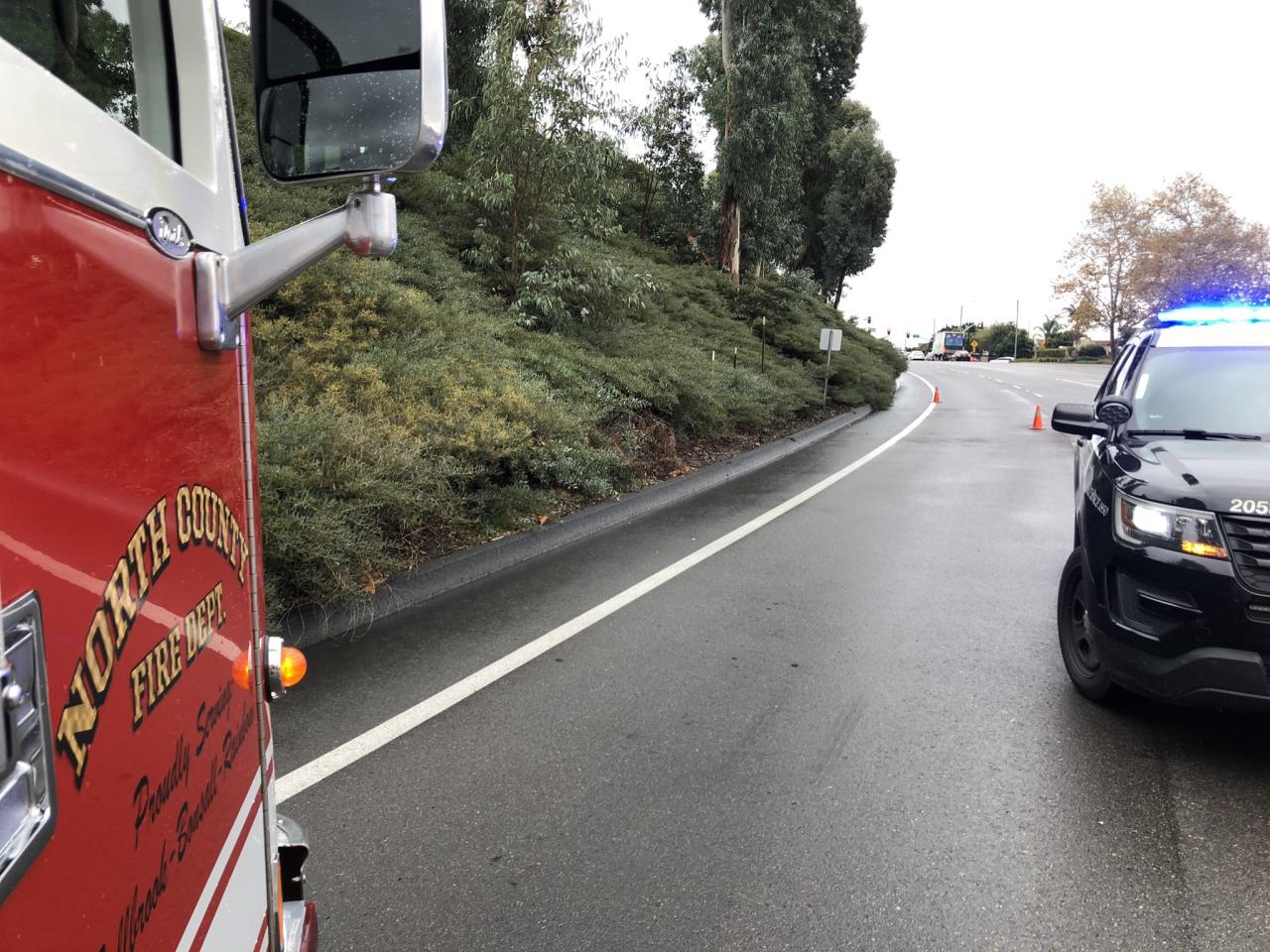
The identification of a suspect in the North County fires is a testament to the combined power of witness accounts and advanced phone data analysis. This case highlights the vital role of meticulous investigation in piecing together complex events and bringing those responsible to justice. The impact on the community, the legal procedures, and the innovative methods of data presentation further underscore the gravity of the situation and the commitment to finding answers.
This intricate investigation underscores the importance of collaboration between investigative agencies and the public in such a crisis.