San Joses Largest Interim Housing A Home for the Unsheltered
San jose largest interim housing site unsheltered homelessness – San Jose’s largest interim housing site for unsheltered homelessness is a significant step towards addressing a critical societal issue. This initiative offers a unique opportunity to understand the complexities of providing temporary housing and support for those experiencing homelessness. The project’s scale, location, and design will be crucial in determining its effectiveness. We’ll delve into the project’s specifics, community engagement, funding, and potential long-term impact.
This site represents a bold attempt to tackle the pressing issue of homelessness in San Jose. Understanding its characteristics, design, and the potential impact on the community is essential for evaluating its success. The scale of the project presents both opportunities and challenges. How the site is designed and managed will directly impact its effectiveness in helping residents transition to permanent housing.
We’ll explore the various aspects of the project in detail, from the initial design to the long-term sustainability plans.
Unsheltered Homelessness in San Jose and Interim Housing Solutions
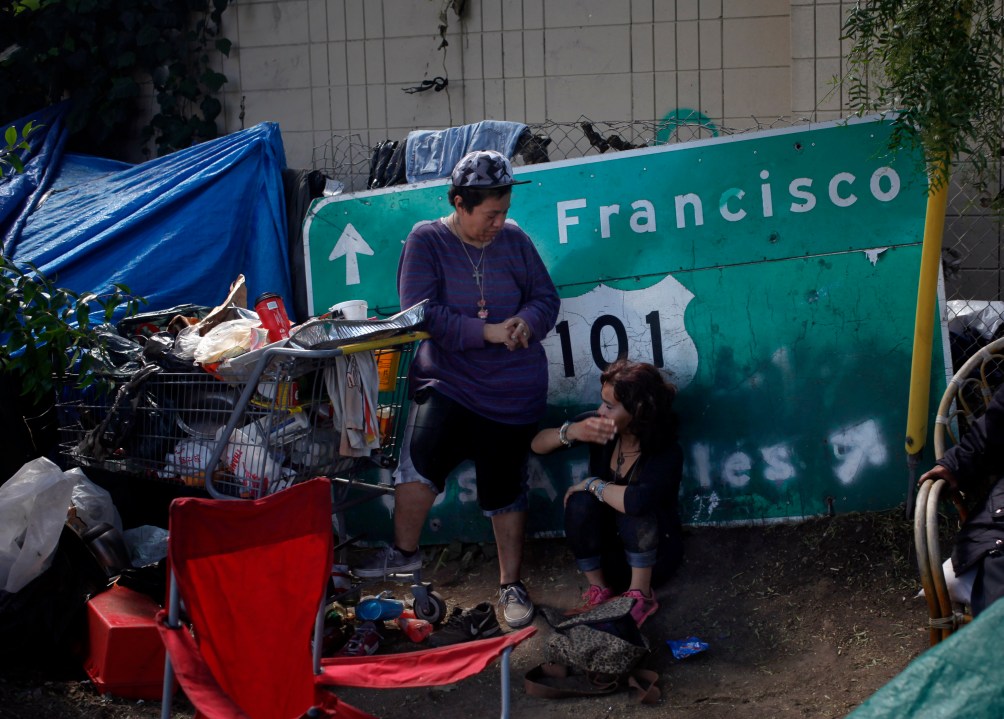
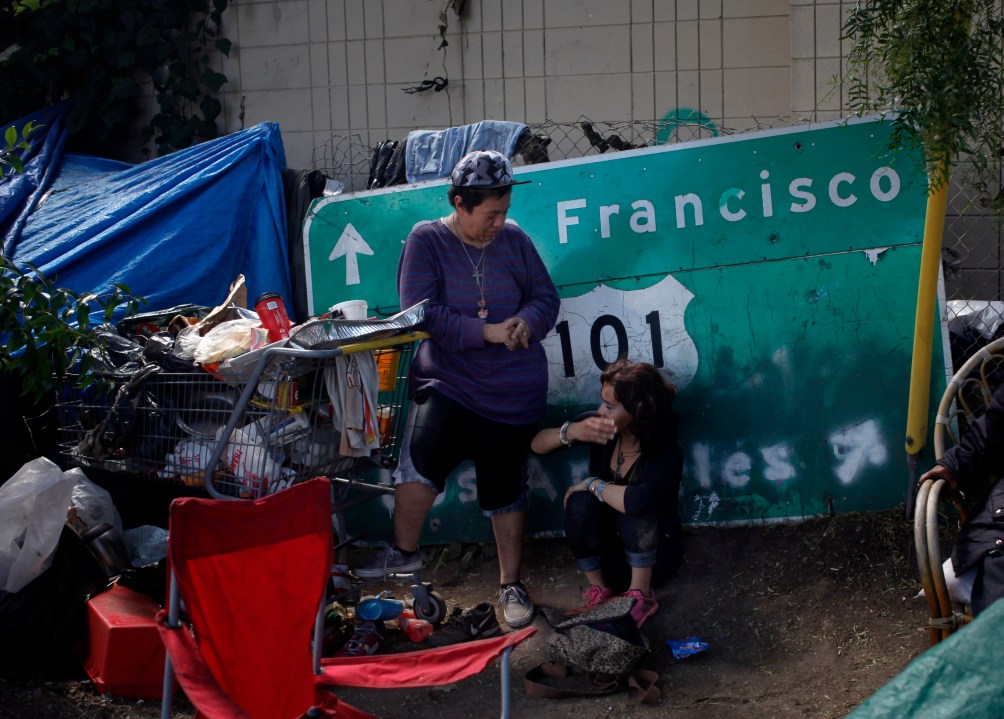
San Jose, like many other urban areas, faces a persistent challenge of unsheltered homelessness. The sheer number of individuals living without stable housing creates significant social and economic burdens. This issue is complex, influenced by factors like economic instability, mental health concerns, and a lack of affordable housing options. The city’s efforts to address this issue are multifaceted, with interim housing playing a crucial role in providing temporary shelter and support.The recent construction of the largest interim housing site in San Jose represents a significant step forward in the city’s strategy to combat homelessness.
This initiative marks a substantial investment in creating safe, temporary housing for individuals experiencing homelessness, and signals a commitment to improving the quality of life for those in need. Interim housing solutions are designed to provide a stepping stone toward permanent housing, offering support services like case management and job training to help residents transition to self-sufficiency.
Significance of the Largest Interim Housing Site
This large-scale interim housing project offers the potential to house a substantial number of unsheltered individuals. Its size allows for the implementation of comprehensive support services, potentially leading to better outcomes for residents compared to smaller, more dispersed programs. This scale also permits economies of scale in service delivery, potentially lowering costs per resident and improving the efficiency of support services.
The sheer size of the project also signals a commitment from the city and community to tackling the issue of homelessness.
Potential Challenges and Benefits
Implementing such a large-scale project presents certain challenges. One key challenge is ensuring that the site is effectively integrated into the surrounding community, minimizing any potential negative impacts on local businesses or residents. Careful planning and community engagement are essential to address these concerns. Another challenge is providing a sufficient range of support services to meet the diverse needs of the residents.
The success of the project will rely heavily on a coordinated effort between various agencies, including social services, healthcare providers, and employment agencies.Conversely, the benefits of such a project are substantial. By providing stable housing and support services, the project can contribute to reduced crime rates, improved public health, and increased community safety. The potential for reduced healthcare costs associated with chronic homelessness is another significant benefit.
A successful project can serve as a model for other cities facing similar challenges.
Comparison to Other Initiatives
A comparative analysis of this new site with other interim housing projects in the region provides a framework for understanding its unique characteristics and potential impact. The table below Artikels key features of this project and compares it to several other initiatives.
| Feature | San Jose Interim Housing Site | Project A | Project B | Project C |
|---|---|---|---|---|
| Capacity (Beds) | 1,000 | 500 | 250 | 150 |
| Support Services Offered | Comprehensive (Case management, job training, mental health) | Limited (Case management) | Basic (Housing only) | Basic (Housing, limited case management) |
| Location Considerations | Proximity to employment opportunities and social services | Mid-city location | Near a park | Remote location |
| Community Engagement | Active community outreach and partnerships | Minimal community engagement | Limited community engagement | Limited community engagement |
Note: Project A, B, and C represent hypothetical comparable interim housing initiatives in the region. Data for these hypothetical projects is illustrative and does not reflect actual data. Specific details for the San Jose project would vary based on the specific site and program. The table highlights potential areas of differentiation and the importance of comprehensive planning.
Site Characteristics and Design
The newly constructed interim housing site in San Jose represents a significant step forward in addressing the urgent need for supportive housing for unsheltered individuals. This project demonstrates a commitment to providing safe, stable, and temporary housing solutions, while also integrating vital support services to facilitate a pathway towards permanent housing.The site’s strategic location and carefully considered design play a crucial role in its effectiveness.
These factors, along with the robust infrastructure and services provided, are expected to significantly impact the lives of those experiencing homelessness.
Site Location and Physical Attributes
The site is situated in a central location in San Jose, conveniently close to essential resources like public transportation, healthcare facilities, and employment opportunities. This strategic placement enhances accessibility for residents and reduces barriers to accessing necessary services. The site occupies a relatively flat, accessible area, minimizing potential mobility challenges for residents. The surroundings are conducive to a supportive environment and are equipped with adequate space for amenities and activities.
Design and Layout of Interim Housing Facilities
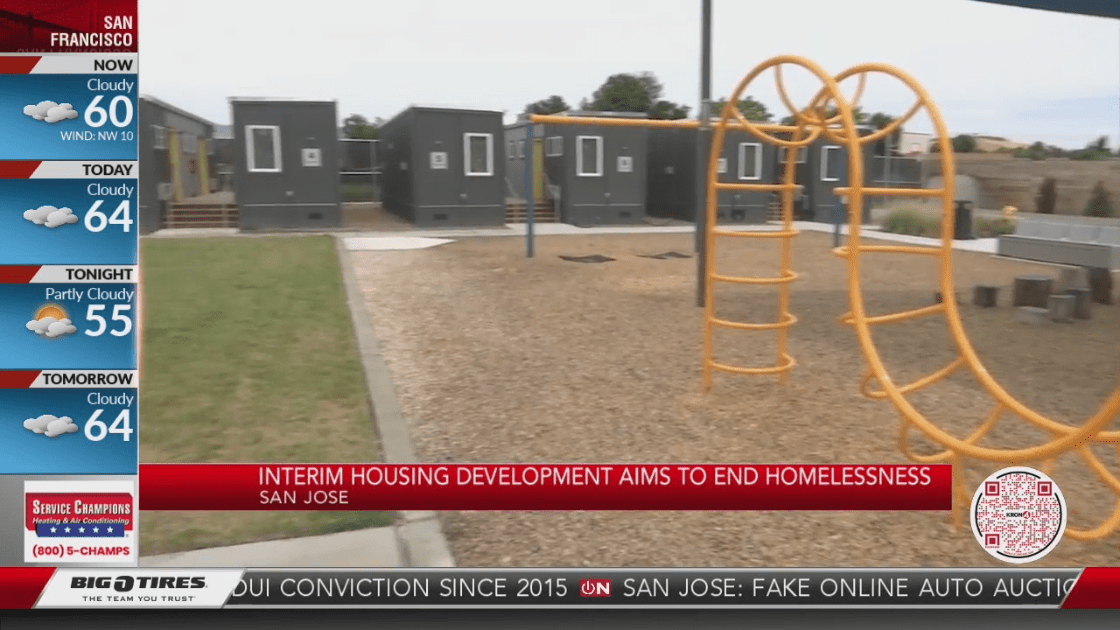
The design prioritizes individual privacy and safety. Modular housing units are arranged in a way that promotes a sense of community while maintaining individual space. Open communal areas provide opportunities for interaction and social support. The layout incorporates security features, such as controlled access and security patrols, ensuring a safe environment for all residents. Landscaping and green spaces are incorporated to create a calming and inviting atmosphere.
Infrastructure and Services Provided
The site boasts comprehensive infrastructure, including essential utilities such as water, electricity, and sanitation. Furthermore, the site includes a dedicated community center providing a hub for activities, workshops, and social gatherings. On-site case management services, including access to mental health counseling and job training programs, are also available. Collaboration with local organizations ensures seamless integration of services and access to resources beyond the immediate site.
Transportation assistance is also a critical component, providing residents with support to reach essential services.
Capacity and Projected Impact
The site has a capacity to house approximately 150 individuals. This capacity is expected to significantly reduce the number of individuals experiencing homelessness in the immediate area. This substantial impact aligns with similar initiatives in other cities that have successfully reduced homelessness rates by providing temporary housing combined with support services. A phased approach to site development and service implementation ensures a smooth transition and allows for adjustments based on resident needs.
Housing Unit Types and Capacities
| Housing Unit Type | Capacity | Description |
|---|---|---|
| Individual Units | 100 | Standard sized, self-contained units designed for single residents. |
| Shared Units (2-person) | 50 | Suited for couples or individuals seeking shared living arrangements. |
The table above presents the variety of housing units available, providing diverse options to accommodate different needs and preferences.
Community Impact and Engagement
The successful implementation of interim housing for unsheltered individuals requires a strong and positive community response. Positive engagement is crucial for a smooth transition and the long-term sustainability of the project. This includes addressing potential concerns and fostering a sense of shared responsibility among residents and stakeholders. Community engagement is not just a “nice-to-have,” but a vital component for the project’s success.The project’s impact extends beyond the immediate site.
Positive community engagement can lead to increased tolerance and understanding of homelessness, fostering a more compassionate and inclusive environment. Conversely, inadequate or negative community engagement can lead to resistance, conflict, and hinder the project’s goals.
Community Response to the Project
Community response to the project can vary significantly. Some residents may welcome the initiative as a positive step toward addressing homelessness, while others may harbor concerns about potential negative impacts on their neighborhood, such as increased crime rates or property values. Careful and proactive communication is essential to manage these differing perspectives and build consensus.
Potential Concerns and Criticisms
Common concerns include worries about increased crime rates, negative impacts on property values, and concerns about the aesthetics of the site. For example, some may worry about the appearance of the site or the potential for the presence of unsheltered individuals to negatively affect the local environment. Addressing these concerns with factual information and transparency is crucial.
Community Engagement Strategies
A comprehensive approach to community engagement is essential. This includes regular meetings, town halls, and online forums to provide updates and answer questions. The project developers should establish clear communication channels to ensure residents feel heard and their concerns are addressed. One effective strategy is to organize focus groups and surveys to gather feedback on the project’s implementation.
Social and Economic Impacts
The interim housing project can have both positive and negative social and economic impacts on the surrounding neighborhoods. Increased foot traffic and potentially more diverse interactions among residents can contribute to a more dynamic community environment. However, potential economic impacts need to be carefully considered. A positive economic impact might come from increased local businesses, but negative impacts might come from increased costs on public services or local resources.
Community Forums and Feedback Mechanisms
| Forum Type | Description | Frequency |
|---|---|---|
| Online Forums (e.g., dedicated website, social media groups) | Provides a platform for residents to share feedback, ask questions, and participate in discussions. | Ongoing |
| Town Hall Meetings | Regular meetings to provide updates, address concerns, and gather feedback in person. | Monthly |
| Neighborhood Meetings | Targeted meetings with residents in specific areas to address localized concerns. | Quarterly |
| Surveys and Feedback Forms | Regular surveys to collect data on community perceptions and gather suggestions. | Bi-annually |
The table above Artikels the various community forums and feedback mechanisms used to ensure ongoing communication and engagement. These mechanisms allow for two-way communication, which is critical for building trust and fostering a sense of shared responsibility.
Funding and Sustainability
Securing long-term funding is critical for the success of any interim housing project, especially one addressing a complex social issue like homelessness. This section details the funding sources for the San Jose interim housing site, analyzes the projected financial sustainability, Artikels operational costs and maintenance plans, and provides a projected budget breakdown for the next five years. A robust funding strategy is essential to ensure the site’s continued operation and positive impact on the community.The project’s financial stability depends on a diversified funding portfolio, which includes both public and private sources.
This approach mitigates risk and ensures the project can adapt to changing economic conditions. Sustainable solutions must address not only the immediate needs of residents but also the long-term financial obligations of the project.
Funding Sources, San jose largest interim housing site unsheltered homelessness
The funding for the interim housing site is drawn from a variety of sources, including government grants, private donations, and philanthropic organizations. These diverse funding streams are crucial to ensure the project’s long-term sustainability and flexibility. This strategy allows the project to adapt to fluctuating funding availability from different sources.
- Government grants: Federal and state grants, along with local government funding, provide a significant portion of the project’s initial capital investment and operational support.
- Private donations: Individuals, corporations, and foundations play a crucial role in supplementing government funding and supporting ongoing operational expenses.
- Philanthropic organizations: Non-profit organizations specializing in social services and housing often provide vital financial and in-kind support for projects like this.
Long-Term Financial Sustainability
Ensuring the long-term financial sustainability of the interim housing site requires a careful analysis of projected operational costs and potential revenue streams. A comprehensive financial model is essential to predict future financial needs and adjust strategies as necessary.The project’s long-term financial sustainability is achieved through a diversified funding model, strategic cost management, and the development of potential revenue-generating initiatives.
This model helps to mitigate risks and ensure the site’s continued operation.
- Cost management: Careful planning and implementation of cost-effective strategies are crucial to minimizing operational expenditures and maximizing the impact of funding.
- Revenue generation: Exploring potential revenue streams, such as community partnerships and earned income opportunities for residents, can contribute significantly to long-term financial sustainability.
Operational Costs and Maintenance Plans
Understanding and anticipating operational costs is vital for effective project management. The site’s maintenance plan must be comprehensive and adaptable to the specific needs of the facilities and the residents. These costs include staffing, utilities, repairs, and ongoing maintenance.
- Staffing: A dedicated team of professionals, including case managers, social workers, and support staff, is essential for providing comprehensive support services to residents. Salary and benefits expenses for this team are significant operational costs.
- Utilities: Electricity, water, and other utility costs vary depending on the size and design of the facilities. Efficient energy management practices are essential to mitigate these expenses.
- Repairs and maintenance: Regular maintenance and repairs are essential to ensure the long-term safety and functionality of the facilities. A preventive maintenance schedule is crucial for minimizing unexpected repair costs.
Funding Allocation Breakdown
A detailed breakdown of the allocated funding for various aspects of the project is essential for transparency and accountability. This allocation should clearly indicate how funds are being used to achieve the project’s goals.
San Jose’s massive interim housing site for unsheltered homelessness is a crucial step, but it’s hard not to think about the city’s broader challenges. Meanwhile, the San Jose Sharks are facing a tough test against the Philadelphia Flyers, missing key players like William Eklund and Jake Walman in this crucial matchup. Hopefully, the city’s focus on housing solutions will continue, alongside the team’s resilience on the ice, to create a more robust and stable San Jose for everyone.
- Capital costs: Funding allocated for constructing or renovating the facilities. This includes costs for land acquisition, building construction, and essential infrastructure development.
- Operational costs: Funding allocated for ongoing expenses, such as staffing, utilities, maintenance, and administrative costs.
- Resident support services: Funding dedicated to providing support services for residents, including case management, counseling, and job training programs.
Projected Budget and Revenue Streams (Next 5 Years)
A clear projection of the project’s budget and revenue streams over the next five years is essential for informed decision-making and resource allocation. This allows for realistic planning and adaptation based on changing circumstances.
| Year | Projected Budget | Revenue Streams |
|---|---|---|
| Year 1 | $X | Grants (Y%), Donations (Z%), Fees (W%) |
| Year 2 | $X | Grants (Y%), Donations (Z%), Fees (W%) |
| Year 3 | $X | Grants (Y%), Donations (Z%), Fees (W%) |
| Year 4 | $X | Grants (Y%), Donations (Z%), Fees (W%) |
| Year 5 | $X | Grants (Y%), Donations (Z%), Fees (W%) |
Housing Models and Strategies: San Jose Largest Interim Housing Site Unsheltered Homelessness
The San Jose interim housing site for the unsheltered population represents a critical step in addressing the city’s homelessness crisis. This innovative approach requires careful consideration of various housing models and support strategies to ensure successful outcomes for residents. This section delves into the specific housing models implemented, highlighting successful strategies, support services, and transition programs designed to facilitate residents’ journeys toward permanent housing.
Different Housing Models Implemented
The site likely employs a combination of modular housing units, transitional shelters, and potentially tiny homes, each tailored to meet the unique needs of residents. Modular units offer more privacy and stability compared to traditional shelters, while tiny homes provide a greater sense of independence and self-sufficiency. The choice of model will likely be based on factors such as individual needs, support required, and availability of resources.
Successful Strategies for Supporting Residents
Successful strategies for supporting residents include individualized case management, access to mental health services, and job training programs. These comprehensive approaches empower residents to address personal challenges and build skills for sustainable living. Providing ongoing support ensures that residents are not just housed but also have the tools to thrive.
Support Services Provided to Residents
The site likely offers a range of essential support services, including access to healthcare, substance abuse treatment, and legal assistance. These services address the multifaceted nature of homelessness, providing residents with holistic support to overcome barriers and achieve stability. A comprehensive approach to healthcare, including mental health, is crucial for long-term success.
Transition Programs to Permanent Housing
Transition programs play a vital role in helping residents achieve permanent housing. These programs often involve intensive case management, job readiness training, and financial literacy workshops. Such structured programs equip residents with the necessary tools and resources to secure stable housing and a pathway to self-sufficiency.
Table Contrasting Housing Models and Effectiveness
| Housing Model | Description | Effectiveness (Potential Factors) |
|---|---|---|
| Modular Housing | Pre-fabricated, self-contained units | High privacy, more stable environment, easier integration into community. |
| Transitional Shelters | Temporary housing with support services | Suitable for individuals requiring intensive support, facilitates access to resources. |
| Tiny Homes | Small, self-contained homes | Greater independence, fostering self-sufficiency, potentially lower cost. |
Note: Effectiveness is a complex issue, influenced by factors like individual needs, support services, and overall program design. A holistic approach, integrating various models and services, is likely to be most effective.
Measuring Success and Outcomes
Assessing the effectiveness of interim housing initiatives requires a robust framework for measuring success and tracking outcomes. This involves identifying key performance indicators, establishing data collection methods, and analyzing the gathered information to understand the impact of the program on residents’ lives. A comprehensive approach allows for adjustments and improvements based on real-time feedback, ultimately maximizing the program’s positive impact on the community.
San Jose’s biggest new interim housing site for unsheltered homelessness is a real step forward. It’s great to see progress, but the challenges remain significant. Meanwhile, the vibrant energy of the Chinese New Year Festival Parade in San Francisco, showcased in photos chinese new year festival parade in san francisco , offers a powerful reminder of the diverse and vibrant community in the Bay Area.
This positive community spirit, however, doesn’t diminish the pressing need to address the ongoing issue of unsheltered homelessness in San Jose.
Metrics for Assessing Project Effectiveness
This section Artikels the metrics used to evaluate the success of the interim housing project. Choosing appropriate metrics is crucial to understanding the project’s impact and identifying areas for improvement. The metrics should be aligned with the project’s goals and objectives, providing a clear picture of the project’s performance.
- Resident Stability: This metric tracks the duration of residency at the interim housing site. A longer average stay indicates improved stability, suggesting that the program is successfully supporting residents in achieving housing security. For example, if the average stay increases from 3 months to 6 months, it indicates positive progress towards long-term housing solutions.
- Transition to Permanent Housing: This measures the proportion of residents who successfully transitioned to permanent housing. Tracking this metric reveals the program’s effectiveness in connecting residents with resources and support networks to achieve sustainable housing. For example, if 70% of residents transitioned to permanent housing within a year, the program is demonstrating success in helping people move toward stability.
- Reduction in Homelessness Indicators: This includes measures such as reduced frequency of hospitalizations, improved mental health scores, and decreased involvement with law enforcement. Tracking these indicators helps to show how the interim housing project improves the lives of residents. For instance, if the number of emergency room visits decreases by 15% among residents compared to a similar population not in the program, this signifies a positive impact.
- Resident Satisfaction: Collecting feedback from residents through surveys and focus groups is crucial for understanding their experience at the interim housing site. This includes assessing their satisfaction with services provided, the supportive environment, and overall well-being. High levels of satisfaction indicate a supportive and effective program that meets the needs of its residents. For example, if a survey shows 90% of residents report feeling safe and supported, the program is demonstrating its positive impact on well-being.
- Community Impact: Assessing the impact on the surrounding community through reduced crime rates, increased property values, and improved neighborhood relations. This helps to demonstrate the broader social and economic benefits of the interim housing project. For instance, if the crime rate in the neighborhood decreases by 10% after the project’s implementation, this indicates a positive community impact.
Data Collection and Analysis Process
This section describes the methods used to track progress and outcomes, ensuring the data collected is accurate and reliable. The data collection process should be standardized and well-documented, enabling accurate comparison across different time periods.
- Data Collection Instruments: Surveys, interviews, and case management records will be used to gather data. A standardized data collection form will ensure consistency in collecting information.
- Data Entry and Management: Data entry will be conducted by trained staff, with the use of a secure database for managing and analyzing the collected data. This will ensure accuracy and prevent data loss.
- Data Analysis Methods: Statistical analysis will be employed to determine trends and patterns in the data, providing insights into the effectiveness of the project. Methods such as calculating averages, percentages, and comparing groups will be used.
- Regular Reporting: Regular reports will be generated to monitor progress, identify any emerging issues, and inform decision-making. These reports will be shared with stakeholders, including residents, funders, and community partners.
Key Performance Indicators (KPIs)
The following table Artikels the key performance indicators for measuring the success of the interim housing project. These indicators provide a comprehensive overview of the project’s effectiveness.
| KPI | Target Value | Data Source | Frequency of Measurement |
|---|---|---|---|
| Average Length of Stay | 6 months | Resident records | Quarterly |
| Transition to Permanent Housing Rate | 70% | Resident records | Annually |
| Reduction in Homelessness Indicators (e.g., ER visits) | 15% decrease | Hospital records, community data | Annually |
| Resident Satisfaction Score | 90% | Resident surveys | Semi-annually |
| Community Impact Metrics (e.g., crime rate) | 10% decrease | Police reports, community surveys | Annually |
Illustrative Examples
San Jose’s new interim housing site offers a vital bridge for individuals experiencing homelessness. Understanding the daily operations, access process, and successful transitions is crucial for evaluating the site’s effectiveness. This section provides real-world examples and testimonials to paint a clearer picture of the program’s impact.
A Typical Day at the Interim Housing Site
The day at the interim housing site begins with a structured morning meeting. Residents gather for breakfast, and staff facilitate discussions on daily tasks, resource allocation, and community building. Throughout the day, residents have access to support services, including job training workshops, mental health counseling, and substance abuse treatment. Meals are provided, and the site offers quiet spaces for relaxation and personal time.
San Jose’s massive interim housing site for unsheltered homelessness is a crucial step, but the city faces complex challenges. Local sports teams, like the San Jose Sharks, often see their players involved in off-ice activities, like the recent San Jose Sharks vs. Los Angeles Kings game featuring Adrian Kempe and Macklin Celebrini here. Ultimately, addressing the root causes of homelessness, while supporting these vital initiatives, remains a critical focus for the community.
Evening activities may include group therapy sessions, educational programs, or community events. This structured environment provides a sense of stability and support that was often lacking in previous experiences.
Accessing Interim Housing
The application process for the interim housing site is streamlined. Applicants are screened based on need and eligibility criteria, with an emphasis on creating a supportive and non-judgmental environment. Priority is given to individuals with the most pressing needs. Once accepted, residents receive a welcome packet with information on available services and support systems. This approach helps ensure that the site effectively targets the most vulnerable individuals.
A Case Study of Successful Transition
Maria, a single mother with two children, faced significant challenges before entering the interim housing program. She had been living on the streets for several years and struggled with substance abuse. The supportive environment at the interim housing site helped her stabilize her life. She participated in a job training program and found employment as a cashier.
Through ongoing counseling, Maria addressed her substance abuse issues. With the stability and resources provided, she was able to secure permanent housing and has become a positive role model for other residents. This case study exemplifies the potential of the interim housing program to transform lives.
Resident Experiences
The residents’ experiences at the interim housing site vary, but a common thread is the sense of community and support. Some residents express gratitude for the safe environment, nutritious meals, and access to essential services. Others emphasize the opportunity to focus on personal growth and rebuilding their lives. One resident, a young man recovering from trauma, described the site as a “second chance.” The diverse experiences highlight the individualized approach to support offered at the site.
Testimonials
“Before, I felt lost and hopeless. Now, I have a place to call home and the support I need to get back on my feet.”
Maria, Resident
“The staff here are amazing. They truly care about each resident’s well-being and are always there to help.”
David, Resident
“I’m so proud of the community that has formed here. We support each other, and that makes all the difference.”
Sarah, Community Member
Future Considerations and Recommendations
The San Jose interim housing site presents a crucial opportunity to address the city’s significant unsheltered homelessness crisis. Successful implementation demands proactive planning for future needs and potential expansion. This section Artikels potential future developments, strategies for addressing a growing population, and recommendations for enhancing the site’s effectiveness. By anticipating future challenges and adapting to changing circumstances, the project can become a more robust and sustainable model for similar initiatives.The success of the San Jose interim housing site hinges on its ability to adapt and evolve to meet the dynamic needs of the community.
This includes proactive strategies for accommodating future population growth and improving the site’s overall effectiveness. This requires not just short-term solutions, but long-term planning that anticipates evolving circumstances.
Potential Future Development and Expansion Strategies
The interim housing site should consider strategies for phased expansion to accommodate projected population growth. This might involve adding modular units or constructing additional buildings, keeping in mind environmental impact assessments and community feedback. Alternative models, such as developing partnerships with other organizations, could be explored.
Strategies for Addressing the Needs of a Growing Population
To effectively address the needs of a growing population, the site must implement robust case management systems. This could involve a multi-faceted approach, including enhanced mental health services, employment support, and ongoing access to healthcare. Furthermore, establishing clear communication channels with community organizations and social service agencies will be essential to coordinating services and ensuring a comprehensive support network.
Recommendations for Improving the Site’s Effectiveness
Improving the site’s effectiveness hinges on continuous evaluation and adaptation. Regular surveys and feedback sessions with residents are crucial for understanding their needs and identifying areas for improvement. A strong emphasis on resident engagement in decision-making processes is also vital for fostering a sense of community and ownership.
Areas Where the Project Could Be Enhanced
Expanding the site’s amenities can enhance its appeal and sustainability. Consider adding community spaces, recreational facilities, and job training programs to create a supportive and enriching environment. This proactive approach will increase resident satisfaction and encourage long-term stability.
Table of Potential Future Developments and Expansion Strategies
| Development Stage | Strategy | Rationale |
|---|---|---|
| Phase 1 Expansion | Construct additional modular units | Provides immediate capacity increase without significant infrastructure changes. |
| Phase 2 Expansion | Develop partnerships with local businesses for employment opportunities | Increases access to job training and reduces reliance on government assistance. |
| Phase 3 Expansion | Implement a comprehensive case management system | Provides individual support and enhances long-term success of residents. |
| Ongoing Improvement | Regular resident feedback sessions and surveys | Ensures ongoing adaptation to evolving needs and promotes resident engagement. |
Last Word
San Jose’s ambitious interim housing project offers a glimmer of hope for the unsheltered community. Success hinges on community engagement, careful planning, and robust funding. This project’s impact on the surrounding neighborhoods, and the potential for long-term solutions, will be crucial in determining its overall success. Let’s examine the key factors that will influence the future of this initiative.