Nordstrom’s Anniversary Sale Offers Significant Savings on Premium Men’s Apparel and Grooming Essentials

The highly anticipated Nordstrom Anniversary Sale has officially opened its doors to the public, presenting a prime opportunity for consumers to acquire high-quality men’s gear, apparel, and grooming products at reduced prices. This annual event, known for offering substantial discounts on new fall arrivals from a curated selection of top-tier brands, has become a cornerstone for savvy shoppers looking to refresh their wardrobes and personal care routines.

For individuals holding a Nordstrom credit or debit card, early access to the sale commenced prior to the general public opening on July 18. The sale is slated to run through August 9, providing a window of several weeks for shoppers to take advantage of these limited-time offers. This extended period allows for careful consideration and strategic purchasing, distinguishing it from more fleeting flash sales.
Unlike many retail promotions that focus solely on clearance items, Nordstrom’s Anniversary Sale uniquely features significant markdowns on brand-new merchandise for the upcoming season. This strategy allows customers to acquire the latest styles and innovations at a fraction of their original cost. Brands like Nike, Hoka, On Running, and Ralph Lauren are prominently featured, offering discounts on everything from performance athletic wear and footwear to essential wardrobe staples.

In the realm of skincare and grooming, brands such as Kiehl’s, Supergoop, and Le Labo are also included in the sale, providing an avenue for consumers to invest in premium products that are typically priced at a higher tier. These offerings cater to the growing demand for effective and sophisticated personal care routines among men.
Understanding the Nordstrom Anniversary Sale Phenomenon
The Nordstrom Anniversary Sale has carved out a distinct niche in the retail calendar. It’s not a typical end-of-season clearance event; rather, it’s a celebration of new arrivals. The sale’s structure, with its early access for cardholders and subsequent public launch, is designed to reward loyal customers while also generating significant buzz and driving traffic. The appeal lies in the ability to purchase coveted, brand-new items at a discounted rate before they become widely available at full price. This creates a sense of urgency and exclusivity, encouraging prompt purchasing decisions.

The sale typically begins with a preview period, allowing shoppers to browse and add items to their wish lists. This is followed by early access for Nordstrom cardmembers, who gain entry days or even weeks before the general public. This tiered access system is a key component of Nordstrom’s loyalty program, incentivizing credit card sign-ups and fostering a dedicated customer base. The public sale then commences, marking the period where all shoppers can access the discounted merchandise. The duration of the sale, usually spanning several weeks, allows for strategic shopping and the potential for restocks of popular items.
Strategic Shopping: Wardrobe Essentials and Elevated Style
The sale presents a comprehensive array of options for updating a man’s wardrobe, ranging from casual wear to more polished attire. For those seeking to enhance their everyday style, brands like Rag & Bone are offering attractive discounts on premium denim. Specifically, their Fit 4 Authentic Rigid Straight Leg Jeans are available at a 33 percent reduction, presenting an opportunity to invest in durable and stylish denim.

The enduring appeal of Ralph Lauren is also highlighted, with classic shirts now priced under $100. These timeless pieces are versatile enough for both professional settings and casual outings, making them a sound investment. Shoppers can expect to find a variety of styles, from crisp Oxford shirts to more relaxed button-downs, all bearing the signature Ralph Lauren aesthetic.
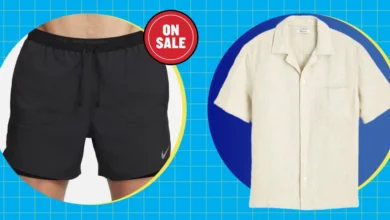
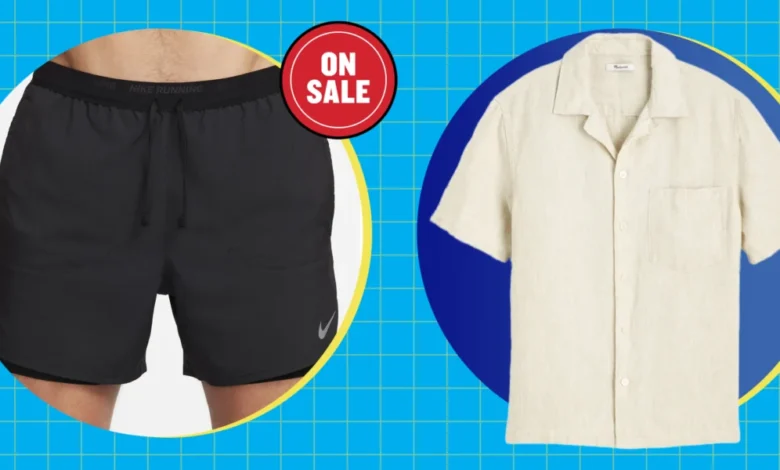
Beyond these foundational pieces, the sale extends to more contemporary brands and styles. Madewell’s Linen Camp Shirt, a perfect choice for warmer days or layered looks, is available at a notable discount. Similarly, Open Edit’s Drawstring Shorts offer a comfortable and stylish option for leisure wear. These items, often favored for their blend of comfort and modern design, are ideal for a relaxed yet put-together appearance.

For those looking to build a more sophisticated wardrobe, the inclusion of brands like Faherty and Peter Millar is particularly noteworthy. Faherty’s Double Knit Crewneck Sweater provides a blend of comfort and style, suitable for transitional weather. Peter Millar’s Performance Jersey Polo, designed for active lifestyles or casual sporting events, offers a sophisticated take on athletic apparel. These pieces are often characterized by their high-quality materials and thoughtful design, making them desirable additions to any discerning wardrobe. The availability of these items at reduced prices during the Anniversary Sale makes them particularly attractive to consumers seeking to elevate their style without overspending.
Investing in Grooming and Skincare
The Nordstrom Anniversary Sale extends beyond apparel to encompass a robust selection of high-end grooming and skincare products, a category that often represents a significant ongoing expense for consumers. The sale provides an opportune moment to stock up on essential items from renowned brands, ensuring that personal care routines remain consistent and effective without incurring full retail costs.

Kiehl’s, a brand celebrated for its effective formulations, features prominently in the sale. Their Ultra Facial Cream, a cult favorite for its hydrating properties, and the Facial Fuel Energizing Face Wash, known for its invigorating effects, are both available at substantial discounts, up to 35 percent off. These products are foundational for maintaining healthy, well-cared-for skin.
Le Labo, a luxury fragrance and skincare brand, is also participating, offering their sought-after Hinoki Shower Gel. This product, known for its distinctive and sophisticated scent, provides a more indulgent experience for daily cleansing. The inclusion of Le Labo underscores the sale’s commitment to offering premium, often aspirational, products at more accessible price points.

Sun protection remains a critical aspect of skincare, and Supergoop’s offerings are particularly appealing. The sale includes a jumbo duo pack of their Unseen Sunscreen SPF 50, a versatile and highly effective broad-spectrum sunscreen that is a favorite among skincare enthusiasts. The emphasis on daily sunscreen application highlights the growing awareness of preventative skincare measures.
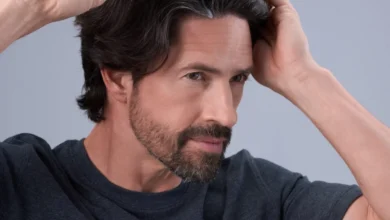
For beard care, Murdock London’s Beard Moisturizer is available at a 25 percent discount. This product addresses the specific needs of beard grooming, offering hydration and manageability. The inclusion of specialized grooming products like this demonstrates the breadth of offerings within the sale, catering to a diverse range of personal care needs. The discounts on these often expensive items make them an attractive proposition for consumers looking to maintain their grooming regimen without significant financial outlay.

Elevating Athletic Performance and Athleisure
The Nordstrom Anniversary Sale is a significant event for fitness enthusiasts and those who embrace the athleisure trend. The sale features a wide array of athletic footwear and apparel from leading brands, enabling consumers to invest in high-performance gear at reduced prices.
Hoka, a brand renowned for its innovative cushioning technology, is offering its popular Clifton 10 running shoes with a 20 percent discount. The Clifton line is a consistent favorite among runners for its balance of comfort and responsiveness, making this a notable opportunity for those looking to upgrade their running footwear.

Nike, a dominant force in athletic wear, is represented with discounts on its Stride 2-in-1 Running Shorts. These shorts are designed for optimal performance, offering comfort and functionality for various athletic pursuits. The significant 55 percent markdown makes them a particularly compelling purchase for runners and athletes.
On Running, another highly regarded brand in the performance footwear market, is also featured. Their Cloudsurfer Max Running Sneaker is available, providing advanced cushioning and support for a smooth running experience. The brand’s commitment to innovative design and comfort is reflected in these popular models.

Beyond footwear, the sale includes performance apparel suitable for both athletic activities and casual wear. Rhone’s Founders Athletic Hoodie offers a blend of comfort and technical fabric, making it ideal for workouts or everyday layering. Peter Millar’s Performance Jersey Polo, as mentioned earlier, bridges the gap between athletic wear and smart casual attire, perfect for golf or leisure. The inclusion of these items caters to the growing demand for versatile, high-quality activewear that can transition seamlessly between different aspects of a modern lifestyle.
The Underrated Value of Basics
While the allure of high-end fashion and performance gear is undeniable, the Nordstrom Anniversary Sale also provides an excellent opportunity to replenish essential wardrobe staples at a considerable saving. These often overlooked items form the foundation of any well-rounded wardrobe and are frequently repurchased due to their consistent wear.

Ralph Lauren’s Classic Fit Woven Cotton Boxers are available at a 35 percent discount, offering a premium option for everyday comfort. Similarly, their 3-Pack Classic Crewneck Undershirts provide essential layering pieces that are a staple for many men. These basic garments, while not always the most exciting purchases, are crucial for comfort and maintaining the longevity of outer wear.
For athletic and casual wear, the sale features essential socks from Bombas and Nordstrom. Bombas’ Marled Assorted 6-Pack Ankle Socks are discounted by 25 percent, offering a practical way to stock up on high-quality, comfortable socks. Nordstrom also offers a 3-Pack of Dress Socks, ideal for more formal occasions, at a 33 percent reduction.

The availability of these fundamental items at reduced prices underscores the comprehensive nature of the Nordstrom Anniversary Sale. It allows shoppers to address their entire wardrobe needs, from statement pieces to everyday essentials, ensuring a cost-effective approach to maintaining a polished and functional personal style. The strategic timing of the sale, just before the fall season, makes it an ideal moment to refresh these core items.
Broader Implications and Consumer Impact
The Nordstrom Anniversary Sale represents more than just a retail event; it signifies a significant moment in consumer spending patterns, particularly within the premium segment of the men’s market. The sale’s ability to move substantial volumes of new, high-margin merchandise highlights the effectiveness of strategic pricing and tiered access in driving sales.

For brands, participating in the Anniversary Sale provides a powerful platform to introduce new collections to a broad and engaged audience. It allows for rapid inventory turnover and can generate significant revenue in a concentrated period. The early access model, in particular, serves as a valuable tool for cultivating brand loyalty and encouraging higher spending from dedicated customers.
From a consumer perspective, the sale democratizes access to luxury and premium goods. It allows individuals who might not typically purchase these items at full price to acquire them, fostering a sense of value and smart shopping. The focus on quality and brand reputation within the sale’s curated selection also appeals to consumers who prioritize durability and style over fleeting trends.

The ongoing success of the Nordstrom Anniversary Sale suggests a continued consumer appetite for curated shopping experiences that offer tangible value. As the retail landscape evolves, events like these remain crucial for both retailers and consumers, shaping purchasing decisions and influencing market dynamics. The sale’s ability to consistently draw significant attention and drive substantial sales year after year solidifies its position as a key event in the fashion and retail calendar.