The Treacherous Path to Galactic Domination: Unpacking the Tumultuous Production of James Cameron’s "Aliens"

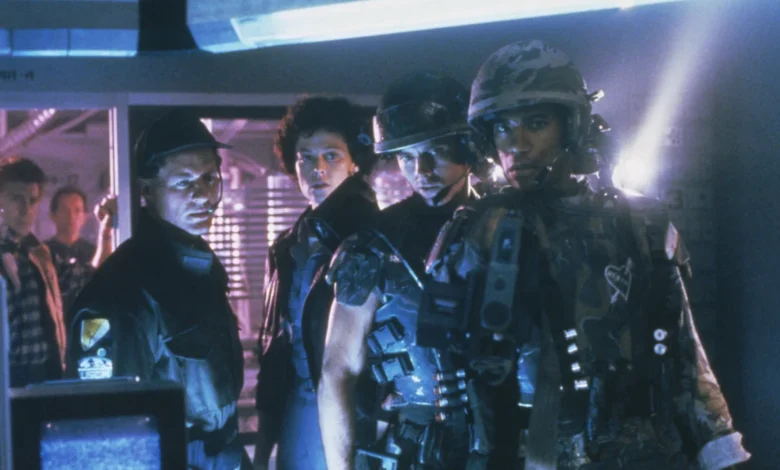
The enduring debate over James Cameron’s 1986 masterpiece, "Aliens," often places it at the pinnacle of the sci-fi action genre, with many fans and critics arguing it surpasses even the foundational terror of Ridley Scott’s original "Alien." Regardless of its exact ranking in the pantheon of "Alien" films, its impact is undeniable. Cameron deliberately shifted the franchise’s trajectory from pure horror to a thrilling blend of terror and exhilarating sci-fi action, a bold pivot that redefined its future. As Cameron himself articulated in an interview with Lofficier, the intention was to craft a film that, while retaining its scary elements, leaned more towards an "exhilarating" experience driven by intense action. This creative vision proved prescient, offering a distinct and potent alternative to the claustrophobic dread of its predecessor.

The narrative evolution of the sequel was a natural progression. Sigourney Weaver’s Ellen Ripley, having survived the horrifying encounter with the Xenomorph in "Alien," was now tasked with confronting her deepest fears once more. This time, however, she wasn’t alone. Armed with a squad of Colonial Marines, her arsenal was significantly enhanced, though the effectiveness of these supposed elite soldiers often proved comically inadequate, a stark contrast to Ripley’s own indomitable will.
"Aliens" achieved colossal success, both critically and commercially, solidifying Cameron’s reputation as a director capable of delivering monumental sequels. Renowned film critic Roger Ebert lauded it as a "superb example of filmmaking craft," a sentiment echoed by countless viewers. Yet, the journey from concept to screen was fraught with peril, nearly derailing the project multiple times.

The paradox of "Alien’s" financial performance is a testament to Hollywood’s intricate accounting practices. Despite the original film’s significant profitability on paper, 20th Century Fox reportedly deemed it a financial underperformer. This ambiguous assessment led to considerable indecision regarding a sequel. In a bizarre turn of events, the studio even entertained the idea of selling the rights to the producers of "Rambo," hinting at a potential crossover that, while intriguing in its sheer audacity, never materialized. The prospect of John Rambo battling Xenomorphs to the thunderous accompaniment of Jerry Goldsmith’s iconic score remains a fascinating, albeit hypothetical, cinematic tangent.
The Seeds of a Sequel: Cameron’s Vision and Fox’s Hesitation
Following the lukewarm response to a potential sequel from the studio, James Cameron was brought in to develop a treatment. In a remarkably swift three-day period in 1983, Cameron produced a 45-page document that laid the groundwork for what would become "Aliens." This treatment, accessible online, outlines many of the core concepts and narrative threads that would define the film. However, 20th Century Fox initially rejected Cameron’s proposal, seemingly more inclined to find reasons not to proceed with the project than to embrace its potential.
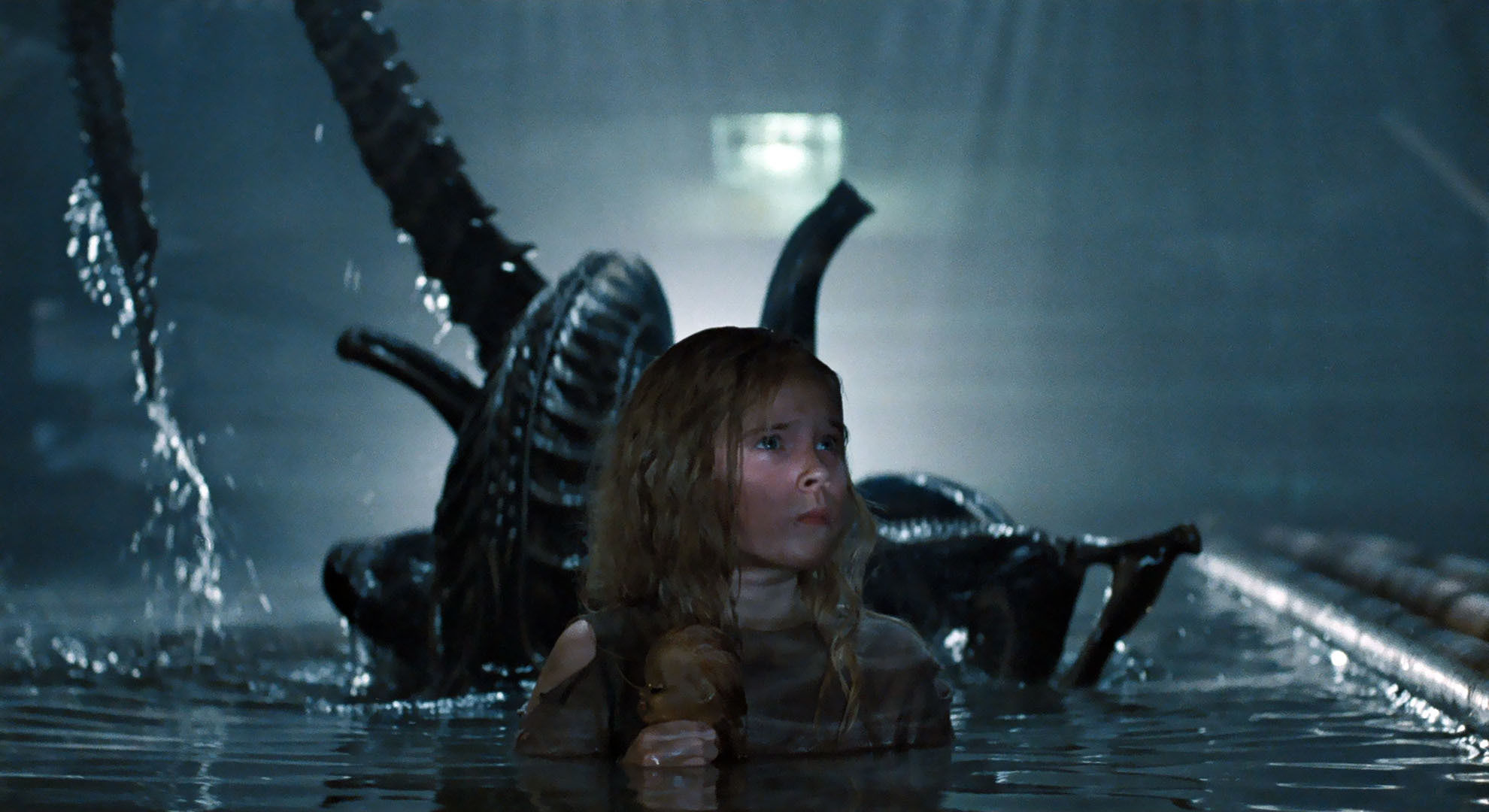
The push for "Aliens" gained critical momentum with the involvement of producer Larry Gordon, who became a vocal advocate for the sequel within the studio’s executive suites. His persistence, coupled with the burgeoning success of Cameron’s earlier work, particularly "The Terminator," began to sway the studio’s stance. Following the triumph of "The Terminator," Cameron was rehired as both writer and director, with his then-girlfriend and future wife, Gail Anne Hurd, joining as a producer, bringing a crucial collaborative synergy to the project.
Budgetary Battles and the Weaver Dilemma
As production loomed in 1985, a significant hurdle emerged: the budget. Cameron’s team proposed a $15.5 million figure, a number that studio executives at Fox viewed with skepticism, estimating a much higher cost of $35 million. This budgetary discrepancy led to a standoff, with Fox initially offering only $12 million. Cameron and Hurd famously walked away from the project, unwilling to compromise on their vision. It was again producer Larry Gordon who intervened, successfully negotiating with studio heads to secure the additional funding required. With this financial impasse resolved, Cameron was finally cleared to commence production on LV-426.
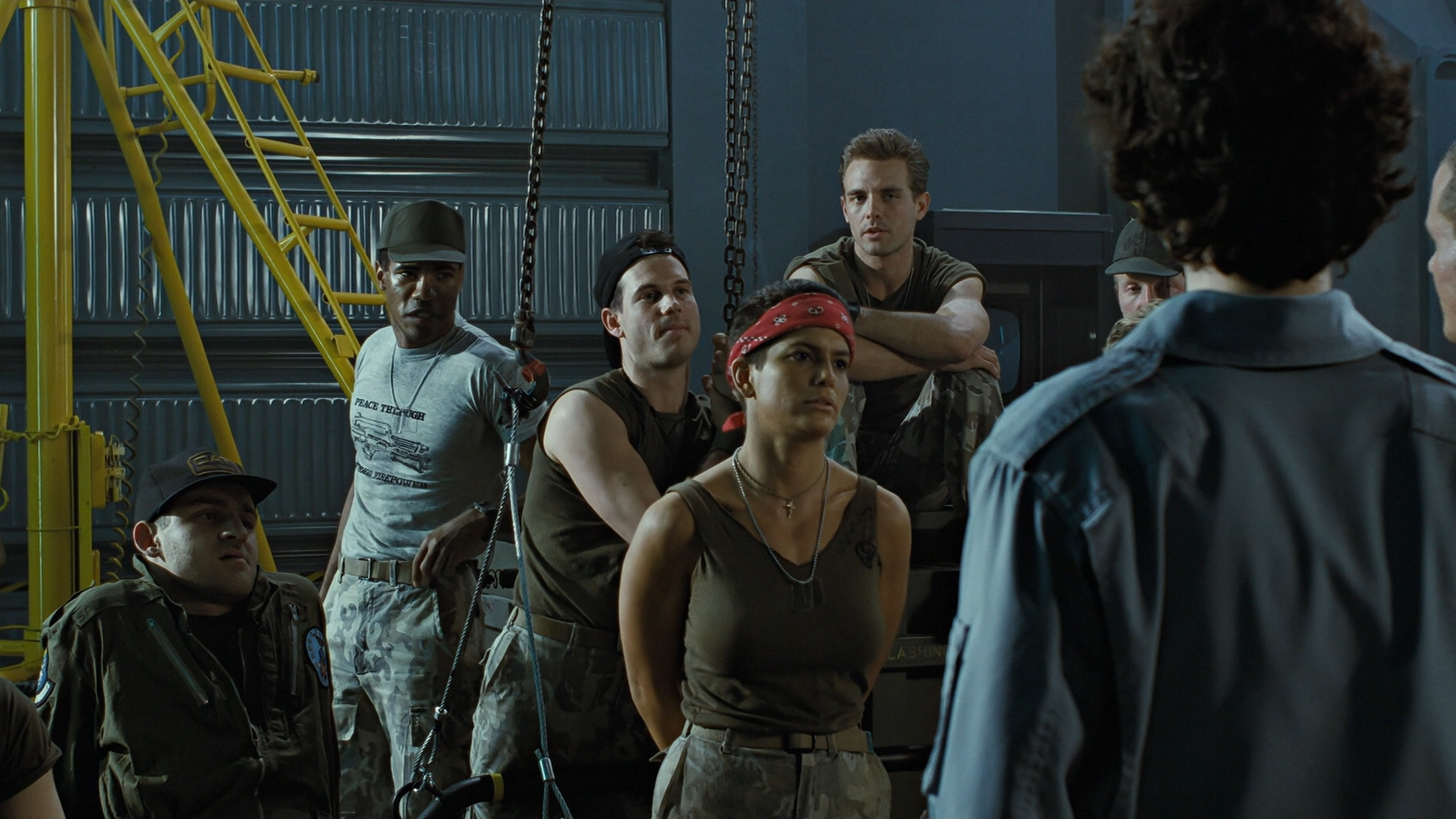
However, the challenges were far from over. Fox then proposed a shocking idea: proceeding with "Aliens" without Sigourney Weaver. This suggestion, reminiscent of a low-budget straight-to-video release, was met with staunch opposition from Cameron. He had operated under the assumption that Weaver was contractually obligated for a sequel, a misunderstanding that now threatened to unravel the entire production. Cameron, along with Hurd, refused to move forward without their lead actress, and once more, they departed the project.
In a strategic maneuver, Cameron devised a clever ploy to secure Weaver’s participation. Recognizing that Weaver shared an agent with Arnold Schwarzenegger, Cameron contacted Schwarzenegger’s agent, informing him that he was about to begin rewriting the "Aliens" script to remove Ripley entirely. This news, disseminated with calculated speed, reached Weaver and her agents swiftly. As Cameron recounted to GQ years later, "The deal was done in 12 hours after that." The fabricated threat of Ripley’s removal proved instrumental in breaking the deadlock, resulting in Weaver securing her demanded salary and allowing production to proceed.
From Script to Screen: Navigating the Production Landscape
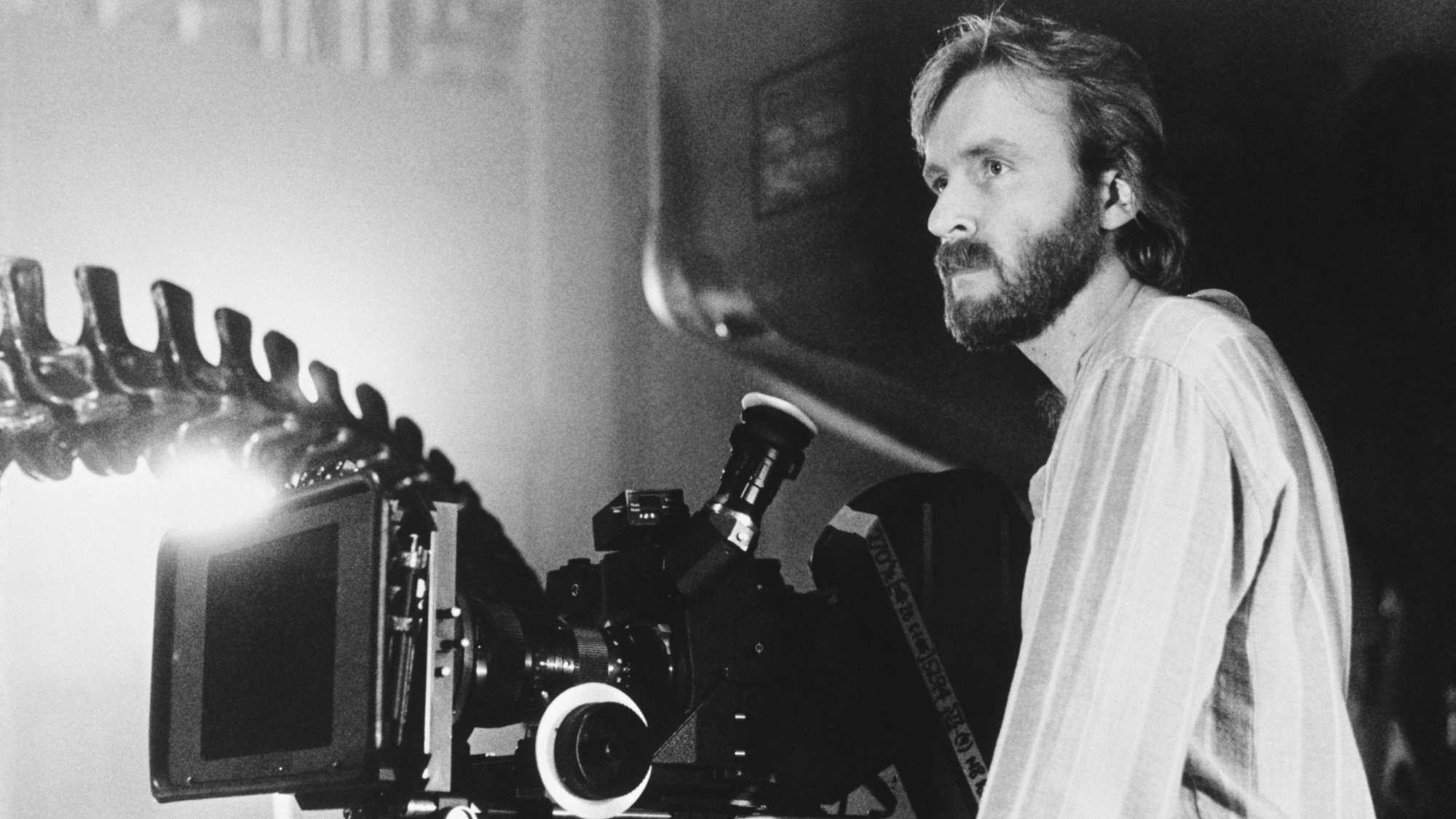
With the key players in place and the budget secured, "Aliens" entered its principal photography phase in 1985, largely characterized by a remarkably smooth and efficient production. Deadlines were met, the film remained within its allocated budget, and the studio afforded Cameron considerable creative freedom. The primary post-production challenge arose from 20th Century Fox’s desire for a two-hour runtime to maximize theatrical screenings. Cameron, after meticulously trimming non-essential scenes, found himself unable to shorten the film further without compromising its narrative integrity. Fortunately, the studio ultimately relented, respecting Cameron’s artistic judgment and allowing the film to retain its intended pacing and impact.
The Enduring Legacy: A Franchise Redefined
The triumphant realization of "Aliens" fundamentally reshaped the trajectory of the franchise. While Ridley Scott’s "Alien" established a chilling foundation of cosmic horror, akin to "Jaws in space," Cameron’s sequel injected a robust element of action into the series’ DNA. This shift, while maintaining the palpable fear and survival stakes, empowered protagonists to actively fight back against the Xenomorphs, turning them into formidable adversaries who could be confronted and vanquished.
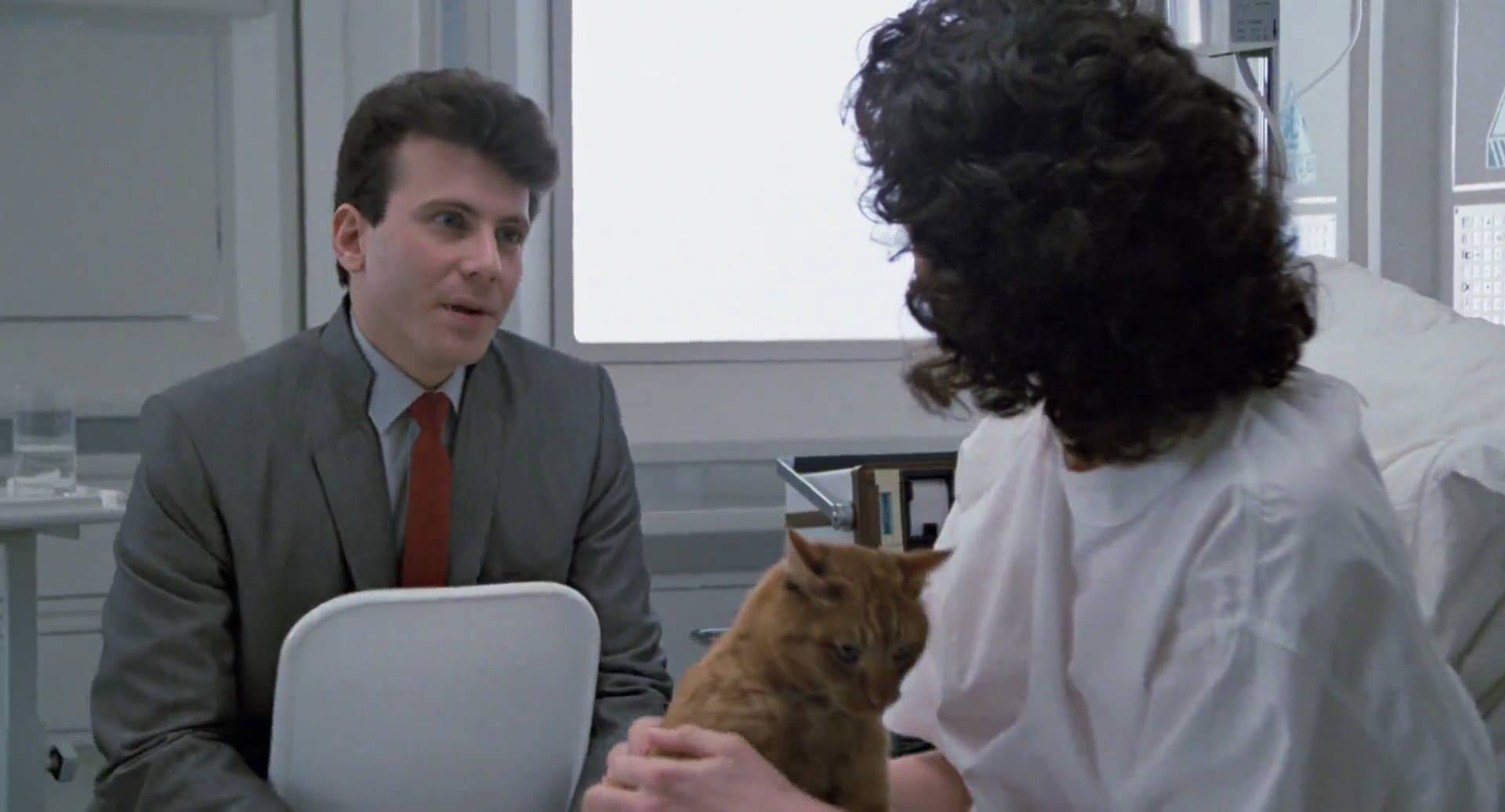
Looking back, it is astonishing to consider how close "Aliens" came to being derailed by studio indecision, financial constraints, and creative disagreements. The film stands as a testament to the power of vision, perseverance, and strategic negotiation in the often-turbulent landscape of Hollywood. It is a powerful reminder that sometimes, to survive and succeed, one must not only scream but also fight back with every ounce of their being, a lesson Ellen Ripley embodied with unparalleled tenacity on the unforgiving frontiers of space. The film’s enduring popularity and critical acclaim solidify its status as a landmark achievement in science fiction cinema, forever altering the perception of what a sequel could be.
Related posts: