The Underground Fight to Save Cats from a Once-Fatal Virus Through a Black Market Revolution

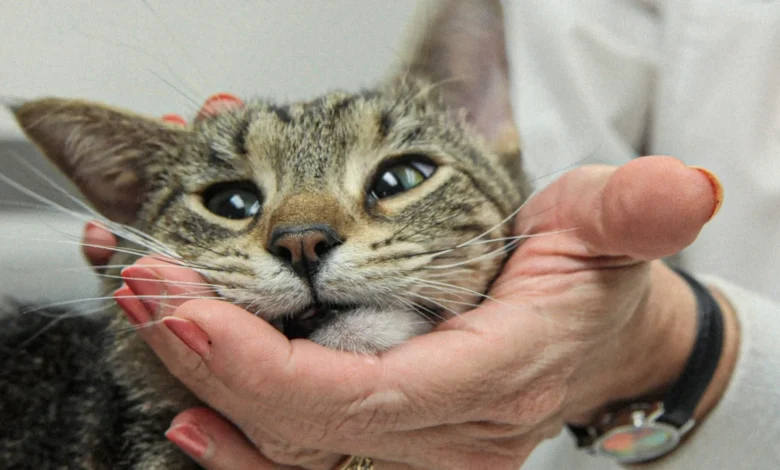
When Marlena Arjo adopted a one-eyed kitten named Otto in 2023, she anticipated the typical challenges of feline guardianship: shredded upholstery, discarded houseplants, and the occasional late-night burst of chaotic energy. She did not, however, expect to find herself navigating a clandestine medical underworld. Within eight months, the vibrant, destructive kitten fell suddenly ill, stopped eating, and began a rapid decline. His diagnosis was Feline Infectious Peritonitis (FIP), a viral disease that has historically functioned as a death sentence for cats.
FIP is caused by a mutation of the feline coronavirus, a common virus that usually results in mild gastrointestinal issues. In a small percentage of cats, however, the virus mutates into a lethal form that triggers a severe inflammatory response, attacking the cat’s organs, eyes, and central nervous system. For decades, veterinary medicine offered little more than palliative care. However, the story of Otto and countless others like him has become a landmark case study in how patient advocacy, social media coordination, and illicit pharmaceutical sourcing can force systemic change in global veterinary standards.
The Anatomy of a Medical Crisis
The clinical reality of FIP is grim. Before recent breakthroughs, the mortality rate for cats diagnosed with the condition approached 100 percent. The disease generally presents in two forms: "wet" (effusive) FIP, characterized by fluid accumulation in the abdomen or chest, and "dry" (non-effusive) FIP, which involves granulomatous lesions in organs.
For Arjo, the diagnosis felt final. Her veterinarian provided the grim prognosis standard for the era: there were no FDA-approved treatments for FIP, and the most compassionate option was often euthanasia. Yet, as the vet prepared to discuss end-of-life care, they offered a whispered, illicit lifeline: a reference to a specific Facebook group where a life-saving, albeit unapproved, drug could be obtained. This moment of professional defiance signaled the beginning of a massive, decentralized, and highly effective black-market operation.
A Chronology of the Underground Movement
The shift from terminal diagnosis to treatable condition did not begin in a research laboratory, but in the digital shadows.
- 2019: Research conducted by Dr. Niels Pedersen at the University of California, Davis, demonstrated that GS-441524—a nucleoside analog—could successfully treat FIP. Despite these findings, the drug was not brought to market for veterinary use.
- 2019–2022: As legitimate pharmaceutical channels remained closed, a "black market" for the drug exploded. Facebook groups such as "FIP Warriors" emerged as central hubs, connecting desperate owners with suppliers, primarily based in China, who manufactured the compound.
- 2023: The practice of sourcing "gray market" medication became normalized within the veterinary community. Owners were increasingly performing their own injections, managing dosages, and navigating international shipping logistics to keep their pets alive.
- 2024: Mounting pressure from pet owners and veterinary advocacy groups began to force regulatory bodies to reconsider the classification of these treatments.
- 2025–Present: Legislative and regulatory shifts have begun to bring these life-saving treatments into the mainstream, effectively rendering the original black market obsolete by providing safe, legal, and accessible alternatives.
The Economic and Ethical Implications
The existence of an illicit market for animal medication raises significant ethical questions regarding intellectual property, drug development, and the role of the veterinary profession. When pharmaceutical companies are hesitant to pursue veterinary applications for drugs due to high costs or low return on investment, the resulting vacuum is often filled by unregulated sources.
The "FIP black market" was a high-stakes environment. Owners were forced to pay significant sums for drugs of varying purity levels, with no regulatory oversight to ensure the safety of the medicine. Moreover, veterinarians found themselves in a legal and ethical bind: advising owners on how to administer a drug that was not FDA-approved could jeopardize their medical licenses. Despite these risks, the sheer efficacy of GS-441524—with clinical cure rates reported as high as 80 to 90 percent—made the risk worthwhile for thousands of owners.
Data and Veterinary Outcomes
Data collected during the height of the crisis underscored the necessity of the black market. Studies following the use of black-market GS-441524 indicated that early intervention was the primary factor in long-term survival. Owners who acted quickly—often identifying the symptoms of FIP through specialized online forums before their own vets could confirm the diagnosis—saw survival rates that mirrored the initial trials at UC Davis.
The transition from illegal sourcing to regulated medicine has been hailed as a victory for "compassionate use." However, it also serves as a warning for regulators. The fact that thousands of cat owners felt compelled to bypass legal medical channels suggests a failure in the traditional pipeline of drug approval and distribution.
Official Responses and Industry Shift
In recent months, major veterinary organizations have begun to provide clearer guidelines for practitioners regarding the management of FIP. The American Association of Feline Practitioners (AAFP) and other global bodies have moved to advocate for the wider availability of approved treatments.
"We are seeing a paradigm shift," noted one veterinarian who requested anonymity to speak about the previous black-market practices. "The pet-owning public is no longer content to accept a terminal diagnosis when the science for a cure exists. They forced the hand of the medical establishment, and the result is a much safer, more transparent environment for feline care."
Broader Implications: A New Model for Advocacy
The FIP story is, at its heart, a testament to the power of digital communities. By creating a global network of "lay-experts," cat owners were able to provide the data, the demand, and the logistical support necessary to force a change in the pharmaceutical industry. This model of patient-led advocacy is being studied by researchers in other fields, particularly in rare diseases where traditional research funding is scarce.
The implications for veterinary medicine are profound. As precision medicine continues to evolve, the ability for owners to access information and advocate for off-label use of drugs will likely increase. This necessitates a more collaborative relationship between pet owners and veterinarians, moving away from a paternalistic model toward one of shared decision-making.
For Marlena Arjo and others who lived through the era of the "cat drug black market," the legacy of the experience is one of both trauma and relief. Otto, the one-eyed kitten who destroyed calendars and houseplants, is alive today because a community of strangers refused to accept that a diagnosis was a death sentence. As the industry moves toward legal, standardized care for FIP, the clandestine groups are fading, but the precedent they set—that the lives of companion animals are worth the fight—will remain a cornerstone of the future of veterinary medicine.
The story of FIP serves as a reminder that science moves at the speed of policy, but sometimes, the collective will of those affected by a disease can move the needle faster than any corporation or regulatory body ever could. While the black market was a necessary evil for a time, its obsolescence marks the beginning of a new, more humane chapter in the history of feline health.