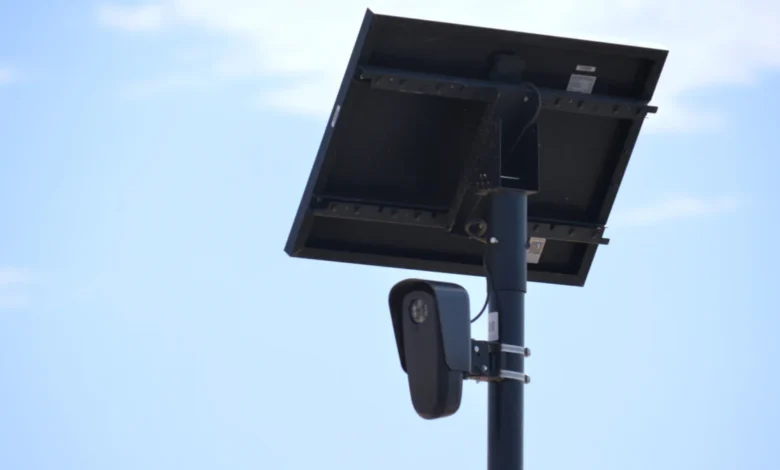
The proliferation of automated license plate readers and surveillance hardware across American municipalities has sparked an ongoing, contentious debate regarding privacy, civil liberties, and public expenditure. As local law enforcement agencies increasingly integrate advanced monitoring systems into their daily operations, a parallel wave of civil resistance has emerged. Across the United States, citizens and activists frustrated by ubiquitous surveillance have turned to direct action, frequently resulting in the vandalism, destruction, and removal of automated cameras. This phenomenon has brought a critical, often-overlooked financial question to the forefront of municipal governance: When automated surveillance hardware is destroyed or damaged, who ultimately foots the bill? A thorough examination of municipal contracts, corporate policies, and public finance reveals that regardless of whether equipment is repaired under specialized protection plans or replaced outright, the financial burden falls squarely on the shoulders of local taxpayers.
The Rising Tide of Surveillance and Public Backlash
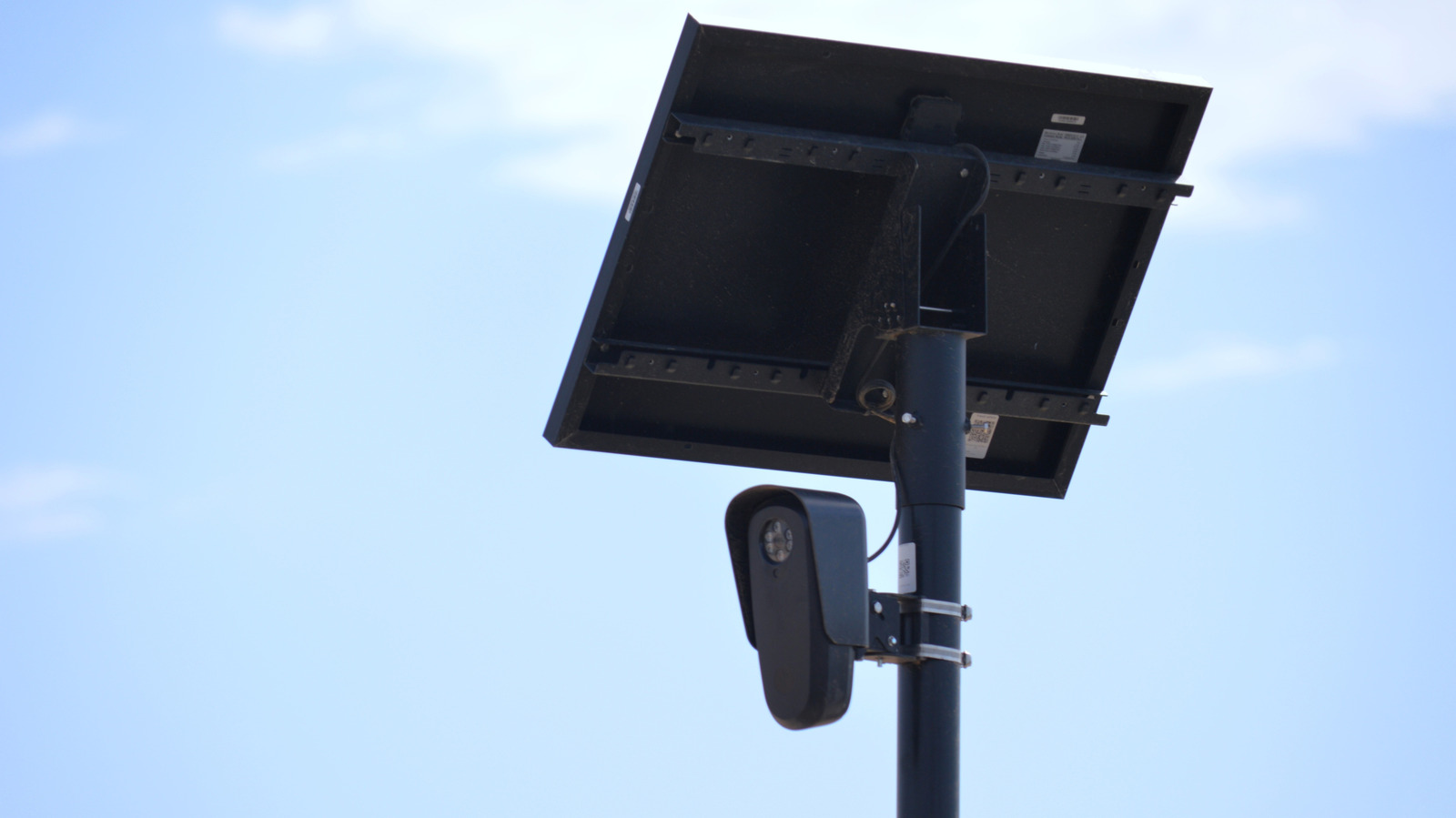
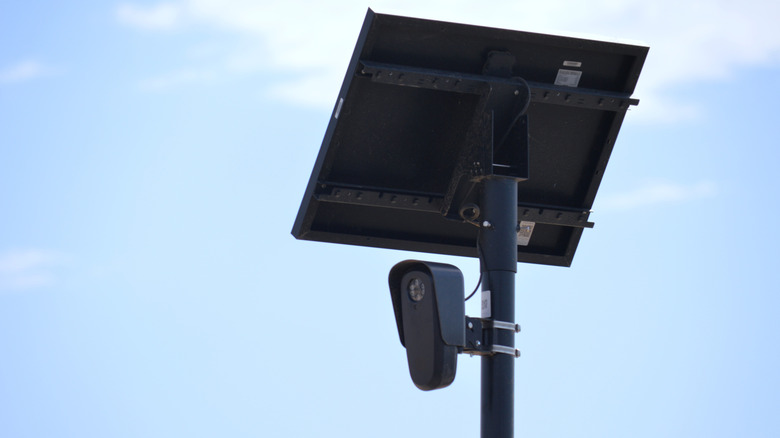
Automated license plate readers (ALPRs), manufactured heavily by companies such as Flock Safety, have become a cornerstone of modern policing strategy. Designed to capture vehicle details, license plate numbers, and temporal data in real time, these solar-powered or grid-connected devices are deployed along roadways, intersections, and neighborhood entrances to assist law enforcement in tracking stolen vehicles, locating missing persons, and solving violent crimes. However, the rapid expansion of these networks has outpaced public consensus, generating profound pushback from privacy advocates, civil rights organizations, and local residents who view the technology as an unwarranted intrusion into daily life.
This widespread discontent has frequently manifested as physical opposition. Across various states, individuals have taken matters into their own hands, cutting down poles, spray-painting camera lenses, and dismantling the hardware entirely. These acts of vandalism are rarely isolated incidents; they represent a visceral form of protest against perceived government overreach and the normalization of continuous, automated observation. Yet, an analysis of the financial mechanisms governing these proprietary systems suggests that acts of civil disobedience against surveillance hardware ultimately backfire on the local community, inadvertently driving more revenue toward private tech firms while draining municipal resources.
A Case Study in Municipal Friction: The Houston Incidents
The financial implications of camera vandalism gained national attention during a high-profile series of events in Texas. In July, the city of Houston and surrounding jurisdictions made headlines when local protesters targeted and cut down at least six Flock Safety cameras. The wave of vandalism occurred in direct response to decisions by multiple Texas counties to renew and expand their contractual relationships with the surveillance firm through the year 2027, despite mounting public opposition and intense debates during local government sessions.
While these acts were framed by perpetrators as statements of defiance against expanded monitoring, municipal contract structures ensure that the physical destruction of the equipment achieves little in terms of financial deterrence. Instead, local governments are legally bound by replacement clauses that shift the entire cost of repair and reinstatement back onto public agencies. Consequently, the act of cutting down a surveillance camera does not penalize the corporation that manufactured and marketed the device; rather, it triggers a mandatory procurement cycle that requires additional public funds to restore the status quo.
Contractual Liabilities and Replacement Costs
To understand the financial mechanics governing damaged surveillance infrastructure, one must examine the procurement contracts established between private tech vendors and local municipalities. A review of public records provides clear insight into how these financial risks are allocated. For example, the formal agreement between Flock Safety and Fort Bend County in Texas outlines explicit protocols and financial penalties in the event that hardware is compromised.
According to the contract terms, if Flock hardware is lost, stolen, or damaged by any means—including vandalism, weather events, or traffic accidents—the customer, defined as the county government, retains the right to request replacement hardware. However, this replacement is contingent upon specific, non-negotiable fees. Standard replacement costs stipulated in the agreement include a fee of $500 to replace a standard mounting pole, $2,000 for an advanced or specialized pole structure, and $800 for each individual camera unit.
Because these contracts are executed by municipal or county governments using public funds, the expenditure required to replace vandalized equipment is drawn directly from municipal budgets. These budgets are funded by local taxation, meaning that every camera downed by a disgruntled citizen directly translates to a supplementary expenditure absorbed by local taxpayers. Rather than disrupting the corporate supply chain or forcing the vendor to bear the economic loss of its deployed assets, vandalism merely accelerates the purchasing cycle, generating additional revenue streams for the private entity through replacement fees and new hardware orders.
The Corporate Response: Insurance Models and Protection Plans
Recognizing that outdoor surveillance hardware is inherently vulnerable to environmental hazards, accidents, and intentional vandalism, private vendors have developed specialized financial products to mitigate these risks for client agencies. In tandem with public controversies regarding repair costs, Flock Safety published detailed operational guidance outlining optional administrative safeguards designed to protect law enforcement agencies from unpredictable out-of-pocket expenses.
Central to this risk-management framework is the Camera Protection Plan. According to corporate documentation, law enforcement agencies that opt into this specialized service agreement are shielded from the direct, recurring costs of equipment failure resulting from damage. The corporate policy specifies that for agencies enrolled in the protection plan, the company will repair or replace covered automated license plate readers or video cameras at no additional cost when physical damage occurs.
However, this protection plan is not a complimentary service. Flock Safety describes the arrangement as an "optional annual add-on," indicating that it operates similarly to a recurring subscription premium or commercial insurance policy. While the exact financial cost of this annual add-on is not publicly disclosed in standard marketing materials, economic reality dictates that it represents a non-trivial expense.
This creates a complex financial paradox for local governments. Agencies can choose to forego the protection plan and risk paying steep, ad-hoc replacement fees every time a camera is vandalized or destroyed, or they can pre-pay an undisclosed annual premium to ensure coverage. In either scenario, the financial responsibility rests entirely on the public sector. Unlike traditional private insurance, where risk is distributed across a third-party commercial pool, the insurance-like mechanism for surveillance hardware is managed directly by the manufacturer, ensuring that corporate revenue is protected regardless of whether the cameras remain operational or are repeatedly destroyed.
Broader Economic and Governance Implications
The intersection of public infrastructure vandalism and private vendor contracts raises critical questions regarding municipal fiscal responsibility and public-private partnerships in the modern era. As cities and counties increasingly rely on proprietary technology firms to manage public safety and traffic enforcement, local governments find themselves locked into long-term financial commitments that extend far beyond initial software licensing and hardware installation fees.
From a public policy perspective, the reliance on private vendors for law enforcement infrastructure introduces unique vulnerabilities. When public assets are systematically targeted for destruction, the financial safety net established by corporate contracts ensures that taxpayers absorb the total cost of civil unrest. Conversely, the high cost of maintenance and replacement may incentivize cash-strapped local governments to divert funds from vital public services—such as education, infrastructure maintenance, and social programs—to replenish surveillance networks.
Furthermore, the lack of transparency surrounding the true cost of ancillary services, such as annual camera protection plans and specialized hardware replacement tiers, complicates democratic oversight. Citizens attending local government budget hearings are frequently unaware of the hidden financial liabilities associated with deploying advanced surveillance technology, particularly the ongoing costs incurred by equipment maintenance, vandalism repair, and contract renewals.
Conclusion
The debate over automated license plate readers and surveillance cameras in the United States extends well beyond ideological arguments concerning privacy and public safety. It is fundamentally grounded in questions of resource allocation, corporate accountability, and municipal finance. While acts of vandalism against Flock cameras are often executed as direct statements against perceived 24/7 surveillance, the structural realities of municipal contracts ensure that these actions achieve the opposite of their intended economic effect. By contractually obligating local governments to cover the costs of lost, stolen, or damaged hardware—either through direct replacement fees or through recurring, premium-based protection plans—private surveillance firms are insulated from financial loss. Ultimately, whether through the immediate purchase of replacement poles and camera units or the continuous funding of corporate protection plans, the financial burden of damaged surveillance equipment remains firmly where it started: on the taxpayer.