Unheard and Unrepresented: U.S. Pacific Territories Fight Back Against the Trump Administration’s Deep-Sea Mining Push


Lou Leon Guerrero, the governor of Guam, learned that the federal government planned to auction off millions of acres of her people’s surrounding waters the same way most citizens did: by scrolling through the daily news. On November 12, an advisor forwarded an online article after a journalist inquired about an unfolding federal policy. Opening the page, Leon Guerrero was stunned to discover that the Trump administration intended to lease vast expanses of the Pacific seafloor to private mining corporations.
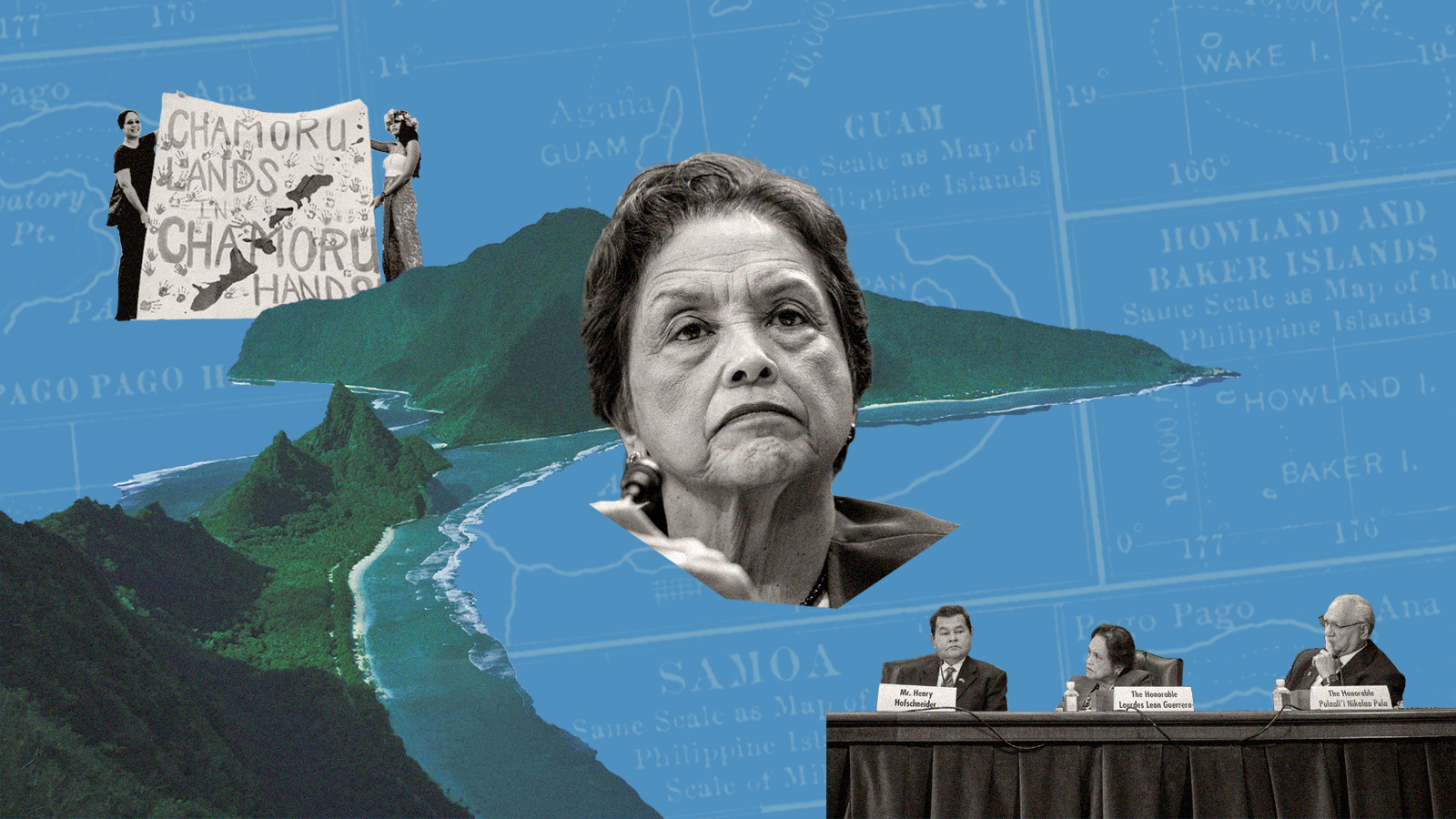
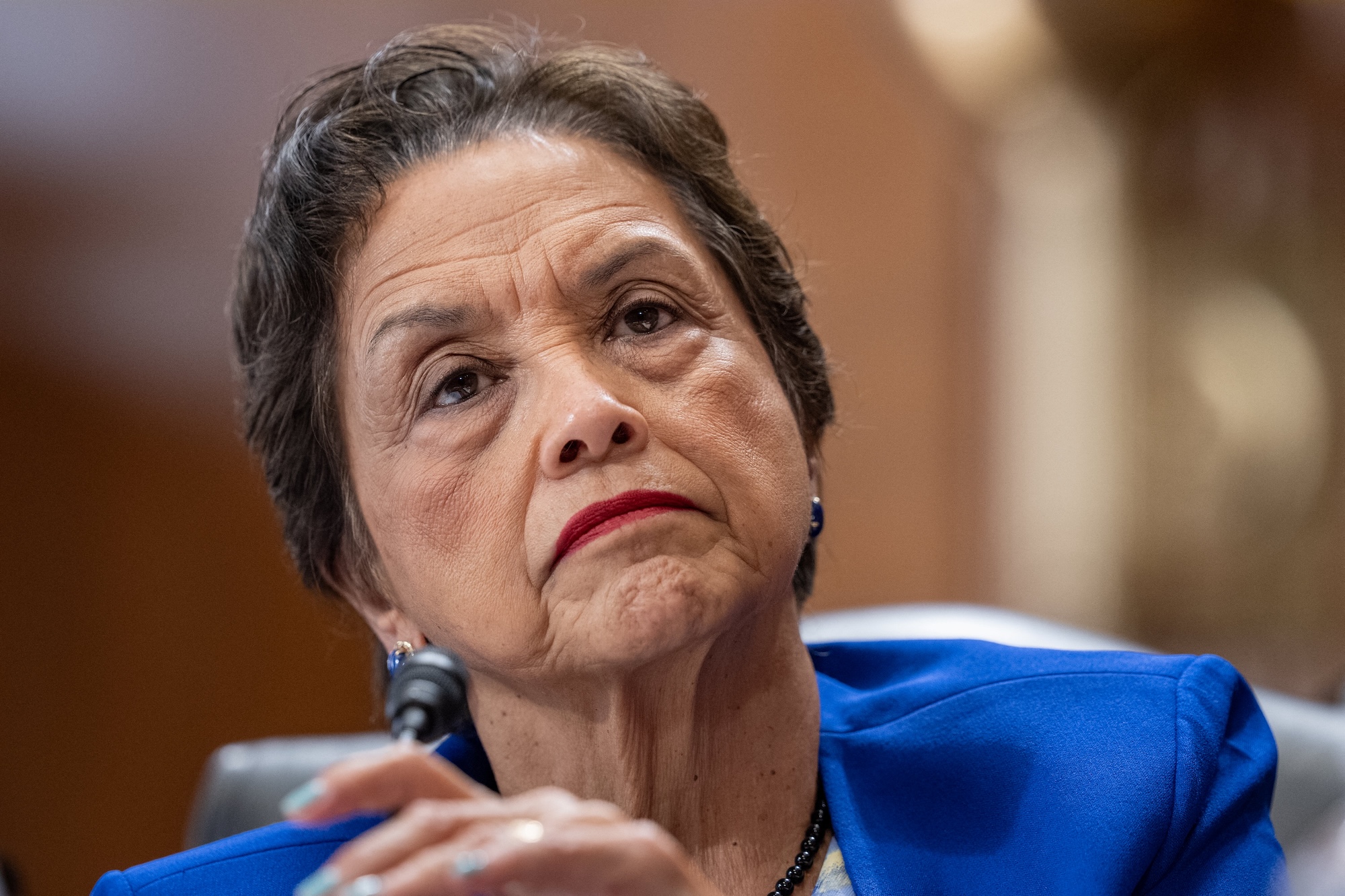
“I’ll never forget the date,” Leon Guerrero recalled from her office overlooking Agana Bay, noting that local leadership had received zero advance notice of the sweeping proposal. Her shock was immediately mirrored across regional boundaries. She contacted David Apatang, the governor of the neighboring Commonwealth of the Northern Mariana Islands (CNMI), to confirm their mutual exclusion from federal deliberations. Shortly after, she reached out to Bill Hague, an official within the Department of the Interior—the agency tasked with managing federal-territorial relations.
Leon Guerrero acknowledged the political reality of her island’s status, telling Hague that while she understood the federal government could unilaterally enforce its will, she wanted to place her absolute opposition on the record. According to the governor, Hague reassured her that commercial mining would never proceed without community backing. Yet, within less than a year, that exact trajectory materialized, thrusting America’s Pacific territories into a high-stakes conflict over sovereignty, environmental protection, and the global race for critical minerals.

The Geopolitical Push for Critical Minerals
The Trump administration’s aggressive push into deep-sea mining is anchored in a broader federal strategy to secure critical minerals and neutralize China’s dominant foothold in the global supply chain. Essential resources including copper, manganese, nickel, and rare earth elements are vital components for advanced military technologies, renewable energy infrastructure, and high-capacity battery manufacturing.
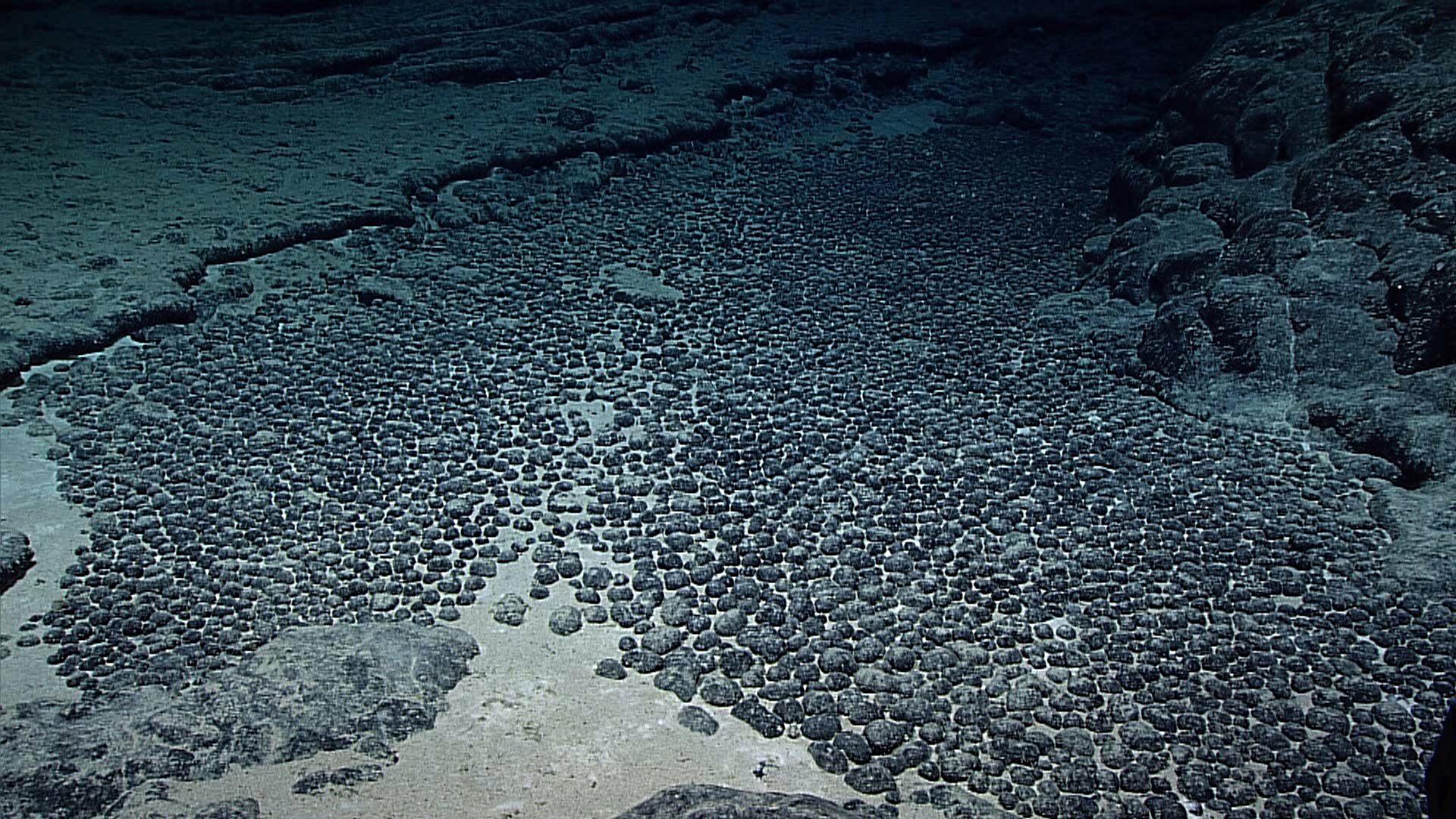
To achieve resource independence, federal regulators have set their sights squarely on the submerged continental shelves surrounding America’s Pacific island territories. In July, the Marine Minerals Administration announced plans to auction access to 31 million acres of the continental shelf encircling American Samoa by mid-November. Just one month later, the agency unveiled companion plans for a December lease sale spanning over 67 million acres on both sides of the Marianas archipelago, encompassing the CNMI and Guam. Notably, approximately half of these targeted acreage plots abut a national marine monument established by President George W. Bush to preserve fragile deep-sea ecosystems.
Unlike neighboring sovereign Pacific nations that exercise absolute autonomy over their maritime zones, U.S. territories remain legally bound to federal directives. Under international frameworks, Indigenous peoples maintain the right to free, prior, and informed consent regarding industrial projects affecting their traditional lands and waters. However, the Trump administration asserts unilateral authority to bypass these international principles under domestic U.S. law.
A Century of Colonial Invisibility and Legal Battles
This unilateral decision highlights a century-long disenfranchisement that has routinely denied Pacific territorial residents a meaningful voice in federal governance. Adi Martínez-Román, co-director of the legal advocacy group Right to Democracy, notes that territorial residents cannot vote in presidential elections, lack voting representation in Congress, and see their rights to self-determination systematically sidelined.
“The territories are practically invisible to the general U.S. society and to public officials,” Martínez-Román said. “It is an insidious result of the colonial framework.”
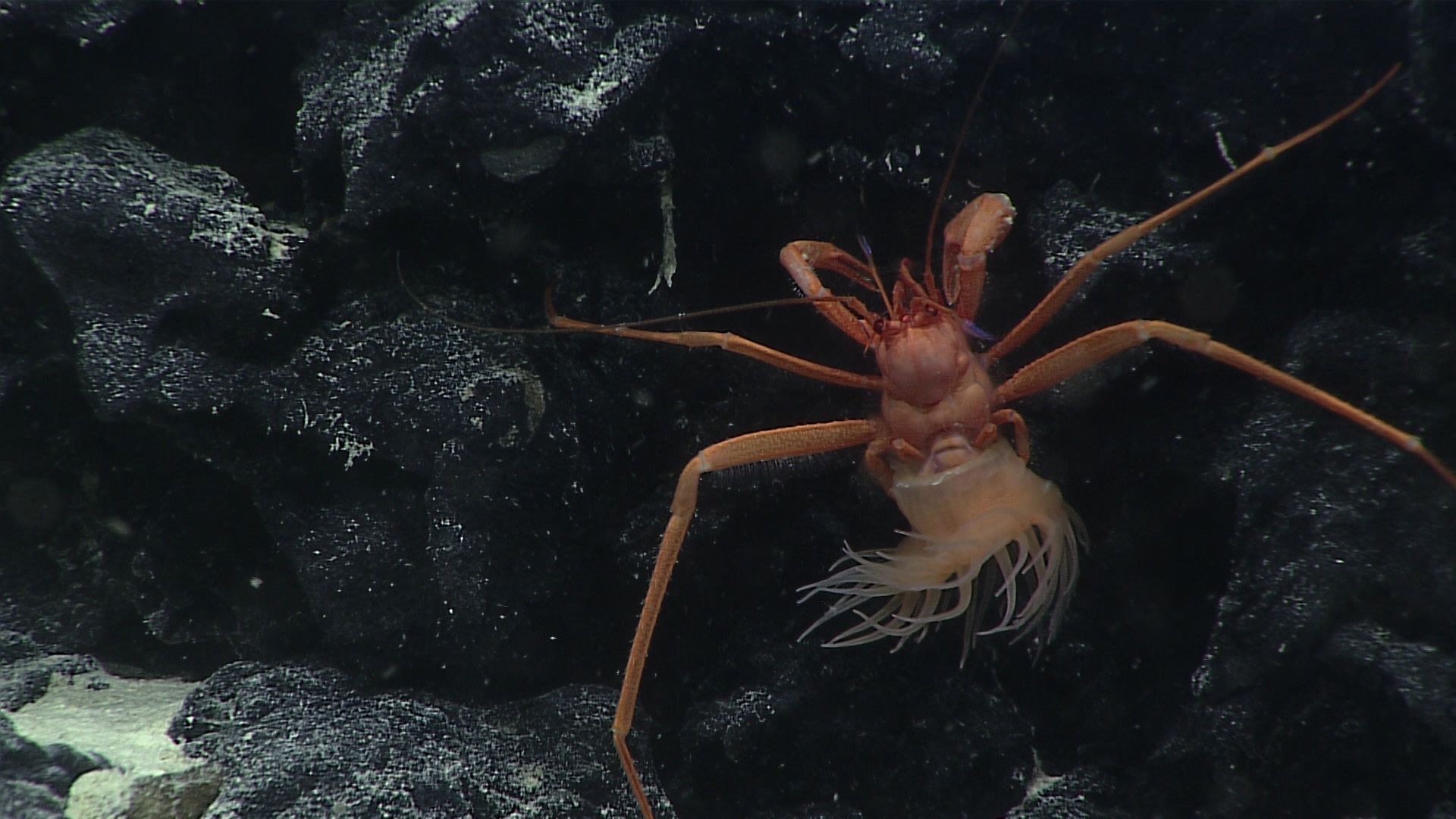
The mounting tension has already spilled over into the federal courts. Earthjustice, an environmental law nonprofit, filed lawsuits against the administration on behalf of regional conservation groups in American Samoa and the Mariana Islands. The legal challenges argue that federal agencies are rushing into commercial leasing without adequately assessing whether deep-sea mining will devastate protected species under the Endangered Species Act, including whales and sea turtles.
While the Marine Minerals Administration has declined to comment on pending litigation, agency spokesperson Brent Lawrence maintained that the department remains committed to closely coordinating with territorial leaders and local community members.
Cultural Disruption and Economic Desperation
For residents across the Pacific, the threat of seabed mining strikes at the heart of cultural identity and economic survival. J.V. Langkilde, an Earthjustice attorney and native of American Samoa, received news of the federal lease sale at 2 a.m. on July 16—a holiday commemorating Manu’a Flag Day, which marks the historic treaty bringing the islands under U.S. sovereignty. Instead of celebrating local property rights, families spent the holiday discussing the irony of an administration granting corporate claims to their ocean floor without baseline impact studies.

Commercial-scale deep-sea mining remains largely untested, leaving scientific communities deeply divided over its environmental fallout. Recent studies warn that mining operations could generate massive sediment plumes capable of choking large pelagic fish, such as tuna. In American Samoa, tuna exports and the local StarKist cannery account for roughly 80 percent of private-sector employment. Similar economic vulnerabilities plague the CNMI, which has struggled through a prolonged tourism slump compounded by recent devastation from super typhoons, and Guam, where post-pandemic tourism declines have intensified reliance on military installations.
Proponents of the industry argue that mining could inject much-needed capital into struggling island economies. Some sovereign neighbors, such as the Cook Islands and Nauru, actively sponsor deep-sea exploration contracts through the International Seabed Authority to diversify their financial portfolios. However, analysts and environmental economists question whether seabed extraction will ever achieve profitability, warning that proposed revenue-sharing models would return negligible financial benefits to local communities while leaving environmental cleanup liabilities entirely unaddressed.
Disenfranchised Voices and Broken Promises
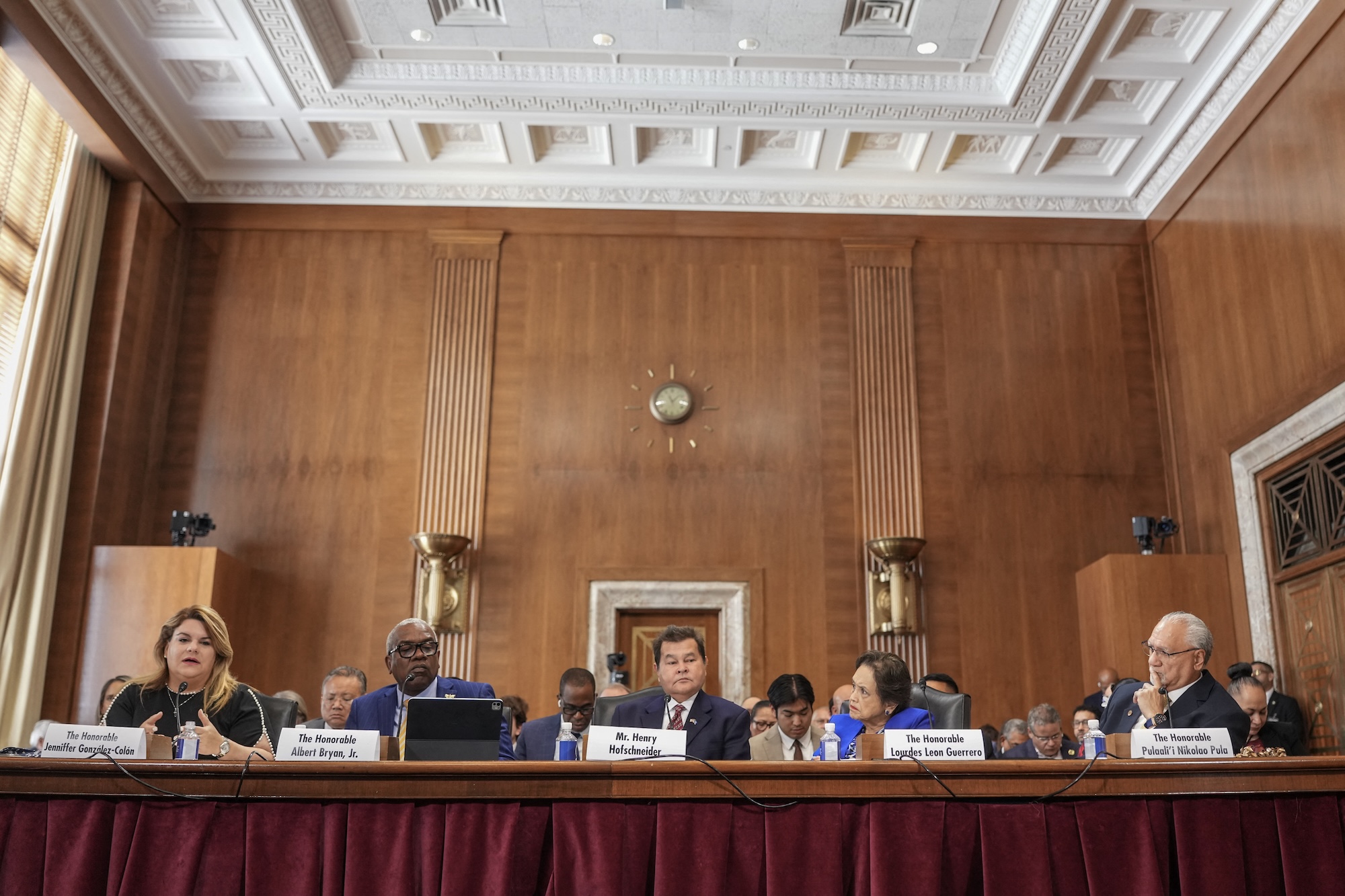
Throughout the policy rollout, local leaders have repeatedly accused federal officials of deliberate exclusion. Four months after the initial lease announcement, Governor Lou Leon Guerrero traveled to Washington, D.C., to testify before congressional committees regarding her island’s opposition. Just three days after returning to Guam, she discovered that the Bureau of Ocean Energy Management had quietly doubled the proposed mining footprint, pushing boundaries even closer to her shores without prior consultation.
When contacted for comment, Interior Department spokesperson Alyse Sharpe emphasized the agency’s commitment to a transparent exploration process, noting that initial lease sales do not automatically grant final permits to extract minerals. Sharpe added that any future operations would face rigorous feasibility, safety, and environmental reviews.

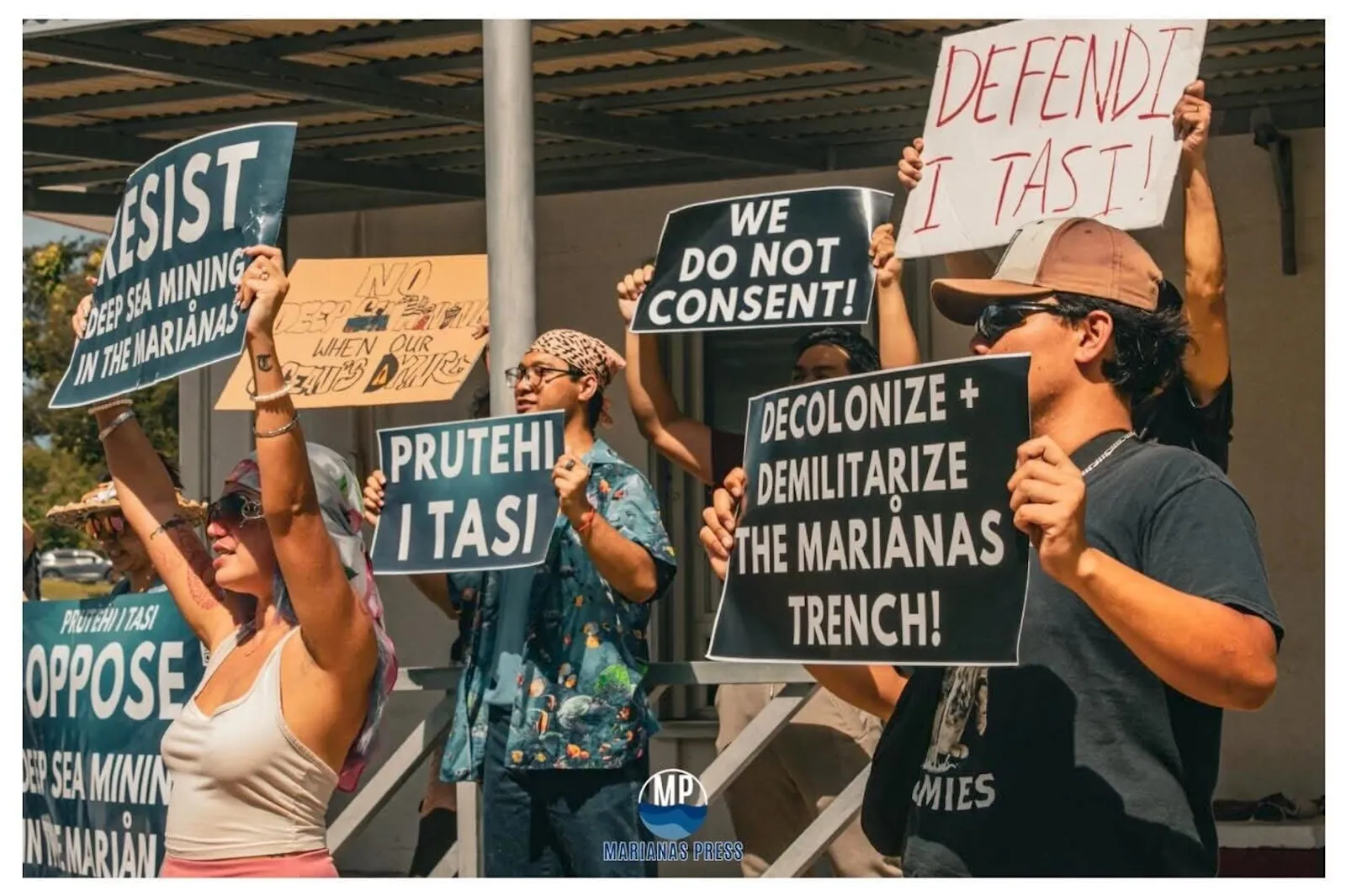
Yet, for advocates like Neildino Taisacan and Sheila Babauta in the Mariana Islands, official assurances ring hollow. Navigating the aftermath of climate-fueled typhoons while attempting to monitor fast-moving federal regulatory notices has left local communities overwhelmed.
“All we can do is just scream at the top of our lungs and say, ‘No, we don’t want this,’” Taisacan said.
Without voting power in Congress or a direct mechanism to block federal decrees, territorial leaders are shifting focus toward securing mandatory revenue-sharing agreements and environmental safety bonds if the industry is forced upon them. Kimberlyn King-Hinds, the non-voting House delegate for the CNMI, has pledged to introduce legislation guaranteeing the commonwealth a 50 percent share of any future seabed mining revenues.
As the Trump administration barrels forward with its critical mineral strategy, the fundamental tension between federal resource extraction and local self-determination remains unresolved. For the Indigenous peoples of Guam, American Samoa, and the Mariana Islands, the fight over the Pacific seafloor is not merely an environmental dispute—it is a critical test of their survival, dignity, and autonomy under the American flag.
Related posts: