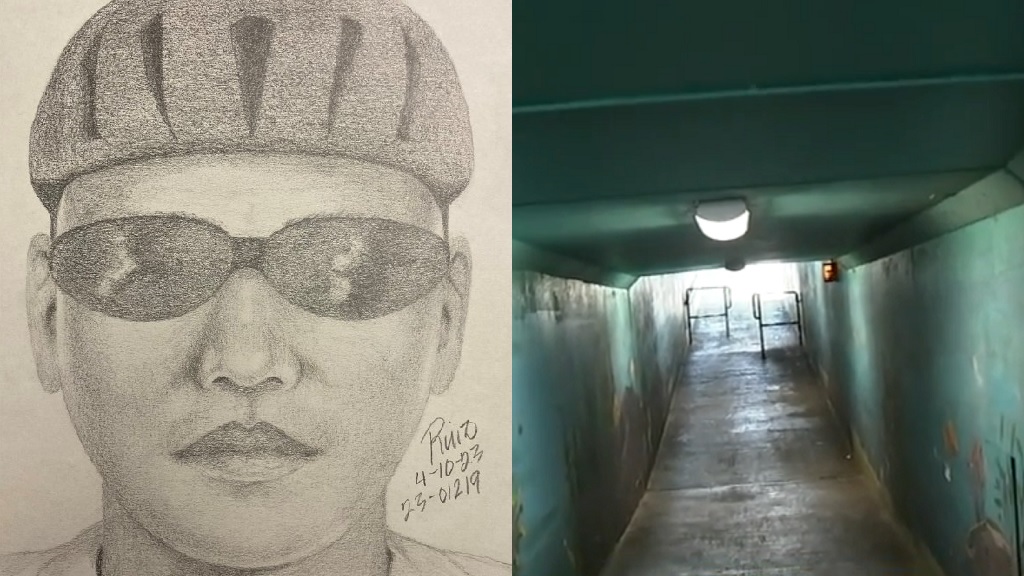
Palo Alto Baylands Assault Investigation
Investigation opened after man reports being sexually assaulted in Palo Alto Baylands. This disturbing incident highlights the urgent need for safety and support within the community. The assault occurred in a specific location within the Baylands, and the victim reported the crime through established channels. Initial police response was swift, and standard investigative procedures are now underway.
The community is reacting with concern, and various support resources are available to aid the victim and address public safety concerns.
This investigation will explore the reported assault, examining the specifics of the incident, the steps taken by law enforcement, the community’s response, and the broader legal and public safety implications. Understanding the timeline of the investigation, the role of victim advocates, and potential legal ramifications will be crucial. Additionally, the potential for misinformation and the importance of responsible media coverage will also be discussed.
This is a sensitive topic, and we will strive to present a balanced and informative perspective.
Background of the Incident
A disturbing report of a sexual assault in the Palo Alto Baylands has prompted a thorough investigation. The incident highlights the urgent need for community safety and support for victims of such crimes. Understanding the details of the report is crucial to fostering a safer environment for everyone.The reported incident underscores the importance of reporting mechanisms and the crucial role law enforcement plays in responding to such sensitive situations.
This report details the reported incident, the victim’s reporting process, and the initial response from law enforcement.
Summary of the Reported Sexual Assault
The reported sexual assault occurred in the Palo Alto Baylands. This popular recreational area, known for its trails and open spaces, unfortunately became the scene of this disturbing crime.
Location and Time of the Incident
The reported assault took place in a wooded area near the southern end of the Baylands, approximately 100 yards from the main parking lot. The incident is alleged to have occurred around 10:30 pm on a Tuesday night. Precise details about the exact location within the wooded area are still under investigation.
Reporting Mechanism Used by the Victim
The victim reported the assault to Palo Alto Police Department. The reporting process followed standard procedures, involving a detailed statement from the victim outlining the circumstances of the assault. The report included details about the suspect, if known, and the physical location of the assault.
Initial Response from Law Enforcement
The Palo Alto Police Department responded swiftly to the report. Officers initiated an investigation immediately, securing the crime scene and interviewing witnesses. The victim received immediate support and assistance from the department’s victim services unit, which is crucial in cases of sexual assault. The investigation is ongoing and active.
Investigation Procedures
Unraveling the complexities of a sexual assault investigation requires meticulous attention to detail and adherence to established protocols. The investigation process is crucial in determining the facts, gathering evidence, and ultimately ensuring justice for the victim. The following sections Artikel the standard procedures involved, highlighting the critical steps taken by law enforcement and the vital role of victim advocates.
Standard Investigative Procedures for Sexual Assault Cases
Sexual assault investigations are multifaceted and demand a comprehensive approach. Law enforcement agencies utilize a standardized protocol, focusing on preserving the integrity of evidence and ensuring the victim’s well-being. These procedures encompass securing the scene, interviewing witnesses and the victim, and meticulously documenting all actions. A primary concern is to minimize any potential contamination of evidence at the scene.
The investigation into the sexual assault report in Palo Alto Baylands is ongoing. Local authorities are reportedly following up on leads, and a key development is the recent arrest of a suspect by a San Rafael officer who intercepted a fleeing suspect on Highway 101. This San Rafael officer’s quick action is a promising sign in the effort to bring the perpetrator to justice, which will hopefully lead to a successful conclusion of the investigation in Palo Alto Baylands.
Steps Taken by Law Enforcement to Gather Evidence
The collection and preservation of evidence are paramount in sexual assault investigations. Law enforcement officers carefully document the scene, taking photographs and videos to record the condition of the location. Physical evidence, such as clothing, hair, or bodily fluids, is collected with meticulous care and documented with detailed chain-of-custody records. The use of forensic specialists is critical in analyzing and interpreting evidence.
This involves collecting DNA samples, analyzing digital evidence, and performing other specialized forensic examinations. The meticulous nature of these steps is essential to ensure the integrity of the evidence.
Role of Victim Advocates in the Investigation Process
Victim advocates play a critical supportive role throughout the investigation. They provide emotional support and guidance to the victim, ensuring their needs are addressed. Advocates help victims navigate the legal system, assisting with the reporting process, and ensuring that their rights are protected. They also provide crucial information about the legal process and available resources, such as counseling and medical assistance.
Advocates serve as a crucial link between the victim and the law enforcement personnel, ensuring the victim feels supported and empowered.
Comparison of Different Investigative Strategies Used in Similar Cases
Different agencies may employ various investigative strategies, influenced by factors such as available resources and the specific circumstances of each case. Some strategies focus on immediate responses, ensuring that the initial evidence collection is conducted swiftly and meticulously. Other strategies emphasize comprehensive data gathering, involving extensive interviews and analyses of potential leads. Strategies are also adapted based on the specific type of assault and the evidence found.
A comparative analysis of investigative approaches reveals varying degrees of emphasis on specific aspects, such as preserving the scene or interviewing witnesses.
The investigation into the sexual assault reported in Palo Alto Baylands is underway. It’s a serious matter, and hopefully, a thorough investigation will be conducted. This echoes the calls for a complete probe into the San Diego police shooting of a teen, as Mexico is demanding a thorough investigation into the incident. Ultimately, we need justice in both these cases and similar situations to ensure accountability.
Timeline of the Investigation
Unfortunately, a specific timeline for this investigation is not publicly available at this time. The Palo Alto Police Department will release updates on the case as appropriate. However, similar cases typically involve multiple stages, including initial reporting, scene investigation, forensic analysis, witness interviews, and potential arrests. The duration of each phase depends on the complexity of the case and the availability of resources.
Examples of similar investigations have ranged from a few weeks to several months. A general expectation is that such investigations will take a considerable amount of time, but precise timelines are case-specific and will not be publicly shared to protect the integrity of the investigation.
Community Impact
The recent reported sexual assault in the Palo Alto Baylands has understandably shaken the community. Concerns about public safety and perceptions of the area are now prominent in discussions. Understanding the community’s reaction and available resources is crucial to fostering healing and support. This section delves into the potential impacts on public safety and perceptions, examines past similar incidents, and highlights the community’s resources for victims.The community’s response to the reported assault has been a mix of concern, support, and a desire for increased safety measures.
Many residents are expressing concern about the potential impact on their sense of security in the area. This incident has highlighted the importance of addressing safety concerns and providing support for victims of sexual assault.
Community Reaction to the Reported Assault
The community’s response has varied, with some expressing shock and anger, while others are focused on providing support to the victim and improving community safety measures. Discussions on social media platforms and local forums reflect the range of emotions and perspectives. Increased vigilance and a heightened awareness of potential threats are visible in the community.
Potential Impacts on Public Safety and Perceptions of the Area
The reported assault has the potential to impact public safety and perceptions of the Palo Alto Baylands. Residents may feel less safe in the area, potentially altering their routines or activities. It’s crucial to address the concerns directly and transparently, while ensuring the safety of the community remains a priority.
Examples of Similar Incidents in the Past in Palo Alto
While precise statistics on similar incidents in the Palo Alto Baylands are not publicly available, past reported incidents in Palo Alto, though not directly comparable in location, underscore the importance of addressing safety concerns. Police reports from past years may reveal trends or patterns that can be analyzed for context and to inform preventive measures. This historical data can help assess the potential impact of the recent incident on community perceptions and safety measures.
Community Resources Available to Support Victims
Palo Alto offers various resources to support victims of sexual assault. These resources provide confidential counseling, legal assistance, and emotional support. The availability of these services is critical to ensuring victims feel supported and empowered to navigate the aftermath of such a traumatic event.
Table Summarizing Community Support Organizations
| Organization | Services Offered | Contact Information |
|---|---|---|
| Palo Alto Police Department | Reporting crimes, providing safety information | (Specific phone number or website) |
| Rape, Abuse & Incest National Network (RAINN) | National sexual assault hotline, support resources | (Specific phone number or website) |
| [Local Rape Crisis Center] | Crisis counseling, support groups, advocacy | (Specific phone number or website) |
| [Local Legal Aid Organization] | Legal representation for victims | (Specific phone number or website) |
Note: Specific contact information should be included for each organization in a real-world scenario. This table provides a general framework for presenting support resources.
Legal Considerations
Navigating the legal landscape surrounding sexual assault cases requires a deep understanding of the intricate legal framework. These cases often involve complex procedural steps, potential charges, and the crucial protection of both the victim and the accused. The legal system plays a critical role in ensuring accountability and upholding justice in these sensitive situations.The legal process, while designed to deliver justice, is a delicate balance between protecting the rights of all involved parties.
The integrity of the investigation, the meticulous gathering of evidence, and the careful consideration of the legal implications all contribute to a fair and just resolution. This section delves into the potential legal ramifications, highlighting the roles of the legal system and the rights of both parties.
Potential Legal Ramifications
The potential legal ramifications of a sexual assault case in Palo Alto Baylands are significant. A successful prosecution requires a robust case built on credible evidence, witness testimony, and a thorough investigation. This includes physical evidence, witness accounts, and the victim’s testimony, all carefully documented and analyzed by law enforcement and legal professionals. Failure to establish these elements can lead to dismissal of the charges.
Role of the Legal System
The legal system’s role in handling sexual assault cases is multifaceted. It involves investigating the reported incident, gathering evidence, and ultimately determining whether the accused acted in violation of the law. The system is designed to protect the rights of both the accuser and the accused, ensuring a fair trial process and due process. The system must also address the broader community impact of such incidents, contributing to public safety and deterring future acts.
Possible Charges
The specific charges that could be filed in a sexual assault case depend on the nature and severity of the alleged offense. These can range from misdemeanor charges for less serious offenses to felony charges for more severe ones, reflecting the gravity of the crime. Examples include, but are not limited to, sexual battery, rape, or assault with intent to commit a sexual offense.
The exact charges will depend on the specific details of the incident.
Rights of the Accused and the Victim
Both the accused and the victim possess specific legal rights throughout the process. The accused has the right to a fair trial, legal representation, and protection against self-incrimination. The victim has the right to be treated with dignity and respect, to have their privacy protected, and to be heard in court. Understanding and upholding these rights is essential for a just and equitable outcome.
Legal Stages in a Sexual Assault Case
| Stage | Description |
|---|---|
| Reporting and Initial Investigation | The victim reports the incident to law enforcement. Investigators gather evidence, interview witnesses, and preserve the crime scene. |
| Arrest and Booking (if applicable) | If probable cause exists, the accused is arrested and booked. |
| Preliminary Hearing/Grand Jury | The prosecution presents evidence to a judge or grand jury to determine if there’s enough evidence to proceed with the case. |
| Arraignment | The accused is formally charged with the offense(s) and enters a plea. |
| Trial | If the case proceeds to trial, evidence is presented, witnesses are examined, and the jury or judge renders a verdict. |
| Sentencing (if convicted) | If convicted, the judge determines the appropriate sentence based on the severity of the crime and applicable laws. |
Public Safety Measures
The Palo Alto Baylands, a beloved community space, requires proactive measures to ensure the safety and well-being of all visitors. Addressing the recent incident of sexual assault demands a multifaceted approach that goes beyond immediate responses. We need to look at systemic issues and preventative strategies to foster a safer environment for everyone.
Preventative Measures
Implementing preventative measures requires a holistic approach. Simply increasing patrols, while helpful, is not enough. Focus must be placed on deterrents that create a less inviting environment for criminal activity. These include enhanced lighting in poorly lit areas, increased surveillance in high-traffic areas, and visible security presence. Clear signage outlining prohibited behaviors and emergency contact information can further deter unwanted incidents.
These actions, when combined, can contribute to a greater sense of security and safety for all.
Public Awareness Campaigns
Public awareness campaigns are crucial for fostering a culture of safety and responsibility. These campaigns should target both residents and visitors to the Baylands. Educational materials can emphasize consent, respectful interactions, and personal safety strategies. They should also highlight the importance of reporting any suspicious activity. Collaborating with local community organizations and schools to integrate these safety messages into educational programs will reinforce the importance of these concepts.
Workshops and seminars on personal safety can also provide practical advice and tools.
Encouraging Reporting
Creating a safe environment for reporting crimes is paramount. Making reporting procedures clear, accessible, and confidential is crucial. Providing multiple reporting options, including online platforms, phone numbers, and in-person reporting stations, will make it easier for victims to come forward. Training for bystanders on how to intervene safely and report suspicious activity can create a more supportive environment.
Ensuring that reporting mechanisms are sensitive to victims’ needs is vital.
Improving Public Safety in the Baylands
To improve public safety in the Baylands, a collaborative effort between community members, law enforcement, and local authorities is essential. Open communication channels should be established to allow for the sharing of concerns, ideas, and suggestions. Regular meetings and forums should be held to foster this dialogue. A comprehensive safety plan, incorporating the feedback from the community, can ensure a comprehensive strategy.
Suggested Improvements for Public Safety in the Baylands
| Area of Improvement | Suggested Improvement | Implementation Strategy |
|---|---|---|
| Lighting | Install more strategically placed LED lights in poorly lit areas, focusing on walkways and paths. | Collaborate with city officials to secure funding and permits for installation. |
| Surveillance | Increase the number of security cameras in high-traffic areas, focusing on intersections and parking lots. | Evaluate existing camera systems and identify areas needing additional coverage. |
| Signage | Develop clear and easily visible signage regarding prohibited behaviors, emergency contacts, and safety procedures. | Partner with local businesses and community organizations to install signage. |
| Reporting Mechanisms | Establish multiple reporting options (online portal, phone number, in-person station) and ensure anonymity where appropriate. | Develop a user-friendly online reporting system and publicize its availability. |
| Community Engagement | Organize regular community forums and meetings to discuss safety concerns and gather input. | Partner with community leaders to host events and workshops. |
Victim Support
Navigating the aftermath of sexual assault is incredibly challenging. Victims often face a complex web of emotions and practical concerns, making access to compassionate and comprehensive support crucial. This section details the vital resources available to those affected, highlighting the importance of trauma-informed care and the support networks that can help.
Available Resources for Victims
Victims of sexual assault need immediate access to support. This includes readily available helplines, crisis centers, and medical professionals. Confidential and supportive services are vital for victims during this difficult time.
- Crisis Hotlines: These 24/7 helplines provide immediate emotional support and connect victims to further resources. They offer a safe space to vent, process feelings, and get guidance on immediate next steps. Examples include the Rape, Abuse & Incest National Network (RAINN) and local crisis centers.
- Medical Professionals: Medical evaluations are critical following a sexual assault. Physicians can provide necessary medical care, forensic examinations, and support in navigating the legal process. Hospitals with designated sexual assault response teams are often the first point of contact.
- Legal Resources: Victims have the right to report the assault and pursue legal action. Legal aid organizations and victim advocates can provide guidance and support through the legal process. It’s important to be aware of the specific laws and procedures within the jurisdiction where the assault occurred.
Importance of Trauma-Informed Care
Trauma-informed care recognizes the impact of past trauma on a person’s experience and well-being. This approach emphasizes safety, choice, collaboration, and empowerment, making it crucial in supporting sexual assault survivors. It is tailored to the individual needs of each victim, respecting their emotional state and recognizing the severity of their trauma.
- Understanding the Impact of Trauma: Sexual assault can have profound and long-lasting effects on a person’s mental and emotional health. Trauma-informed care acknowledges and validates these experiences. This includes understanding the potential for post-traumatic stress disorder (PTSD), anxiety, depression, and other mental health challenges.
- Empowering Victims: Trauma-informed care emphasizes empowering victims by providing choices and control over their healing process. This allows victims to take an active role in their recovery, fostering a sense of agency and self-reliance.
- Safety and Confidentiality: Creating a safe and confidential environment is paramount in trauma-informed care. This includes ensuring that the victim feels comfortable sharing their experiences and that their privacy is respected. It’s crucial that all support staff are trained in trauma-informed principles to ensure safety.
Role of Counseling and Support Groups
Counseling and support groups provide a structured environment for victims to process their trauma, develop coping mechanisms, and connect with others who understand their experiences. These resources can significantly aid in healing and recovery.
- Individual Therapy: Individual therapy offers a safe space for victims to explore their feelings, develop coping strategies, and address any underlying emotional issues. Therapists trained in trauma can help process the event and its impact.
- Support Groups: Support groups provide a sense of community and connection with others who have experienced similar trauma. Sharing experiences, listening to others’ stories, and learning from each other’s coping mechanisms can be invaluable in the healing process.
Different Support Systems Available to Victims
A multifaceted approach to support is essential. This includes family, friends, and professional help. It is important to remember that victims should not feel obligated to share their experiences with anyone if they are not comfortable.
- Family and Friends: Strong support from loved ones can be instrumental in the healing process. Open communication, empathy, and understanding are key.
- Community Organizations: Local community organizations dedicated to supporting victims of sexual assault offer resources, support, and advocacy. These organizations often provide critical guidance and assistance to survivors.
Support Networks and Contact Information
A table summarizing key support networks and their contact information is provided below. Note that this is not an exhaustive list and other organizations may be available in the Palo Alto area.
| Organization | Contact Information |
|---|---|
| RAINN (Rape, Abuse & Incest National Network) | 800-656-HOPE (4673) |
| Palo Alto Police Department (Sexual Assault Response Team) | [Insert contact information] |
| [Local Crisis Center] | [Insert contact information] |
| [Local Legal Aid Organization] | [Insert contact information] |
Media Coverage

The reporting of sexual assault cases in Palo Alto Baylands requires careful consideration. The public’s right to information clashes with the victim’s need for privacy and safety. Accurate and sensitive reporting is crucial to ensure the well-being of all parties involved and maintain public trust in the justice system. The media’s role extends beyond simply relaying facts; it shapes public perception and can significantly impact the course of the investigation and the community’s response.
Summary of Media Coverage
Initial reports of the incident were largely focused on the location and the nature of the reported crime. Local news outlets provided updates on the police investigation and the closure of certain areas in the park. Online news platforms, social media, and blogs also carried information, sometimes including commentary and speculation. The level of detail varied across different media outlets, reflecting their editorial approaches and priorities.
Some outlets focused on providing factual updates, while others may have included more opinion-based content.
Ethical Considerations of Media Reporting
Media outlets face significant ethical challenges when reporting on sexual assault cases. Maintaining the victim’s privacy is paramount. Avoidance of potentially harmful details, such as the victim’s identity or personal circumstances, is critical. Furthermore, reporting should avoid perpetuating harmful stereotypes or engaging in sensationalism. Avoiding speculation and unsubstantiated rumors is crucial for maintaining accuracy and objectivity.
The disturbing report of a sexual assault in Palo Alto’s baylands has prompted an investigation. Meanwhile, a five bedroom home sells in Oakland for a hefty 2 million dollars, highlighting the stark contrast in the current landscape. The local community is understandably concerned, and authorities are working diligently to address the serious allegations.
The potential for re-traumatization of the victim, as well as the potential for misinformation, must be acknowledged and mitigated.
Responsible Reporting Practices
Responsible reporting on sexual assault cases involves several key practices. Verifying information from reliable sources before publication is crucial. Prioritizing factual accuracy and avoiding speculation is essential. Seeking multiple perspectives, including those of law enforcement and relevant community members, enhances the objectivity of the reporting. The use of appropriate language is critical.
Avoidance of emotionally charged or overly graphic descriptions is often beneficial, as this can minimize potential re-traumatization of the victim and their family members. For instance, instead of explicitly describing the alleged assault, the media could focus on the broader context of the crime and its impact on the community.
Impact on the Community
Media portrayal of the incident can significantly impact the community. Negative and sensationalized reporting can lead to fear, anxiety, and a sense of vulnerability among residents. Conversely, responsible reporting can promote a sense of safety and trust in law enforcement. It can also facilitate open dialogue and education within the community.
Table of Media Coverage, Investigation opened after man reports being sexually assaulted in palo alto baylands
| Media Outlet | Approach | Examples |
|---|---|---|
| Local News Channel A | Factual and concise updates on the investigation. | Reported the closure of park areas, and the ongoing investigation without speculating. |
| Online News Platform B | More detailed reporting, including community reaction. | Included quotes from community members and local officials but avoided sensationalizing the story. |
| Social Media Platform C | Disseminated updates, but with varying levels of accuracy and reliability. | Spread rumors and misinformation, requiring careful verification by other outlets. |
Potential for Misinformation: Investigation Opened After Man Reports Being Sexually Assaulted In Palo Alto Baylands
A sexual assault report, especially in a public space like the Palo Alto Baylands, can unfortunately create fertile ground for misinformation. This is a sensitive and complex issue, and the spread of inaccurate or misleading information can significantly impact the investigation, the victim, and the community’s perception of safety. It is crucial to understand the potential sources of misinformation and the tools for countering it.Misinformation can hinder a thorough investigation, potentially leading to the wrongful accusations or exoneration of individuals.
It can also sow discord within the community, creating fear and distrust. It is therefore imperative to actively combat misinformation with accurate information and a clear understanding of the factors contributing to its spread.
Potential Sources of Misinformation
Misinformation surrounding a sexual assault can arise from various sources. These range from well-intentioned but misinformed individuals to malicious actors seeking to manipulate the situation.
- Social Media Rumors: Social media platforms can quickly become breeding grounds for rumors and speculation. Unverified information, often embellished or distorted, can spread rapidly, potentially causing significant anxiety and confusion in the community. A viral social media post containing false information about the assailant, for example, can lead to a public outcry and a rush to judgment.
The anonymity provided by social media can also embolden individuals to spread misinformation without fear of accountability.
- Inadequate Reporting and Interpretation of Facts: Incomplete or biased reporting from news outlets can inadvertently fuel misinformation. Focusing on specific details or interpretations of the event out of context can contribute to misunderstandings. For instance, an inaccurate description of the attacker’s appearance, or a mischaracterization of the victim’s actions, can easily become part of the narrative, leading to further speculation and misinformation.
- Malicious Actors: Deliberate attempts to spread false information, either to harm individuals or cause chaos, are a significant concern. This can involve creating fabricated accounts, spreading doctored images or videos, or engaging in online harassment to manipulate public opinion.
- Confirmation Bias: Individuals tend to favor information that confirms their existing beliefs, even if that information is inaccurate. This tendency to selectively interpret or remember information in a way that supports their pre-existing views can contribute to the spread of misinformation, particularly if the event aligns with existing anxieties or biases.
Impact of Misinformation on the Investigation and Community
The effects of misinformation on a sexual assault investigation and the community can be significant and long-lasting. Inaccurate information can lead to false accusations and damage the reputation of innocent individuals.
- Undermining Trust: Misinformation erodes public trust in institutions, such as law enforcement and the judicial system. This loss of trust can be detrimental to the community’s well-being, especially when dealing with sensitive issues like sexual assault.
- Increased Fear and Anxiety: Rumors and speculation can lead to a climate of fear and anxiety within the community. People may become hesitant to report crimes or seek help if they fear reprisal or judgment. This can hinder future reporting and potentially affect other victims.
- Distraction from the Actual Issues: The focus on misinformation can overshadow the real issues of the incident, such as supporting the victim and ensuring a thorough investigation. The community may be divided and focused on the spread of misinformation instead of finding common ground.
Methods to Identify and Combat Misinformation
Several strategies can be employed to identify and combat misinformation. These strategies focus on promoting critical thinking and access to accurate information.
- Verification of Information: Critically evaluate information from multiple sources, and look for evidence that supports or refutes claims. Seeking out credible news sources and official statements is essential.
- Promoting Media Literacy: Educating the public on how to identify and evaluate information critically, especially in the digital age, is vital. This includes understanding the characteristics of misinformation and how to discern credible from unreliable sources.
- Fact-Checking and Reporting: Independent fact-checking organizations can play a crucial role in identifying and correcting misinformation. Accurate reporting by credible news sources is vital to providing accurate information.
Strategies for Addressing Rumors
Addressing rumors requires a proactive and comprehensive approach. It involves swiftly debunking false information and offering alternative narratives.
- Transparency and Communication: Clear and consistent communication from law enforcement and other relevant authorities can help to quell rumors and provide accurate information. This includes promptly addressing concerns raised by the public.
- Public Forums: Facilitating public forums where concerns can be addressed and accurate information shared can help build trust and address any anxieties.
- Community Engagement: Involving community leaders and members in addressing rumors and promoting accurate information can help ensure that the community remains informed and unified.
Misinformation Source Impact Table
| Potential Misinformation Source | Impact on Investigation | Impact on Community |
|---|---|---|
| Social Media Rumors | Distraction, potential for false leads | Increased fear, division, distrust |
| Inadequate Reporting | Misinterpretation of evidence, skewed perspective | Public confusion, uncertainty |
| Malicious Actors | False accusations, obstruction of justice | Disruption, hostility |
| Confirmation Bias | Prejudice, hindering open inquiry | Reinforcement of negative perceptions |
Final Review
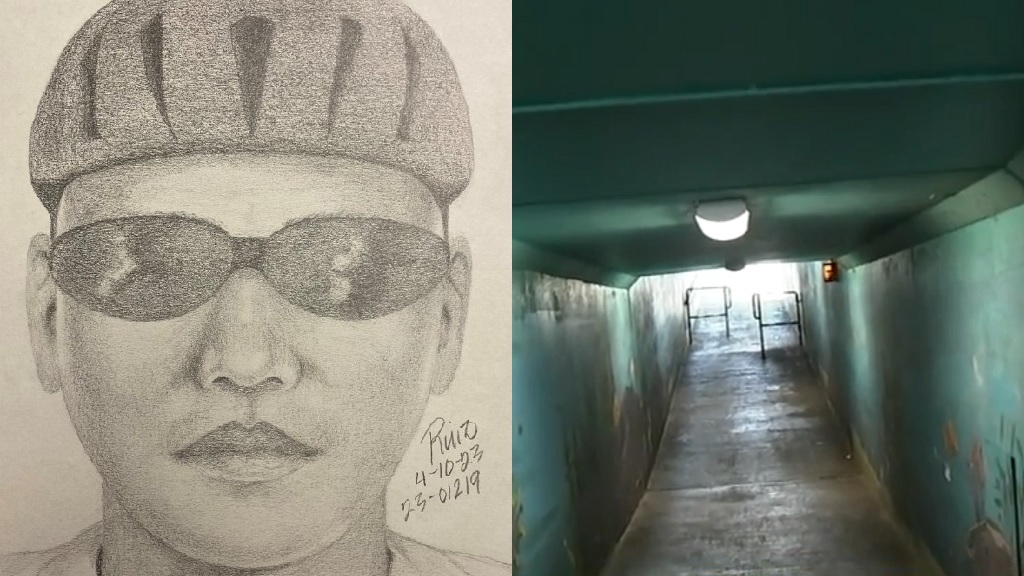
The investigation into the sexual assault in Palo Alto Baylands is a complex process that impacts many. The safety and well-being of the victim are paramount, and the community’s response is crucial. The legal system’s role, the potential for misinformation, and the need for responsible media coverage are all critical aspects to consider. This case serves as a reminder of the importance of community support, public safety measures, and the need for resources to aid victims of such crimes.
We will continue to monitor developments and provide updates as they become available.