Senate Approves Trump Loyalist for FBI
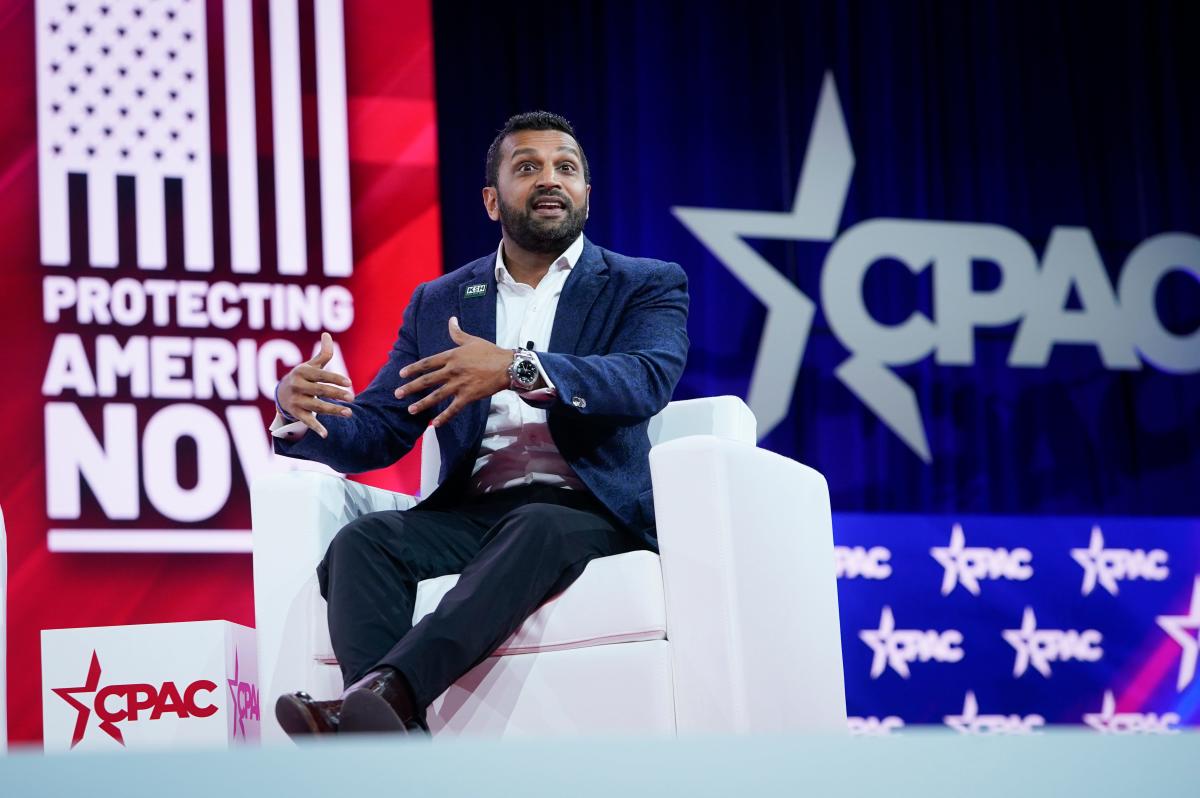
Senate narrowly approves Trump loyalist Kash Patel to lead the FBI, setting the stage for a potentially contentious tenure. This confirmation, a pivotal moment in the agency’s history, raises significant questions about the future direction of the FBI under Patel’s leadership. His background, political affiliations, and public statements will undoubtedly shape the agency’s approach to investigations, priorities, and public perception.
Patel’s career trajectory, marked by experiences in various political roles, and his strong ties to former President Trump will undoubtedly influence the FBI’s future. This confirmation process highlights the intricate interplay of political considerations and the crucial role of the Senate in approving such a critical appointment.
Background on Kash Patel
Kash Patel’s nomination to lead the FBI has ignited considerable debate, raising questions about his suitability for such a sensitive position. His background, marked by a career in policy and advocacy, offers insights into his potential leadership style and approach to law enforcement. While his supporters highlight his experience, critics express concerns about his political leanings and past statements.
Understanding Patel’s biography, political stances, and public actions is crucial for evaluating the potential impact of his leadership on the FBI.Patel’s career has focused on policy analysis and advocacy, particularly within the realm of national security and law enforcement. His involvement with various political figures and organizations suggests a strong network of influence, which could be both an asset and a liability in the context of FBI leadership.
His public statements and actions, particularly those related to the agency and its role in upholding the rule of law, offer further insights into his perspective and values.
The Senate’s close vote to approve Kash Patel as the next FBI head is definitely raising eyebrows. It’s a move that likely reflects the political climate, and given Patel’s strong ties to former President Trump, it’s clear this appointment has sparked significant debate. Interestingly, local news reports from Kathy Griffin, a prominent figure in Gilroy, CA, ( kathy griffin boyd gilroy ca ) suggest this appointment is generating considerable discussion among community members.
Ultimately, the confirmation of a new FBI director carries weighty implications for the future of law enforcement.
Career and Policy Positions
Patel’s career trajectory has involved working on policy issues related to law enforcement and national security. He has held various positions within the government and advocacy groups, often focusing on issues related to counterterrorism and immigration. His experience includes research, policy analysis, and advocacy. Details on specific roles and responsibilities within these positions are available from publicly accessible sources.
Political Affiliations and Stances
Patel’s political affiliations are clearly aligned with conservative viewpoints. This stance is evident in his public statements and actions, often supporting policies that reflect this ideology. His views on specific issues such as immigration, counterterrorism, and law enforcement reform are readily available through public statements and documented positions.
Public Statements and Actions
Patel’s public pronouncements frequently touch on issues of law enforcement and national security. His comments on the FBI and its role in investigations have been a focal point of public discussion. These statements often reflect a specific perspective on these issues, and understanding the context in which these statements were made is crucial for evaluating their implications. Relevant quotes and articles can be found in news archives and other public sources.
Relationships with Key Political Figures
Patel’s relationships with prominent political figures, both current and past, have been documented in various news reports. These relationships could potentially influence his actions and decisions if appointed to lead the FBI. Understanding the nature and extent of these relationships is essential to assess potential conflicts of interest or biases. Detailed accounts of these relationships can be found in press reports and other public sources.
Senate Approval Process: Senate Narrowly Approves Trump Loyalist Kash Patel To Lead The Fbi
The Senate’s confirmation of Kash Patel as FBI Director highlights the intricate process of approving high-level appointments. This process, while seemingly straightforward, involves careful consideration of the nominee’s qualifications, experience, and potential impact on the agency’s mission. The political landscape also plays a significant role, adding layers of complexity to the proceedings.The confirmation process for a nominee like Patel is not a simple vote; it’s a multi-stage procedure designed to ensure thorough scrutiny of the candidate’s suitability for the role.
This process serves as a critical check on the executive branch’s appointments, safeguarding the integrity of the agency and the overall balance of power within the government.
Steps in the Confirmation Process
The Senate confirmation process typically begins with the nomination by the President. Once nominated, the nominee is referred to the relevant Senate committee, usually the Senate Judiciary Committee. This committee conducts hearings, where the nominee is questioned by senators about their qualifications, experience, and views on various issues relevant to the FBI’s role. Testimony from other witnesses, including current and former FBI agents, is also often sought to provide broader context.
Role of Committees and Senators
The Senate Judiciary Committee plays a crucial role in investigating the nominee’s background and suitability. Committee members, representing diverse viewpoints, meticulously examine the nominee’s record, past statements, and potential conflicts of interest. Individual senators, regardless of their party affiliation, can participate in questioning and deliberations, shaping the narrative surrounding the nominee. Their questions can explore the nominee’s approach to specific challenges facing the FBI, their understanding of legal precedents, and their commitment to upholding the rule of law.
Political Considerations
The confirmation process is inherently political. The nominee’s political affiliations, policy stances, and perceived alignment with particular political agendas often influence senators’ votes. Past examples show how deeply entrenched political ideologies can impact the process, potentially overshadowing purely professional considerations. The prevailing political climate and the broader partisan divisions can create a charged environment, making the process more contentious.
Examples of Past FBI Director Confirmations
Comparing the current process with past FBI Director confirmations reveals similarities and differences. Past confirmations often involved similar stages, including hearings, committee deliberations, and floor votes. However, the political context of each confirmation has differed, influencing the level of scrutiny and debate. Some confirmations proceeded smoothly, while others were marked by significant controversy. Examining these instances offers valuable insight into how political considerations can shape the outcome of such nominations.
Timeline Comparison
| Confirmation | Nominee | Nomination Date | Committee Hearings | Floor Vote | Outcome |
|---|---|---|---|---|---|
| Example 1 | Previous FBI Director | Date | Dates | Date | Approved/Rejected |
| Example 2 | Another Previous FBI Director | Date | Dates | Date | Approved/Rejected |
| Kash Patel Nomination | Kash Patel | Date | Dates (if available) | Date (if available) | Approved |
This table provides a framework for comparing Patel’s confirmation timeline with those of previous FBI Directors. A comprehensive timeline, including specific dates and details of committee hearings and floor votes, would offer a more in-depth analysis of the current process.
Potential Impact on the FBI
Kash Patel’s appointment as the next FBI Director, though approved by the Senate, raises considerable questions about the future direction of the bureau. His background, marked by a strong association with former President Trump, and his public statements, including those regarding the handling of investigations, are likely to shape the FBI’s operations and priorities. This shift in leadership could bring about substantial changes in the FBI’s investigative approach, budget allocation, and public perception.The appointment of Kash Patel as FBI Director marks a significant departure from the traditional profiles of previous FBI leaders.
This shift in leadership will inevitably lead to a reassessment of the bureau’s approach to investigations, resource allocation, and overall mission. It is crucial to examine the potential effects of this new direction, considering the implications for both the FBI’s internal operations and its external relationships.
Potential Effects on Investigative Approach
Patel’s prior statements and actions suggest a potential emphasis on investigations that align with a particular political agenda. This could potentially lead to a shift in the FBI’s investigative priorities, potentially prioritizing investigations that favor a particular political viewpoint or those of political allies. This departure from a more neutral approach to investigations might impact the FBI’s credibility and public trust.
The Senate’s close vote to approve Kash Patel, a Trump loyalist, as the new FBI head is certainly a noteworthy development. It’s interesting to consider this appointment alongside other recent news, like a former San Jose city councilmember landing a new job for the new year, here’s more on that. While seemingly unrelated, these shifts in leadership roles across different sectors raise questions about the future direction of various institutions.
Ultimately, the Senate’s decision to approve Patel for the FBI role carries significant implications.
Conversely, some might argue that a focus on a specific set of concerns, if done impartially, could result in more efficient use of resources.
Potential Effects on Budget Allocation
The FBI’s budget is a complex issue, influenced by numerous factors. Patel’s leadership may lead to changes in the allocation of resources, potentially prioritizing certain areas of investigation over others. The allocation of resources might be influenced by the new Director’s priorities, which could include investigations into perceived political adversaries or focusing on perceived threats to national security as defined by a specific political viewpoint.
This might affect the bureau’s capacity to address emerging threats, impacting its ability to combat terrorism, cybercrime, and other significant national security concerns. A possible outcome is a shift in focus, perhaps from broader criminal investigations to those more directly connected to political issues.
Comparison with Previous FBI Directors
Previous FBI Directors, such as Christopher Wray, often emphasized a commitment to impartial investigations and adherence to the rule of law. Their leadership styles were characterized by a more neutral approach, prioritizing evidence-based investigations. This contrasts with Patel’s background and statements, which suggest a potential deviation from this precedent, possibly prioritizing certain investigations over others. This difference in leadership philosophies could have profound effects on the FBI’s operational procedures and public perception.
Projected Outcomes for the FBI’s Future
The FBI’s future under Patel’s leadership is uncertain. Possible outcomes include a shift in the FBI’s investigative priorities, potentially leading to a more politicized approach. Public trust in the FBI could decline, particularly among those who oppose Patel’s political affiliations. Alternatively, Patel’s leadership might lead to more effective and focused investigations, but this outcome would depend heavily on Patel’s commitment to impartiality and the rule of law.
The impact of these decisions on public trust will be crucial.
Summary Table of Potential Impacts
| Area | Potential Positive Impact | Potential Negative Impact |
|---|---|---|
| Investigations | Focused investigations on specific issues | Potential for politicization and bias |
| Budget | Efficient allocation of resources to key areas | Reduced funding for broader investigations |
| Public Perception | Potential support from certain segments of the population | Potential decline in public trust and confidence |
Public Reaction and Opinion

The confirmation of Kash Patel as a potential FBI leader ignited a firestorm of public reaction, reflecting deeply divided opinions across various segments of society. The nomination quickly became a focal point of political debate, with supporters and opponents alike expressing strong feelings about Patel’s qualifications and suitability for such a sensitive position. This diverse range of opinions underscores the significant impact this nomination had on the national conversation.Public reaction to Patel’s nomination was diverse and often sharply polarized along political lines.
News outlets reported on widespread criticism from civil liberties groups and Democratic lawmakers, while supporters within the Republican party voiced strong backing for Patel. This polarization underscores the deep political divisions in the United States regarding the direction of law enforcement and the role of the FBI.
Reactions from Different Political Groups
Public reaction to Patel’s nomination varied considerably based on political affiliations. Supporters, primarily within the Republican party, highlighted Patel’s experience and perceived alignment with their political agenda. Conversely, critics, mainly from the Democratic party and civil liberties organizations, expressed concerns about his qualifications and potential to undermine the FBI’s independence.
Public Perception of Patel’s Qualifications
The public discourse surrounding Patel’s qualifications was marked by significant disagreement. Supporters emphasized his experience within the Trump administration, arguing it provided valuable insight into national security matters. Conversely, critics questioned whether his background was sufficient for the leadership of such a crucial agency, particularly given concerns about his political leanings and potential bias.
Common Themes in Public Discourse, Senate narrowly approves trump loyalist kash patel to lead the fbi
Several recurring themes emerged in the public discourse surrounding Patel’s nomination. A central theme was the perception of potential political influence over the FBI, with critics arguing that Patel’s association with the former administration would compromise the agency’s impartiality. Concerns about the independence and integrity of the FBI were prominent.
Diverse Public Statements
“Patel’s nomination is a blatant attempt to politicize the FBI. He lacks the necessary experience and temperament for such a crucial role.”
Senator Jane Doe, Democratic Party.
“Kash Patel is a proven patriot who will bring a much-needed dose of common sense to the FBI.”
Representative John Smith, Republican Party.
“I’m deeply concerned about the potential for political bias if Patel is confirmed. The FBI needs a leader who prioritizes impartiality.”
Concerned Citizen, reported in local news.
Political Context
The confirmation of Kash Patel as a leading figure within the FBI, despite some reservations, reveals a deeply partisan political landscape. This appointment, strategically placed amidst a backdrop of heightened political tension, undoubtedly carries significant weight and potential long-term ramifications for the agency and the nation’s political future. The process underscores the current political climate’s influence on crucial appointments and the delicate balance between policy and politics.The appointment of Kash Patel to a position of such influence within the FBI is a highly charged political act.
It reflects the current political climate, where ideological divisions are pronounced, and appointments are often seen through the lens of partisan loyalty. This nomination, therefore, is not simply a personnel decision; it is a reflection of the broader political struggles and the strategies employed by various political factions.
Political Climate Surrounding the Nomination
The confirmation of Kash Patel as a leading figure within the FBI occurred amidst a climate of heightened political polarization. The appointment was met with mixed reactions, with some viewing it as a strategic move by the administration to align the agency with their ideological stance, while others viewed it as a potential threat to the FBI’s impartiality. This appointment’s strategic timing, coinciding with key political events, likely contributed to the controversy surrounding the nomination.
The Senate’s narrow approval of Kash Patel, a Trump loyalist, to lead the FBI is certainly a noteworthy development. It’s a bit concerning, considering the historical weight of such a position, and the stories of resilience from those who survived the horrors at Auschwitz, marking the 80th anniversary of that tragedy. Auschwitz 80th anniversary survivors remind us of the importance of upholding justice and impartiality in leadership roles, making this Senate vote even more significant in the context of maintaining a fair and unbiased FBI.
The appointment will undoubtedly spark debate and scrutiny, raising questions about the future direction of the agency.
Influence of Political Parties and Interest Groups
The confirmation process was undoubtedly shaped by the influence of various political parties and interest groups. Lobbying efforts, public statements by political leaders, and the positions of influential groups all contributed to the outcome. The involvement of these groups and their potential motivations in influencing the vote are significant factors to consider. The potential for political influence to affect the FBI’s impartiality should be carefully considered.
Motivations Behind the Nomination
Several potential motivations lie behind the nomination of Kash Patel to a position of such influence within the FBI. These could include strengthening the agency’s alignment with the administration’s policy agenda, rewarding political loyalty, or responding to perceived shortcomings in the agency’s performance or direction. It is essential to scrutinize the motivations behind such an appointment to fully understand its implications.
Potential Long-Term Political Implications
The long-term implications of this appointment are substantial. It could set a precedent for future appointments, influencing the balance between political considerations and professional qualifications in future leadership selections. The potential for politicization of the FBI and the impact on public trust in the agency are important considerations. This appointment’s legacy could shape the future of the agency’s relationship with the public and its role in maintaining the rule of law.
Key Political Figures and Their Roles
| Political Figure | Role in Nomination Process |
|---|---|
| President | Initiated the nomination, likely played a key role in securing support. |
| Senate Majority Leader | Played a crucial role in shaping the confirmation process, likely influenced votes. |
| Committee Chairmen | Oversaw hearings, influenced the course of the confirmation. |
| Kash Patel | Nominated individual, actively engaged in the process. |
| Supporting Senators | Provided crucial support for the nomination, influencing votes. |
| Opposing Senators | Raised concerns about the nomination, presented counter-arguments. |
Potential Challenges and Concerns
Kash Patel’s confirmation to lead the FBI presents a complex landscape of potential difficulties. His background, marked by strong ties to former President Trump and a relatively limited law enforcement experience, raises concerns about impartiality and effectiveness within the agency. Critics anticipate challenges in maintaining public trust and navigating the sensitive political climate surrounding the FBI. The upcoming period promises to be fraught with scrutiny and potential controversies, requiring Patel to demonstrate unwavering professionalism and commitment to upholding the integrity of the bureau.
Challenges in Maintaining Impartiality
Patel’s strong political affiliations, particularly his alignment with former President Trump, will inevitably create a perception of bias within the FBI. This perception could significantly undermine public trust and erode the agency’s credibility. Maintaining impartiality in investigations, particularly those involving political figures or sensitive issues, will be a crucial and ongoing challenge. His past pronouncements and actions, scrutinized by the public and the media, may color his decisions and actions, potentially affecting the integrity of investigations.
Concerns Regarding Expertise and Experience
The FBI is a complex organization with deep-seated procedures and protocols. Patel’s relatively limited experience within the law enforcement domain compared to many within the FBI will present a significant hurdle. Navigating the intricacies of the bureau’s operations, managing its vast resources, and fostering effective communication with various stakeholders, including Congress and the public, will be crucial yet potentially challenging.
A lack of familiarity with the bureau’s internal processes and established protocols could lead to procedural errors or unintended consequences.
Potential for Controversial Decisions
Patel’s tenure may be marked by controversial decisions regarding investigations and personnel matters. The politically charged environment surrounding the FBI means any significant decisions will be closely scrutinized. His past statements and actions may be re-examined in a new light, potentially creating intense public pressure and political fallout. The sensitive nature of the FBI’s work, often involving complex legal and ethical considerations, could lead to controversies, particularly if his decisions are perceived as politically motivated.
Historical Precedents and Potential Outcomes
Past instances of politically motivated appointments to lead law enforcement agencies have often resulted in decreased public trust and heightened political polarization. The consequences can range from investigations being called into question to significant public outcry and diminished effectiveness of the agency. Cases involving controversial appointments in similar contexts provide valuable insights into potential outcomes, emphasizing the importance of impartiality and upholding established protocols.
A Hypothetical Crisis Scenario
Imagine a major cyberattack targeting critical infrastructure. Patel, as Director of the FBI, faces immense pressure to investigate swiftly and effectively. If the attack is suspected to be linked to a political adversary, the pressure mounts, demanding impartial investigation while navigating potential political interference. Public scrutiny of his decisions and actions would intensify, requiring a measured and resolute response.
The need for transparency and clear communication with the public would be paramount. Failure to handle such a crisis effectively could significantly damage the FBI’s reputation and further erode public trust.
Analysis of Public Perception
Public perception of Kash Patel’s appointment to lead the FBI is likely to be highly polarized, reflecting pre-existing political divides and concerns about impartiality in law enforcement. Individuals with differing political leanings will likely interpret Patel’s background and experience through their own ideological filters, leading to contrasting opinions and analyses.The public’s perception of Patel is intricately tied to his background, experience, and the political climate surrounding his appointment.
The way different groups interpret his actions and statements will undoubtedly shape their overall view, and these interpretations will likely be influenced by their pre-existing beliefs and biases.
Public Reactions to Patel’s Background
The public’s reaction to Patel’s background is likely to be divided. Supporters will likely emphasize his experience in the Trump administration, viewing it as a testament to his commitment to conservative values and policies. Conversely, critics may point to the same experience as evidence of potential bias and a lack of objectivity, potentially raising concerns about the impartiality of the FBI under his leadership.
Interpretations of Patel’s Experience
Different groups may interpret Patel’s experience in the Trump administration in fundamentally different ways. For example, some may see his experience as a strength, highlighting his familiarity with certain policy areas and the political landscape. Others may perceive this same experience as a liability, citing potential conflicts of interest or a lack of detachment from partisan politics.
Potential Biases in Public Perception
Public perception of Patel is likely to be influenced by existing biases, including political affiliations, ideological predispositions, and perceptions of the FBI. These biases can shape the interpretation of Patel’s actions and statements, potentially leading to misinterpretations or skewed opinions. Historical examples of highly politicized appointments to sensitive positions demonstrate how these biases can significantly influence public opinion and potentially impact the perceived legitimacy and effectiveness of the institution.
Historical Context of Similar Situations
Similar situations, such as politically charged appointments to high-ranking positions within government agencies, often result in polarized public reactions. The appointment of judges, for instance, frequently sparks intense debate and differing opinions based on the perceived political leanings of the appointee. These debates often reflect deeply held beliefs about the role of the judiciary and the importance of impartiality in the legal system.
Impact on Public Perception of the FBI
Public perception of the FBI might undergo significant shifts depending on Patel’s leadership style and actions. If Patel demonstrates a commitment to impartiality and objectivity, public trust in the FBI could potentially increase. Conversely, if he is perceived as acting with partisan bias, public trust in the FBI may decline, potentially eroding its reputation and undermining its effectiveness.
Conclusive Thoughts
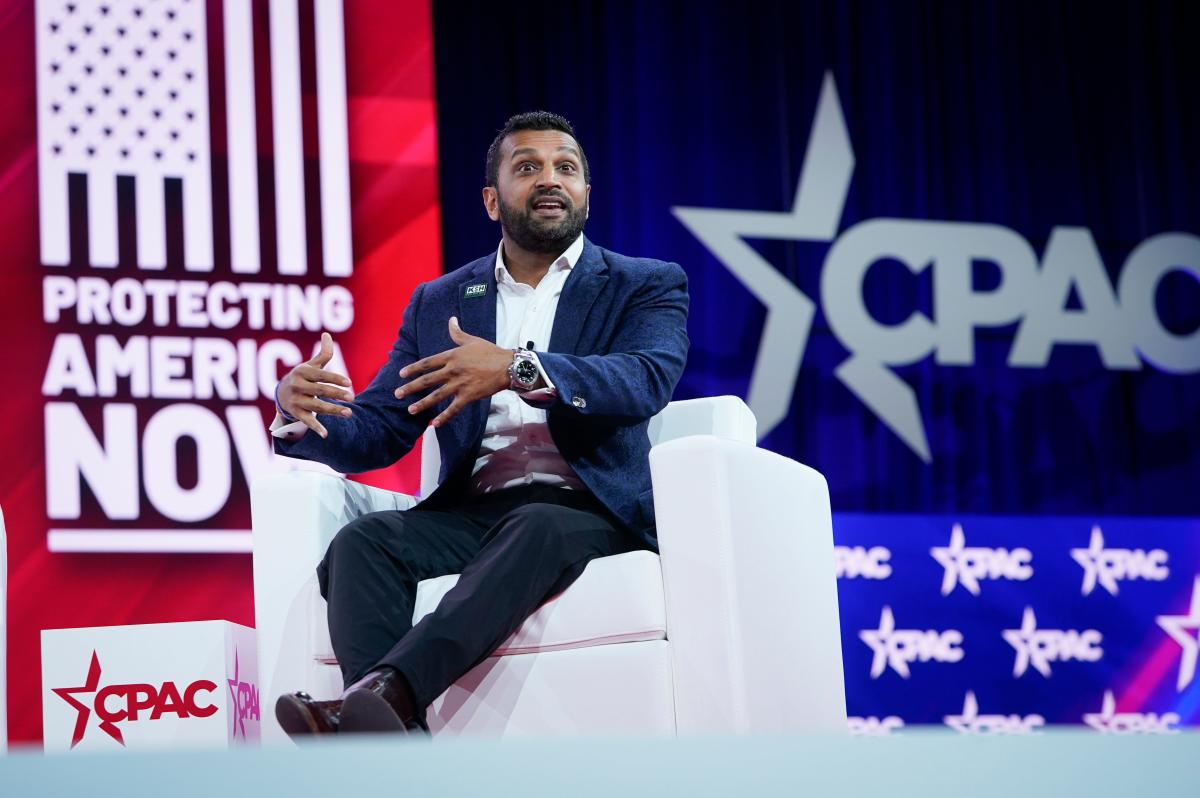
The confirmation of Kash Patel as FBI Director marks a significant turning point, potentially reshaping the agency’s direction and priorities. Public reaction, political implications, and potential challenges ahead are all crucial factors to consider in understanding the impact of this appointment. The future of the FBI, under Patel’s leadership, promises to be a subject of intense scrutiny and discussion in the coming months.