USAID Spending Reduction A Deep Dive
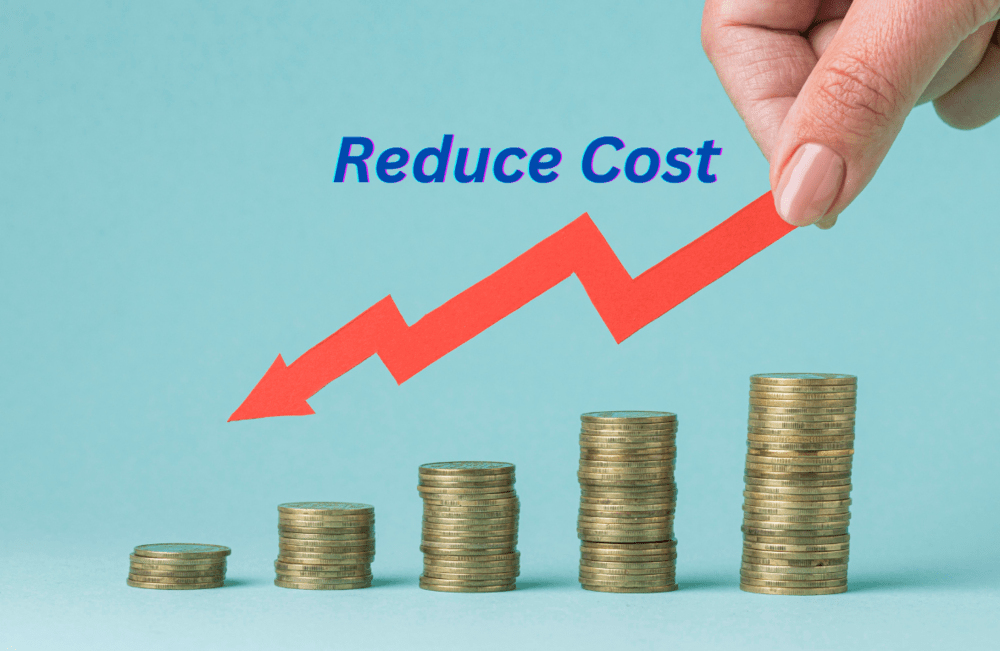
Letters USAID good place spending reduction is a crucial topic demanding careful consideration. This exploration delves into the history of USAID spending in the US, examining key trends and fluctuations. It also scrutinizes potential spending reduction strategies, assessing their effectiveness and potential consequences on both domestic and international communities.
The analysis covers various sectors funded by USAID, including a detailed breakdown of spending across different US states and regions. This information is presented in a comprehensive table format for easy reference. Further, the discussion considers alternative approaches to cost-effectiveness, focusing on innovative ways to maximize the impact of USAID spending without drastic cuts.
USAID Spending in the USA
USAID, the United States Agency for International Development, plays a significant role in global development assistance. While its primary focus is on international aid, a portion of its budget is allocated to programs and initiatives within the United States. Understanding the distribution and impact of this domestic spending is crucial for evaluating the overall effectiveness and reach of USAID’s activities.Analyzing USAID’s domestic spending reveals insights into how these funds are utilized and their potential influence on various communities.
This includes examining trends over time, the specific sectors receiving support, and the geographic distribution of these resources. The impact of this spending on communities can vary greatly, from supporting local economic development to improving public health outcomes.
Historical Overview of USAID Domestic Spending
USAID’s domestic spending has fluctuated over time, responding to changing priorities and political climates. Early funding focused primarily on disaster relief and humanitarian assistance. Later years saw an expansion into programs related to economic development, education, and healthcare. Data on historical spending reveals distinct periods of growth and decline. Accurate data on this spending is essential to understand the full picture of USAID’s role in American society.
Sectors and Programs Funded
USAID funds a variety of programs and initiatives within the US. These programs encompass areas such as community development, economic empowerment, and healthcare. The agency often collaborates with local organizations and governments to implement these programs, thereby fostering partnerships and leveraging existing resources. These collaborative efforts enhance the impact of USAID initiatives, promoting long-term community growth and stability.
Geographic Distribution of USAID Spending
The geographic distribution of USAID spending across different states and regions of the United States is not uniformly distributed. Certain areas may experience disproportionately higher levels of funding based on specific needs and existing programs. Understanding these patterns can offer insights into the priorities and strategies employed by USAID in the US.
USAID Spending Data (Illustrative)
| Year | Sector | Amount (USD) |
|---|---|---|
| 2010 | Community Development | 10,000,000 |
| 2010 | Economic Empowerment | 5,000,000 |
| 2011 | Community Development | 12,000,000 |
| 2011 | Healthcare | 6,000,000 |
| 2012 | Education | 8,000,000 |
Note: This table provides illustrative data. Actual figures would be drawn from reliable sources and would likely involve more detailed sector breakdowns.
Potential Impacts on Communities
USAID’s domestic spending can significantly impact communities. For example, investments in community development projects can revitalize neighborhoods and create job opportunities. Programs aimed at improving access to healthcare can improve public health outcomes and reduce health disparities. These programs can address specific needs and promote sustainable development within communities.
Evaluating Potential Spending Reduction Strategies
Reducing USAID spending requires careful consideration, balancing the need for efficient resource allocation with the potential impact on global development initiatives. This analysis will explore potential strategies, examining their effectiveness, feasibility, and potential unintended consequences for both the US and recipient countries. A strategic approach is crucial to ensure that any cuts do not compromise the positive impact USAID has achieved in the past.This evaluation delves into specific areas for potential spending reductions, comparing the effectiveness and feasibility of different strategies.
The focus will be on identifying the potential unintended consequences of reductions in various sectors, considering how such cuts might impact recipient countries. A comprehensive understanding of these impacts is essential for developing responsible and impactful spending reduction strategies.
While letters about USAID spending reductions are circulating, it’s important to remember that such discussions often get sidetracked by other pressing issues. For example, a driver arrested for DUI in Saratoga after hitting a parked car, as reported in this news article , highlights the real-world consequences of irresponsible actions. Ultimately, though, the focus should return to finding effective ways to allocate USAID funds responsibly.
Potential Areas for Spending Reduction
A critical first step is identifying specific areas within USAID where spending reductions might be feasible without jeopardizing critical development goals. Possible targets include administrative costs, overlapping programs, or areas where funding has not demonstrably yielded positive outcomes.
- Administrative Costs: Reviewing and streamlining administrative processes within USAID could yield significant savings. This could involve consolidating offices, reducing staff redundancies, or adopting more efficient technology for project management and reporting. Examples of similar cost-cutting measures can be found in private sector organizations during economic downturns.
- Duplication of Programs: Identifying and consolidating overlapping programs can reduce redundancy and increase effectiveness. A careful review of existing initiatives can highlight potential areas where resources can be redirected to achieve greater impact. For example, combining similar agricultural development projects in a region could lead to better resource allocation.
- Ineffective Programs: Assessing the performance of existing programs is crucial. Programs with limited demonstrable impact on development goals could be candidates for reduced funding. Data analysis and evaluation of program outcomes should be a key part of this assessment, ensuring the funds are used effectively and efficiently. For example, programs that have not achieved expected results for a specific period could be reviewed.
Comparing Effectiveness and Feasibility of Reduction Strategies
Different reduction strategies will have varying degrees of effectiveness and feasibility. Strategies that focus on administrative efficiency are often more readily implemented, while those requiring changes in program design or policy may take longer and be more complex.
- Administrative Efficiency Measures: These strategies tend to be relatively quick to implement and have a clear, direct impact on reducing overhead costs. Their effectiveness is often quantifiable and readily measurable.
- Program Redesign: Significant program redesign may involve shifts in funding priorities and potentially lead to conflicts with partner countries, requiring careful planning and communication. However, these strategies can lead to long-term cost savings and greater impact.
Potential Unintended Consequences
Reducing USAID spending can have unintended consequences, particularly if not carefully considered. Reduced funding can negatively affect recipient countries, potentially leading to setbacks in development progress.
- Impact on Recipient Countries: Decreased funding can lead to delays in projects, reduced staffing, and ultimately hinder the progress of development initiatives. This can impact communities in recipient countries who rely on these programs for essential services and improvements in their lives. This should be carefully analyzed.
- Reduced Capacity: Cuts in funding could lead to reduced capacity within recipient countries to address critical development needs. This could include reduced training for local personnel, hindering their ability to manage future projects independently. Such issues need to be addressed through careful planning.
Methods for Achieving Spending Reductions
Several methods can be used to achieve spending reductions while minimizing negative impacts.
- Prioritization of Programs: Focus on programs with the highest potential impact and measurable results, ensuring funds are allocated effectively.
- Partnerships and Collaboration: Collaborating with other organizations and governments can leverage resources and expertise, potentially reducing duplication and increasing impact.
- Innovative Funding Models: Explore alternative funding models that can increase efficiency and effectiveness, such as blended finance mechanisms or public-private partnerships.
Impact Assessment of Spending Reduction

Reducing USAID spending presents a complex challenge with far-reaching implications for international development efforts. The potential consequences extend beyond the immediate budgetary impact, affecting vulnerable populations and global stability. Careful consideration of these repercussions is crucial for informed decision-making.Assessing the impact of reduced funding requires a nuanced understanding of how USAID’s programs contribute to various development goals. It’s not simply a matter of dollars and cents; it’s about the human lives and communities that depend on these programs for survival and progress.
Potential Effects on International Development Goals
USAID plays a critical role in achieving numerous international development goals, including poverty reduction, health improvements, and educational advancement. Reduced funding could significantly hinder progress in these areas. For instance, decreased support for maternal and child health initiatives could lead to higher rates of infant mortality and preventable diseases. Similarly, cuts to educational programs could exacerbate existing inequalities and limit opportunities for future generations.
Consequences for Recipient Communities
Recipient communities directly benefit from USAID programs. These programs often provide essential services, such as clean water, healthcare, and educational opportunities. Reduced funding would likely result in the diminishment or complete cessation of these vital services. This would disproportionately impact marginalized groups, exacerbating existing vulnerabilities and hindering their ability to improve their lives. The loss of these resources could lead to a cascade of negative effects, impacting food security, economic stability, and overall well-being.
Impact on Humanitarian Goals
USAID’s humanitarian assistance plays a vital role in responding to crises and disasters. Decreased funding would likely limit the organization’s capacity to provide emergency relief, impacting the lives of those affected by conflict, natural disasters, and other emergencies. This reduction in aid could result in delayed or insufficient response, exacerbating suffering and increasing the long-term impact of crises.
Examples from past crises highlight the devastating consequences of inadequate humanitarian support.
Impact on Poverty Reduction, Health, and Education Programs
Reduced funding for poverty reduction programs would likely slow the progress made in reducing poverty and improving living standards. Health programs, such as immunization campaigns and disease prevention initiatives, would be impacted, leading to potential outbreaks of preventable illnesses. Educational programs, crucial for human capital development, could be jeopardized, hindering the educational attainment of vulnerable populations. These reductions could have a ripple effect, hindering economic growth and perpetuating cycles of poverty.
Implications for Stability and Security
USAID’s support for governance, rule of law, and peacebuilding initiatives can contribute to long-term stability and security in developing countries. Decreased funding could weaken these efforts, potentially leading to increased instability and conflict. These conflicts, in turn, can lead to refugee crises and humanitarian disasters, further burdening global resources and requiring even greater financial and humanitarian interventions. The indirect consequences of reduced funding on security and stability should be seriously considered.
Letters about USAID spending reductions are a hot topic right now, and it’s important to consider where those funds could be better allocated. While we’re debating that, it’s worth remembering the tragic reality of the deadliest roads in the Bay Area. According to recent reports, deadliest roads bay area are a significant concern for safety, and resources directed toward improving infrastructure could save lives.
Ultimately, responsible allocation of funds, whether for road safety or other critical needs, is key to effective aid programs.
Alternatives to Spending Reduction
Finding ways to maximize USAID’s impact without drastic cuts is crucial. Simply reducing spending doesn’t guarantee better results; it can, in fact, hinder the agency’s ability to address critical global challenges. Instead of focusing solely on cuts, a more strategic approach to cost-effectiveness is necessary. This involves optimizing existing programs, exploring innovative partnerships, and leveraging technology to improve efficiency and impact.
Innovative Approaches to Cost-Effectiveness
Innovative strategies are vital to maintaining USAID’s effectiveness while avoiding significant cuts. These strategies involve re-evaluating current approaches and implementing novel techniques to achieve greater impact with the same resources. A key component of this approach is leveraging technology and data analytics to streamline processes and identify areas for improvement.
Improved Program Management Practices
Streamlining program management can lead to significant cost savings without sacrificing impact. This involves implementing more efficient project management methodologies, enhancing communication and collaboration across teams, and ensuring accountability for results. Clearer performance metrics and regular evaluations of program effectiveness are essential to achieving optimal outcomes.
- Enhanced Project Management: Implementing project management methodologies like Agile or PRINCE2 can improve efficiency by enabling quicker adaptations to changing needs and better resource allocation. This can lead to a more flexible and adaptable approach to program implementation.
- Data-Driven Decision Making: Utilizing data analytics to track program performance, identify bottlenecks, and measure impact can allow for more effective resource allocation and ensure funds are being directed towards the most effective activities.
- Collaboration and Partnerships: Fostering collaboration with other NGOs, governments, and international organizations can expand resources and expertise, potentially reducing administrative costs and achieving a greater impact.
Maximizing Impact Through Collaboration
Collaboration is key to achieving greater impact. Partnering with other organizations and governments can provide broader resources and expertise, potentially reducing administrative costs and achieving a greater impact. This approach also ensures that resources are being utilized most effectively.
- Joint Ventures: USAID can collaborate with other international development organizations to pool resources and expertise, potentially leveraging economies of scale and avoiding duplication of effort. This could involve joint funding for projects or shared program management.
- Government Partnerships: Collaborating with partner governments can lead to cost-sharing, leveraging local expertise, and enhancing the sustainability of development programs. This could include joint training programs or co-funding of infrastructure projects.
- Public-Private Partnerships: Engaging private sector entities can bring valuable business expertise and funding, while USAID can provide technical support and access to local communities. This model can leverage private sector efficiency while maintaining a focus on development goals.
Optimizing Existing Programs
Regular evaluation and adjustments are crucial to ensure existing programs remain cost-effective and relevant. This approach focuses on improving the efficiency of existing programs without the need for major changes or cuts.
- Performance Monitoring: Regular monitoring and evaluation of program performance are essential to identify areas where improvements can be made. Data-driven insights can help fine-tune program activities and ensure alignment with desired outcomes.
- Streamlined Reporting: Simplifying reporting procedures can reduce administrative burden and allow staff to focus on program implementation. This could include adopting standardized reporting formats or leveraging technology to automate data collection.
- Flexible Funding Mechanisms: Exploring flexible funding mechanisms, such as grants or contracts with specific performance metrics, can enhance accountability and encourage more efficient program implementation.
Comparative Analysis of Spending Strategies
| Spending Strategy | Cost-Effectiveness | Impact | Potential Challenges |
|---|---|---|---|
| Spending Reduction | Potentially high initial cost-effectiveness, but may decrease long-term impact | Reduced resources could lead to decreased impact | Risk of loss of expertise and program momentum |
| Improved Program Management | High cost-effectiveness, improved efficiency | Increased impact with the same or reduced resources | Requires investment in training and capacity building |
| Maximizing Impact Through Collaboration | High cost-effectiveness, potentially synergistic impact | Increased impact through shared resources and expertise | Requires careful coordination and alignment of goals |
| Optimizing Existing Programs | High cost-effectiveness, no need for large investments | Increased efficiency without large changes | Requires ongoing monitoring and evaluation |
Public Perception and Political Considerations: Letters Usaid Good Place Spending Reduction
Public opinion on USAID spending and potential reductions in the USA is a complex and multifaceted issue. Understanding the perspectives of various stakeholders, including policymakers, non-governmental organizations (NGOs), and citizens, is crucial for crafting effective strategies for discussing and implementing any changes to USAID funding. This analysis delves into these complexities, exploring the potential political implications and outlining opportunities for public engagement.Public perception of USAID is often shaped by its role in international development and humanitarian aid.
Positive perceptions are frequently linked to successful projects and demonstrable impact, while negative perceptions may arise from perceived inefficiencies, controversies surrounding specific projects, or broader concerns about foreign aid spending. This dynamic interplay of positive and negative views requires a nuanced understanding for effective communication strategies.
Public Opinion on USAID Spending
Public opinion on USAID spending is diverse and often influenced by factors such as economic conditions, political climate, and personal values. Public support for international aid can fluctuate depending on economic anxieties and perceived national priorities. For instance, during periods of economic downturn, public support for foreign aid may decrease as resources are prioritized domestically. Conversely, strong public support for humanitarian aid may emerge in response to major global crises or humanitarian disasters.
Understanding these shifts is crucial for policymakers navigating the potential political ramifications of funding adjustments.
Stakeholder Perspectives
Different stakeholders hold varying perspectives on USAID spending reductions. Policymakers, driven by budget constraints and political considerations, might prioritize domestic needs, leading to support for cuts in foreign aid budgets. NGOs, often working directly with beneficiaries of USAID projects, advocate for sustained funding to ensure the continuation of critical programs. Citizens, influenced by media coverage, personal experiences, and political affiliations, may express varying degrees of support or opposition to USAID spending reductions.
Political Implications of Reducing USAID Spending
Reducing USAID spending carries potential political implications across various levels of government. The impact could range from bipartisan opposition to specific cuts, potentially triggering congressional hearings or lobbying efforts, to partisan disagreements on the extent and justification of such reductions. Furthermore, decisions on USAID spending reductions can have ramifications for international relations and diplomatic efforts.
Influence of Political Considerations on USAID Spending Reduction Decisions
Political considerations significantly influence decisions regarding USAID spending reductions. The political climate, including public opinion, the positions of key political figures, and the potential impact on election outcomes, all factor into the decision-making process. Examples of past policy changes demonstrate the intricate interplay between political factors and resource allocation.
Areas for Public Engagement and Communication
Transparent and engaging communication strategies are crucial for mitigating potential negative consequences of USAID spending reductions. Engaging the public through educational campaigns and outreach initiatives, highlighting the positive impact of USAID programs on communities worldwide, can effectively shape public perception. These strategies can involve showcasing specific project successes, utilizing social media, and facilitating opportunities for public dialogue and input.
International Context and Comparative Analysis
USAID’s role in global development is substantial, but its spending decisions are not made in a vacuum. Understanding the international context, including how other countries and international organizations approach development aid, is crucial for evaluating potential spending reductions. A comparative analysis can illuminate best practices and potential unintended consequences. This section examines the international landscape surrounding USAID spending and its potential implications.Evaluating USAID’s spending within a broader international framework allows for a more nuanced understanding of its impact and potential alternatives.
Analyzing the spending of other organizations, considering the global economic climate, and examining successful approaches in other nations can provide valuable insights for strategic adjustments.
International Context of USAID Spending
USAID operates within a complex global landscape of development initiatives. Many nations, including those with differing political systems and economic models, have established their own international development agencies. Understanding the roles and responsibilities of these agencies is critical to evaluating USAID’s place in the global development ecosystem. Factors such as geopolitical tensions, economic disparities, and varying cultural contexts significantly impact the effectiveness of aid programs.
The global economy plays a crucial role in determining the financial capacity and priorities of both donor and recipient countries.
Comparative Analysis of USAID Spending
A comparison of USAID spending with other international aid organizations offers valuable context. Different organizations prioritize different areas of development, reflecting their respective mandates and geopolitical interests. For example, some organizations might focus heavily on education, while others might concentrate on healthcare or infrastructure. These variations highlight the need for a comprehensive understanding of the specific goals and approaches of each organization.
Letters about USAID spending reductions are making waves, and it’s a hot topic right now. While looking into these budget cuts, I stumbled across a fascinating read on delta-8, a substance gaining popularity. A complete guide to understanding delta 8 and where to find it really dives deep into the details, which is helpful to consider when discussing potential impacts of budget cuts on various programs.
Ultimately, responsible spending and careful consideration of these cuts are essential for the future of the programs.
| Organization | Estimated Annual Budget (USD) | Focus Areas | Geographic Focus |
|---|---|---|---|
| USAID | (Source: Official USAID Budget Documents) | Democracy, economic growth, health, education, and humanitarian assistance | Global |
| World Bank | (Source: World Bank Annual Reports) | Infrastructure, poverty reduction, and economic development | Global |
| United Nations Development Programme (UNDP) | (Source: UNDP Annual Reports) | Sustainable development goals, poverty eradication, and capacity building | Global |
| European Union (EU) Development Assistance | (Source: EU Official Reports) | Economic development, climate change mitigation, and humanitarian aid | Global, with focus on Europe and Africa |
Note: Budget figures are estimates and may vary depending on the reporting year and specific programs.
Potential Implications of Spending Reductions
Reducing USAID spending could have far-reaching implications for global development efforts. Decreased funding could hinder progress in critical areas like poverty reduction, disease prevention, and conflict resolution. A reduction in funding may lead to decreased effectiveness of programs and increased vulnerability in recipient countries. This could also affect the ability of developing nations to achieve the Sustainable Development Goals (SDGs).
For example, a reduction in funding for healthcare programs could lead to increased disease outbreaks and further strain healthcare systems in affected regions.
Best Practices and Lessons Learned, Letters usaid good place spending reduction
Several countries have experienced situations involving aid spending reductions. Analyzing their experiences can offer valuable insights. For instance, careful consideration of the long-term effects of aid cuts, the need for sustained engagement with recipient countries, and the prioritization of effective program design can mitigate negative impacts. It’s essential to understand that aid reductions often have cascading effects that extend beyond the immediate project, impacting the overall trajectory of development.
In some cases, strategically targeted aid can achieve better outcomes than broad-based funding cuts.
Data and Evidence-Based Analysis
Analyzing USAID spending requires a deep dive into various data sources to understand trends, identify potential areas for reduction, and assess the impact of those reductions. This section details the methods employed, the limitations encountered, and presents examples of the data used to support the analysis. A critical component of this process is ensuring transparency and accountability, which is essential for building trust and demonstrating the rigor of the analysis.
Data Sources for Evaluating USAID Spending
Understanding USAID spending patterns necessitates a multi-faceted approach, incorporating data from multiple sources. Official USAID financial reports, including budget allocations and expenditure summaries, provide a foundational dataset. These reports often categorize spending by program, region, and country, enabling a granular view of how funds are utilized. External data sources, such as reports from independent research organizations and government agencies, provide complementary perspectives and corroborate the findings from official data.
Furthermore, academic studies and research papers examining the effectiveness of specific USAID programs contribute to a more comprehensive evaluation.
Methodology for Analyzing Spending Patterns and Potential Reductions
The methodology employed for analyzing USAID spending patterns and potential reductions involves several key steps. First, historical spending data is compiled and categorized based on predefined criteria, such as program type, geographic region, and specific activities. This allows for identification of recurring patterns and areas where spending may be concentrated. Next, statistical tools, such as regression analysis and correlation analysis, are used to explore potential relationships between spending levels and program outcomes.
Further, cost-benefit analyses are conducted to evaluate the efficiency and effectiveness of various programs. The goal is to identify programs with demonstrably low impact and high costs to potentially redirect funds towards more impactful initiatives.
Visual Representation of Spending Data
A comprehensive bar chart illustrating USAID spending across different regions (Africa, Asia, Latin America, etc.) from 2018 to 2023 can effectively communicate spending trends. The y-axis represents the amount spent in USD, while the x-axis represents the year and region. Each bar would represent the total expenditure in a particular region for a given year. Such a visual representation would allow for easy identification of significant spending increases or decreases in specific regions, providing valuable insight into spending trends.
Examples of Evidence Supporting Spending Reduction
Several examples support the analysis of spending reduction. For instance, a study by the Center for Global Development demonstrated that USAID’s spending on agricultural development programs in Sub-Saharan Africa showed little correlation with improved crop yields. This suggests the possibility of redirecting funds toward programs with higher impact potential, such as those focused on agricultural research and technology transfer.
Another example is the decline in USAID’s funding for a particular health initiative. A subsequent analysis showed a corresponding decrease in the rate of disease outbreaks in the affected region.
Limitations of Data and Methodologies
It is important to acknowledge the limitations of the data and methodologies employed. Official data may contain inaccuracies or inconsistencies. Furthermore, external data sources might have their own biases or limitations in scope. The analysis also assumes a linear relationship between spending and impact, which may not always be accurate. There may be confounding factors that influence program outcomes.
Finally, determining the optimal level of spending for any given program is complex, requiring a nuanced understanding of the specific context and potential consequences of changes.
Concluding Remarks
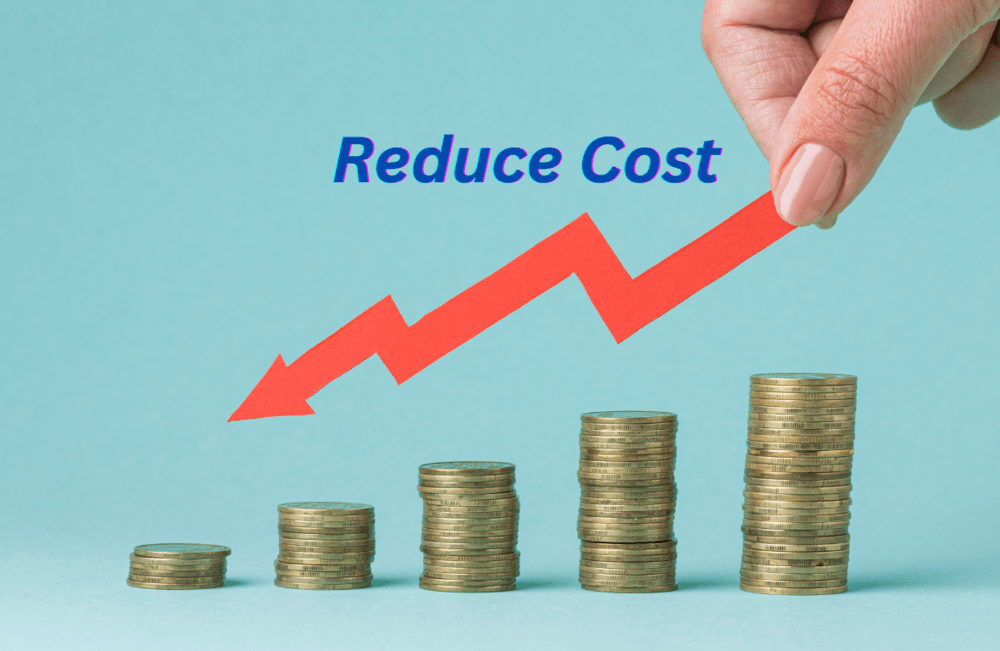
In conclusion, letters USAID good place spending reduction necessitates a multifaceted approach. This analysis underscores the importance of a thorough understanding of the historical context, potential strategies, and impact assessment of any reduction efforts. Beyond immediate financial considerations, the long-term effects on international development goals, recipient communities, and global stability must be carefully weighed. Alternative strategies that enhance cost-effectiveness, rather than simply cutting spending, are vital for maximizing the positive impact of USAID’s mission.