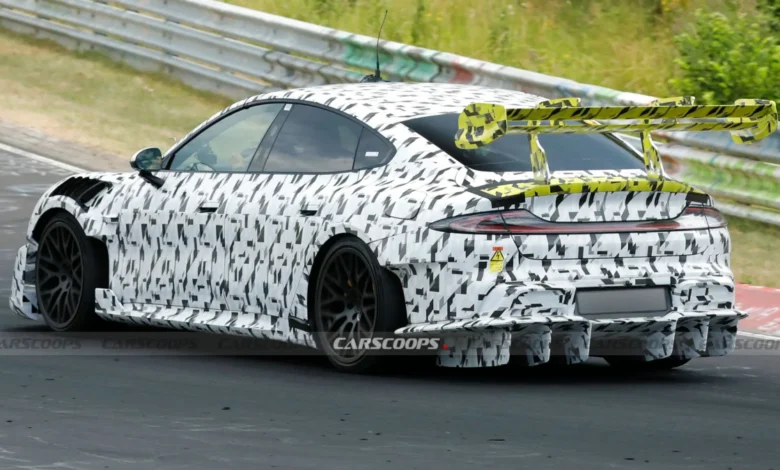
The vehicle captured in recent spy photography represents a significant departure from the already formidable SU7 Ultra. Industry observers have begun referring to this new iteration as the "Ultra Extreme," a track-focused evolution designed specifically to reclaim the crown of the fastest four-door electric sedan. While Porsche recently reasserted its dominance with the Taycan Turbo GT equipped with the Manthey Kit, Xiaomi’s response is a masterclass in aggressive aerodynamic engineering and cooling management.
Aerodynamic Evolution and Visual Analysis
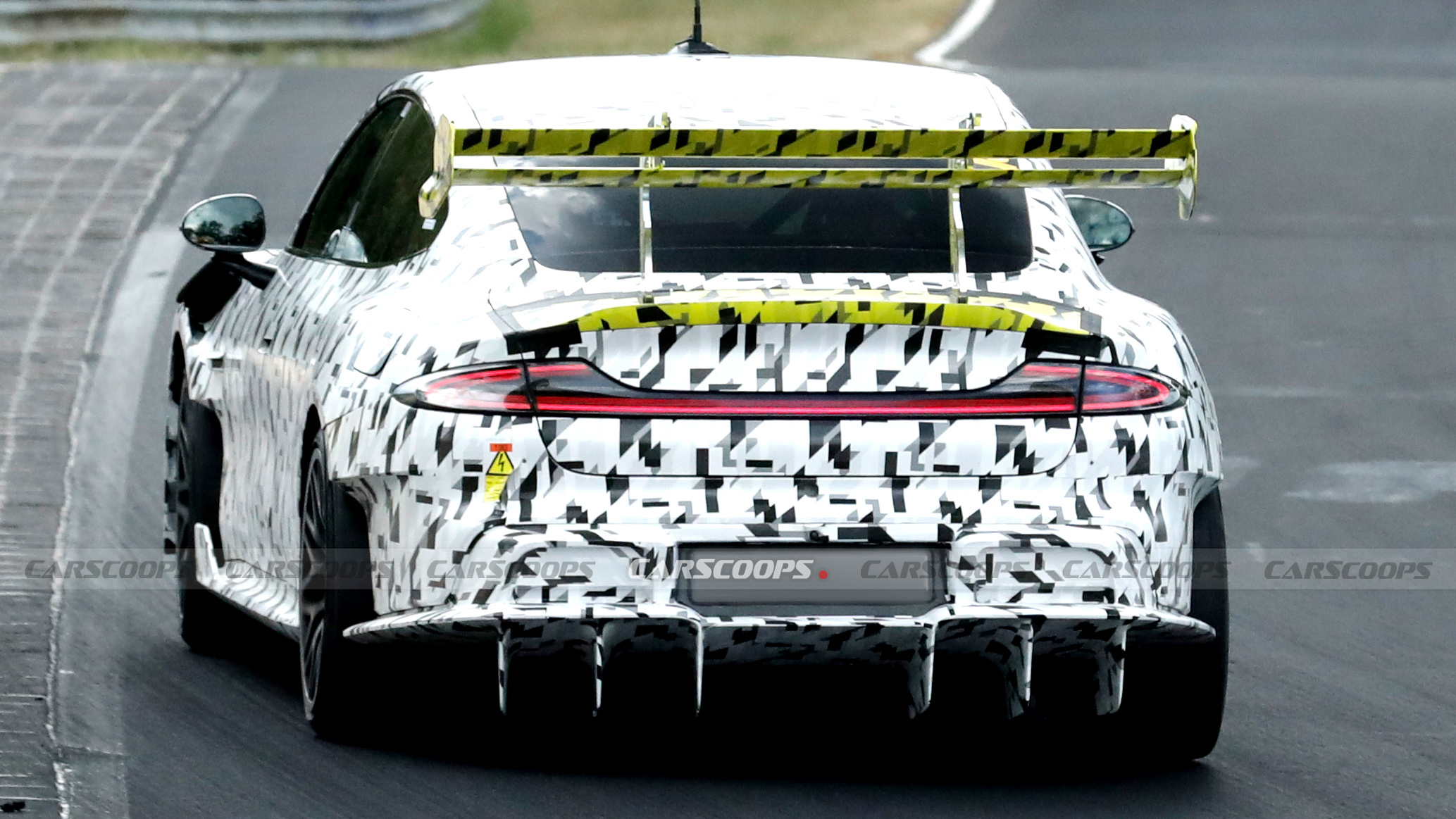
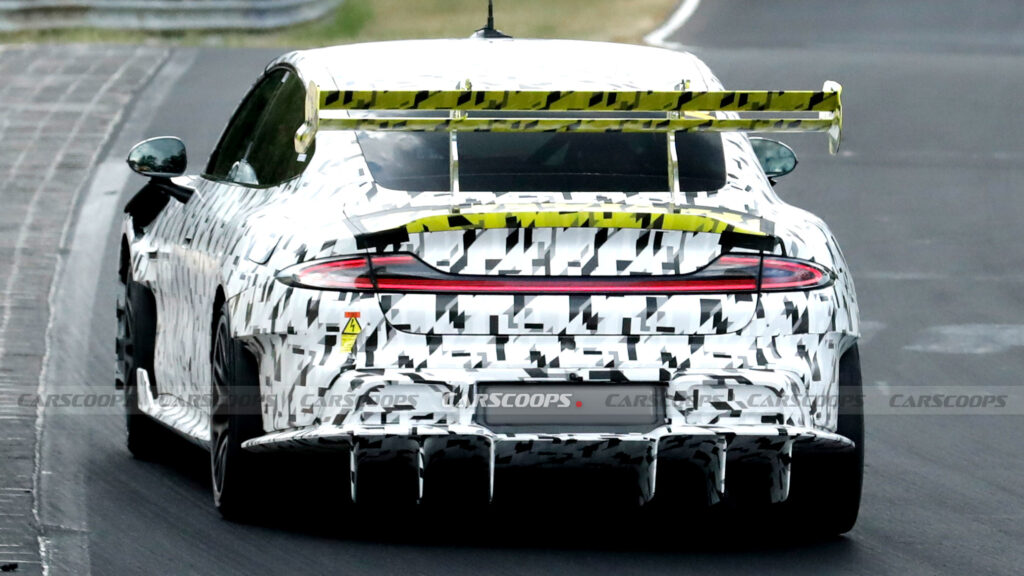
The most striking feature of the new prototype is the massive, high-mounted rear wing, which appears to have been inspired by the aerodynamic philosophy of the Porsche 911 GT3 RS. This oversized component utilizes a twin-plane design supported by swan-neck uprights, a configuration designed to maximize clean airflow to the underside of the wing, thereby generating immense downforce. There is significant speculation among track-side observers that this wing may incorporate an active Drag Reduction System (DRS), allowing the vehicle to reduce drag on the Nürburgring’s long Döttinger Höhe straight while maintaining maximum grip through the technical sectors of the 20.8-kilometer circuit.
Moving toward the front of the vehicle, the modifications are equally extensive. The front fascia has been redesigned with a more aggressive splitter and an entirely new bumper configuration. Large air intakes and specialized fins are integrated to direct airflow with surgical precision around the front wheels, reducing turbulence and enhancing front-end bite. The hood features deep extraction vents, likely carried over and refined from the original SU7 Ultra prototype, to manage the thermal loads of a high-output powertrain. Additionally, the front wheel arches now sport louvers, a classic motorsport solution used to relieve high-pressure air trapped within the wheel wells, further stabilizing the car at high speeds.
The Power Struggle: From Tri-Motor to Quad-Motor Potential
The current Xiaomi SU7 Ultra is already a powerhouse, utilizing a tri-motor "HyperEngine" configuration that produces a staggering 1,548 horsepower. This setup allows the sedan to accelerate from 0 to 100 km/h (62 mph) in a mere 1.98 seconds, with a top speed exceeding 350 km/h. However, to truly unseat the Porsche Taycan Turbo GT with the Manthey Kit, Xiaomi may be looking toward its internal research and development into quad-motor platforms.
Roughly 18 months ago, Xiaomi engineering teams revealed a high-performance EV architecture capable of supporting four independent electric motors, with a theoretical output of up to 2,054 horsepower. While it was initially believed this platform would be reserved for a flagship two-door supercar, the intensity of the Nürburgring rivalry may have accelerated its integration into the SU7 sedan. Even if the "Ultra Extreme" retains the tri-motor setup, the massive gains in aerodynamic efficiency and mechanical grip provided by the new bodywork could shave several seconds off a lap time. In the world of Nürburgring records, where victories are often decided by tenths of a second, such an evolution is transformative.

A Chronology of the Nürburgring EV Rivalry
The timeline of the battle for the Nürburgring EV record reflects the rapid pace of development in the electric performance sector:
- Early 2024: The Porsche Taycan Turbo GT established itself as the benchmark for premium production EVs, setting a blistering lap time that seemed untouchable for a four-door sedan.
- Summer 2024: Xiaomi entered the fray with the SU7 Ultra prototype. Utilizing a stripped-out interior and experimental aero, it successfully clocked a time that surpassed the standard Taycan Turbo GT, signaling that the Chinese newcomer was a legitimate threat to the European establishment.
- Late 2024: Porsche responded by officially launching the Manthey Kit for the Taycan Turbo GT. Developed by Porsche’s racing partners, this kit optimized the Taycan’s aero and suspension, allowing it to snatch the record back and solidify Porsche’s reputation for track-ready engineering.
- Present Day: Xiaomi returns to the Nordschleife with the "Ultra Extreme" prototype, featuring more aggressive aero than any previous iteration, signaling the next chapter in this ongoing power struggle.
Technical Foundations: Battery and Thermal Management
To maintain peak performance over the grueling 12.9-mile lap of the Nürburgring, battery technology and thermal management are as critical as raw horsepower. The SU7 Ultra utilizes a specialized CATL Qilin 2.0 battery pack, which is engineered for high-power discharge and rapid heat dissipation. Unlike standard EV batteries that may throttle power after a few minutes of intense driving, the Qilin 2.0 is designed to sustain high output throughout a full hot lap.
The "Ultra Extreme" prototype likely features further refinements to the battery cooling system. The enlarged front intakes suggest a greater need for airflow to the radiators, which must cool both the high-RPM electric motors and the battery cells. Furthermore, the braking system appears to have been upgraded to handle the increased kinetic energy, featuring massive carbon-ceramic rotors and high-performance calipers that can withstand the extreme temperatures generated by repeated heavy braking from 300+ km/h.
The Strategic Ambition of Xiaomi Auto
The decision to pursue Nürburgring records so aggressively is a calculated move by Xiaomi CEO Lei Jun. Since the brand’s entry into the automotive market, Xiaomi has sought to dispel the notion that it is merely a consumer electronics company building a car. By taking on Porsche—the gold standard of sports car engineering—on their home turf, Xiaomi is attempting to build "performance equity" that usually takes decades to establish.
The SU7 has already proven to be a commercial success in China, with the standard models garnering tens of thousands of orders within hours of launch. However, the Ultra and the rumored "Ultra Extreme" variants serve as "halo" cars. Their purpose is to elevate the brand image, proving that Xiaomi can compete with, and potentially beat, the best engineering the Western world has to offer.
Comparative Analysis: Xiaomi vs. Porsche
While Xiaomi brings raw power and software integration to the table, Porsche relies on its unparalleled experience in chassis dynamics and driver feedback. The Taycan Turbo GT with the Manthey Kit is lauded not just for its speed, but for its composure and the confidence it inspires in the driver.

Xiaomi’s challenge with the "Ultra Extreme" will be to translate its massive power into usable speed. The addition of the swan-neck wing and aggressive front aero suggests that Xiaomi is moving away from the "drag racer" philosophy and toward a "track weapon" philosophy. The Nürburgring is notoriously bumpy and features significant elevation changes; a car that is too stiff or lacks sophisticated damping will struggle to maintain contact with the asphalt. Therefore, the most significant upgrades in the "Ultra Extreme" may be hidden beneath the skin in the form of a revised active suspension system.
Broader Industry Implications
The escalation of this rivalry signifies a broader shift in the global automotive landscape. For the first time, a Chinese automaker is not just following the lead of European manufacturers but is actively setting the pace in the high-performance EV segment. This "arms race" at the Nürburgring is accelerating the development of EV technologies that will eventually trickle down to more affordable consumer models, particularly in the areas of motor efficiency, battery chemistry, and lightweight materials.
If Xiaomi succeeds in setting a new, significantly faster lap record with the SU7 "Ultra Extreme," it will force a response from not only Porsche but also other performance brands like Tesla and Lucid. The pursuit of the Nürburgring crown remains the most effective marketing tool for high-performance vehicles, and Xiaomi’s latest move proves they are playing for keeps.

As the prototype continues its testing phase under the watchful eyes of industry photographers and rival engineers, the automotive world waits for an official lap time. Whether Xiaomi can deliver a knockout blow to the Taycan remains to be seen, but one thing is certain: the era of European unchallenged dominance at the Nürburgring is officially over. The "Ultra Extreme" is a loud, aerodynamic declaration of intent from a company that refuses to be ignored.