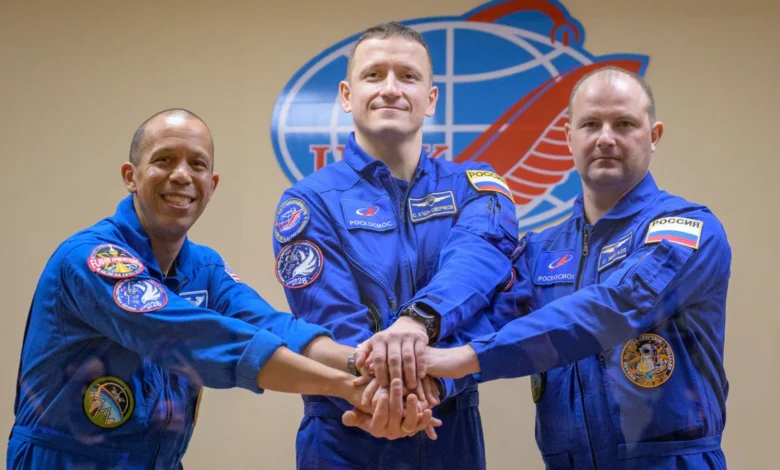
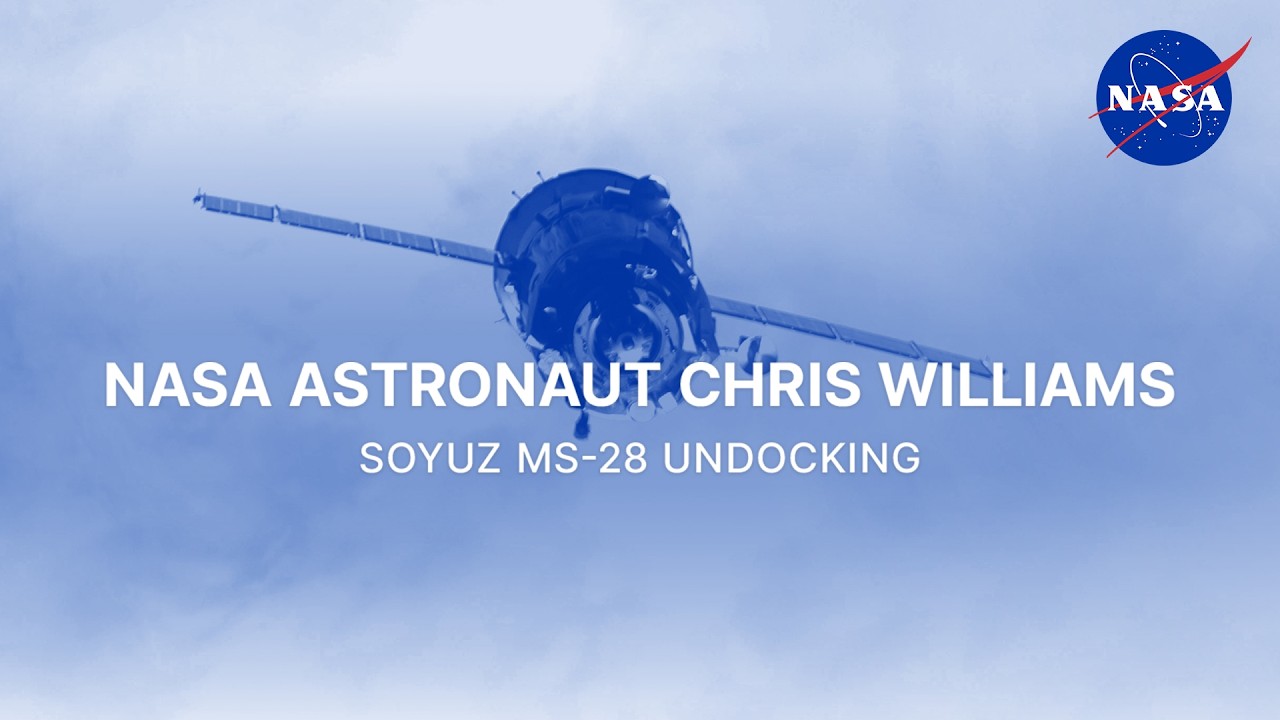
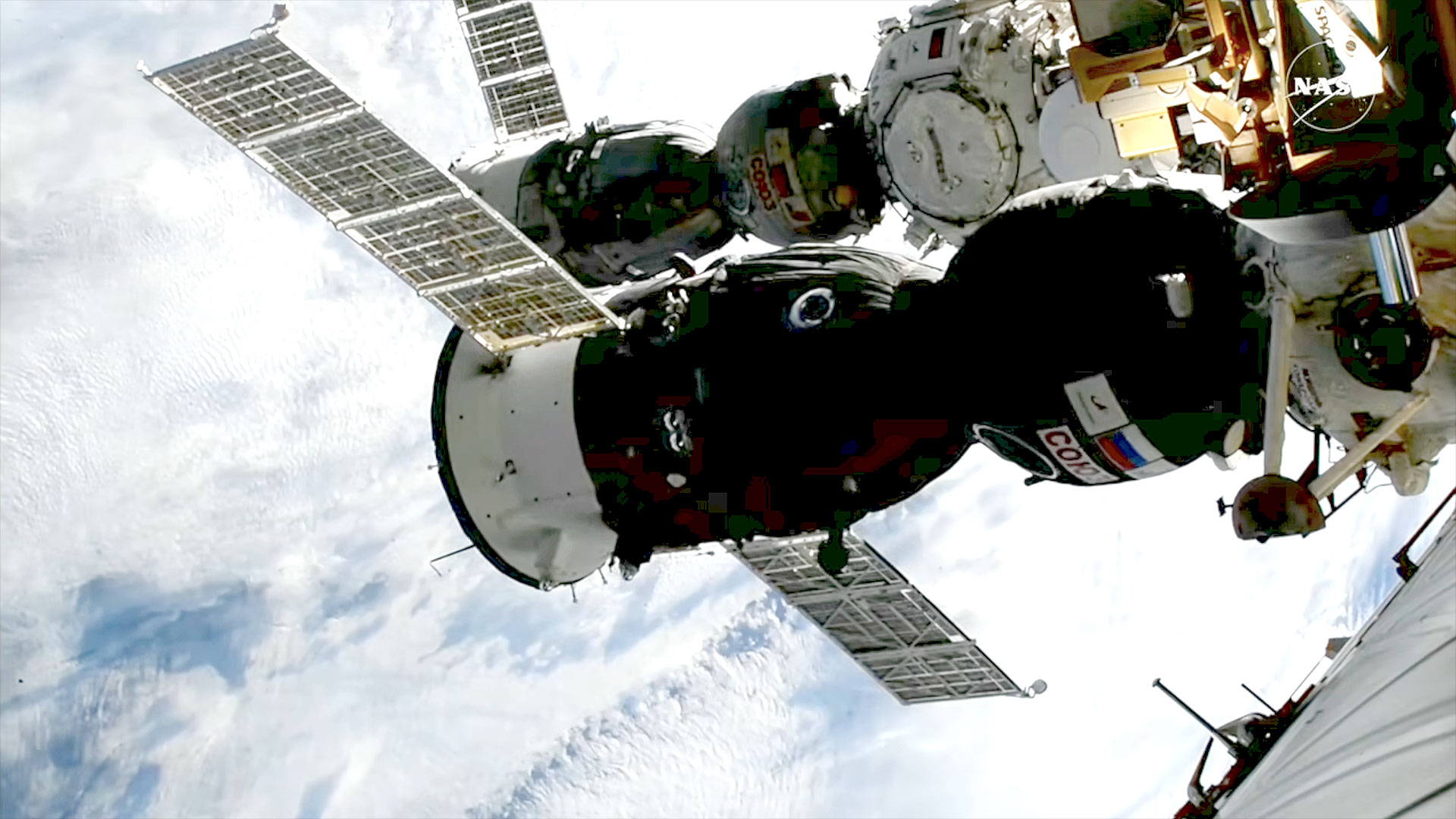
A multinational crew, including NASA astronaut Chris Williams, is set to undock from the International Space Station (ISS) early Sunday, July 26, marking the beginning of their return journey to Earth after a significant mission aboard the orbiting laboratory. The departure of the Soyuz MS-28 spacecraft, carrying Williams alongside Roscosmos cosmonauts Sergey Kud-Sverchkov and Sergei Mikaev, will culminate a period of international collaboration and scientific endeavor in low Earth orbit.
Countdown to Homecoming: Key Timings and Broadcast Information
The critical undocking maneuver is scheduled for 3:02 a.m. Eastern Daylight Time (EDT) on Sunday, July 26 (0702 GMT). This event signifies the formal end of the crew’s stay aboard the ISS and the commencement of their descent through Earth’s atmosphere. Approximately 3.5 hours later, the Soyuz MS-28 is expected to make its landing on the vast steppe of Kazakhstan at 6:26 a.m. EDT (1026 GMT).
For space enthusiasts and the public eager to witness this celestial homecoming, comprehensive live coverage will be available. NASA will provide a webcast of the undocking, beginning at 2:30 a.m. EDT (0630 GMT) on Sunday. Following a brief hiatus, the broadcast will resume at 5:15 a.m. EDT (0915 GMT) to cover the crucial deorbit burn and the subsequent landing activities. Space.com will also be carrying these live streams, offering a front-row seat to the final stages of the mission.
A Seamless Transition: Command Handover and Expedition Change
The departure of the Soyuz MS-28 is not merely an end to one mission but also a pivotal moment in the operational continuity of the International Space Station. Preceding the undocking, a significant change-of-command ceremony will take place aboard the ISS. This event, scheduled for today, July 25, at 9:40 a.m. EDT (1340 GMT), will see Sergey Kud-Sverchkov formally hand over the command of the orbiting laboratory to NASA astronaut Jessica Meir.
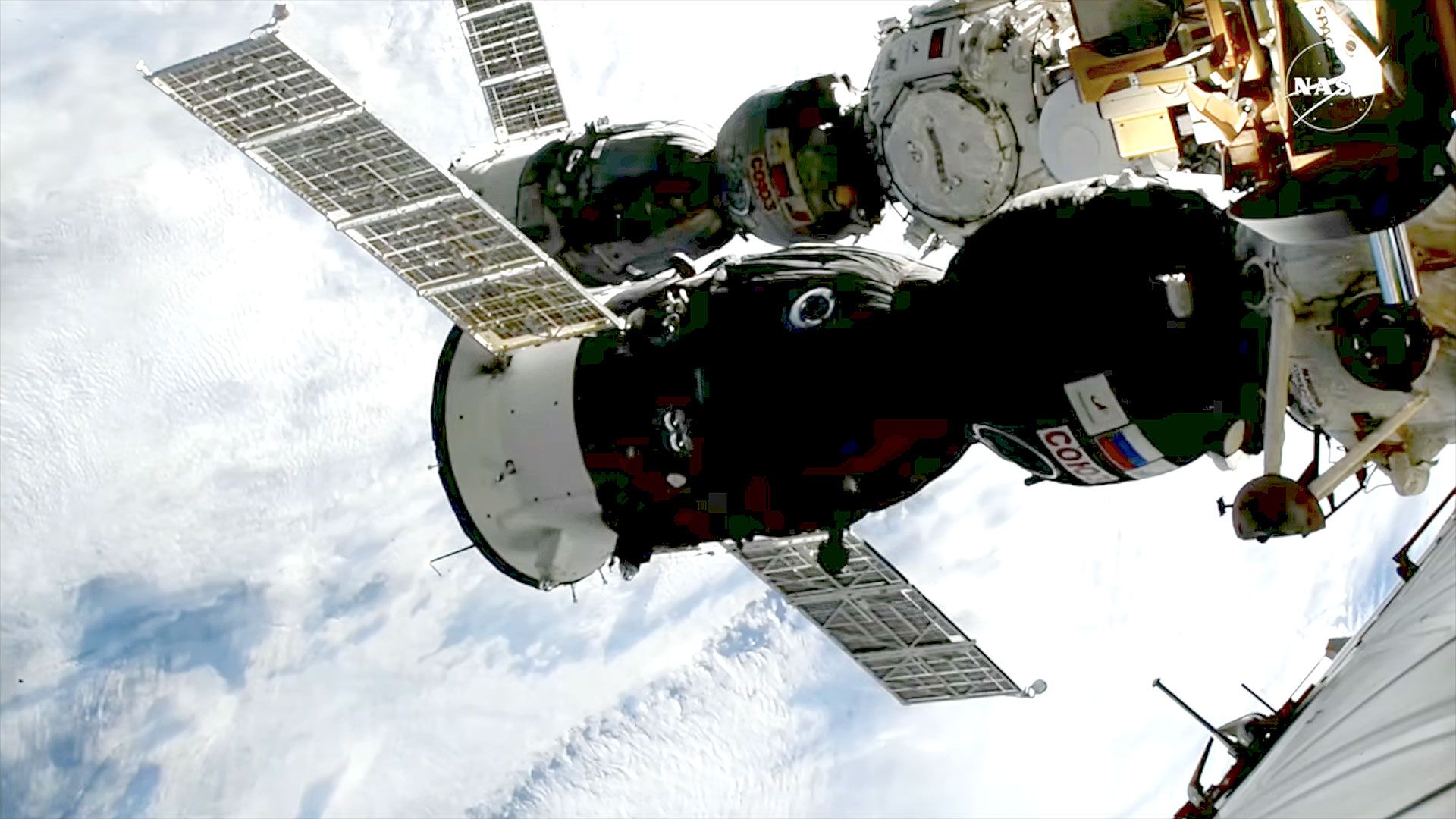
This transfer of authority is a customary procedure that marks the official transition from ISS Expedition 74 to Expedition 75. The commencement of Expedition 75 is intrinsically linked to the undocking of the Soyuz MS-28, symbolizing the continuity of human presence and operations in space. The change-of-command ceremony itself will be broadcast live by NASA, allowing viewers to witness this important handover of responsibility.
Further preparations for the departure will be webcast by NASA beginning tonight, July 25, at 11:10 p.m. EDT (0310 GMT on July 26). This broadcast will feature crew farewells and the closing of the hatches between the ISS and the Soyuz MS-28, an event anticipated around 11:30 p.m. EDT (0330 GMT). These moments underscore the meticulous planning and coordination required for a successful crew rotation and return.
A Mission Accomplished: Duration, Distance, and Scientific Contributions
The Soyuz MS-28 mission has been a substantial undertaking, with the three-person crew spending a total of 241 days in space. During their tenure aboard the ISS, they have completed an impressive 3,856 orbits of Earth, collectively traveling a staggering distance of over 102 million miles (approximately 164 million kilometers). This extensive period in orbit has allowed for a wide array of scientific research, technology demonstrations, and critical maintenance operations on the station.
The mission, which began with the Soyuz MS-28’s launch on November 27, marked the inaugural spaceflight for both NASA astronaut Chris Williams and Roscosmos cosmonaut Sergei Mikaev. For Sergey Kud-Sverchkov, it represented his second journey to the International Space Station, building upon his previous experience in the unique environment of space. The successful completion of their mission highlights the dedication and resilience of all three individuals.
Post-Landing Procedures and International Collaboration
Upon their safe return to Earth, the spaceflyers will undergo immediate post-landing procedures. Following the touchdown southeast of the Kazakh city of Dzhezkazgan, the crew will be transported by helicopter to Karaganda, Kazakhstan. This city serves as a vital hub for recovery operations and provides essential medical and logistical support to returning astronauts and cosmonauts.
From Karaganda, the crew will then proceed to their respective home bases. NASA astronaut Chris Williams will return to NASA’s Johnson Space Center in Houston, Texas, where he will undergo debriefing and reintegration into terrestrial life. Meanwhile, Roscosmos cosmonauts Sergey Kud-Sverchkov and Sergei Mikaev will journey back to their primary training facility in Star City, Russia, to debrief and prepare for future missions. This coordinated return underscores the enduring spirit of international cooperation that defines human spaceflight endeavors.
The Soyuz Program: A Cornerstone of Space Exploration
The Soyuz spacecraft, a workhorse of human spaceflight for decades, continues to play an indispensable role in ferrying crews to and from the International Space Station. Developed by the Soviet Union in the 1960s, the Soyuz design has undergone numerous upgrades and modifications, evolving into a highly reliable and robust vehicle. Its distinctive capsule shape is a familiar sight in space, symbolizing a continuous thread of human exploration reaching back to the dawn of the space age.
The Soyuz MS-28, a modern iteration of this legendary spacecraft, was launched atop a Soyuz-2.1a rocket from the Baikonur Cosmodrome in Kazakhstan. This launch site, leased by Russia from Kazakhstan, has been a crucial staging ground for numerous space missions, including the early Soviet crewed flights and the ongoing ISS resupply and crew rotation operations. The successful launch and mission of Soyuz MS-28 are a testament to the enduring capabilities of Russian aerospace engineering and its critical partnership with NASA and other international space agencies.
The International Space Station: A Symbol of Global Cooperation
The International Space Station itself stands as one of humanity’s most ambitious and successful collaborative projects. Since its initial module was launched in 1998, the ISS has served as a unique microgravity laboratory, hosting astronauts and cosmonauts from 15 nations. Its construction and operation have required unprecedented levels of cooperation, technological integration, and shared resources among former Cold War rivals.
The ISS program has yielded invaluable scientific data across a multitude of disciplines, including biology, physics, materials science, and Earth observation. Experiments conducted on the station have pushed the boundaries of human knowledge, leading to advancements that have applications both in space and on Earth. Furthermore, the continuous presence of humans in orbit for over two decades has provided crucial insights into the long-term effects of space travel on the human body, paving the way for future deep-space missions to the Moon and Mars.
The presence of an international crew like that of Soyuz MS-28, comprising astronauts from both the United States and Russia, exemplifies the harmonious working relationship fostered aboard the ISS. Despite geopolitical complexities on Earth, the space station has consistently remained a zone of scientific collaboration and mutual respect, demonstrating the power of shared goals in advancing human endeavor.
Looking Ahead: Future Missions and the Evolution of Spaceflight
The successful conclusion of the Soyuz MS-28 mission and the upcoming transition to Expedition 75 on the ISS mark another step in the ongoing narrative of human space exploration. As the ISS continues its operations, plans are already underway for future crewed missions and the development of next-generation spacecraft by both government agencies and private companies.
The Artemis program, led by NASA, aims to return humans to the Moon and establish a sustainable lunar presence, serving as a stepping stone for eventual missions to Mars. Simultaneously, commercial spaceflight providers are increasingly contributing to access to space, offering opportunities for both government and private astronauts.
The experience gained from missions like that of Chris Williams, Sergey Kud-Sverchkov, and Sergei Mikaev is foundational to these future endeavors. The technical expertise, operational knowledge, and understanding of human physiology in space developed during their time aboard the ISS will be critical as humanity ventures further into the cosmos. The coordinated efforts of international partners, as exemplified by this Soyuz mission, will continue to be paramount in achieving these ambitious goals.
The unswerving dedication of astronauts and cosmonauts, coupled with the robust engineering of spacecraft like the Soyuz, ensures that the human spirit of exploration continues to reach for the stars. The return of the Soyuz MS-28 crew is not just an end to their mission, but a celebrated achievement in the ongoing saga of humanity’s quest to understand and explore the universe.
Related posts: