The U.S. Passport is Getting a Facelift: Major Overhaul to Application Process and Document Design Set for 2026–2028

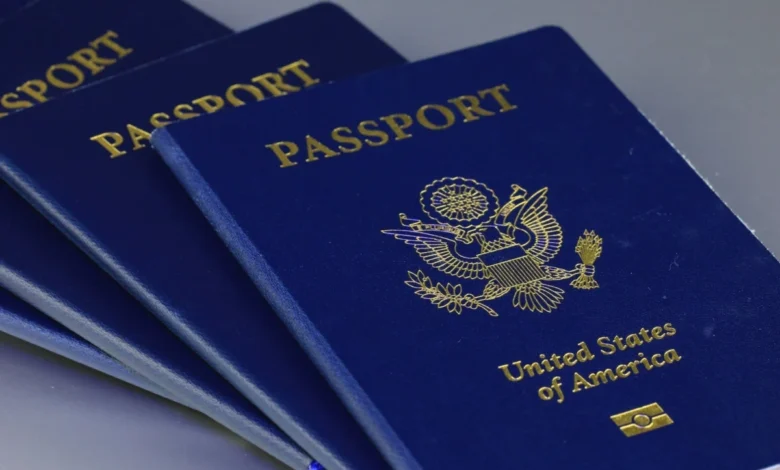
The United States passport, one of the world’s most recognizable travel documents and a critical tool for international mobility, is undergoing its most comprehensive modernization in decades. The Trump administration has officially unveiled sweeping changes to both the physical design of the passport and the administrative framework governing how citizens apply for and renew the document. Scheduled for a phased rollout concluding in 2028, these reforms aim to leverage emerging technologies to reduce bureaucratic friction while introducing a visually striking new aesthetic that highlights American history and iconography.
For millions of American travelers, the upcoming changes represent a significant departure from legacy systems that have long required in-person appointments, physical document mailings, and traditional processing delays. By integrating passport services into a newly established artificial intelligence-powered government platform, federal authorities hope to streamline operations at the Department of State while enhancing the security and cultural resonance of the document itself.
Streamlining the Application Process: The Shift to Digital
The most transformative aspect of the newly announced initiative is the expansion of digital-first services for first-time passport applicants. Historically, obtaining an initial U.S. passport required individuals to schedule an in-person appointment at an authorized acceptance facility—such as a post office, public library, or clerk of court—complete with physical paper forms, wet-ink signatures, and printed passport photos obtained from third-party vendors. While online renewals have gradually rolled out over recent years to alleviate backlogs, first-time applicants remained tethered to traditional, paper-heavy workflows.
Under the new directives, the application process for first-time applicants will transition to a digital format hosted on America.gov, a centralized artificial intelligence-powered government services platform that officially launched on Tuesday. This platform is designed to interface directly with existing federal databases, allowing the system to pre-populate relevant applicant information securely.
Furthermore, the updated framework eliminates traditional barriers by permitting applicants to capture and upload compliant passport photographs directly from personal devices, such as smartphones or tablets. Payment processing will also be integrated natively into the digital platform, replacing traditional money orders or certified checks with modern electronic payment gateways. To keep applicants informed throughout the process, the platform introduces a real-time tracking dashboard, providing granular visibility into application milestones, adjudication status, and estimated delivery windows for the final document.
Aesthetic Redesign and Historical Commemoration
In addition to administrative digitization, the physical appearance of the U.S. passport is set to undergo a dramatic visual evolution. Slated for a full rollout in 2028, the redesigned document incorporates enhanced security features alongside deeply symbolic artistic elements.
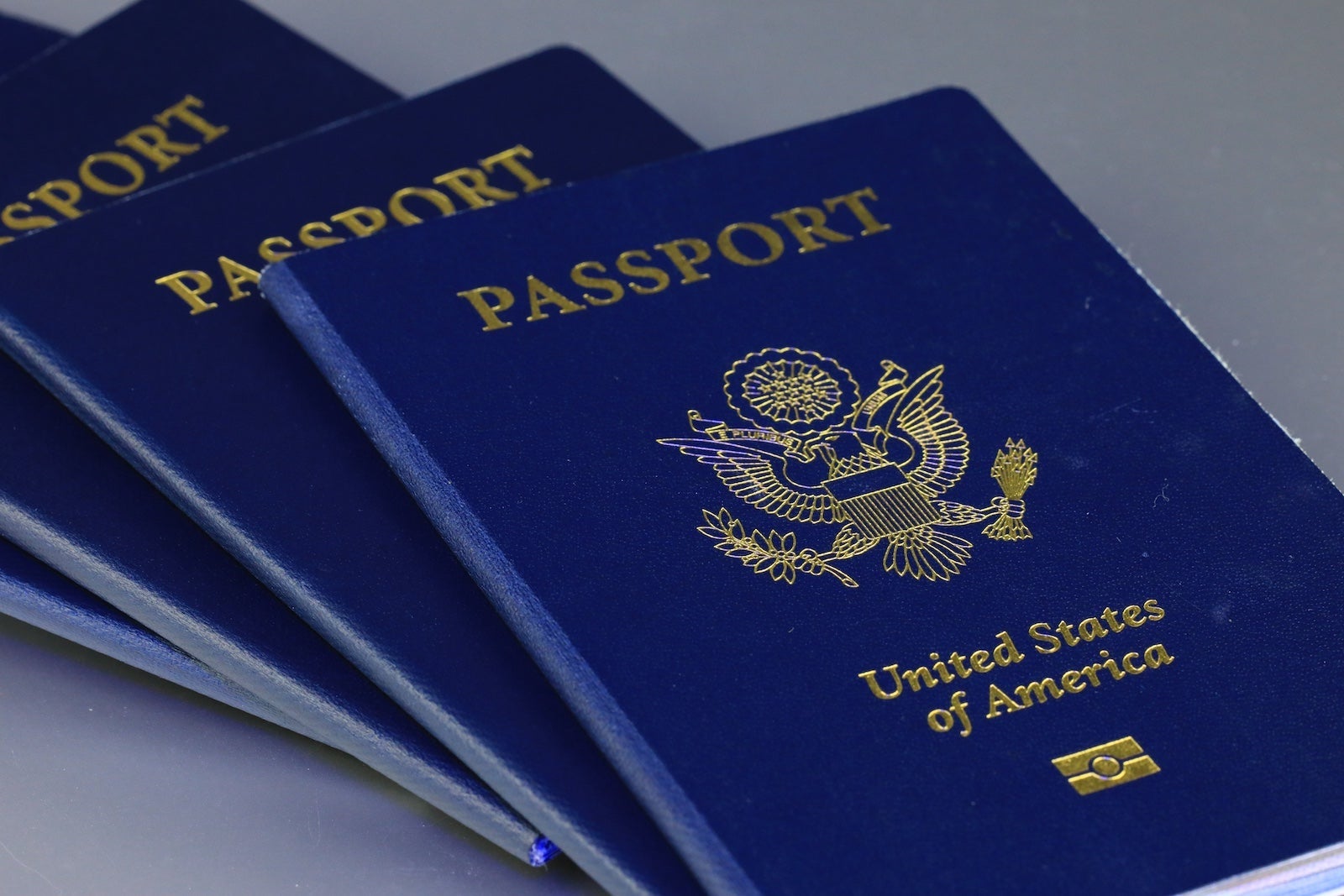
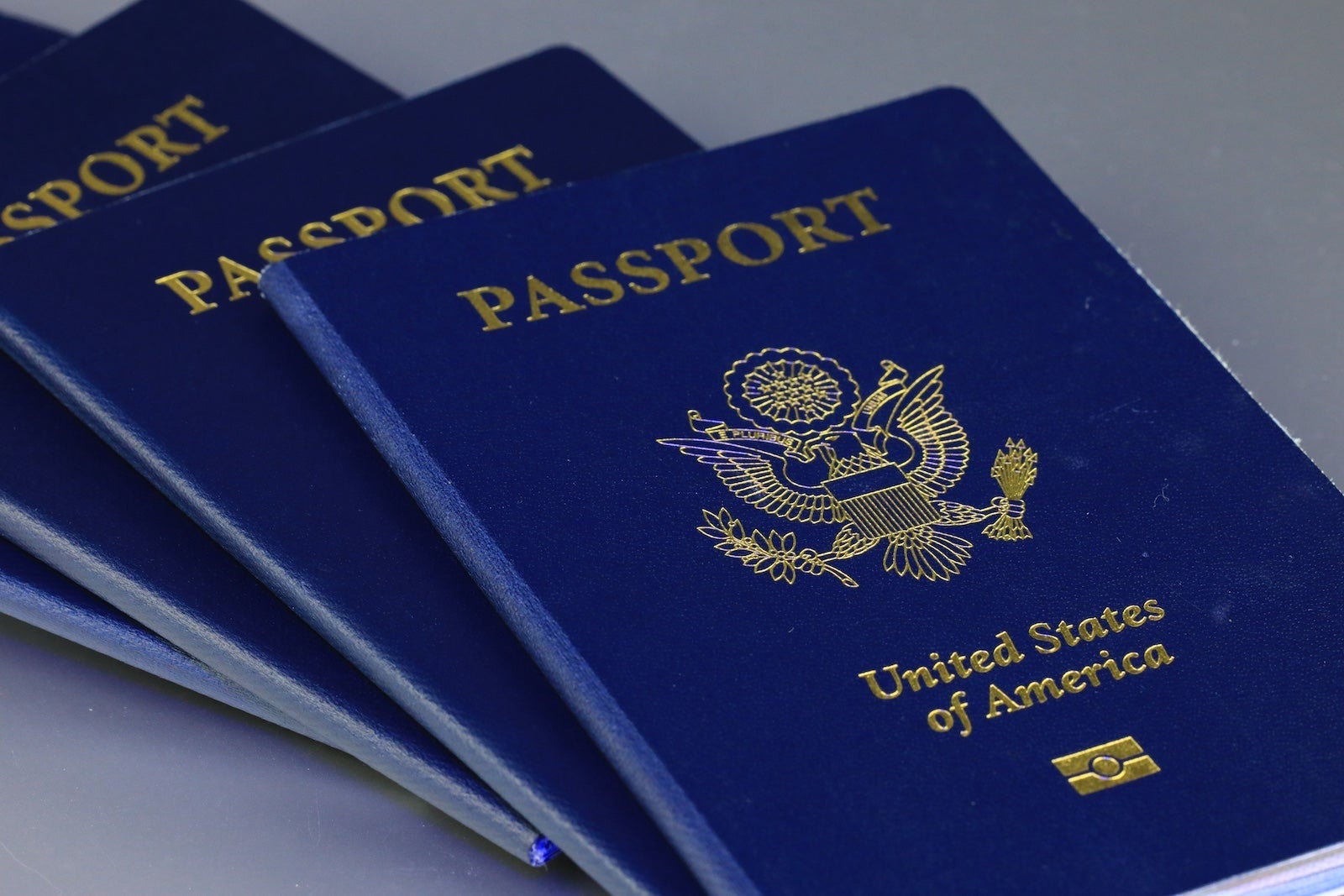
The exterior of the passport will feature a more prominent Great Seal of the United States—the official emblem of the federal government, centered around the traditional bald eagle motif—alongside enlarged "United States of America" lettering, both rendered in striking gold foil.
The interior pages will serve as a visual narrative of American history and technological achievement. Rather than standard historical vignettes, the new pages will chronicle pivotal milestones ranging from the American Revolution to modern space exploration, including dedicated homages to NASA’s Artemis lunar missions. Among the most innovative artistic additions is a dynamic, flipbook-style eagle design embedded into the page corners. When flipped rapidly, the pages create an animated sequence depicting a bald eagle in flight, combining modern graphic design with advanced anti-counterfeiting measures.
Chronology of Modernization and Implementation Timeline
The modernization of the U.S. passport system does not occur in a vacuum; it represents the culmination of years of iterative updates aimed at addressing post-pandemic travel surges and administrative backlogs.
- Late 2022 to 2023: The U.S. Department of State experiences unprecedented demand for travel documents, leading to extended processing times that stretch up to 10 to 13 weeks. In response, pilot programs for online passport renewals are scaled up to test digital infrastructure stability.
- 2024: Online passport renewal services are made broadly available to eligible adult citizens, proving the viability of remote identity verification and digital document submission.
- September 2026: The federal government launches America.gov, an AI-driven centralized services platform, laying the technical foundation for the expansion of digital first-time passport applications. The administration formally announces comprehensive updates to passport design and application logistics.
- Late 2027: The digital application portal for first-time applicants is slated to achieve full operational capacity, integrating pre-populated data fields, device-based photo uploads, and real-time tracking.
- 2028: The newly redesigned physical passport, featuring gold-foil embossing and historical interior artwork, is scheduled to officially roll out to the public.
Implications for Travelers and Current Document Validity
For current passport holders, the impending changes carry immediate reassurance: existing passports remain fully valid for international travel through the expiration date printed inside the document. Travelers are not required to exchange their current blue-cover passports for the upcoming design ahead of schedule.

When expiration dates do approach, however, citizens will encounter a significantly modernized renewal ecosystem. By bypassing third-party photo service fees and eliminating the necessity of visiting designated physical acceptance facilities during standard business hours, the updated digital infrastructure is expected to lower both the financial and temporal costs associated with maintaining travel documents.
Industry analysts and consumer advocacy groups have largely welcomed the shift toward digitization, noting that efficient consular services are vital as international travel volumes continue to rebound and exceed pre-pandemic baselines. However, cybersecurity experts emphasize that as government services consolidate onto centralized digital portals like America.gov, robust data protection protocols will be essential to safeguard sensitive personal identifiable information (PII) against sophisticated cyber threats.
Broader Context and Global Benchmarks
The modernization of U.S. identity documents aligns with a broader global trend toward digital governance and high-security travel credentials. Nations across the European Union, Asia-Pacific, and the Americas have increasingly adopted biometric passports, mobile-integrated application workflows, and advanced optical security features to streamline border control and combat document fraud.
By incorporating artificial intelligence into the intake and verification stages, the U.S. State Department is positioning its consular services to handle high-volume surges more resiliently. If successfully executed, the transition to digital-first applications and the introduction of culturally significant document designs will mark a new era in American civil administration—balancing historical reverence with the demands of a hyper-connected, digital-first world.