From Concept to $400,000 Monthly Revenue: How Scoops Leveraged Supply Chain Trust to Crack the Target Retail Code


The trajectory of the plant-based protein market has shifted dramatically over the last decade, evolving from niche athletic supplements to mainstream pantry staples. Among the most recent success stories in this sector is Scoops, a startup that has achieved a meteoric rise from a conceptual pitch to a high-velocity retail product. Founded by industry veteran Liz Lane, the brand—which specializes in plant-based peanut butter protein powder—has demonstrated the power of strategic supply chain integration, securing a massive retail footprint at Target within its first year of operation.
After launching on shelves in May 2026, the company recorded $25,000 in revenue during its inaugural month. By October 2026, that figure had surged to $400,000, signaling a rapid adoption rate among consumers and a successful execution of a non-traditional go-to-market strategy.
The Architect of Growth: A Background in Operations
Liz Lane’s transition from an operations specialist to a founder was not an impulsive decision but rather the culmination of over 12 years of experience within the fast-moving consumer goods (FMCG) sector. Her pedigree includes early-stage involvement with Huel, where she served as the first U.S.-based operations hire, navigating the complexities of scaling a UK-based entity for the American market.
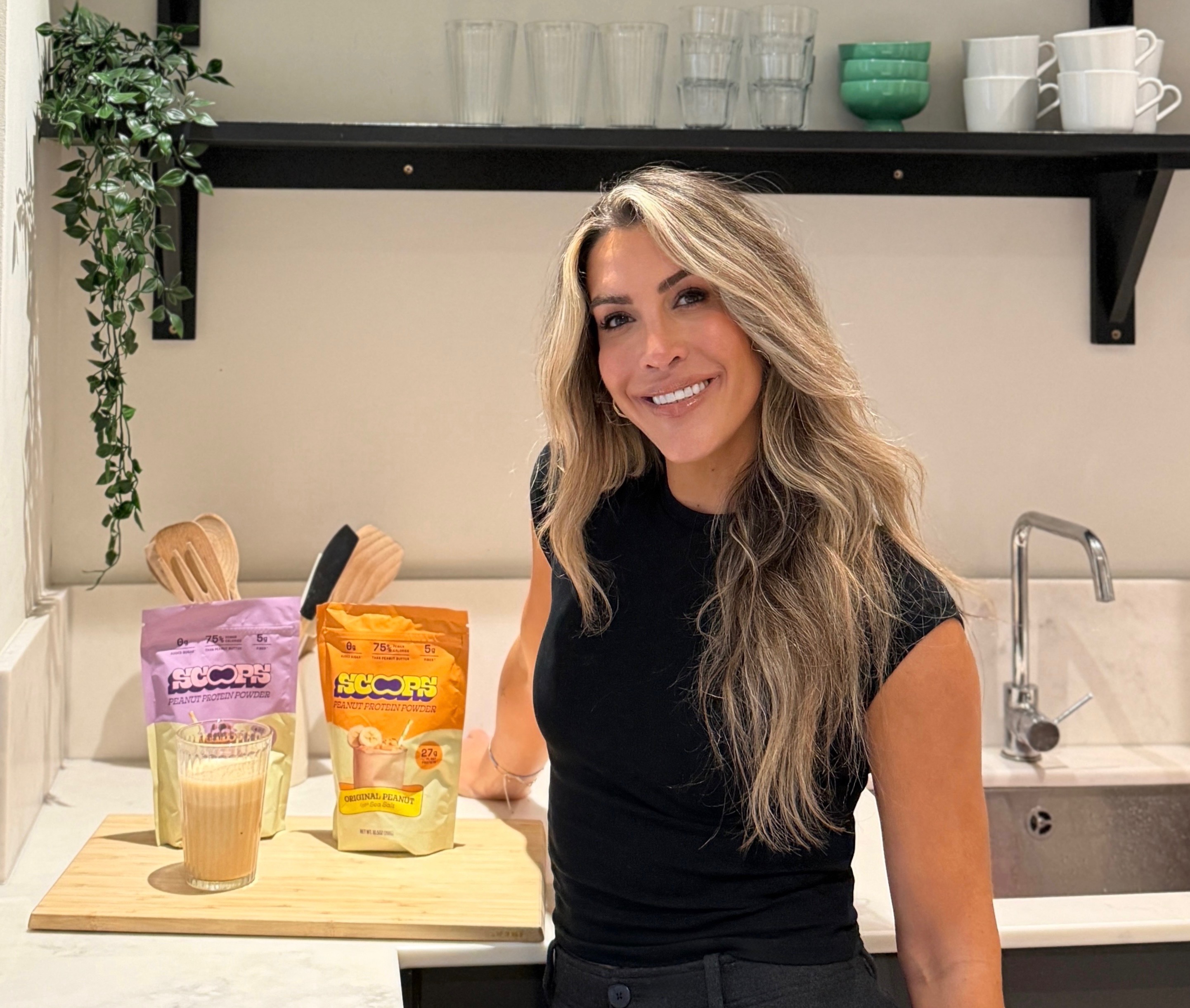
Following her tenure at Huel, Lane joined the foundational team at Magic Spoon, a high-growth brand that successfully disrupted the breakfast cereal category. As an early hire managing the operational backbone of the company, Lane gained firsthand experience in the mechanics of hyper-growth—from supply chain logistics to retail distribution hurdles. When she departed to begin consulting for various emerging brands, she did so with a specialized understanding of what allows a startup to thrive versus what causes it to falter under the weight of scaling too quickly.
Identifying the Gap: The Pivot to Peanut Butter
The genesis of Scoops was rooted in a pragmatic observation of consumer behavior. While the market was saturated with whey and complex plant-based protein blends, Lane sought to develop a product that required minimal behavioral change from the consumer. Recognizing that traditional protein powders often suffer from chalky textures or artificial flavor profiles, she looked toward a universally popular base: peanut butter.
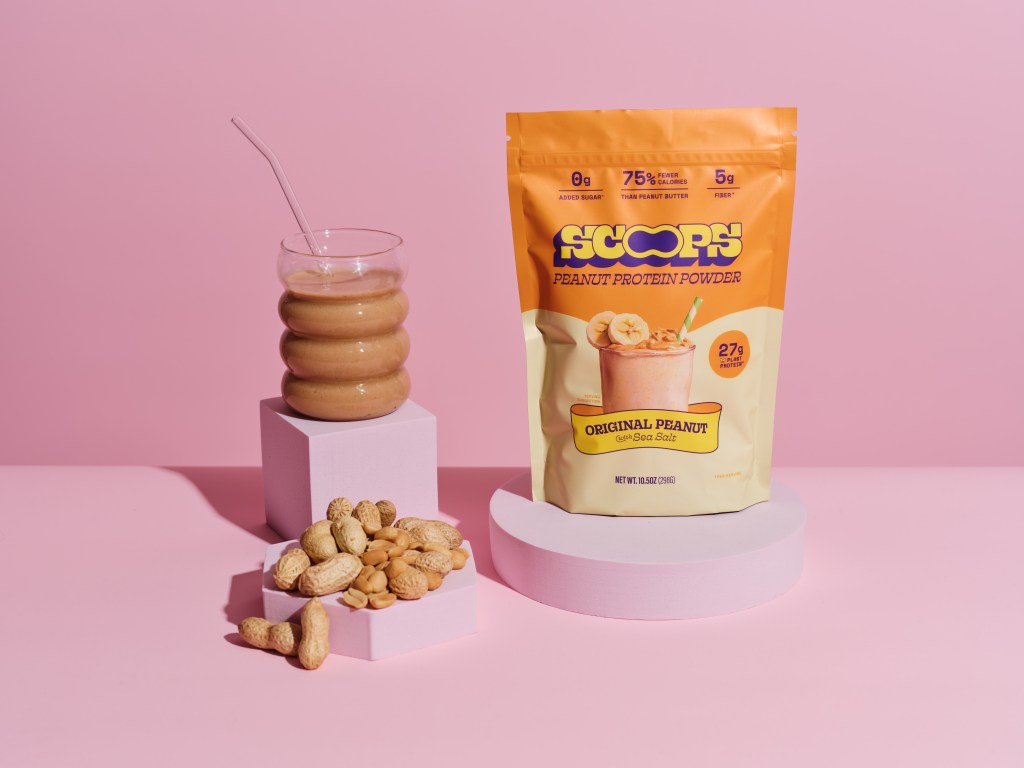
"I wanted to come up with a product that wouldn’t require me to change what I was already doing or eat a lot differently," Lane noted. The breakthrough came through a collaboration with a supplier introducing a novel peanut isolate to the market. By isolating the protein from the nut, Lane and her team were able to create a powder that provided the flavor profile of peanut butter while offering 75% fewer calories and 95% less fat than the traditional spread. This technical advancement allowed for a more efficient consumption method—one that fits seamlessly into smoothies, oatmeal, and baking recipes, bypassing the calorie density that often limits the consumption of raw peanut butter.
A Rapid Timeline to Retail Dominance
The timeline of Scoops’ entry into Target is characterized by an accelerated development phase that defies standard industry norms. In late summer 2025, the brand existed primarily as a concept with a single sample and a refined branding strategy.
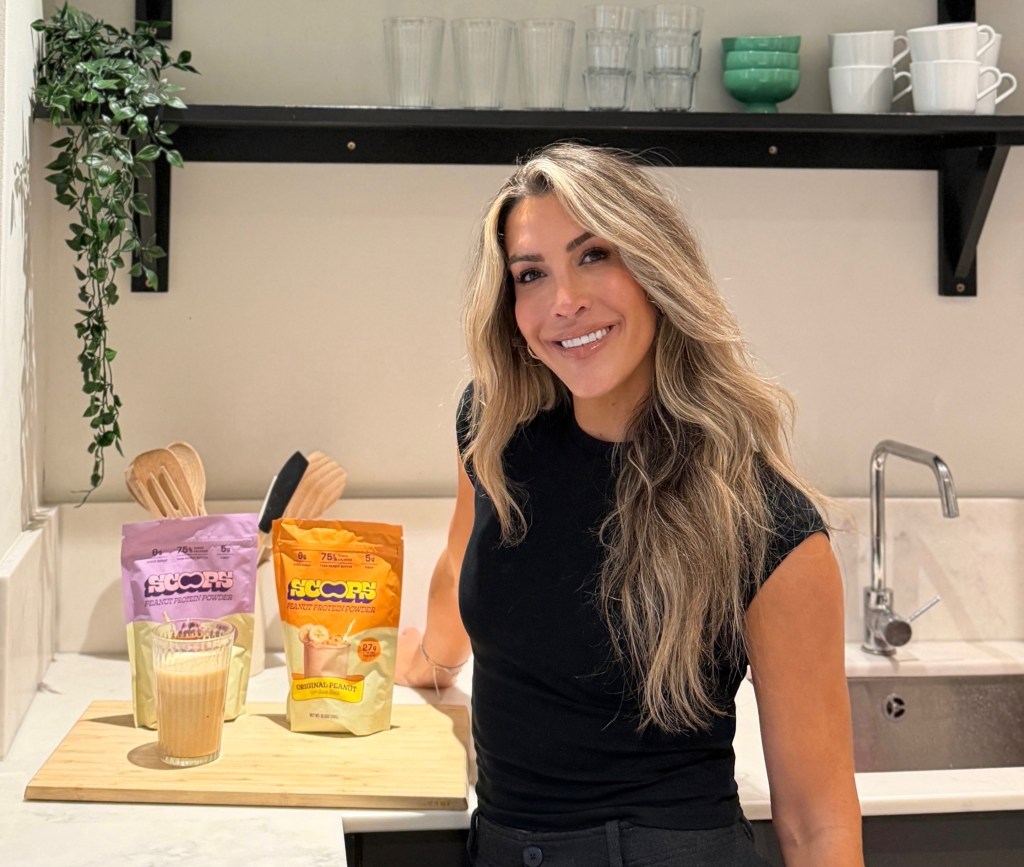
In August 2025, Lane presented this vision to retail buyers at Target. Despite the brand’s infancy, the retail giant, which has been aggressively diversifying its "better-for-you" food aisles to meet shifting consumer demands, recognized the potential for innovation in the protein segment. By December 2025, Scoops was awarded a distribution contract covering more than 1,100 doors. This set an aggressive deadline: the brand had approximately three months to secure capital, finalize production, and scale its operations to meet the requirements of a national retail launch in May 2026.
Funding Through Supply Chain Partnerships
One of the most distinct aspects of the Scoops origin story is its unconventional capital-raising strategy. Rather than following the traditional venture capital route, which often involves high equity dilution and intense pressure for short-term growth, Lane leveraged her existing professional network within the supply chain.
By securing $500,000 in initial funding from her primary manufacturer and ingredient suppliers, Lane created a capital structure rooted in mutual interest. These suppliers, having worked with Lane across her previous ventures, possessed a deep trust in her operational competency. This investment model allowed the brand to remain lean, focusing its limited cash reserves on inventory and initial retail marketing efforts rather than heavy administrative overhead.
Strategies for Velocity and Visibility
Launching a new product directly into a retail environment without a significant pre-existing direct-to-consumer (DTC) footprint presents substantial risks. To move the product off the shelves, Scoops employed a hyper-focused marketing strategy. Because funds were heavily concentrated on meeting Target’s inventory requirements, the team relied on grassroots influencer marketing and gifting campaigns, specifically targeting "Target finds" communities on social media platforms.
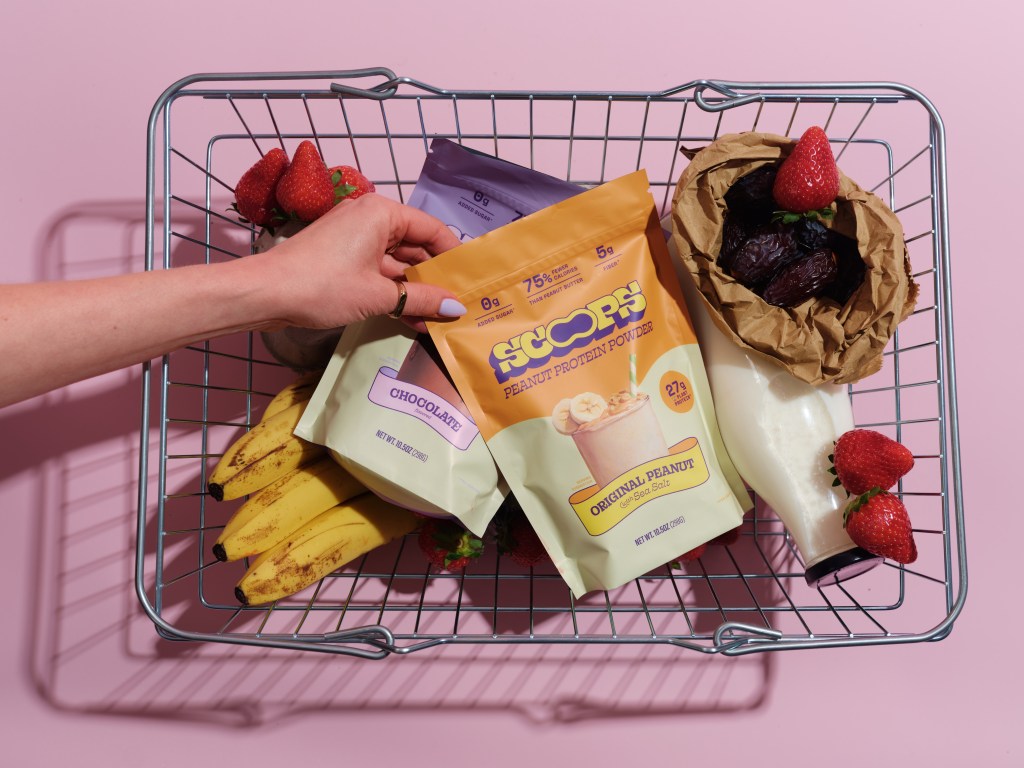
This strategy was supplemented by an 11-week end-cap placement at Target, which significantly increased consumer visibility. The data from the first five months of operation suggests that this strategy has been highly effective. The jump from $25,000 to $400,000 in monthly sales indicates that the product is successfully achieving high sell-through rates, a critical metric for maintaining long-term retail relationships.
The Broader Implications for the CPG Industry
The success of Scoops serves as a case study in the evolving landscape of the consumer packaged goods (CPG) industry. The brand’s performance highlights several key trends currently shaping the sector:
- The Shift Toward "Incremental" Innovation: Instead of attempting to reinvent the food industry with radical new ingredients, successful brands are increasingly focusing on improving the efficiency and nutritional profile of existing, well-loved staples.
- Operational Maturity as a Founder’s Edge: The "move fast and break things" mantra has often led to the downfall of CPG startups that failed to manage their unit economics. Lane’s experience in operations allowed her to plan for growth without falling into the "cash-trap" that often claims companies during their first year of retail expansion.
- The Rise of Strategic Partnerships: The reliance on supply chain partners for capital suggests a shift in how founders may approach early-stage funding. By aligning incentives with those who manufacture the product, brands can ensure a more collaborative and stable growth trajectory.
Looking Toward the Future
As Scoops moves past its initial launch phase, the focus for the company is shifting from mere survival to long-term sustainability. Lane has expressed a commitment to "growing slowly," a sentiment that stands in contrast to the industry’s typical obsession with unicorn-status valuations and triple-digit growth.
"It’s okay to build a small, sustainable business. That is still success," Lane stated. This approach includes a rigorous testing process for new products to ensure that every expansion is met with verified consumer demand. With a lean team, including Chief Marketing Officer Lauren Browning, the brand is now looking to expand its headcount and further solidify its presence in the household.
The success of Scoops in such a short window underscores that in an increasingly crowded CPG market, the combination of operational discipline, strategic retail partnerships, and a clear, functional value proposition remains the most reliable path to viability. As the brand continues to evolve, its performance will likely remain a benchmark for how emerging companies can successfully navigate the transition from a concept to a high-volume retail staple.