The global winter tourism sector is experiencing a pronounced shift toward private, experiential mountain lodging, with forward-thinking travelers securing alpine accommodations nearly a year in advance. As winter sports enthusiasts cast their sights across the Atlantic for the upcoming 2026–2027 ski season, demand for high-end European vacation rentals—spanning the Swiss, Austrian, Italian, and German Alps, as well as the emerging Nordic and Slovenian markets—has reached unprecedented heights. Industry analysts attribute this surge to a post-pandemic preference for private chalets equipped with wellness amenities, seamless slope-side access, and authentic regional architecture that bridges centuries-old heritage with modern luxury.
Market Dynamics and Booking Timelines
The European ski rental market operates on a compressed and highly competitive timeline. Historically, peak-season weeks encompassing Christmas, New Year, and February school holidays are booked up to 10 to 12 months in advance. Real estate and travel economists note that inventory constraints in prime alpine villages, such as Zermatt, Cortina d’Ampezzo, and Kitzbühel, have driven a steady appreciation in nightly rates, prompting travelers to lock in their itineraries well ahead of the first snowfall.
According to regional tourism boards, European ski resorts have also invested heavily in sustainable infrastructure ahead of the 2026–2027 season. Upgrades to snow-making technology, energy-efficient chairlifts, and carbon-neutral alpine villages have made destinations across the Alps and Scandinavia increasingly attractive to environmentally conscious travelers. Consequently, vacation rentals that boast eco-certifications, geothermal heating, and locally sourced construction materials are commanding the highest occupancy rates.
Vetting Criteria for Elite Alpine Accommodations
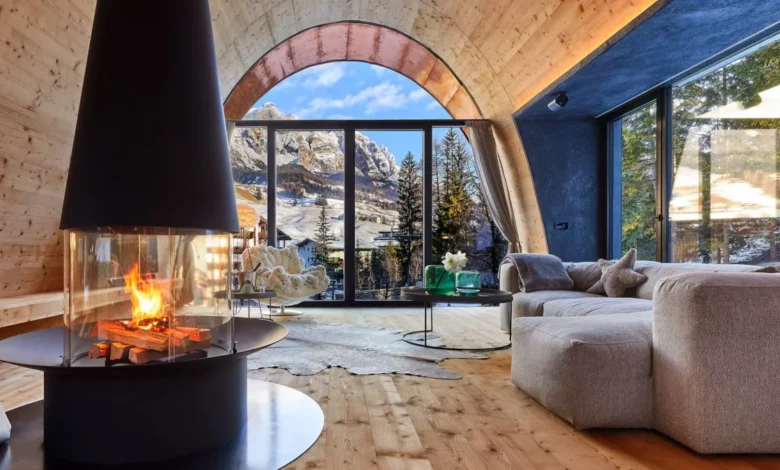
Curating a collection of premier ski-ready rentals requires a rigorous analytical framework. Industry experts evaluate properties based on specific quantifiable metrics, including Airbnb Superhost or Guest Favorite status, aggregate user ratings exceeding 4.9 stars, proximity to ski lifts or backcountry routes, and the inclusion of specialized winter amenities. Essential features for modern alpine travelers include heated ski and snowboard storage rooms, boot warmers, wood-burning fireplaces, private saunas or hot tubs with mountain views, and fully equipped chef-grade kitchens.
Furthermore, interior design and historical preservation play a critical role. Many of the most sought-after properties are converted historic farmhouses (known locally as stables or rusters) that have been meticulously restored to retain their timber-hewn beams and stone foundations while integrating state-of-the-art smart-home technology and high-speed fiber-optic internet.
Regional Breakdown: Where to Stay Across Europe
The Swiss Alps: Luxury and High-Altitude Reliability
Switzerland remains the gold standard for high-altitude skiing, offering guaranteed snow cover on glaciers such as Zermatt and Saas-Fee. Rentals in the Swiss Alps are characterized by architectural grandeur, sweeping views of iconic peaks like the Matterhorn, and proximity to world-class culinary and après-ski scenes. Properties vetted for the 2026–2027 season emphasize absolute privacy, often accessible only via private cable car or electric vehicle transit within car-free mountain villages.
The Italian Dolomites: Dramatic Landscapes and Gastronomy
The Italian Dolomites, a UNESCO World Heritage site, offer a distinct alpine experience defined by sheer limestone walls that glow pink at sunset. Vacation rentals here—ranging from modern glass-fronted chalets in Val Gardena to rustic stone retreats in Cortina d’Ampezzo—position travelers directly within the Dolomiti Superski area, the largest ski carousel in the world. Beyond skiing, guests increasingly choose these rentals for their proximity to Michelin-starred mountain rifugios and a unique blend of Italian and Tyrolean culture.
The Austrian Alps: Tradition and Apres-Ski Culture
Austria’s alpine regions, including the Arlberg and Kitzbühel Alps, are globally renowned for their vibrant village atmospheres and deep-rooted skiing traditions. Rental properties in villages like St. Anton and Lech often feature classic timber-and-stucco exteriors paired with luxurious wellness facilities. Industry analysts note that Austrian chalets maintain some of the highest repeat-guest rates in Europe, driven by legendary hospitality and efficient, interconnected lift systems.
The German Alps and Bavaria: Accessible Heritage
Bordering Austria, the Bavarian Alps offer a more understated, culturally rich winter getaway. Destinations like Garmisch-Partenkirchen combine historic charm with challenging terrain, including Germany’s highest peak, the Zugspitze. Rentals in this region appeal to travelers seeking proximity to fairy-tale castles, thermal baths, and traditional Bavarian alpine culture without the hyper-commercialization found in larger resort hubs.
Scandinavia and Slovenia: Emerging Northern Frontiers
For travelers seeking alternatives to the traditional alpine corridor, Norway and Slovenia represent rapidly growing winter destinations. Norwegian ski rentals—particularly in regions like Fjord Norway and the northern latitudes—offer the rare opportunity to combine alpine or cross-country skiing with nocturnal viewings of the aurora borealis. Meanwhile, Slovenia’s Julian Alps, centered around Kranjska Gora and Lake Bled, provide a cost-effective, highly scenic, and family-friendly European ski experience with robust infrastructure and pristine natural surroundings.
Economic and Tourism Implications
The booming demand for European ski rentals has a profound ripple effect on local mountain economies. Small alpine communities that rely heavily on winter tourism experience extended seasonal employment windows, supporting local artisans, property management firms, and regional agricultural producers who supply local alpine restaurants and chalets.
At the same time, regional authorities are implementing stricter regulations on short-term rentals to balance tourism growth with housing availability for local residents. Popular ski destinations in Switzerland and Austria have introduced localized zoning laws and caps on secondary residences, making officially registered, high-quality vacation rentals even more valuable and sought-after commodities for compliant travelers.
Outlook for the 2026–2027 Snow Season
As climate patterns continue to influence global winter sports, travelers are increasingly prioritizing altitude and technological snow management when selecting their destinations. High-altitude resorts in Switzerland, Austria, and Italy are projected to capture the lion’s share of international bookings.
Travel experts advise prospective visitors to finalize their lodging arrangements well in advance of the autumn months. By securing vetted properties that balance modern luxury, historical authenticity, and prime slope-side positioning, winter sports enthusiasts can ensure an exceptional alpine experience tailored to the evolving standards of modern international travel.