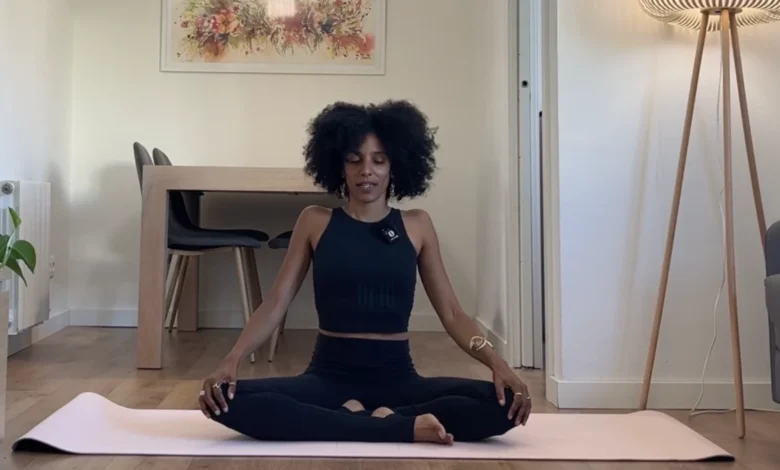
The Physiology of Sedentary Fatigue
Modern work environments, characterized by extended periods of desk-bound tasks, have led to a marked increase in reports of chronic lower back pain, neck stiffness, and reduced joint mobility. According to occupational health data, the average office employee spends approximately six to eight hours per day seated. Prolonged static loading of the spine—specifically the lumbar region—compresses intervertebral discs and reduces the circulation of synovial fluid within the joints.
Physical therapists suggest that "micro-breaks" are not merely elective; they are functional requirements for systemic maintenance. When a body remains in a singular posture for extended durations, the neuromuscular system experiences "adaptive shortening," where muscles become chronically tightened, limiting range of motion. The implementation of a five-minute movement intervention acts as a hemodynamic reset, facilitating blood flow to hypoxic tissues and signaling the nervous system to shift from a high-stress, sympathetic state to a restorative, parasympathetic state.
Chronology of a Restorative Movement Sequence
To optimize the physical reset, a structured progression of movements—moving from supine engagement to active spinal mobility and, finally, to grounding—is recommended.
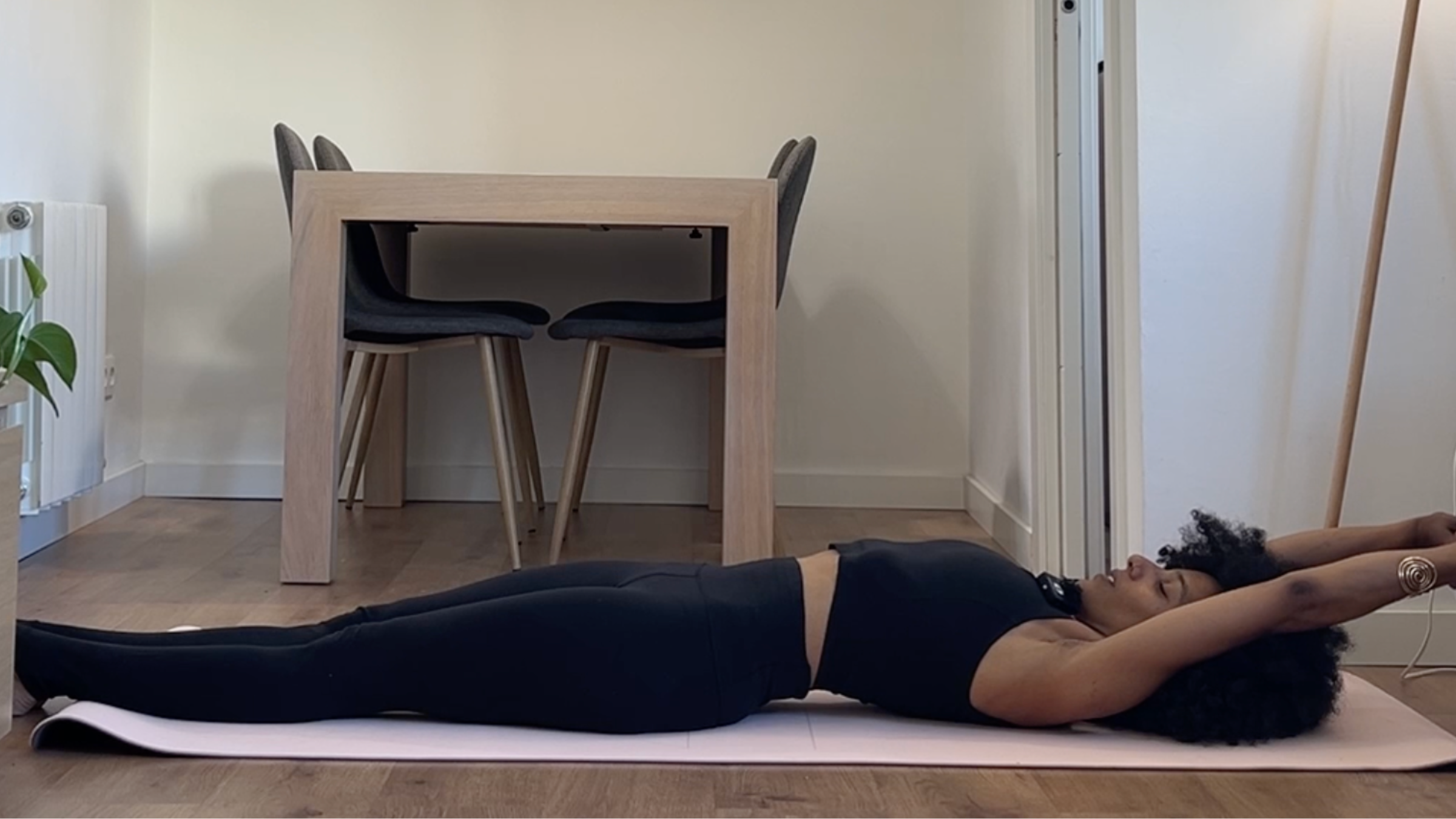
- Initial Decompression (Supine Integration): The process begins with the Full-Body Stretch. By lying in a supine position, the spine is relieved of gravitational load. Wiggling the extremities acts as a gentle neurological probe, waking the nervous system before an axial elongation stretch is performed.
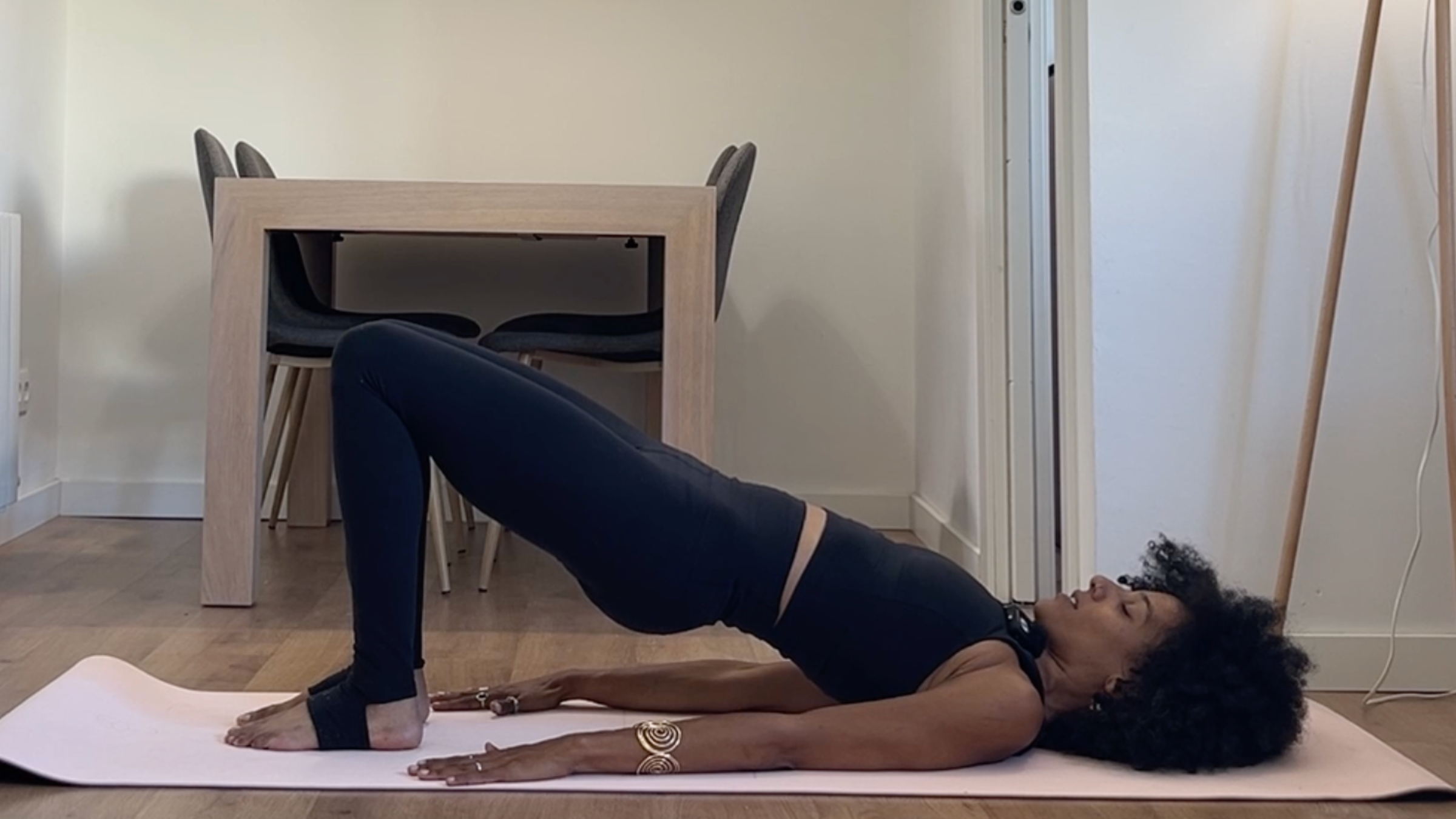
- Activation of the Posterior Chain: Following the initial stretch, the Bridge Pose targets the gluteal muscles and hamstrings. By elevating the hips, the practitioner engages the posterior chain, which is often inhibited during long periods of sitting.
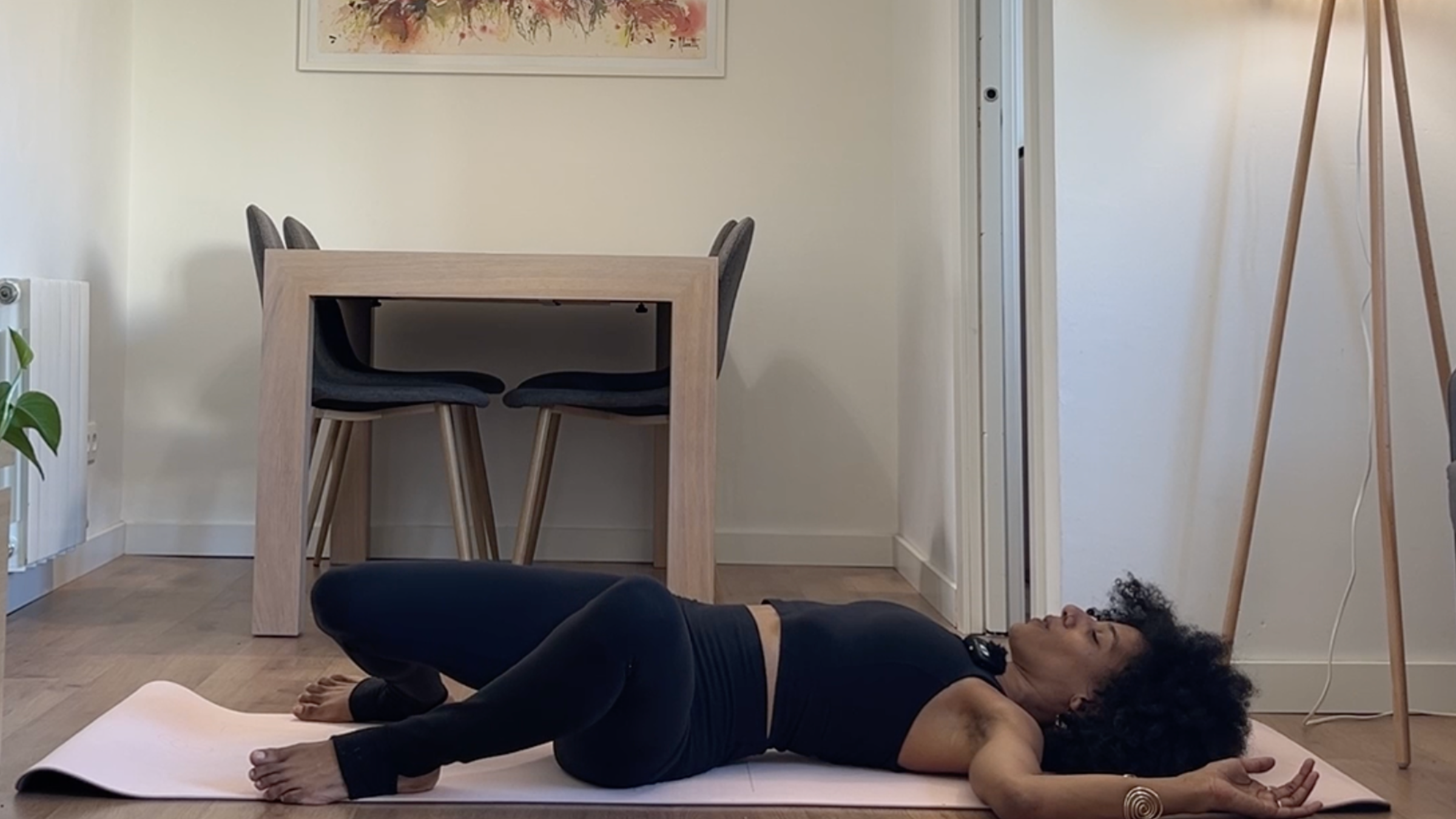
- Rotational Mobility: The Windshield Wiper sequence introduces transverse plane mobility, which is rarely utilized in a standard office environment. This movement helps release tension in the hip rotators and the lower back.
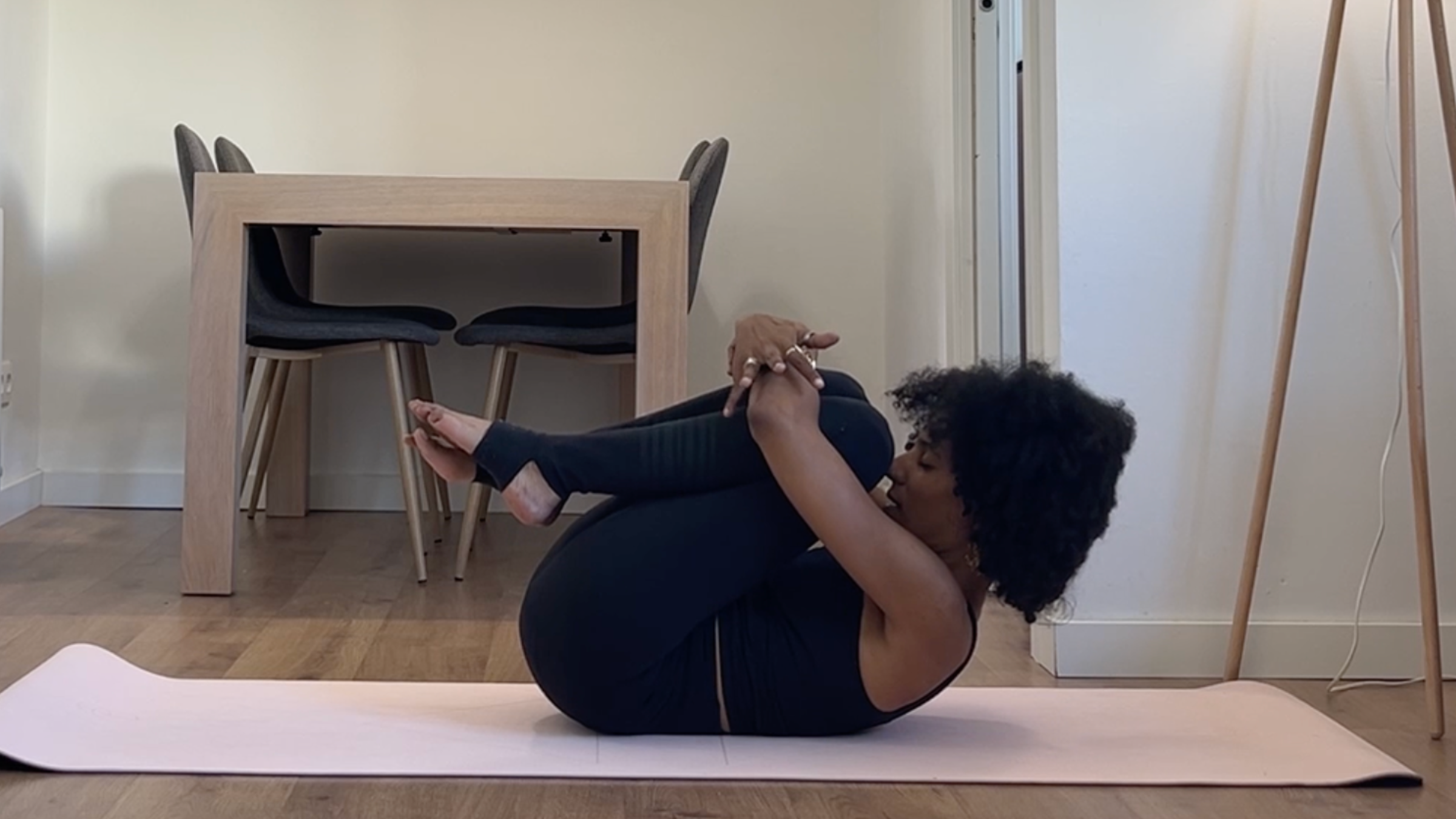
- Compression and Release: The Wind-Relieving Pose provides a mechanical release for the hip flexors, which are frequently overactive and shortened in sedentary populations.
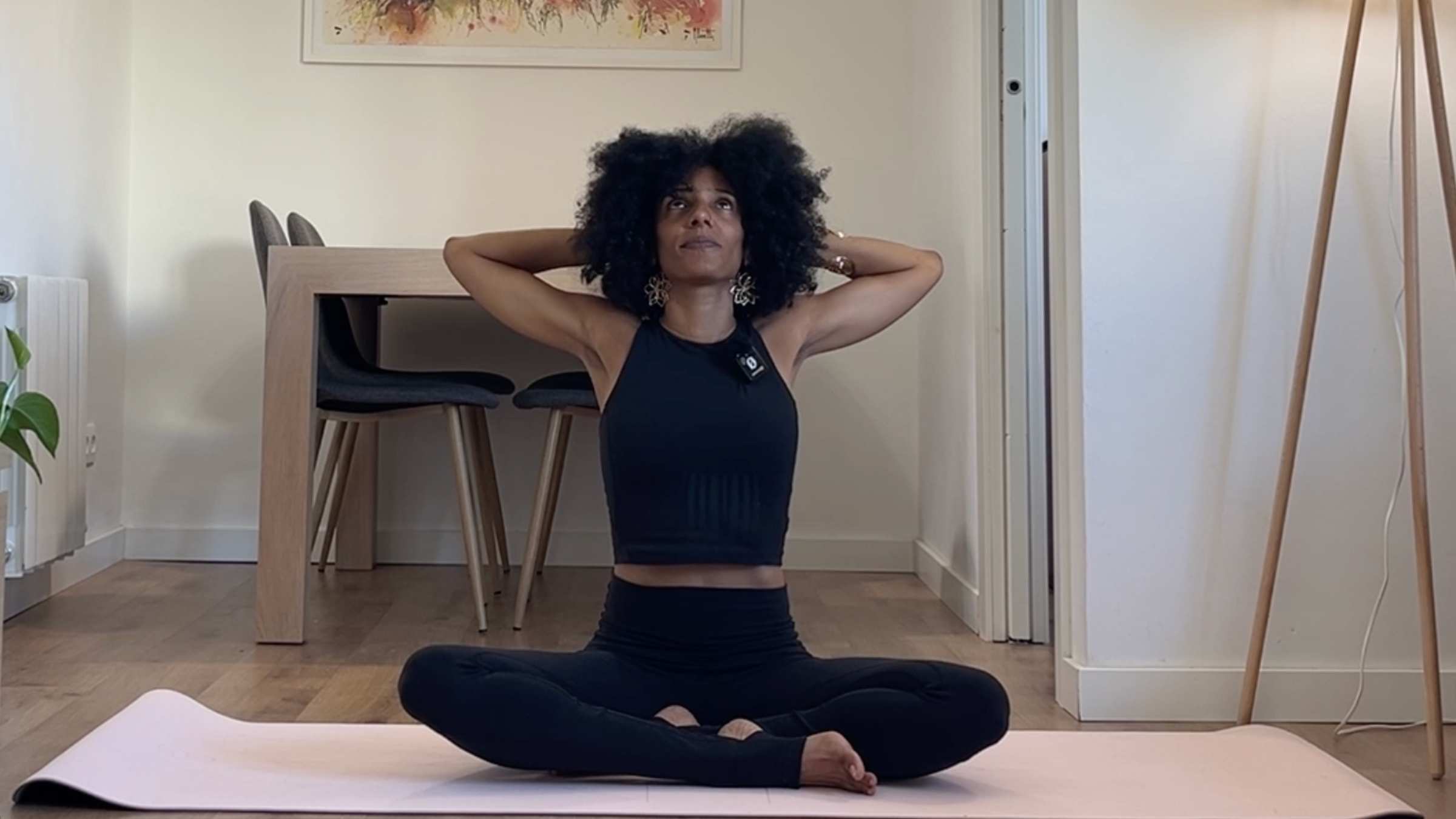
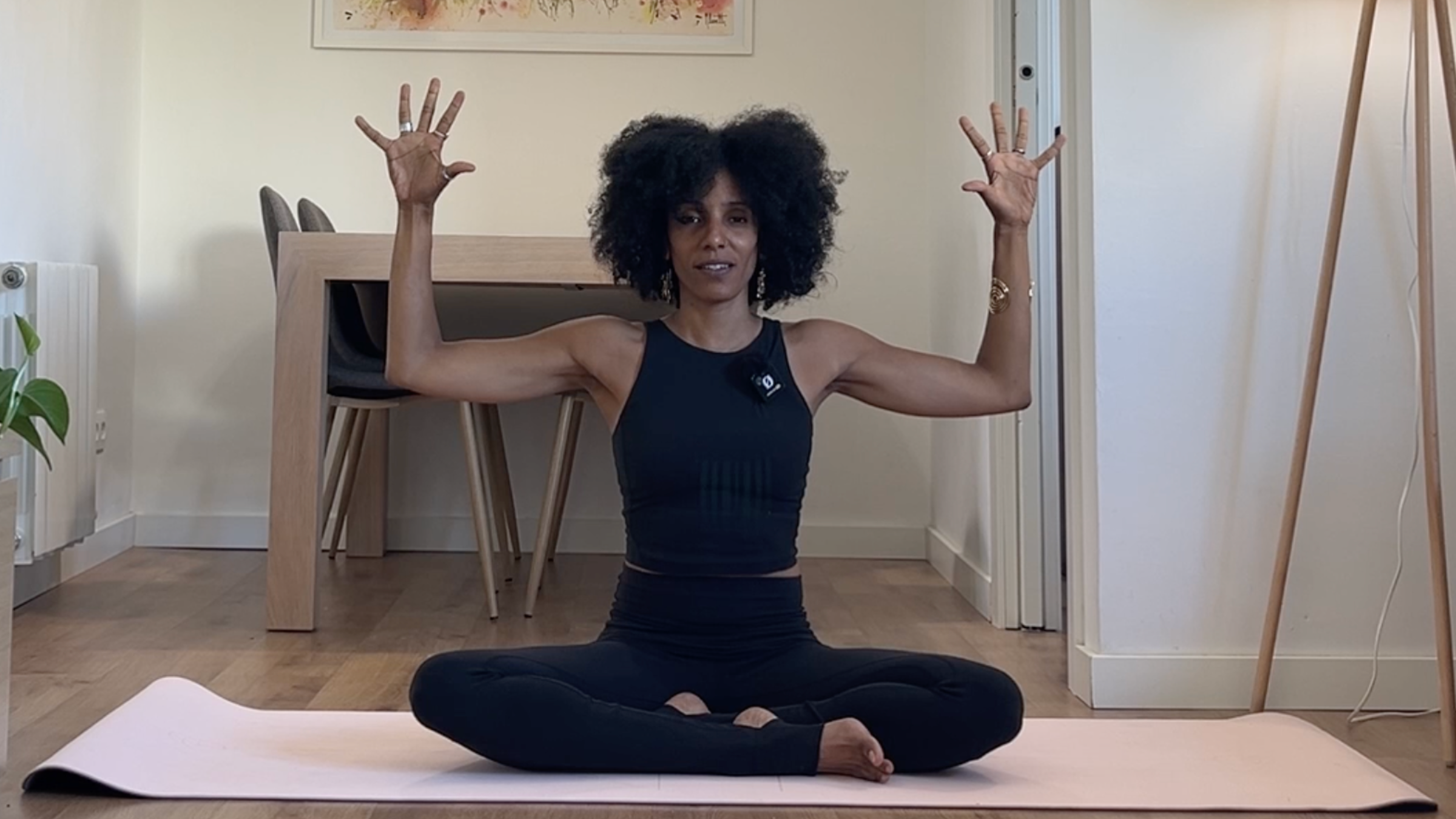
- Upper Body and Cervical Alignment: The transition to seated movements, such as Shoulder Rolls and Seated Cat-Cow, addresses the thoracic spine. Most desk workers experience "tech neck" or kyphotic slumping; these poses reverse the rounding of the upper back and facilitate better respiratory mechanics by opening the chest cavity.
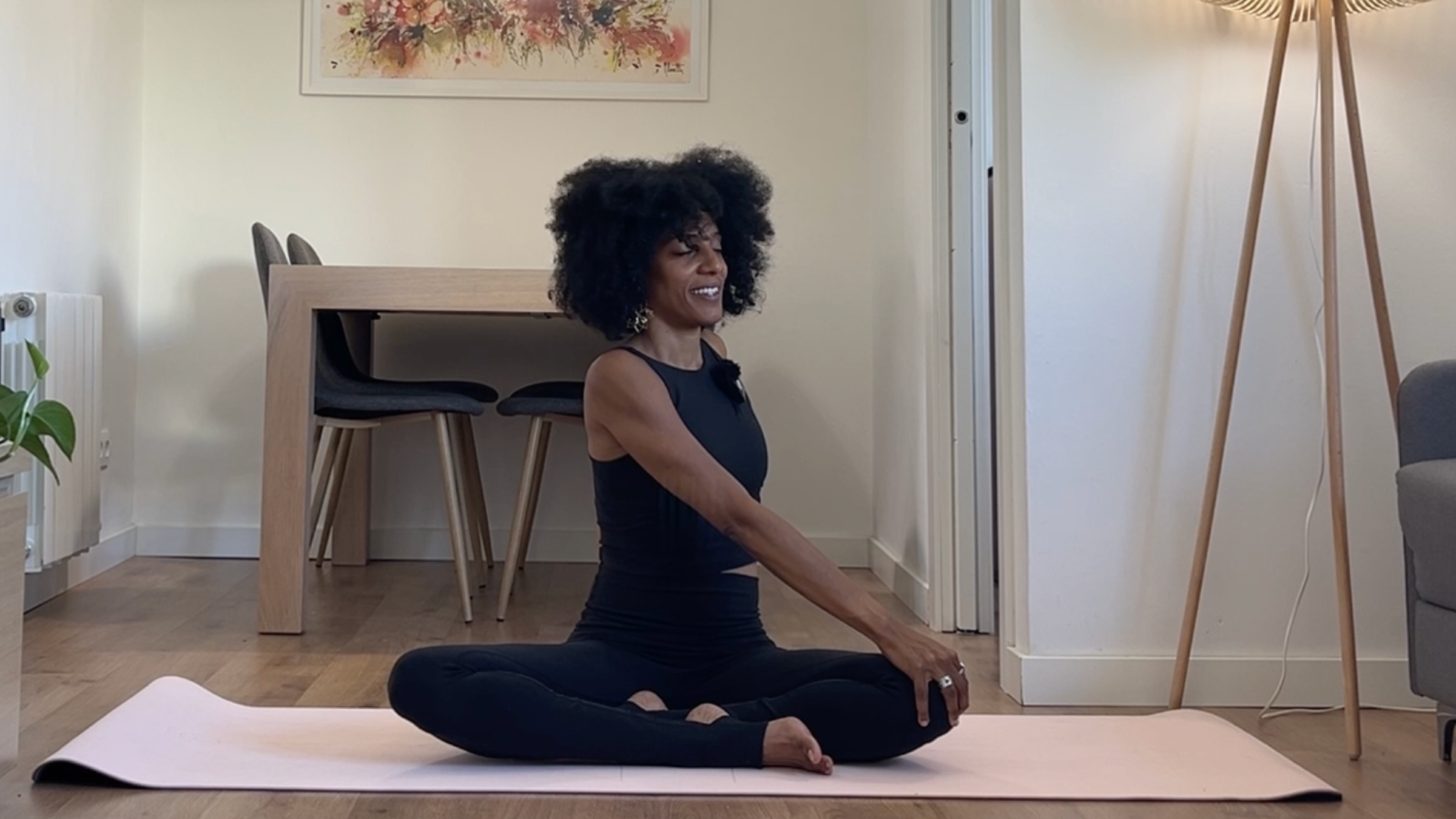
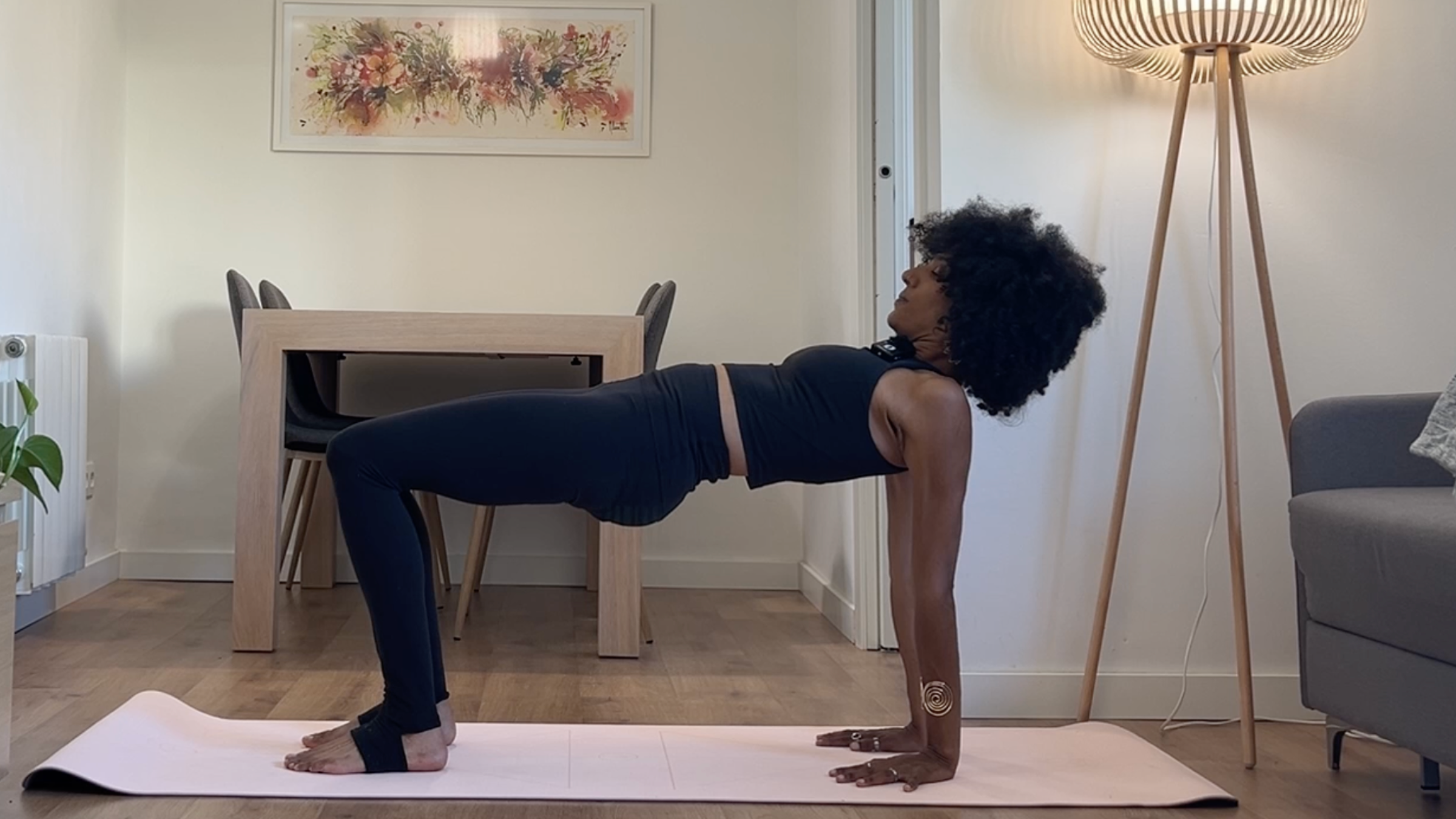
- Integration and Stabilization: Final movements like the Seated Spinal Twist and Reverse Tabletop provide the necessary torque and extension to ensure the spine has moved through all planes of motion: flexion, extension, rotation, and lateral bending.
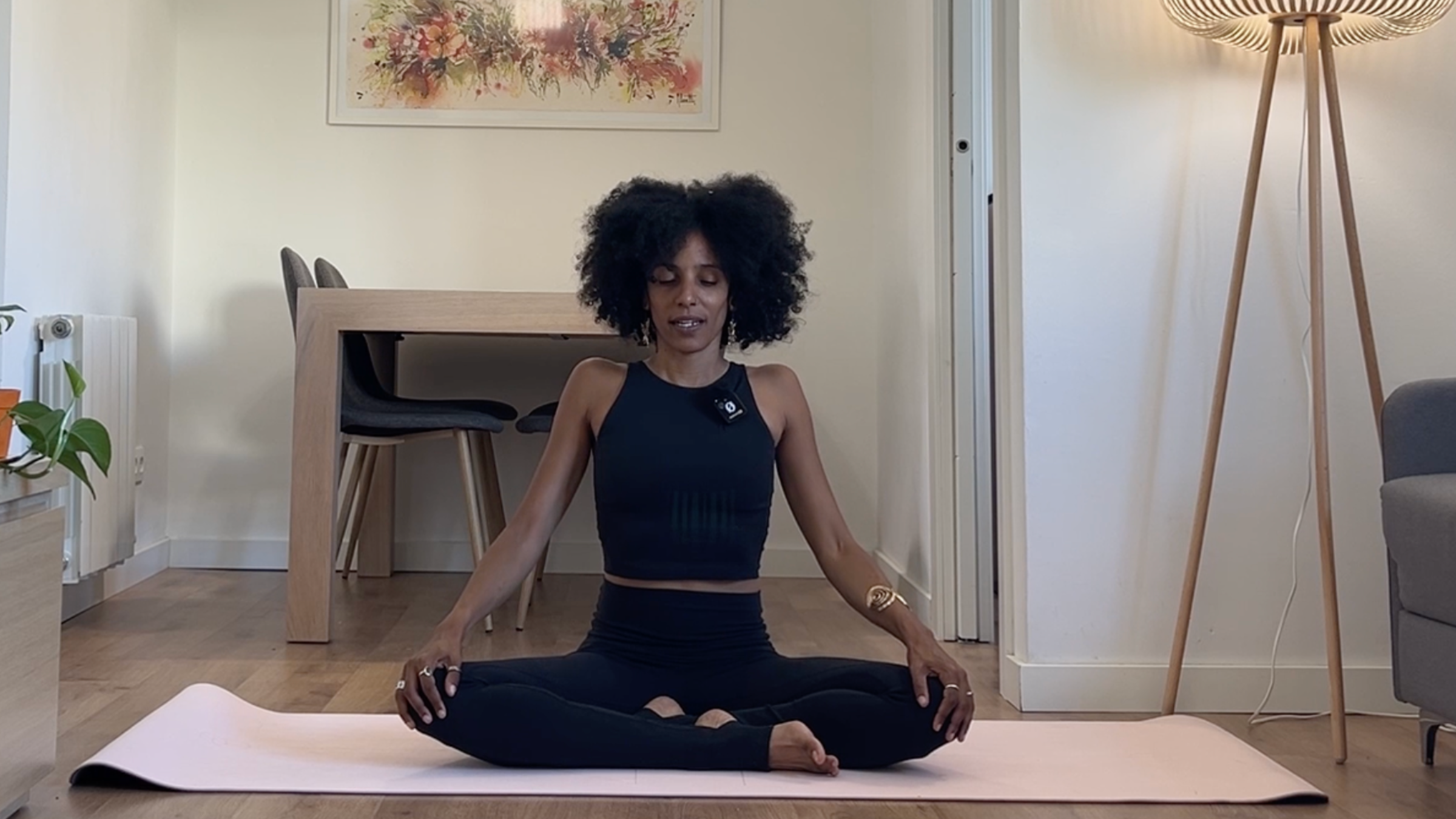
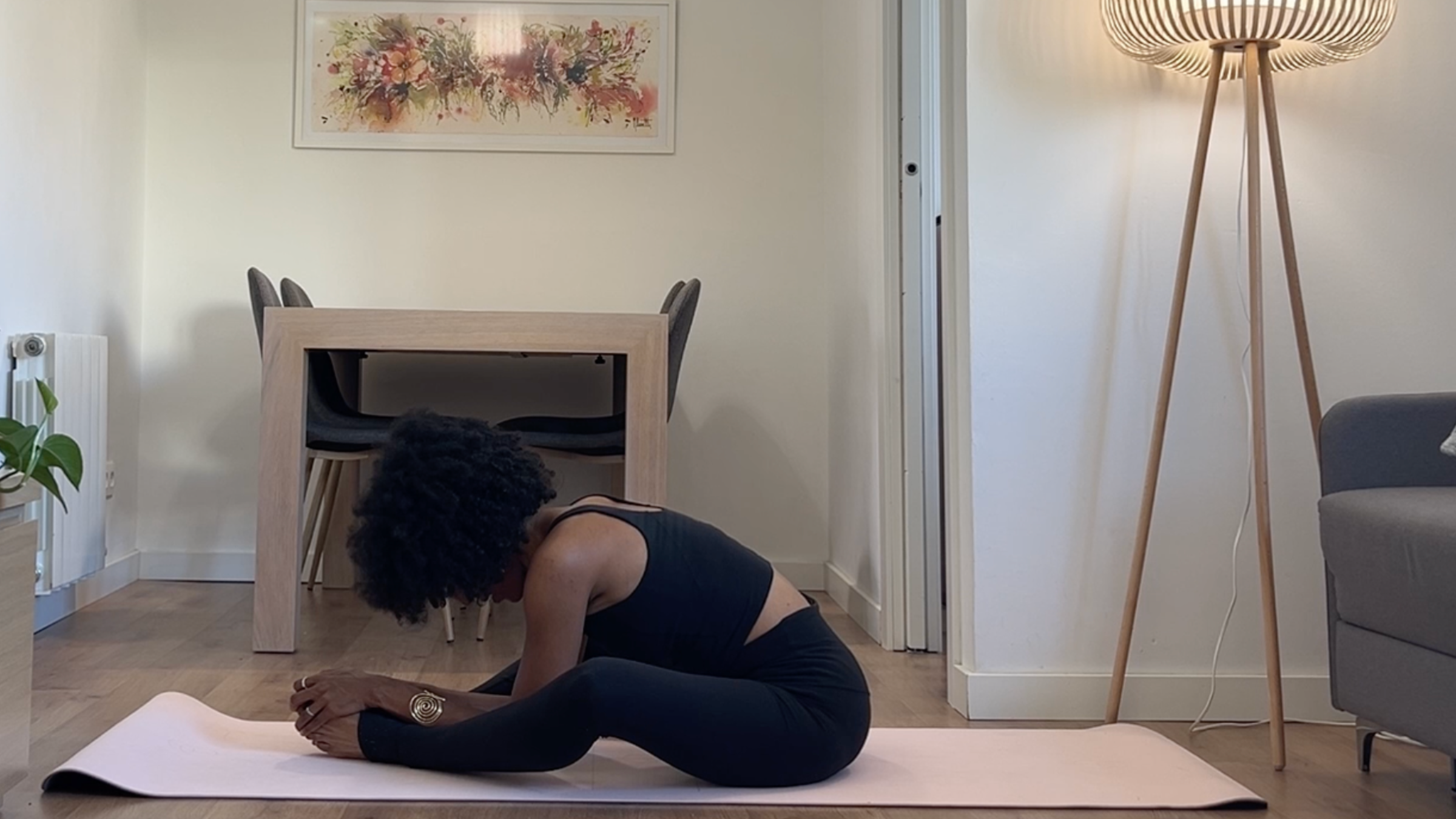
- Final Recovery: The sequence concludes with Savasana or Bound Angle Pose, allowing for a systemic drop in heart rate and cortisol levels.
Supporting Data and Workplace Implications
The efficacy of these short-duration interventions is supported by findings in ergonomics and workplace wellness studies. Research indicates that workers who engage in 30-second to five-minute movement breaks every hour report a 25% decrease in self-reported physical discomfort compared to those who remain sedentary for three-hour blocks.
Furthermore, cognitive performance studies conducted by corporate health research groups suggest that brief physical breaks correlate with improved "task-switching" capabilities. When an individual interrupts a period of deep focus with light physical movement, the brain undergoes a brief "incubation period," which has been linked to higher levels of creative problem-solving and reduced mental fatigue.
Industry Perspectives on Occupational Wellness
Health and safety experts are increasingly advocating for "Active Office" policies. "The objective is not necessarily to perform a rigorous workout, but to disrupt the stagnation of the musculoskeletal system," notes Dr. Elena Vance, a specialist in occupational ergonomics. "When you introduce movement, you are essentially lubricating the joints and preventing the calcification of bad habits. From a policy standpoint, companies that encourage these five-minute intervals see lower rates of absenteeism related to repetitive strain injuries."
Corporate wellness programs have begun to formalize these findings by incorporating "stretch breaks" into internal scheduling software. This shift signifies a departure from the traditional view that productivity is solely a product of unbroken seat time. Instead, the current industry consensus reflects that the human body—and by extension, the human mind—requires periodic oscillation between exertion and recovery to maintain peak operational efficiency.
Broader Impact on Public Health
The long-term implications of ignoring physical stiffness are not trivial. Chronic musculoskeletal conditions are among the leading drivers of healthcare expenditure in developed nations. By normalizing a culture of regular, short-burst movement, there is potential for a significant reduction in the prevalence of chronic back pain, which remains the leading cause of disability worldwide.
For the individual, the benefit is twofold: immediate symptomatic relief and long-term prophylactic protection. As the boundary between work and personal time becomes increasingly porous due to remote work technologies, the ability to perform a "full-body reset" within the confines of one’s home or office space becomes a critical life skill.
Implementation Guidelines
To maximize the benefits of this 5-minute routine, experts recommend the following:
- Consistency over Intensity: The goal is frequency. Performing the routine once per day is beneficial, but incorporating it three times per day yields cumulative gains in joint health.
- Mindful Execution: Movements should be synchronized with deep, diaphragmatic breathing. This ensures that the parasympathetic nervous system remains engaged, effectively lowering the heart rate and reducing systemic stress.
- Equipment Optimization: A high-quality, non-slip yoga mat is advised to ensure stability during poses such as the Reverse Tabletop or Bridge Pose, which require significant contact points.
In summary, the transition from a sedentary state to one of active mobility is a manageable, low-barrier intervention that yields significant dividends. By prioritizing these twelve movements, individuals can effectively counteract the deleterious effects of modern sedentary lifestyles, fostering a more sustainable approach to both professional productivity and physical longevity. As organizations continue to evolve their health initiatives, the integration of these micro-practices will likely become a standard component of professional life, bridging the gap between high-performance output and personal wellness.