Settling in before setting out: A Comprehensive Guide to Summer Adventure and Lodging in the Vail Valley

The Sheraton Mountain Vista Villas, nestled at the base of the Beaver Creek Resort in Avon, Colorado, serve as a premier year-round alpine destination that blends ski-chalet architecture with modern hospitality. Operated under the Marriott Vacation Club portfolio, the property functions dually as a timeshare network and a traditional resort, offering flexible accommodations designed to support high-altitude recreation in the Vail Valley. Recent travel itineraries highlighting the region underscore the evolving role of upscale, multi-room vacation rentals in facilitating active, multi-generational tourism in North America’s premier mountain destinations.
Main Facts and Property Architecture
The resort features 158 spacious guest villas equipped with full kitchens, gas fireplaces, and expansive dining areas. A defining structural characteristic of the property is its modular room configuration: individual suites can be paired with adjacent, near-mirror units to effectively double capacity, accommodating large families or multi-family travel groups.
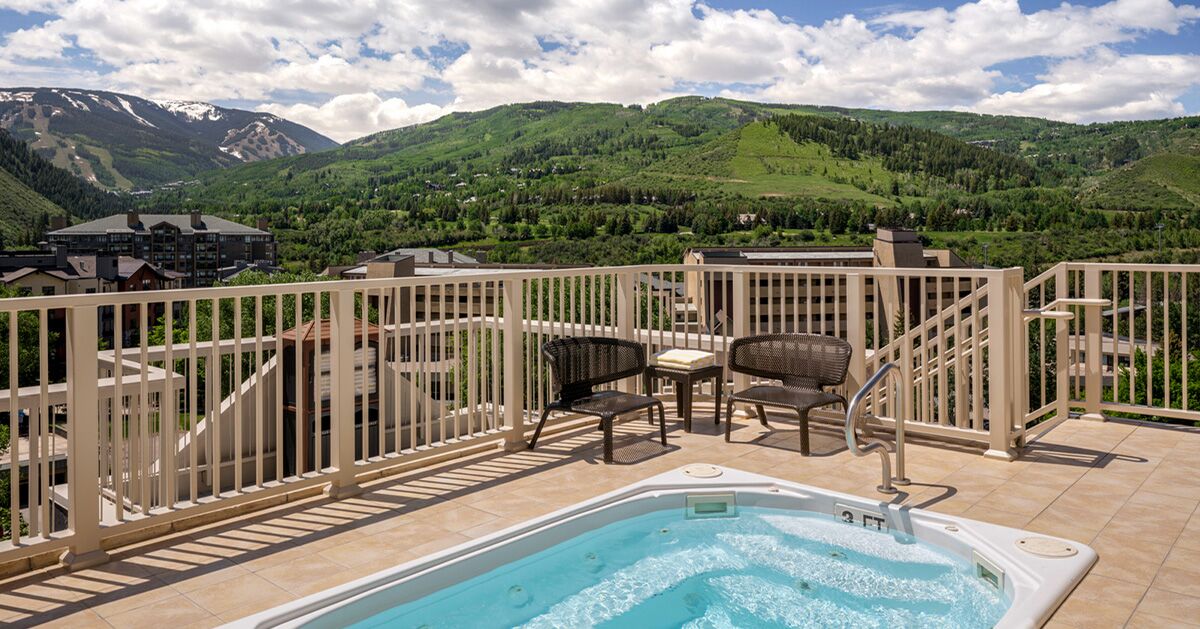
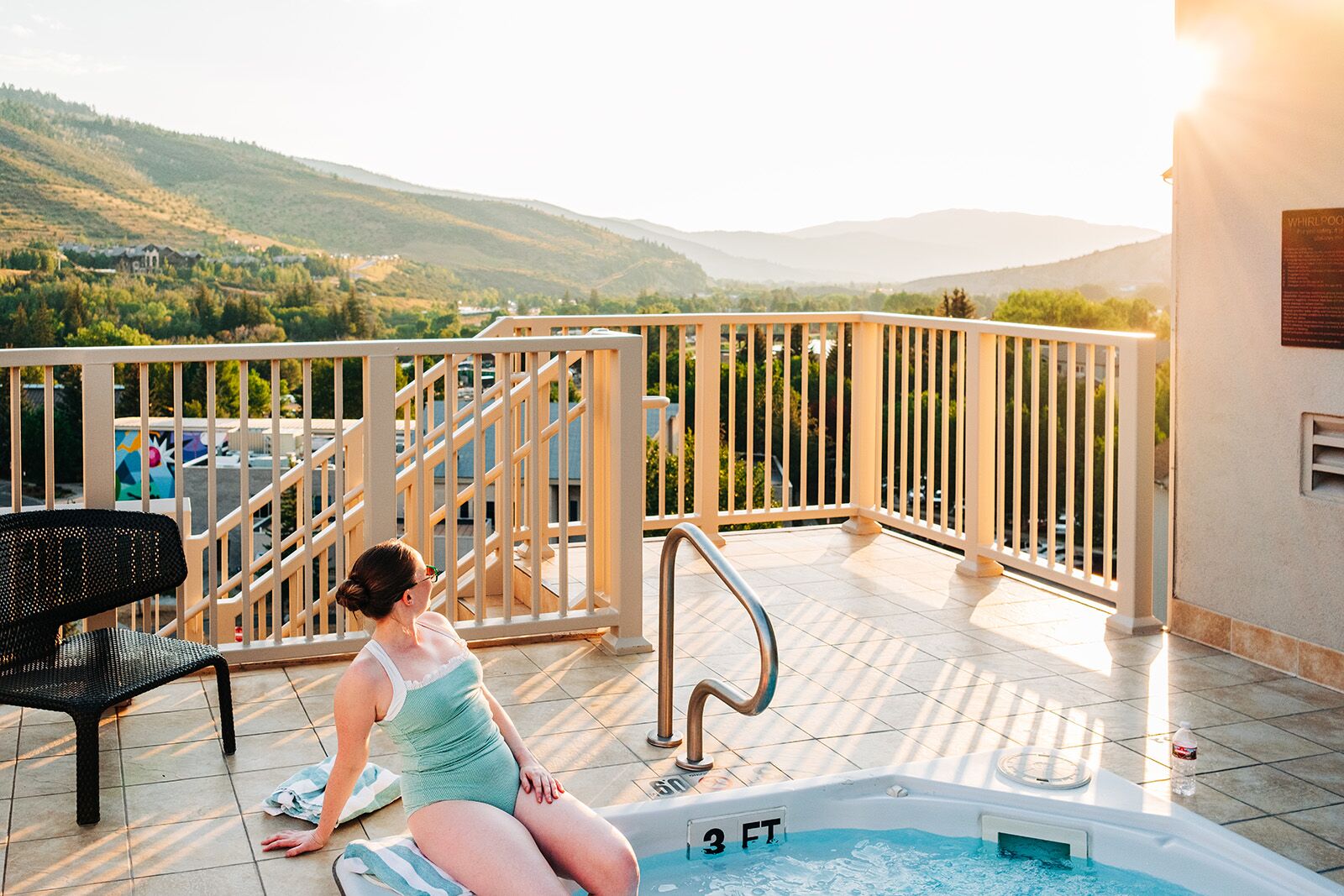
Beyond the private quarters, the property offers a comprehensive suite of amenities tailored to physical recovery and recreation. The fitness center includes a dedicated steam room, a rooftop hot tub overlooking the surrounding peaks, and weight-training facilities positioned to offer panoramic mountain views. Additional communal spaces feature an entertainment room outfitted with ping-pong tables, pool tables, classic arcade cabinets, and contemporary gaming consoles.
According to hospitality industry analyses, properties that combine home-like amenities—such as in-suite laundry and kitchens—with full-service resort features have seen a surge in demand. Travelers increasingly seek accommodations that mitigate the logistical friction of extended outdoor excursions, allowing visitors to seamlessly transition from rugged backcountry environments to comfortable domestic spaces.
Chronology of an Alpine Itinerary: Day-by-Day Exploration
The operational layout of the Vail Valley allows visitors to balance rigorous physical endurance activities with accessible leisure. A standardized four-day itinerary illustrates the geographic accessibility and diversity of outdoor recreation available from a central Avon basecamp.
Day One: Arrival and High-Altitude Acclimatization
Upon arrival, guests typically utilize the initial 24 hours to acclimate to the Vail Valley’s elevation, which sits approximately 7,430 feet above sea level in Avon, with surrounding peaks exceeding 10,000 feet. Travelers often utilize resort recovery amenities, such as the rooftop hot tub or en suite soaking tubs, to mitigate the onset of altitude-related fatigue. Evening activities commonly involve local dining or casual recreation within the property’s entertainment facilities.
Day Two: Piney Lake and the Upper Piney River Trail
The second day generally transitions guests into backcountry exploration. Located approximately one hour north of Vail via a rugged dirt road, Piney Lake sits at the foot of the Gore Range at an elevation of roughly 9,350 feet. The location provides flat-water recreation, including canoeing and kayaking managed through local ranch partnerships.
From the lake, the Upper Piney River Trail offers a roughly six-mile round-trip hike. The route features steep switchbacks traversing dense stands of aspen trees, culminating at the Upper Piney River Falls. The trail demands moderate to high physical exertion, ascending alongside granite gorges and providing habitat observation points for regional fauna, including elk, mule deer, and occasionally black bears. Full-kitchen access at properties like Sheraton Mountain Vista Villas allows returning hikers to prepare post-exertion meals independently, circumventing traditional restaurant reservation constraints associated with unpredictable outdoor timelines.
Day Three: Pitkin Creek and Regional Gastronomy
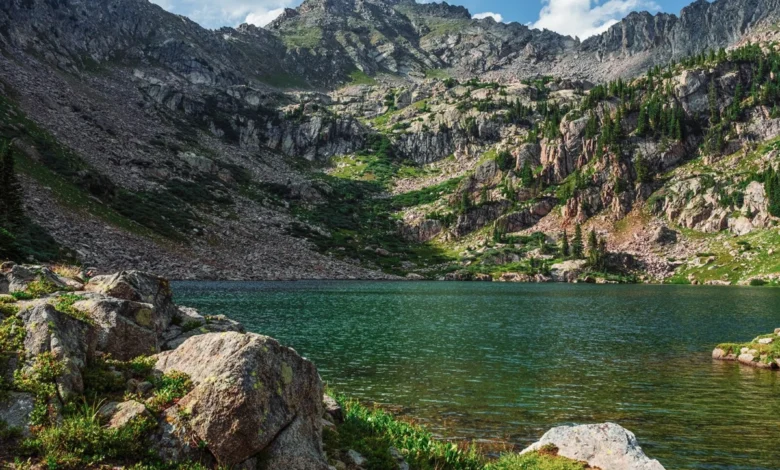
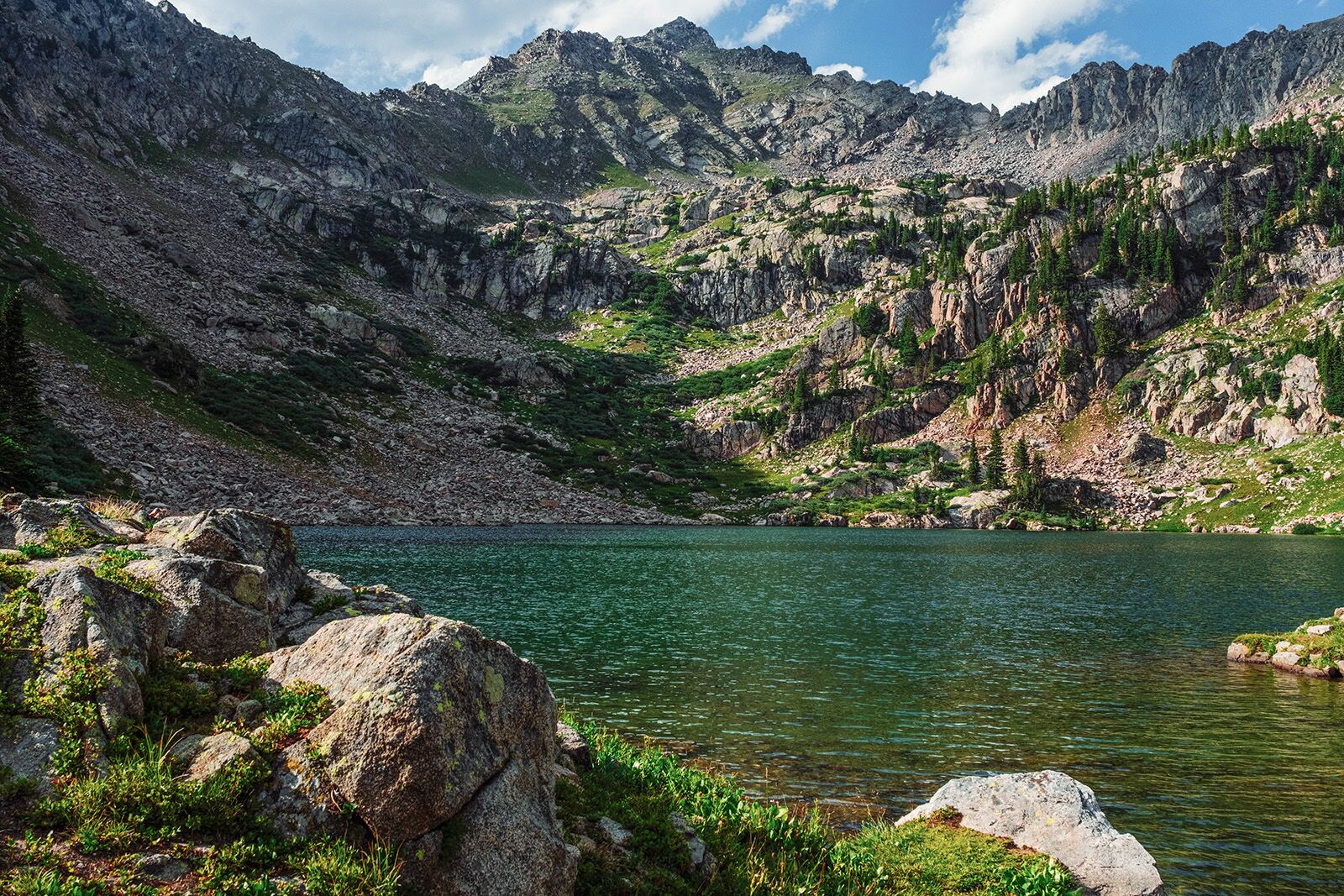
Continuing the focus on vertical ascent, the third day often features the Pitkin Creek Trail, situated just east of Vail. The trail presents a demanding profile, climbing approximately 3,000 vertical feet over five miles. The route terminates at Pitkin Lake, a classic alpine hanging basin carved by historic glacial activity, surrounded by sheer granite spires.
Following the descent, visitors frequently engage with the local culinary scene in Avon and Vail. Establishments such as Ticino Italian Restaurant and casual local venues like Taqueria No Se Hagan Bolas reflect the diverse socioeconomic demographic of the valley, where outdoor athletes in technical apparel dine alongside luxury travelers in upscale settings.
Day Four: Whitewater Dynamics in Glenwood Canyon
Shifting from terrestrial elevation to aquatic velocity, visitors frequently travel west to Glenwood Canyon on the Colorado River. Outfitted by commercial operators such as Sage Outdoor Adventure, rafting excursions launch from the "Entrance Exam" section of the Shoshone Rapids. This stretch contains continuous Class III rapids—characterized by technical maneuvering around geological formations such as The Wall and Tombstone Rock—before leveling into milder channels suitable for wildlife observation and swimming.
Day Five: Singletrack Cycling and Departure
Final morning itineraries often utilize local trail systems such as the West Avon Preserve. Partnering with on-site rental providers like Charter Sports, visitors can access advanced mountain biking terrain, including the expert-rated Lee’s Way Down trail. The integration of secure, bike-friendly accommodations allows guests to store high-value equipment securely within their suites before completing a final departure sequence.
Supporting Data and Regional Tourism Economics
The Vail Valley economy relies heavily on a balanced influx of both winter ski tourists and summer outdoor recreationists. According to data from the Colorado Tourism Office, summer and autumn tourism in mountain resort counties has experienced consistent year-over-year growth, driven by an expansion in adventure tourism, mountain biking infrastructure, and trail-running events.
The average daily rate (ADR) for accommodations in Eagle County reflects strong demand for properties that offer multi-room configurations. Industry metrics indicate that vacation ownership properties and timeshare networks—such as the Marriott Vacation Club—maintain high occupancy rates during the shoulder seasons due to loyal membership bases and flexible exchange programs that allow owners to utilize points across global portfolios.

Furthermore, regional transportation data indicates that while Denver International Airport (DEN)—located approximately 100 miles east via Interstate 70—remains the primary port of entry for the vast majority of visitors, regional transit initiatives continue to evolve. During peak winter months, municipal transit networks provide comprehensive, fare-free shuttle services connecting Avon, Beaver Creek, and Vail. However, independent analysis confirms that warm-weather travelers require personal or rental motor vehicles to access remote trailheads, alpine lakes, and canyon launch sites that lie outside the fixed municipal transit grid.
Official Responses and Industry Perspectives
Hospitality executives and tourism officials emphasize that properties situated at the base of major resorts must adapt to changing consumer expectations regarding wellness, flexibility, and environmental integration.
"The modern mountain traveler is not merely seeking a place to sleep; they are looking for an operational headquarters that supports an active, multi-faceted itinerary," noted a regional hospitality operations manager familiar with the Vail Valley market. "Properties that successfully integrate gear storage, recovery-focused amenities like steam rooms and hot tubs, and residential conveniences are best positioned to capture the growing demographic of experiential travelers."
Environmental managers overseeing regional trail systems, such as the U.S. Forest Service units operating within the White River National Forest, continuously monitor trail usage to balance public access with ecological preservation. Increased visitation to sensitive alpine environments like Pitkin Lake and Upper Piney River has prompted local authorities to emphasize Leave No Trace principles, secure parking management, and volunteer trail maintenance programs to protect fragile subalpine ecosystems.
Broader Impact and Market Implications
The intersection of timeshare utility and high-end adventure tourism reflects broader shifts in the North American hospitality sector. As properties like the Sheraton Mountain Vista Villas demonstrate, traditional ski-season assets are increasingly optimized for year-round operation through targeted marketing toward hikers, mountain bikers, and wellness tourists.
This operational pivot has significant economic implications for mountain towns historically vulnerable to seasonal lulls. By diversifying recreational offerings—ranging from technical singletrack maintenance to permitted river rafting outfitters—communities in the Vail Valley sustain year-round employment, stabilize local supply chains, and foster resilient municipal economies. For the individual traveler, the availability of comprehensive, flexible basecamps ensures that high-altitude exploration remains accessible, comfortable, and seamlessly integrated with modern domestic conveniences.