The technology landscape of 2026 has been defined by a paradigm shift in how consumers monitor physiological data, and the official release of the Apple Watch Ultra 4 on September 22, 2026, marks a pivotal moment in this trajectory. While Apple has historically occupied a position as a "fast follower" in the wearable sector—often trailing competitors like Samsung in foldable form factors or Garmin in specialized fitness metrics—the Ultra 4 signifies a strategic pivot toward high-fidelity, user-accessible health analytics. By integrating a sophisticated training readiness score and enhanced sensor hardware, Apple is attempting to bridge the gap between recreational fitness tracking and professional-grade performance monitoring.
A Chronology of Apple’s Wearable Strategy
The evolution of the Apple Watch series has followed a deliberate, albeit measured, path. When the original Apple Watch debuted, its primary value proposition was notification management and general activity tracking. It was not until the subsequent generations that health sensors began to take precedence.
- 2022: The introduction of the first Apple Watch Ultra created a new tier for endurance athletes, focusing on durability and battery longevity.
- 2024: Integration of advanced sleep tracking and refined heart rate variability (HRV) metrics began to set the stage for more complex recovery analysis.
- 2026: With the Series 12 and the Ultra 4, Apple has transitioned from merely collecting data to providing actionable, longitudinal insights. This release cycle demonstrates a shift from hardware-first marketing to a data-intelligence-first ecosystem.
Engineering the Accuracy Standard
The core innovation in the Ultra 4 is the refined sensor array. Apple claims this iteration features the most accurate heart rate monitoring in the wearable market, a assertion backed by a comprehensive 2026 internal study. The study, which utilized a cohort of participants stratified by age, sex, body mass index, and skin tone, compared the Ultra 4 against the current 90 percent of the competitive wrist- and arm-based wearable market.
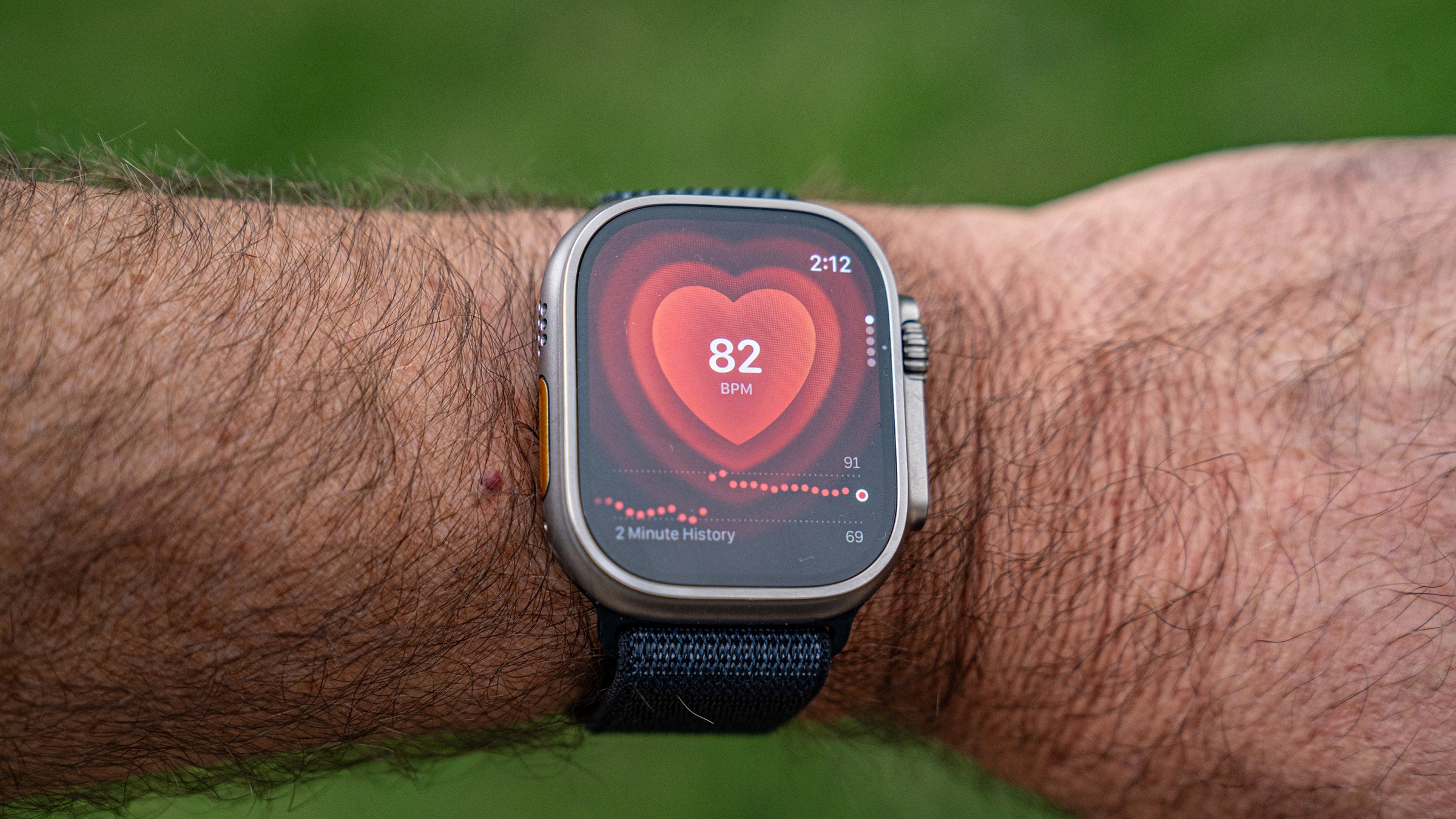
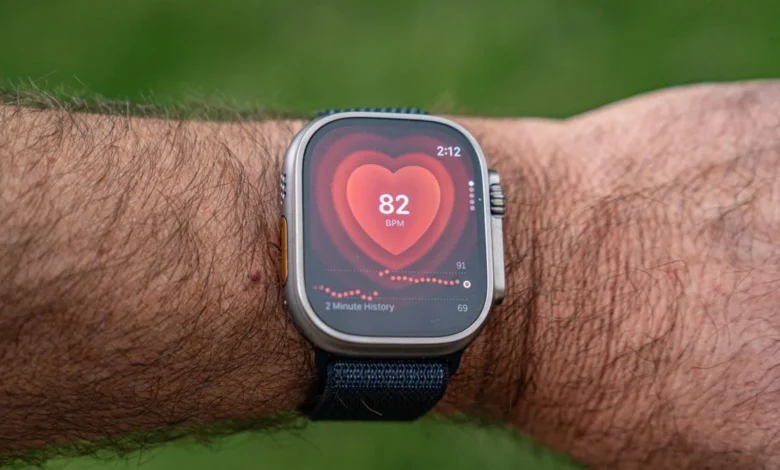
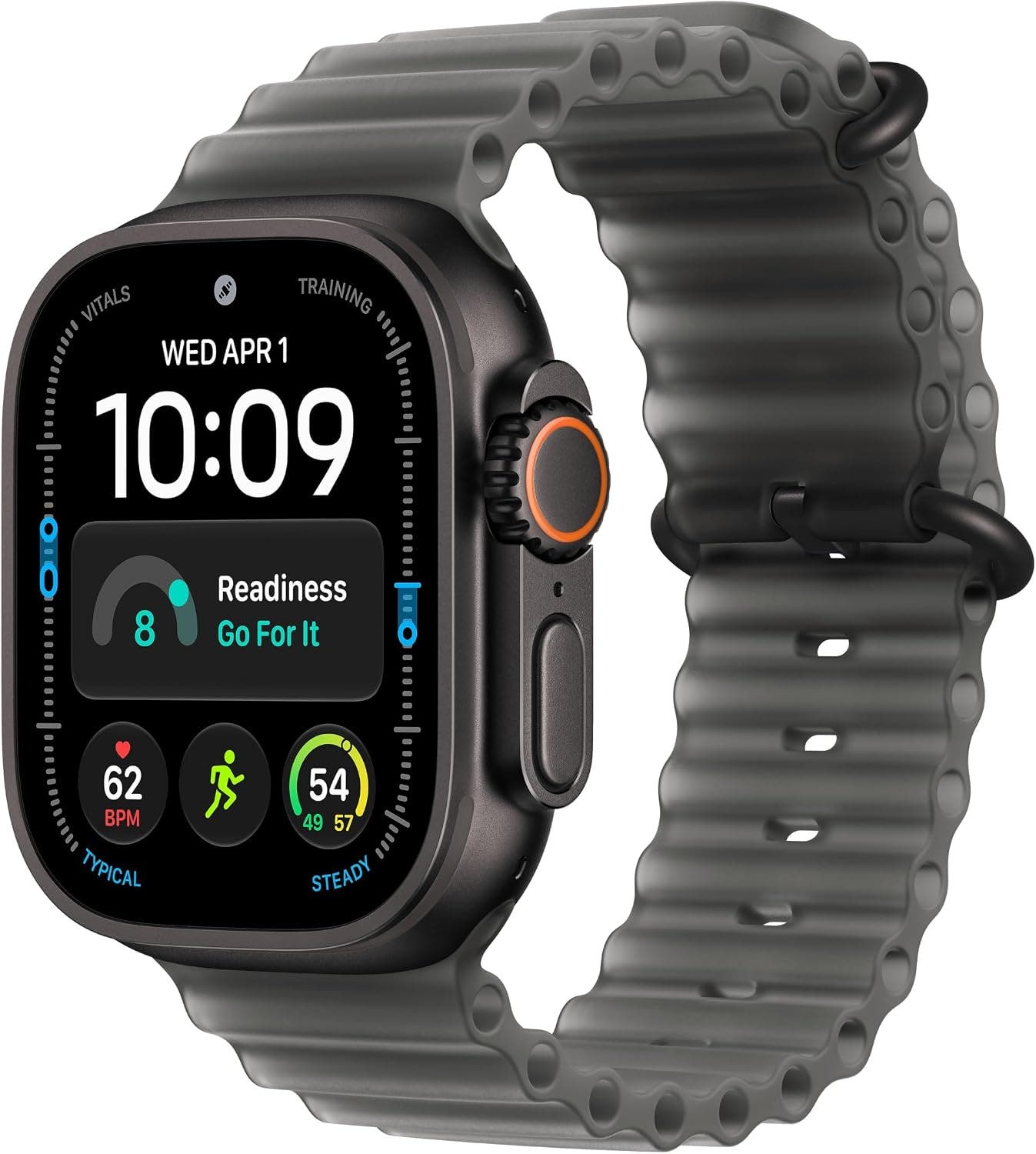
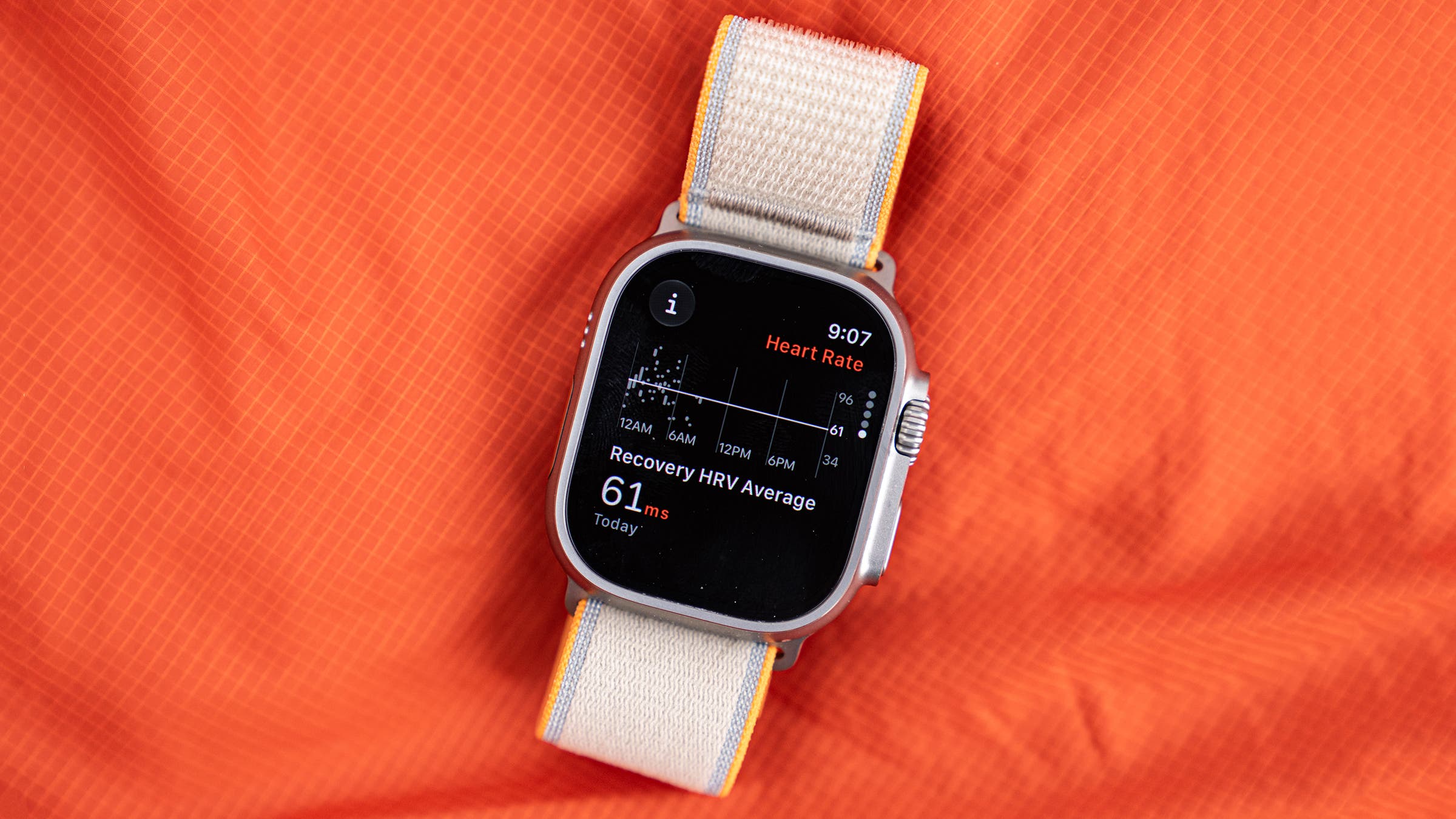
Technically, the device has increased the frequency of its heart rate readings to every five seconds under standard conditions, with HRV snapshots captured as often as every five minutes during rest. This increased granularity is essential for the calculation of the new "Readiness Score." By analyzing the beat-to-beat changes in heart rate, the device provides a numerical metric on a scale of 1 to 10. This score is subsequently mapped to intuitive guidance: 0-1 (Recover), 2-4 (Pace Yourself), 5-7 (Ready), and 8-10 (Go For It).
Comparative Analysis: Apple vs. Industry Standards
The wearable industry has long been bifurcated between "smart" watches, which prioritize daily connectivity, and "sport" watches, which prioritize data density and battery endurance.
Garmin remains the benchmark for extreme endurance tracking, with devices that sample heart rate multiple times per second and offer deep-dive analytics for professional athletes. For instance, the Garmin Enduro 3 maintains a commanding lead in battery life, offering up to 120 hours of GPS usage. In contrast, the Apple Watch Ultra 4 provides 18 hours of full-power workout tracking, which can be extended to 45 hours in "Max Extended" mode by sacrificing certain sensor polling rates.
The industry consensus suggests that Apple is not attempting to unseat Garmin in the ultra-marathon market. Instead, it is targeting the "performance-conscious" consumer—the individual who engages in daily high-intensity training but requires a device that also integrates seamlessly with a professional and digital life. The inclusion of fast charging—which provides 18 hours of additional runtime from a 15-minute charge—is a tactical response to the battery life gap, allowing for a "top-up" charging cycle that minimizes data loss.
The Role of Apple Intelligence and Software Integration
The hardware capabilities of the Ultra 4 are only half of the narrative. The true competitive moat Apple is building resides in its software ecosystem. Later in 2026, the company is set to launch a redesigned Health app interface for the iPhone. This update will feature an "Insights" tab, leveraging Apple Intelligence to synthesize data from heart rate, sleep, readiness, and metabolic markers.
The introduction of a "Health Age" metric and a "Longevity" dashboard signals a transition from "reactive" health monitoring (what happened during my workout?) to "proactive" health management (what do these trends say about my long-term physiological state?). By moving these complex computations to the iPhone’s processing unit, Apple avoids the battery drain that would occur if the watch were forced to run such analysis locally, thereby maintaining its daily battery life of 50 hours under normal use.
Market Implications and Official Positioning
The industry reaction to the Ultra 4 has been one of calculated observation. Competitors like Coros and Suunto continue to provide immense value for specialized athletes, particularly at price points significantly lower than the Apple Watch Ultra 4. However, Apple’s dominance in the consumer market remains rooted in the simplicity of its user interface.
Where a competitor might provide raw data—such as a 1-100 HRV score—Apple simplifies the output. By using qualitative language ("Ready" vs. "Recover"), Apple reduces the cognitive load on the user. This strategy is designed to appeal to a broader demographic than the niche endurance athlete, potentially expanding the market for performance-tracking technology to the general population.
Future-Proofing the Wearable Sector
The launch of the Ultra 4 is an indication that the "smartwatch" era is maturing into a "health-intelligence" era. The hardware is becoming a commodity, and the value is shifting toward the interpretation of data.
For the average user, the distinction between a 1-100 score and a 1-10 score is secondary to the quality of the advice provided by the software. As the integration between Apple Watch hardware and AI-driven health insights deepens, the barrier to entry for health optimization is being lowered. While specialized endurance athletes will likely continue to utilize purpose-built hardware from Garmin or Coros for extreme applications, the Apple Watch Ultra 4 sets a new standard for the "prosumer" athlete who demands both deep analytical capability and a frictionless daily experience.
Ultimately, the Apple Watch Ultra 4 does not reinvent the heart rate sensor, nor does it achieve parity with specialized ultra-distance battery life. Instead, it succeeds by optimizing the most critical components of the user journey: data accuracy, intuitive presentation, and rapid rechargeability. By successfully managing the trade-off between power consumption and data granularity, Apple has solidified its position as a primary player in the health-tech space, signaling that the future of fitness is as much about the intelligence behind the data as it is about the sensors capturing it.
Related posts: