For millions of travelers across the United States, the arrival of autumn marks a fleeting window of environmental transformation. As chlorophyll breaks down and deciduous trees reveal their underlying pigments of amber, crimson, gold, and purple, a seasonal migration begins. Travelers and nature enthusiasts scramble to secure accommodations in regions renowned for their vibrant canopies before the first heavy frost strips the branches bare. While traditional foliage tourism has long centered on the storied corridors of New England, the modern travel market—facilitated by short-term rental platforms—has democratized access to remote wilderness areas, extending peak-season leaf-peeping far beyond the Northeast.
According to data compiled by hospitality platforms and travel researchers, demand for rural and semi-remote accommodations spikes by upward of 40 percent between mid-September and late October. This surge reflects a broader post-pandemic consumer shift favoring nature-based tourism, off-grid tranquility, and immersive seasonal experiences. In response, travelers are increasingly looking past traditional hotels in favor of private cabins, architectural treehouses, and backcountry ranches that offer unobstructed, panoramic views of the changing landscape.
The Evolution of Autumn Foliage Tourism
Autumn tourism is not a modern phenomenon. For more than a century, Northeastern states have capitalized on the aesthetic appeal of changing leaves. Historically, leaf-peeping was heavily concentrated in states like Vermont, New Hampshire, and Maine, where dense populations of sugar maples create world-famous displays of red and orange.
However, the geographic scope of foliage tourism has expanded significantly over the past two decades. Improved transportation infrastructure, the proliferation of remote work, and the expansion of platforms like Airbnb have allowed travelers to explore lesser-known autumnal destinations. Today, vibrant fall landscapes are actively sought out in the Pacific Northwest, the Blue Ridge Mountains of North Carolina and Virginia, the upper Midwest, and the high-altitude aspen groves of the Rocky Mountains.
Travel industry analysts note that the financial impact of the autumn tourism season is vital for small businesses in rural communities. Restaurants, local orchards, guided tour operators, and boutique lodges often rely on the revenue generated during these six to eight weeks to sustain operations through the slower winter months. Consequently, regional tourism boards invest heavily in real-time foliage trackers and interactive maps to help visitors time their trips precisely with peak color transitions.
Regional Breakdowns: Where the Colors Shine Brightest
While New England remains the undisputed capital of classic Americana autumns, each region of the United States offers a distinct ecological and visual experience during the fall months.
The Northeast: Classic Maples and Historic Cabins
The northeastern United States offers the most traditional foliage experience. Driven primarily by sugar maples, American beeches, and birches, the landscape transforms into a rich mosaic of deep reds and brilliant yellows. Accommodations in this region often lean toward rustic-chic cabins, historic farmhouses, and timber-frame homes equipped with modern amenities like wood-burning stoves, fire pits, and expansive wrap-around porches. Travelers visiting this region frequently combine their stays with apple picking, visits to local cider mills, and scenic drives along historic byways.
The Rocky Mountains: The Golden Aspen Phenomenon
Moving westward, the nature of autumn shifts dramatically. In states like Colorado, Utah, and Wyoming, the foliage is defined almost entirely by the quaking aspen (Populus tremuloides). Unlike the mixed hardwood forests of the East, aspen groves turn a uniform, brilliant shade of gold. When driven by autumn winds, the leaves shimmer against dark green evergreen forests and rugged granite peaks. Short-term rentals in these areas—ranging from modern alpine chalets to off-grid backcountry ranches—often feature floor-to-ceiling glass architecture designed to frame the dramatic contrast between the golden aspens and the snow-dusted peaks.
The Southeast: The Extended Appalachian Season
For travelers who miss the early peak in the North, the Appalachian mountain chain offers an extended foliage window that stretches well into November. Stretching from Virginia down through North Carolina, Tennessee, and northern Georgia, the region boasts an immense diversity of tree species, including oaks, hickories, sourwood, and sweetgums. This biodiversity translates into a broader spectrum of color, featuring deep purples, russet browns, and fiery oranges. Cabins nestled in the Blue Ridge Mountains or Great Smoky Mountains provide a secluded basecamp for hikers tackling portions of the Appalachian Trail or driving the Blue Ridge Parkway.
Amenities and Architecture: Designing for the Season
The modern market for autumn rentals has pushed property owners to upgrade their offerings to match the expectations of experiential travelers. Standard rustic cabins are increasingly being retrofitted with high-end luxuries that enhance the cool-weather experience.
Industry metrics indicate that properties featuring specific amenities experience significantly higher occupancy rates during the autumn shoulder season. Among the most sought-after features are:
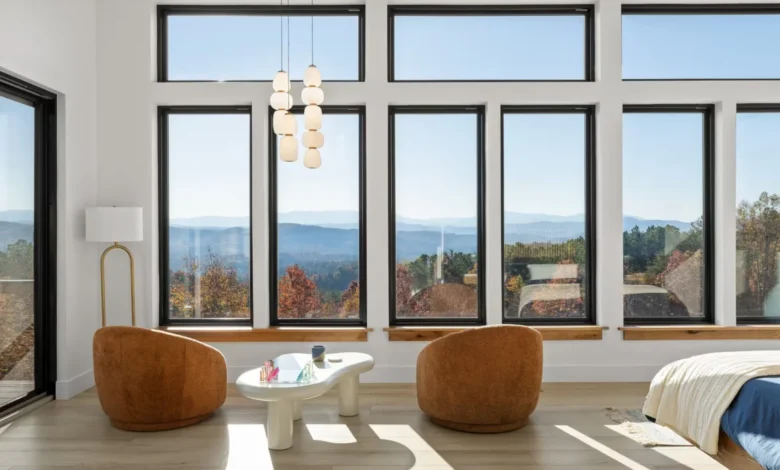
- Floor-to-Ceiling Windows: Architectural designs that maximize natural light and offer unobstructed views of the surrounding forest canopy without requiring guests to step outside into the chilly air.
- Outdoor Wellness Amenities: Wood-fired barrel saunas, cedar hot tubs, and heated plunge pools that allow guests to enjoy the crisp outdoor air while remaining warm.
- Outdoor Living Spaces: Covered decks equipped with gas heaters, fire pits, and comfortable seating arrangements designed for morning coffee routines or evening stargazing.
- Interior Hearth Features: Traditional stone fireplaces, wood-burning stoves, and reading nooks stocked with literature, board games, and local guides.
Interior designers note a distinct trend toward warm, tactile materials during the fall booking window. Properties featuring exposed wooden beams, natural stone accents, heavy wool throws, and earth-toned color palettes perform exceptionally well on booking platforms, as they psychologically reinforce the cozy, sheltering nature of a woodland retreat.
The Logistics of Last-Minute Autumn Travel
Securing accommodations during peak foliage season requires strategic planning, particularly for travelers attempting last-minute bookings. Because the exact timing of peak color is dictated by unpredictable meteorological factors—including rainfall, temperature drops, and wind patterns—forecasting the precise weekend of peak vibrancy is notoriously difficult.
Foresters and climatologists explain that the intensity and timing of fall foliage depend heavily on weather conditions throughout the preceding spring and summer. A wet spring followed by a warm, dry late summer with cool autumn nights generally yields the most vibrant color displays. Conversely, severe drought or early freezes can cause leaves to turn brown and drop prematurely, cutting the season short.
For travelers booking on short notice, flexibility is paramount. Experts recommend the following strategies for a successful autumnal escape:
- Target the Shoulders of the Season: Booking slightly before or after the predicted peak week often results in better availability, lower nightly rates, and fewer crowds at popular scenic overlooks.
- Look Beyond the Famous Hotspots: While towns like Stowe, Vermont, or Aspen, Colorado, receive global acclaim, hundreds of lesser-known counties offer equally stunning foliage with a fraction of the tourist traffic.
- Utilize Flexible Search Tools: Platforms that allow map-based searches without rigid date constraints can uncover hidden-gem properties that have experienced sudden cancellations.
- Monitor Regional Foliage Trackers: State forestry departments and tourism bureaus publish weekly updates detailing the progression of color from northern latitudes and high elevations down to valleys and southern regions.
Economic and Environmental Implications
The surging popularity of remote woodland getaways has brought both economic benefits and environmental challenges to rural communities. While local economies thrive on the influx of tourism dollars, municipal leaders and conservationists monitor the impact of increased vehicle traffic on narrow mountain roads and wilderness trails.
In response, several popular leaf-peeping destinations have implemented sustainable tourism initiatives. These include promoting electric vehicle charging stations at rental properties, encouraging Leave No Trace principles on hiking trails, and supporting local agricultural cooperatives to reduce the carbon footprint of food and goods consumed by visitors.
Furthermore, short-term rental operators are increasingly adopting eco-friendly practices, such as transitioning to renewable energy sources, installing smart thermostats to manage heating efficiently, and utilizing biodegradable cleaning products to protect local watersheds.
As consumer interest in seasonal travel continues to grow, the market for autumn retreats is expected to remain robust. Whether travelers seek the historic charm of a New England timber-frame home or the stark, golden beauty of a Colorado mountain ranch, the desire to witness the changing of the seasons remains a powerful motivator. By blending modern luxuries with remote natural settings, these woodland escapes offer a temporary sanctuary for those looking to pause, disconnect, and experience one of nature’s most transient spectacles before winter takes hold.