Analyzing the Performance Gap Between Budget and Premium Running Shoes Through Rigorous Laboratory Testing

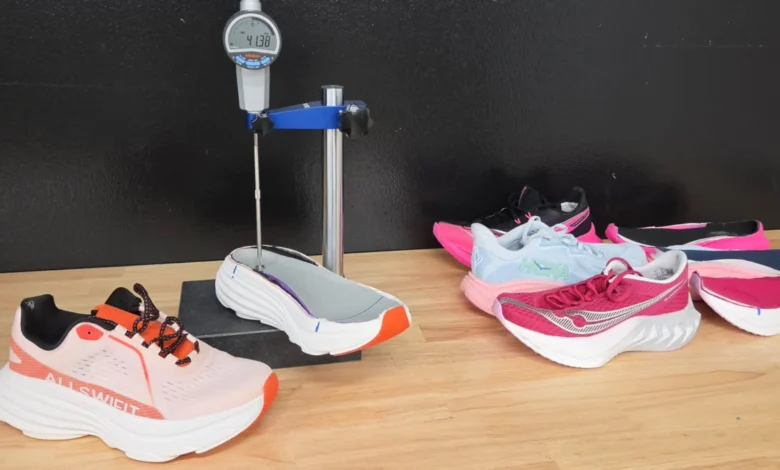
The paradigm of the modern consumer often revolves around the philosophy of "buy it for life," an ideal where high-quality goods serve their owners for decades. However, the running shoe industry operates on an entirely different biological and mechanical clock. Unlike a durable canvas backpack or a cast-iron skillet, a running shoe is a consumable product with a finite lifespan dictated by the chemical breakdown of its cushioning and the physical erosion of its tread. For the average runner, this "end-of-life" point typically arrives between 300 and 500 miles, or approximately every four to six months for those maintaining a consistent training regimen. As prices for premium performance footwear continue to climb, often exceeding the $200 mark, a critical question emerges for the global running community: Does a higher price tag truly equate to a longer-lasting, better-performing product, or can budget-friendly alternatives from mass-market retailers like Amazon hold their own against heritage brands?
To address this inquiry, a multi-stage evaluation was conducted involving both qualitative field testing and quantitative laboratory analysis. The investigation began with gear tester Maggie Slepian, who compared the $50 Nortiv 8 Allswifit ActiveAiry—a popular budget option on Amazon—against established mid-range and premium models from Hoka and Saucony. Her initial field observations suggested that for the casual runner, the $50 shoes performed surprisingly well, offering a level of "bounce" and comfort that rivaled shoes costing more than double. However, because subjective feel can be deceptive and field testing is limited by the human variable, the inquiry moved to the Outside Lab at the University of Colorado Denver. Under the direction of Lab Test Editor and Engineer Adam Trenkamp, the shoes were subjected to a battery of controlled stresses designed to accelerate wear and tear, revealing the mechanical truth behind the price tags.
The Science of Upper Durability: The Abrasion Paradox
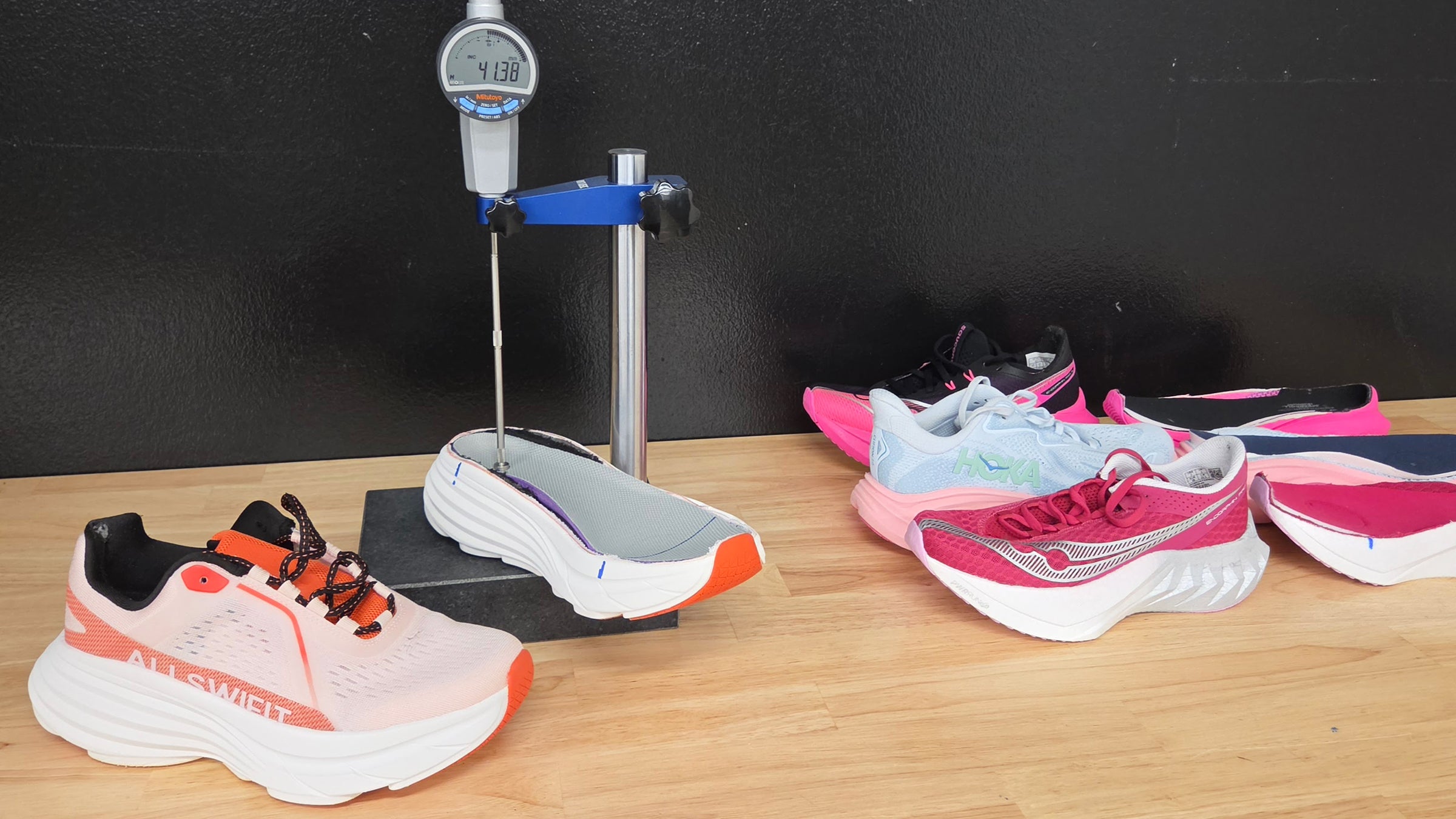
One of the most telling components of a running shoe’s longevity is the durability of the "upper"—the fabric or mesh that encases the foot. In the Outside Lab, engineers utilized a James Heal AquAbrasion machine, a sophisticated piece of equipment that replicates the friction a shoe encounters during use. The testing involved two distinct scenarios: a standard wear test using wool as an abradent to mimic everyday contact, and an aggressive test using specialized materials to simulate extreme conditions, such as snagging on trail debris or the repetitive internal friction caused by a runner’s stride.
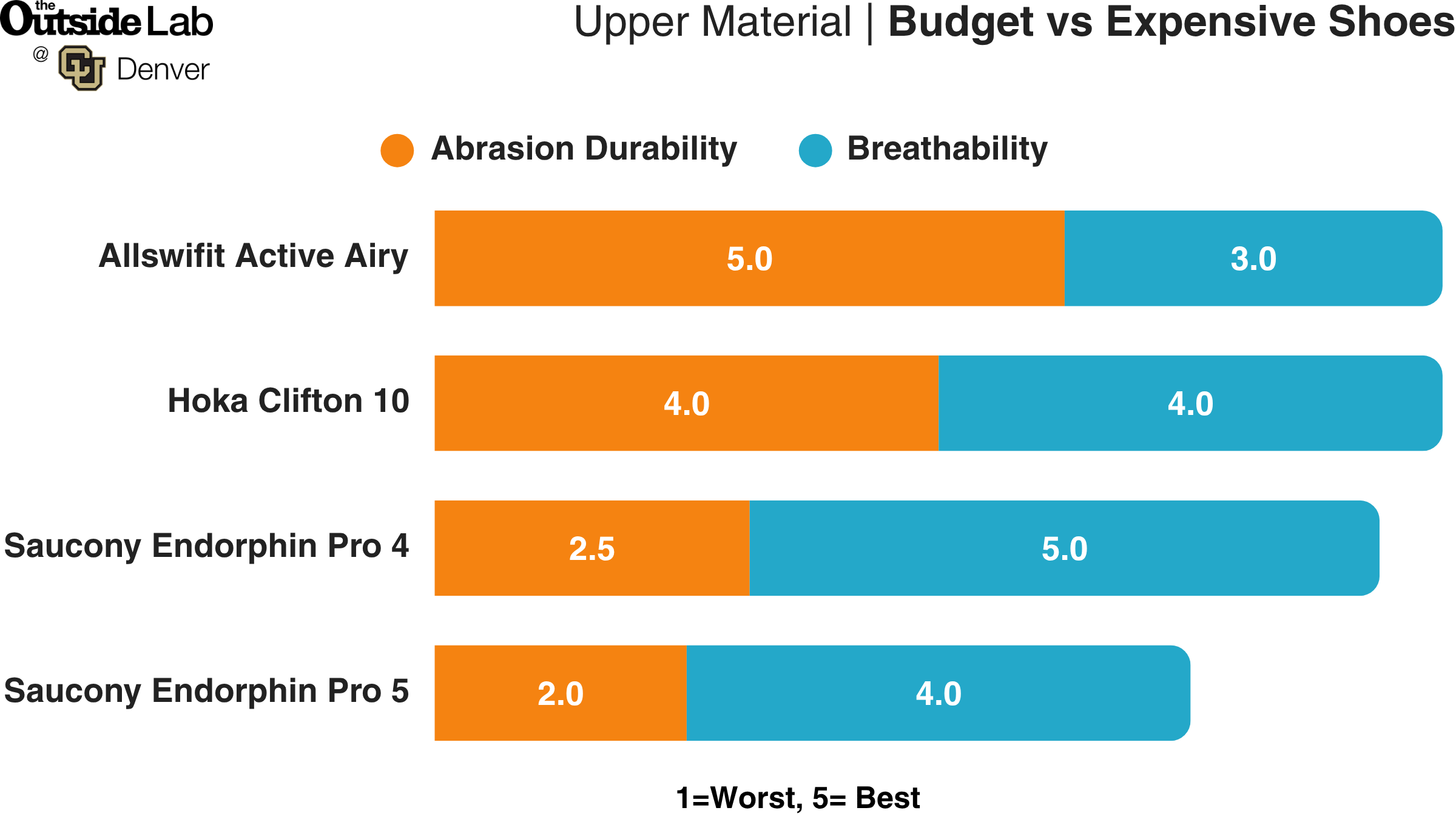
The results revealed a surprising inverse relationship between price and upper toughness. The budget-friendly Nortiv 8 Allswifit earned a perfect score of 5 on the abrasion scale, showing almost no signs of material failure. Conversely, the premium Saucony Endorphin Pro series, which retails for roughly four times the price of the Nortiv 8, received middling-to-low scores. This discrepancy is not necessarily a sign of poor manufacturing in the expensive shoes, but rather a result of specialized engineering. Premium "super shoes" are designed for elite performance, prioritizing weight reduction and airflow above all else. To achieve a featherlight feel, manufacturers use ultra-thin, highly engineered meshes that are inherently more fragile.
For the consumer, this creates a specific trade-off: the expensive shoe is faster and lighter but may develop holes or tears if used on technical terrain or if the runner has a foot shape that puts excessive pressure on specific flex points. The budget shoe, by contrast, uses thicker, heavier materials that, while less "sophisticated," offer superior resistance to physical destruction.
Thermal Regulation and Breathability: The Luxury of Airflow
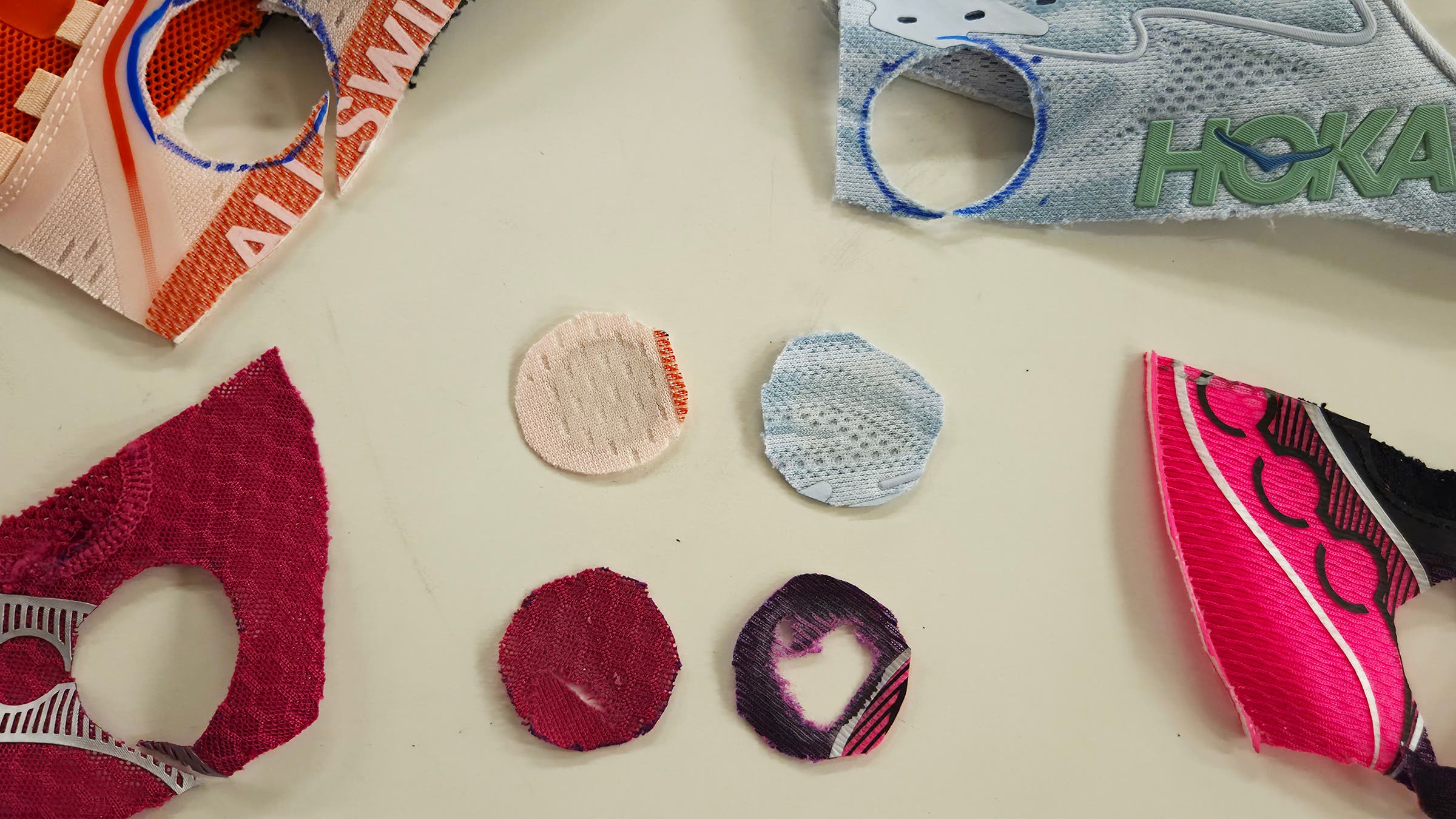
While the budget shoe won the battle of physical toughness, it lagged significantly in thermal management. Breathability is a critical factor for runners, as excessive heat and moisture buildup can lead to blisters, fungal infections, and general discomfort. To quantify this, the Outside Lab utilized a static evaporation test. Sections of each shoe’s toe box were sealed over jars of water heated to 102 degrees Fahrenheit—simulating the internal temperature of a human foot during vigorous exercise.
In Denver’s arid climate, which features a relative humidity of 25-35%, the lab measured how much moisture vapor escaped through the shoe material over a set period. The data showed a direct correlation between price and breathability. The premium models, with their airy weaves and technical uppers, allowed for significantly more moisture transfer. The budget Nortiv 8, despite its "ActiveAiry" branding, was found to be more restrictive. For runners in hot, humid climates or those prone to heavy perspiration, the investment in a more expensive shoe may be justified solely by its ability to keep the foot dry and cool, a feature that budget manufacturing processes struggle to replicate effectively.
The Physics of the Midsole: Compression and Energy Return
The heart of any running shoe is the midsole foam. This material is responsible for both shock absorption (protecting the joints) and energy return (propelling the runner forward). The Outside Lab utilized a universal test machine to measure foam properties, compressing the heel and forefoot impact zones 26 times to specific depths. By analyzing the force-displacement curves, engineers could determine when the foam stopped "sinking" and began to "rebound."
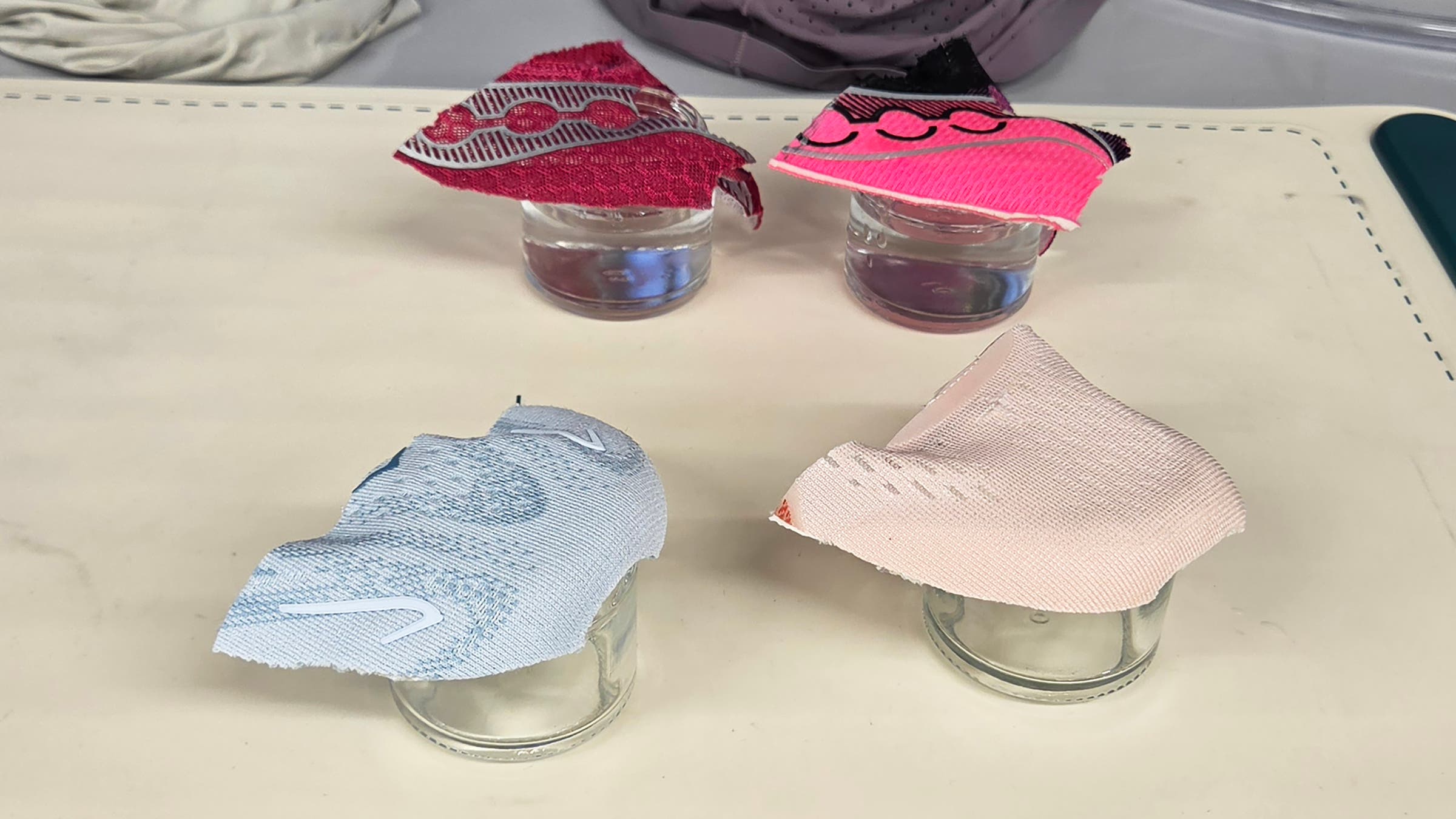
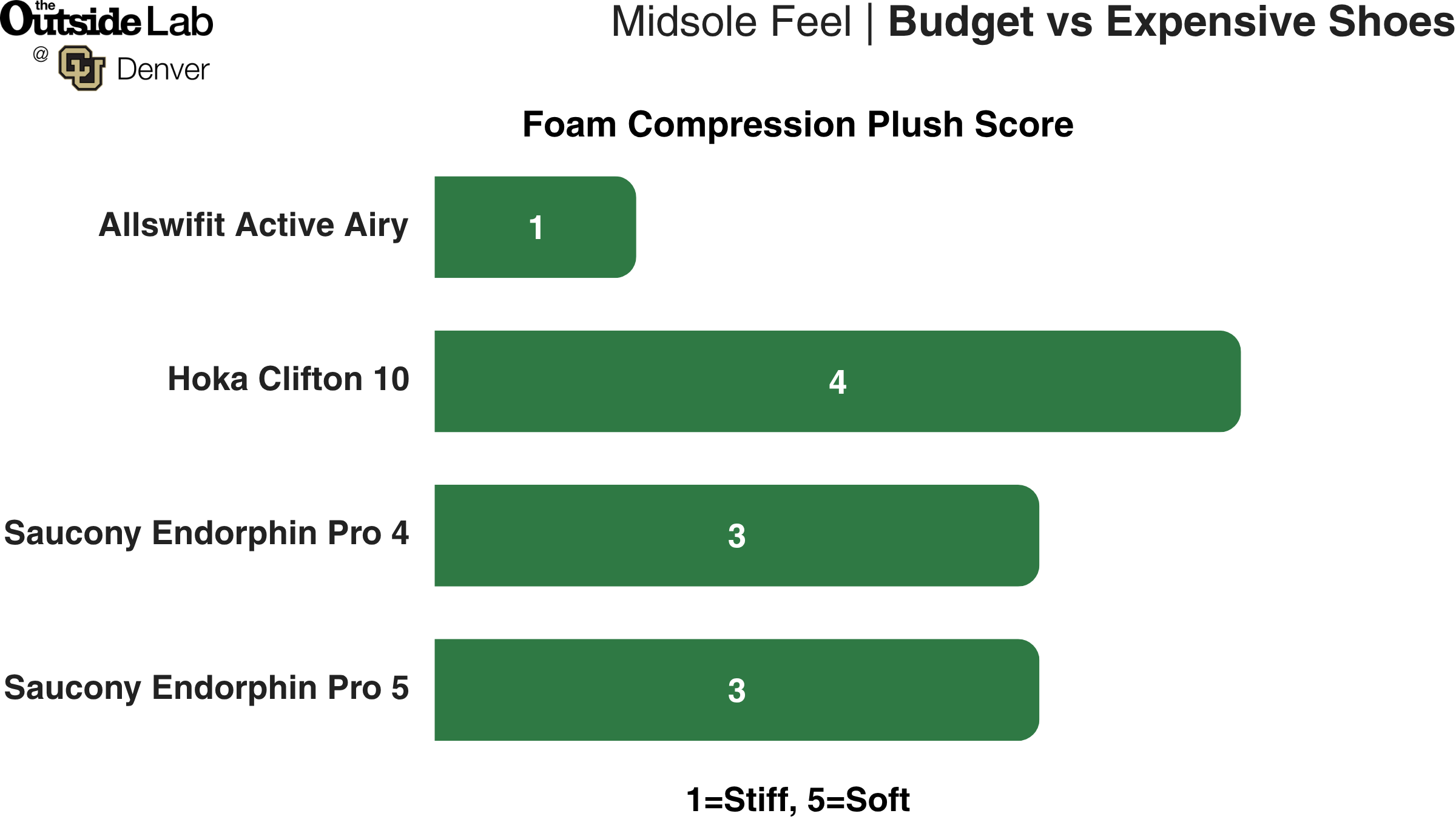
The results categorized the shoes on a scale from 1 (stiff) to 5 (soft/plush). The budget Nortiv 8 was a clear outlier, scoring a 1. This indicates a much stiffer, less responsive underfoot feel. In contrast, the Hoka and Saucony models scored a 4 and 3, respectively, showcasing the "squish" and rebound characteristic of high-end engineered foams like PEBA (polyether block amide) or specialized EVA (ethylene-vinyl acetate) blends.
While stiffness is often viewed negatively in the "maximalist" era of running shoes, it remains a subjective preference. Some runners prefer a firmer platform for stability and ground feel. However, from a purely technological standpoint, the "super foams" found in $150+ shoes provide a mechanical advantage—returning more energy to the runner with every stride—that current budget foams cannot match.
The Heeluxe Time Machine: Simulating 125 Miles of Impact
To understand how these shoes hold up over a training cycle, the lab employed the Heeluxe Time Machine. This apparatus uses flexible footforms and tensioned springs to simulate the stride of a 180-pound individual running at an eight-minute-per-mile pace. This allows researchers to "age" a shoe by 125 miles in a fraction of the time it would take a human tester.
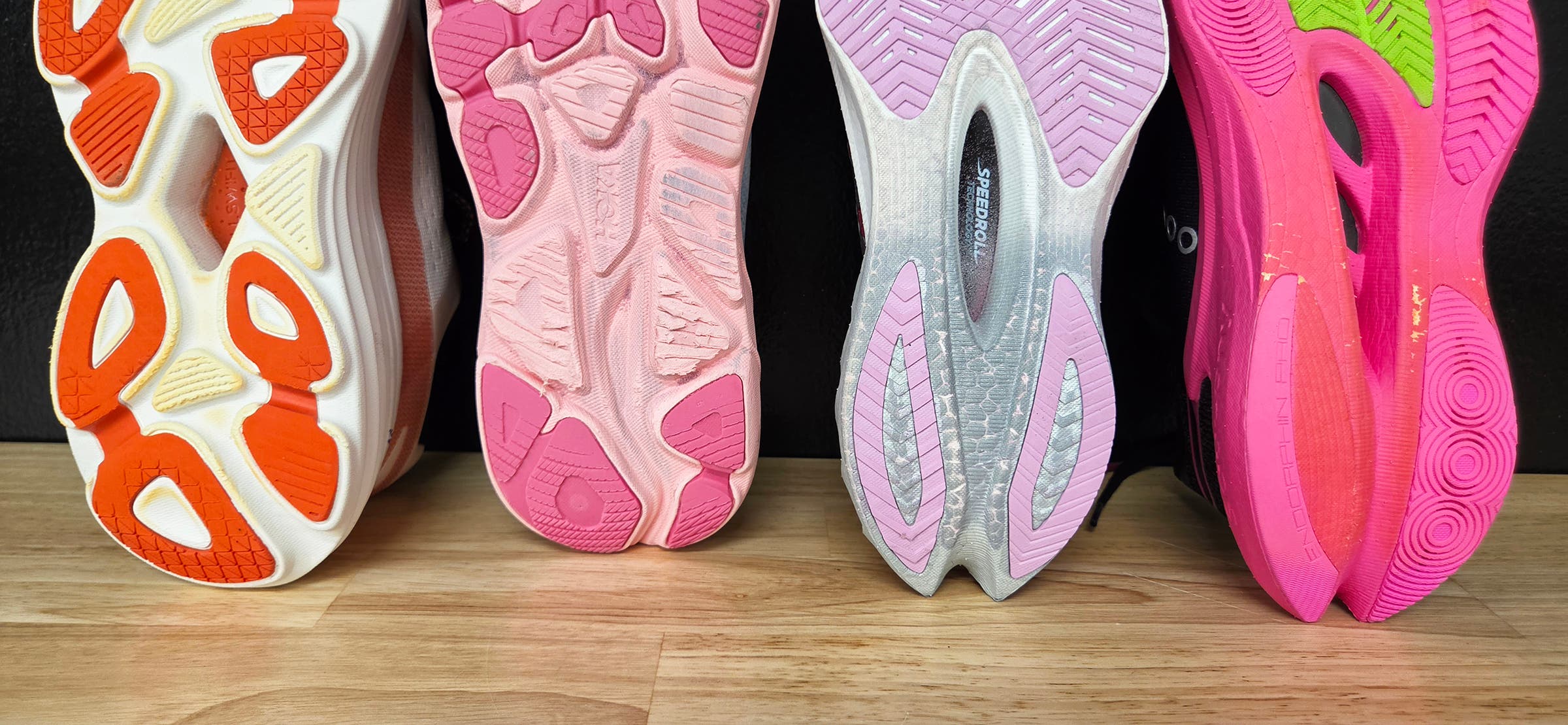
At the 25-mile mark, all shoes—regardless of price—maintained similar overall durability scores. However, as the test reached the 125-mile threshold, the "premium" gap began to widen. The Saucony models, despite their delicate uppers, showed remarkable resilience in their midsole integrity. The budget Nortiv 8 shoes, however, began to suffer from excessive "rubber shedding" on the outsole. The outsole is the first line of defense; as the rubber wears away, the underlying foam is exposed to direct friction with the ground, leading to a rapid degradation of the shoe’s structural integrity.
This suggests that while a $50 shoe may feel great out of the box, its "cost per mile" might actually be higher than a $150 shoe if it loses its protective tread and cushioning twice as fast.
Economic and Industry Implications
The rise of high-quality "white label" or budget brands on platforms like Amazon represents a significant shift in the athletic footwear market. Historically, the barrier to entry for creating a functional running shoe was high, requiring massive R&D budgets. Today, the globalization of footwear manufacturing has allowed smaller entities to produce shoes that mimic the aesthetics and basic functions of major brands at a fraction of the cost.
However, the Outside Lab’s findings suggest that heritage brands like Hoka and Saucony are not merely charging for a logo. The price premium covers the development of advanced chemical compounds in the foam and high-tensile, breathable fabrics that optimize performance. For the competitive athlete or the high-mileage runner, these technical advantages are measurable and impactful.
Conclusion: Strategic Selection for the Modern Runner
The data from the Outside Lab provides a clear roadmap for consumers navigating the footwear market. The "best" shoe is not necessarily the most expensive one, but the one that aligns with the runner’s specific needs and environment.
For beginners, casual walkers, or those who run fewer than ten miles a week, a budget shoe like the Nortiv 8 offers incredible value. Its superior abrasion resistance makes it a hardy choice for those who might occasionally veer onto light trails or who are prone to wearing through uppers. The stiffness of the foam, while less "exciting" than premium options, provides a stable platform for those still developing their running form.
Conversely, for the marathon trainee or the performance-oriented runner, the premium investment remains a logical choice. The benefits of advanced moisture management, superior energy return, and long-term midsole durability provide a performance ceiling that budget shoes cannot yet reach. While the uppers of these "super shoes" may require more careful handling, the mechanical benefits they provide over hundreds of miles justify their higher price point.
Ultimately, the investigation proves that while the price of entry for running has lowered thanks to budget alternatives, the pinnacle of footwear technology still resides with the specialist brands. As the industry continues to evolve, the gap between "budget" and "premium" may continue to shrink, but for now, the lab results confirm that you generally get exactly what you pay for: either a durable, simple tool or a high-performance, specialized instrument.
Related posts: