The WalletHub report utilized a data-driven methodology, analyzing 11 major domestic airlines across 16 key performance indicators. These metrics ranged from operational reliability—including on-time performance and cancellation rates—to safety records, fleet age, and pricing transparency. Spirit’s ascension to the top spot was driven primarily by its dominance in two critical categories: affordability and reliability. Despite its reputation as a "no-frills" airline, the data suggests that Spirit’s operational overhaul in 2025 has yielded tangible results that outweigh the comfort-focused advantages of its legacy competitors.
A Data-Driven Victory: Understanding the Scoring
The 2026 rankings were calculated based on a weighted system that prioritizes the factors most likely to impact the average traveler’s experience and wallet. Spirit Airlines earned an overall score of 74.33 out of 100, a figure that comfortably cleared the second-place finisher, Southwest Airlines (64.44), and third-place Alaska Airlines (59.48). The disparity between the top three highlights a broader trend in the 2025-2026 aviation cycle: the struggle of traditional carriers to maintain operational consistency amidst rising labor costs and infrastructure challenges.
According to data sourced from the U.S. Department of Transportation (DOT), Spirit Airlines maintained one of the lowest rates of cancellations and flight delays throughout 2025. This performance was a cornerstone of its high ranking. While legacy carriers often boast superior in-flight amenities and larger networks, their scores were significantly dragged down by higher average ticket prices and more frequent operational disruptions. For the budget-conscious traveler, the trade-off between a wider seat and a flight that arrives on time at a lower price point appears to be swinging in favor of the latter.
Furthermore, Spirit excelled in the category of "mishandled baggage." By streamlining its boarding processes and incentivizing carry-on luggage through its unbundled pricing model, the airline has managed to keep its checked-bag incident rate well below the industry average. In an era where lost luggage remains a primary grievance for passengers, this statistical win provided Spirit with a crucial advantage in the WalletHub tally.
The Evolution of the Spirit Business Model
To understand Spirit’s current success, one must look at the strategic shifts the company implemented between 2024 and 2025. Historically, Spirit operated on a strictly unbundled model, where the base fare covered only the seat and a small personal item. Every other convenience—from water to carry-on bags—was an additional fee. While this model allowed for the lowest base fares in the industry, it also fostered a "pay-to-play" environment that many consumers found frustrating.
In late 2024, Spirit initiated a significant brand evolution by introducing "premium bundles." These packages, labeled under names like "Go Big" and "Go Comfy," allowed passengers to purchase a more inclusive experience that featured larger seats, snacks, and checked baggage at a single price point. This move was widely seen as an attempt to capture the "premium leisure" market—travelers who want a deal but are willing to pay a bit more for basic comforts.
The introduction of these bundles appears to have mitigated some of the negative feedback regarding "hidden fees," as it provided more transparent options for passengers who preferred a more traditional flying experience. This strategic pivot likely contributed to the airline’s improved scores in the "in-flight comfort" and "amenity availability" metrics, even if it still trails behind Delta or JetBlue in those specific areas.
Reliability and Safety: The Invisible Metrics
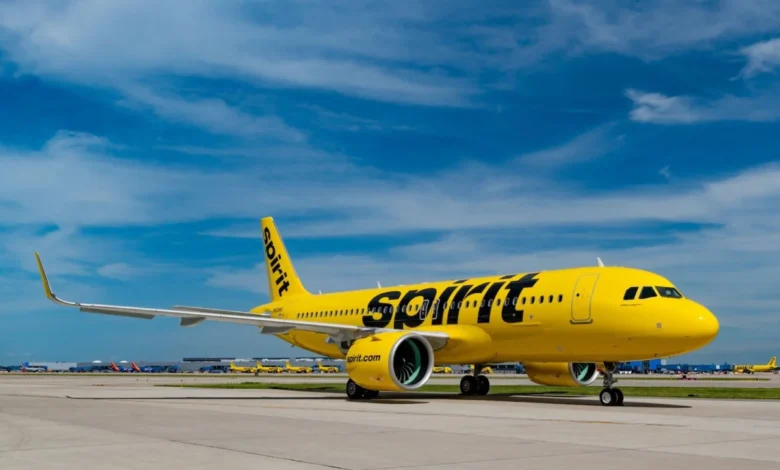
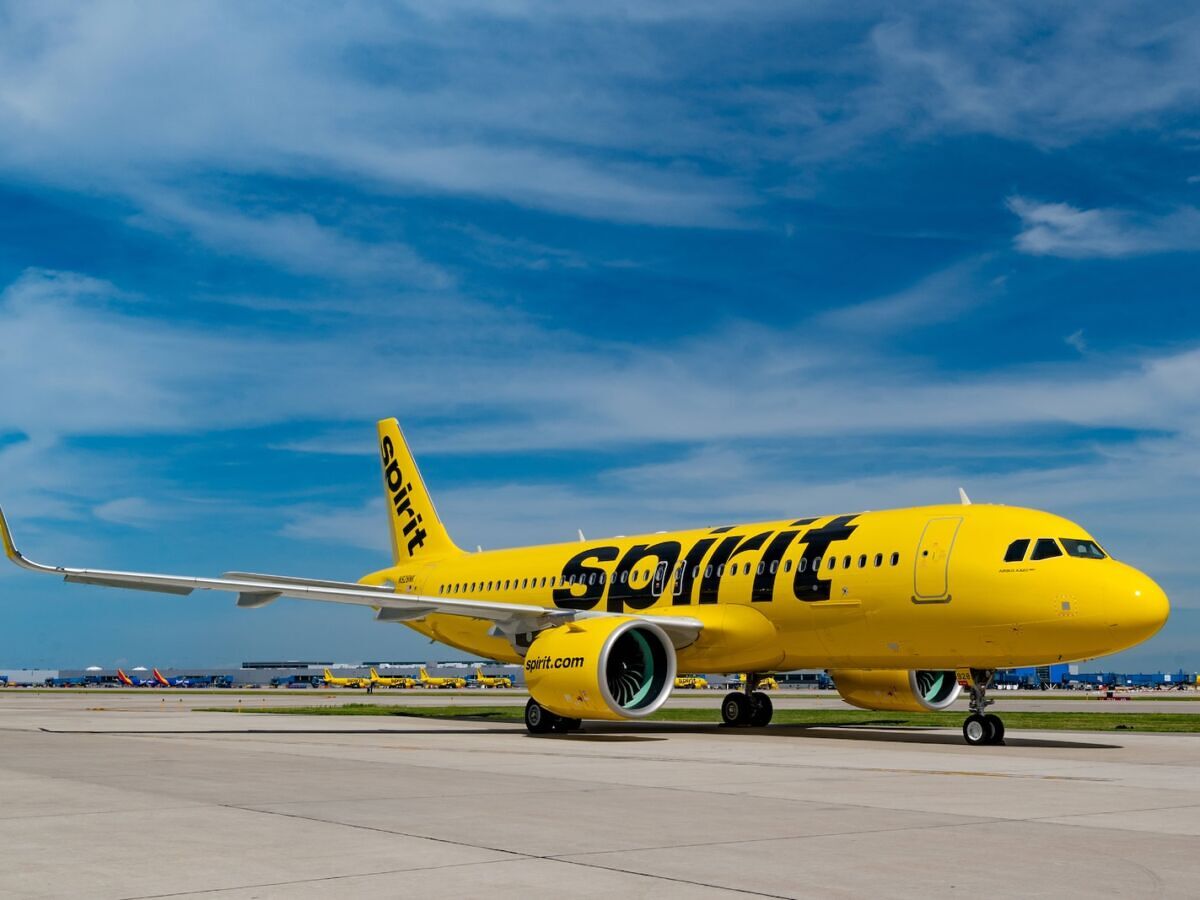
While the public often focuses on seat width and snack quality, the WalletHub study placed heavy emphasis on safety and fleet maintenance. Spirit Airlines benefited significantly from having one of the youngest fleets in North America. The airline’s heavy investment in the Airbus A320neo family has resulted in higher fuel efficiency and fewer mechanical delays compared to legacy carriers operating older Boeing 737 and 757 models.
In terms of safety, Spirit achieved perfect scores in categories related to aviation accidents and incidents. The airline recorded zero fatal injuries and maintained a clean record regarding civil penalties levied by the Federal Aviation Administration (FAA) throughout the evaluation period. For many analysts, this highlights a disconnect between the "cheap" brand image and the high-standard operational reality of the airline’s maintenance and safety protocols.
The Consumer Paradox: Perception vs. Reality
Despite the statistical victory, Spirit Airlines continues to face a significant branding challenge. On consumer review platforms like SkyTrax, the airline holds a meager 2 out of 10 rating, with flyers frequently labeling the experience as the "scam of the skies." These reviews often cite the lack of reclining seats, the strict baggage dimensions, and the lack of traditional customer service support.
This discrepancy highlights a fundamental question in the travel industry: How do you define the "best" airline? If "best" is defined by the quality of the caviar in first class or the legroom in economy, Spirit would arguably rank near the bottom. However, if "best" is defined by the probability of arriving at your destination on time, safely, and for the least amount of money, the data suggests Spirit is the current leader.
Industry experts suggest that the WalletHub ranking may serve as a wake-up call for legacy carriers. "What we are seeing is a prioritization of the ‘utility’ of flight," says aviation consultant Marcus Thorne. "For a significant portion of the flying public, a plane is a bus with wings. They want it to be cheap and they want it to show up. Spirit has mastered that specific equation, even if the ‘vibe’ of the flight isn’t particularly luxurious."
Chronology of the Rise: Key Milestones (2024–2026)
The path to the top spot was not instantaneous. It followed a series of operational and financial adjustments:
- January 2024: Following the blocked merger with JetBlue, Spirit announces a standalone "path to profitability," focusing on cost-cutting and operational efficiency.
- August 2024: Spirit launches its first major cabin reconfiguration in years, introducing more padded seating and the "Go Big" premium option.
- December 2024: DOT data for the final quarter shows Spirit achieving a 99% flight completion rate, leading all major US carriers during the busy holiday season.
- June 2025: Spirit expands its international routes to Latin America, leveraging its new, fuel-efficient fleet to keep costs low while increasing frequency.
- January 2026: WalletHub releases its annual report, officially naming Spirit the "Best Airline" based on 2025 full-year performance data.
Official Responses and Market Impact
While Spirit Airlines executives have not issued a formal statement regarding the specific WalletHub ranking, the airline’s marketing has increasingly leaned into its reliability metrics. Recent advertisements have shifted away from purely focusing on "$9 fares" toward highlighting "Industry-Leading On-Time Performance."
Competitors have remained largely silent on the rankings, though internal memos from legacy carriers have reportedly emphasized the need to improve operational reliability to compete with the rising efficiency of ULCCs. The 2026 report serves as a reminder that the "Big Three" (Delta, American, United) can no longer rely solely on loyalty programs and brand prestige to maintain their market dominance.
The broader implications of this ranking are significant for the future of US aviation. If a low-cost carrier can outperform premium airlines on the metrics that matter most to the DOT and safety regulators, it may force a pricing war or a fundamental shift in how legacy airlines manage their regional and short-haul operations.
Conclusion: A New Standard for the Budget Traveler
The 2026 WalletHub report does not claim that Spirit Airlines is the most comfortable or the most luxurious way to fly. Instead, it posits that within the current ecosystem of American aviation, Spirit offers the most consistent value proposition. By excelling in reliability, maintaining a modern and safe fleet, and offering the lowest prices in the market, Spirit has effectively gamed the metrics of "success" in a way that its more expensive peers have failed to do.
As the industry moves forward, the challenge for Spirit will be to maintain these operational highs while attempting to repair its fractured public image. For travelers, the message is clear: if the priority is getting from point A to point B without breaking the bank or facing a cancellation, the data suggests that the yellow planes of Spirit Airlines are currently the most reliable bet in the sky. However, the "C-grade" scores across the board for the entire industry—where even the winner only scored a 74—indicate that there is still significant room for improvement across the American aviation landscape.
Related posts: