The Dominance of the Big Three: A Market Overview
The Japanese convenience store market is dominated by three major players: 7-Eleven, FamilyMart, and Lawson. Together, these "Big Three" account for the vast majority of the sector’s multi-billion dollar annual revenue. Despite their superficial similarities, each brand targets a slightly different demographic and leverages unique strengths to maintain consumer loyalty.
7-Eleven, operated by Seven & i Holdings Co., is the undisputed leader in terms of store count and profitability. Known for its rigorous data-driven approach to inventory, 7-Eleven is often cited by locals as having the highest quality "private brand" items, marketed under the "7-Premium" and "7-Gold" labels. Their focus is on consistency and logistical perfection.
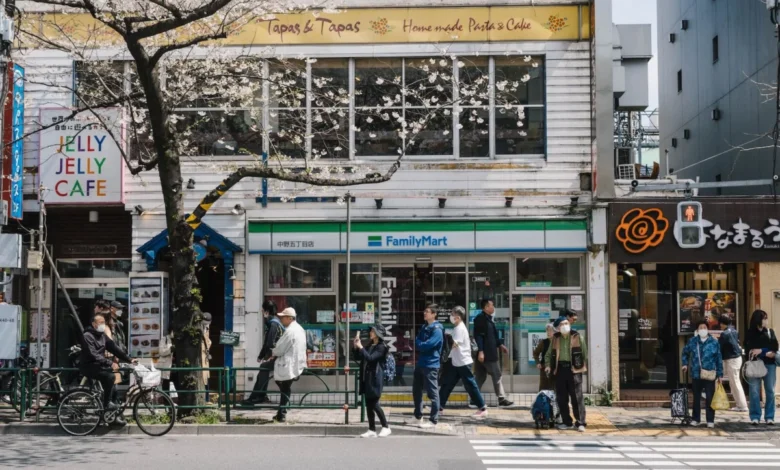
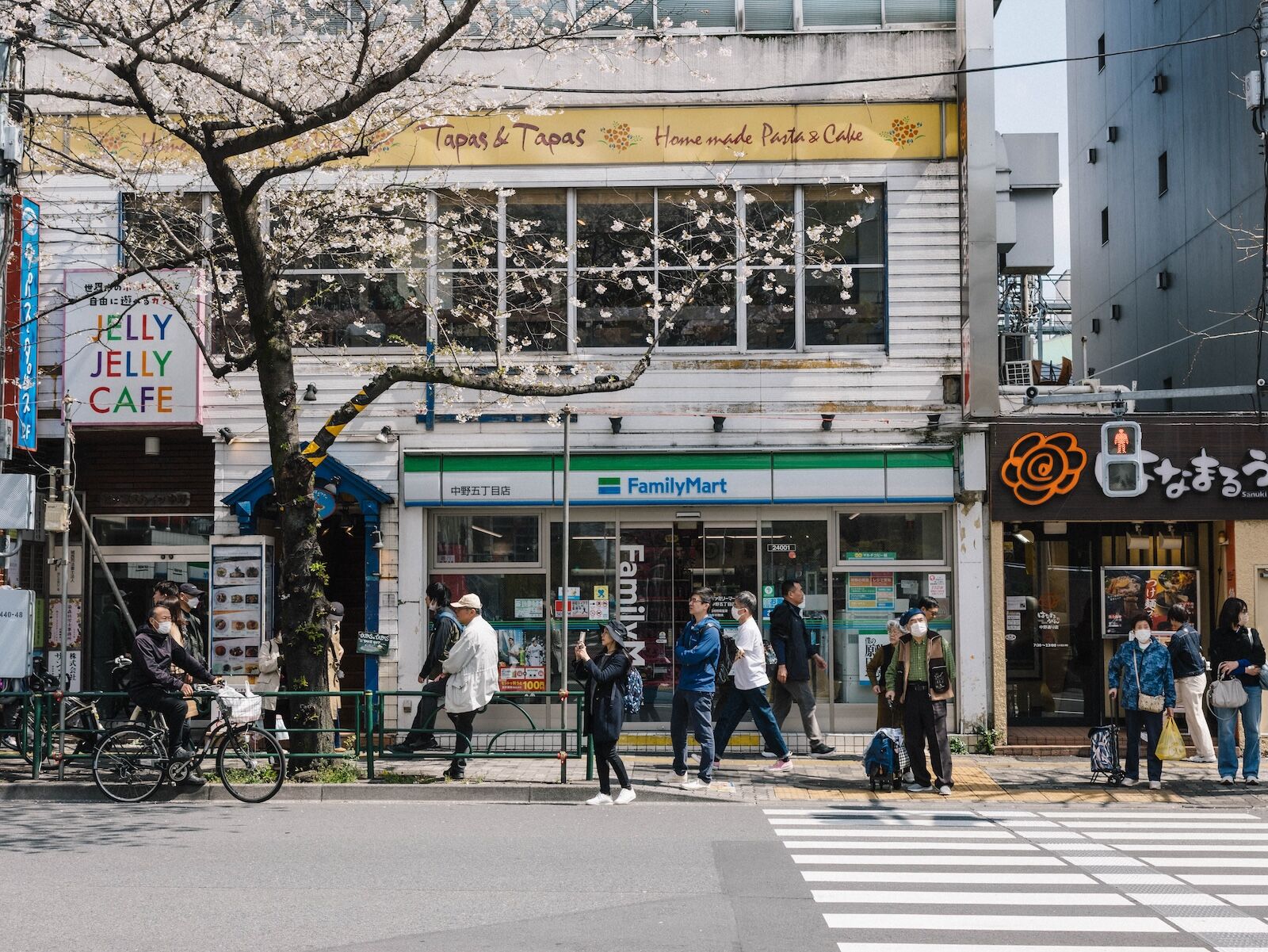
FamilyMart, following its merger with UNY Group Holdings, has solidified its position as a strong second. It has successfully carved out a niche through aggressive marketing and "viral" food items. Most notably, its "FamiChiki" (boneless fried chicken) has reached cult status, leading the brand to expand into lifestyle products, such as its "Convenience Wear" clothing line, which features designer-quality socks and shirts in the brand’s signature green and blue colors.
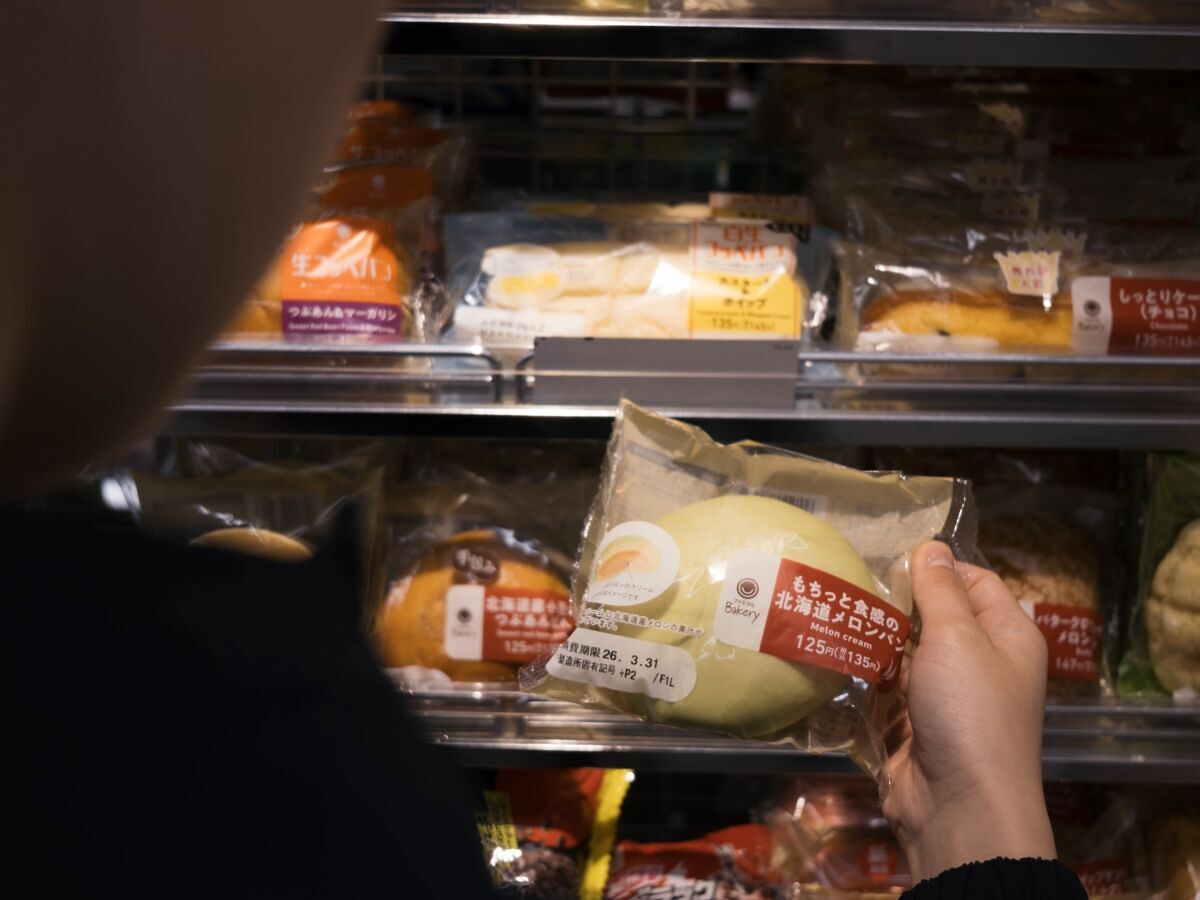
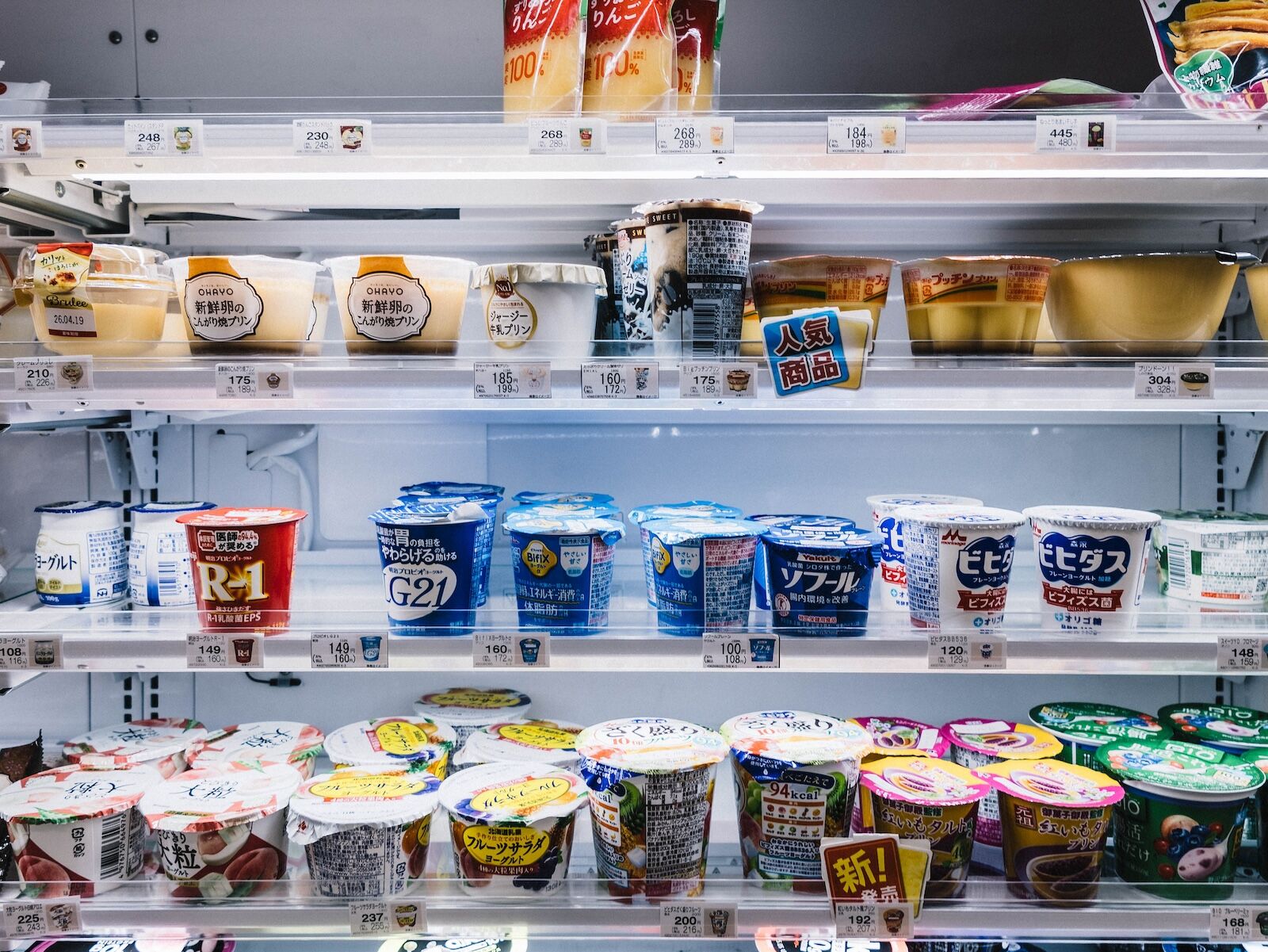
Lawson, a subsidiary of Mitsubishi Corporation, differentiates itself through health-conscious branding and a robust dessert portfolio. Through its "Uchi Café" line, Lawson has captured the "sweets" market, often winning industry awards for its premium rolls and parfaits. Furthermore, Lawson operates specialized sub-brands like "Natural Lawson," which focuses on organic and additive-free products, and "Lawson 100," a discount model catering to budget-conscious shoppers and the elderly.
A Chronology of the Konbini Evolution
The history of the Japanese konbini is a narrative of Western influence being meticulously refined by Japanese consumer demands. The journey began in May 1974, when the first 7-Eleven opened in Toyosu, Tokyo. While the concept was imported from the United States, Japanese operators quickly realized that the American "stop-and-go" model needed to be adapted for a densely populated, high-trust society.
By the 1980s, konbini began integrating Point of Sale (POS) systems, allowing them to track inventory in real-time and adapt to the specific needs of a neighborhood. In the 1990s, the stores expanded their service offerings to include utility bill payments and ATM services, transforming them into essential service centers. The 2000s saw a "quality war," where chains began competing on the freshness of their bento boxes and the sophistication of their bean-to-cup coffee machines. Today, the konbini is in its fourth generation of evolution, focusing on digital integration, unmanned "smart" stores, and sustainable packaging to meet modern ESG (Environmental, Social, and Governance) standards.
The Role of Regional Players and Specialized Chains
Beyond the Big Three, Japan hosts several smaller or regional chains that command intense local loyalty. These stores often survive by offering products that the national giants cannot easily replicate at scale.
- Seicomart: Exclusive primarily to Hokkaido, Seicomart is frequently ranked as Japan’s favorite convenience store in consumer satisfaction surveys. Its "Hot Chef" program, where meals are cooked on-site rather than in a central factory, provides a level of freshness that is highly valued in the cold northern climate.
- Daily Yamazaki: Owned by Yamazaki Baking, Japan’s largest baking company, this chain functions as a hybrid between a konbini and a bakery. It is the go-to destination for fresh, tray-and-tongs bread and pastries.
- MiniStop: A member of the AEON Group, MiniStop is famous for its "eat-in" corners (a rarity in older stores) and its rotating menu of premium soft-serve ice cream, which uses high-quality milk and seasonal fruits.
- NewDays: Operated by JR East, these stores are located inside or immediately adjacent to train stations. They are optimized for extreme speed, catering to commuters who have only seconds to spare between train transfers.
Supporting Data: Economic and Social Impact
The economic footprint of the konbini sector is immense. According to data from the Japan Franchise Association, total annual sales for convenience stores in Japan consistently exceed 10 trillion yen (approximately $67 billion USD).
| Metric | 7-Eleven | FamilyMart | Lawson |
|---|---|---|---|
| Approximate Store Count | 21,000+ | 16,000+ | 14,000+ |
| Key Strength | Logistics & Private Brand | Hot Snacks & Lifestyle | Desserts & Health |
| Parent Company | Seven & i Holdings | FamilyMart Co. | Mitsubishi Corp |
Beyond economics, these stores serve a critical social function. During the 2011 Great East Japan Earthquake and subsequent disasters, konbini were among the first businesses to reopen, providing food, water, and electricity to displaced residents. This "designated public institution" status means they are officially integrated into Japan’s national disaster management plans.
The Culinary Philosophy: Seasonality and "Mono-no-aware"
The most significant differentiator between a Japanese konbini and its international counterparts is the adherence to kikan gentai, or limited-time offerings. This is a commercial application of the Japanese aesthetic principle of mono-no-aware—an awareness of the impermanence of things.
In the winter, stores prioritize oden, a savory one-pot dish featuring daikon, fish cakes, and boiled eggs simmering in a dashi broth. As spring approaches, the shelves turn pink with sakura-flavored lattes, mochi, and sandwiches. Summer brings refreshing cold noodles like somen and hiyashi chuka, while autumn is defined by flavors of chestnut, pumpkin, and roasted sweet potato.
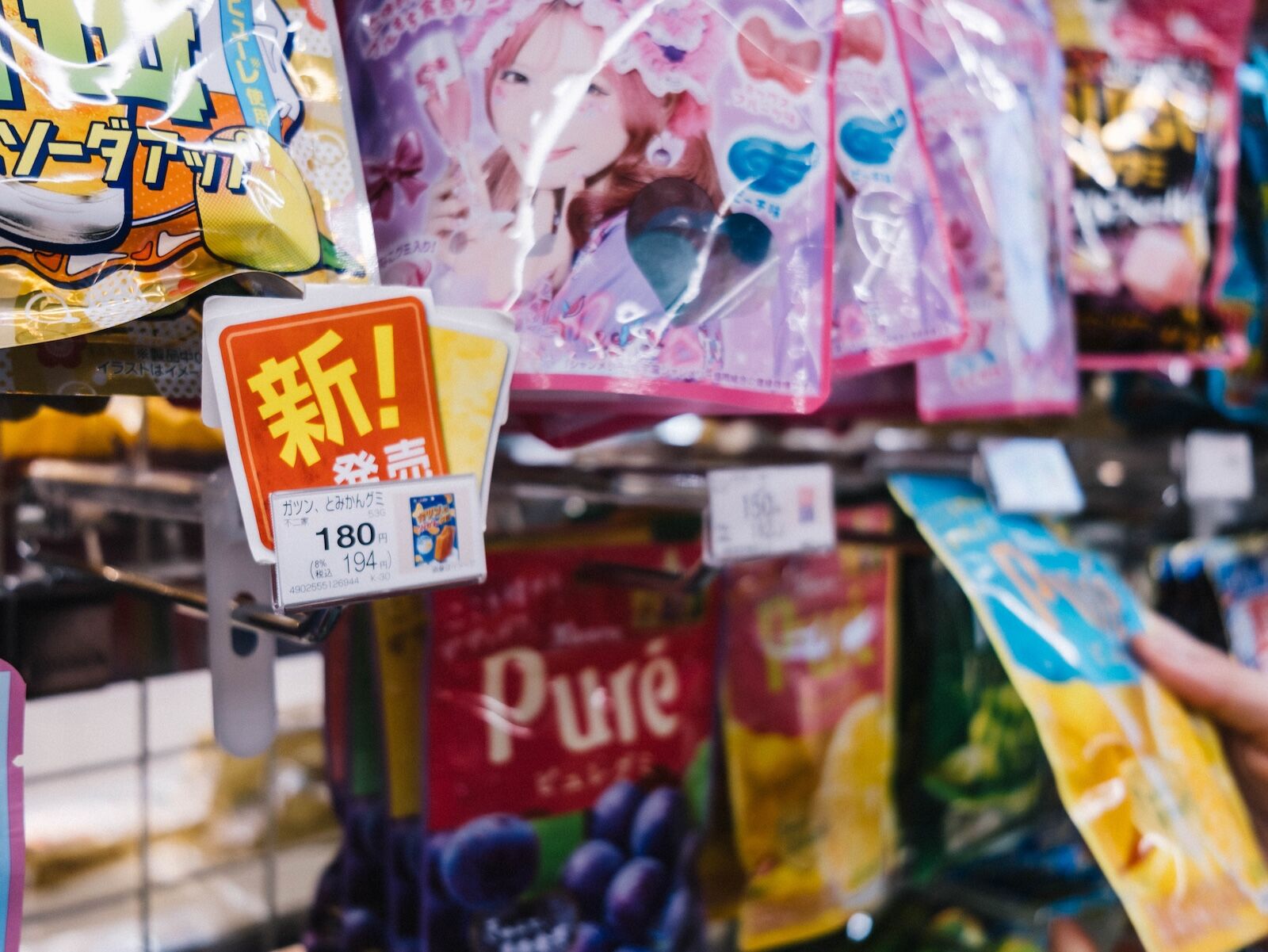
This rapid rotation—often seeing new products every Tuesday—creates a "treasure hunt" atmosphere. Industry analysts note that this strategy is essential for maintaining high foot traffic in a saturated market where the average consumer visits a konbini several times per week.
Logistics and the Future of Convenience
The operational efficiency of a Japanese convenience store is a marvel of modern logistics. Most stores receive three to four deliveries a day to ensure that the "fresh food" section is never depleted and that products are sold at the peak of their freshness.
However, the industry currently faces a significant headwind: Japan’s demographic crisis. A shrinking and aging population has led to a severe labor shortage. In response, chains are reacting with several technological initiatives:
- RFID Tagging: Implementing radio-frequency identification to allow for instant checkout.
- AI-Driven Ordering: Using artificial intelligence to predict demand based on weather patterns, local events, and historical sales data to reduce food waste.
- Unmanned Stores: Both 7-Eleven and FamilyMart have begun trialing fully automated stores in office buildings and train stations where customers scan an app to enter and are automatically charged for the items they take.
Broader Implications: A Model for Global Retail
The success of the Japanese konbini model has sparked a global trend. 7-Eleven’s parent company has recently begun "Japan-izing" its North American stores, introducing higher-quality fresh food and better logistics to move away from the "gas station snack" image.
For the traveler or the resident in Japan, the konbini is more than just a store; it is a reliable constant in an ever-changing urban landscape. Whether it is a 3:00 AM craving for high-quality ramen, the need to print a boarding pass, or the desire to taste the first strawberry of the season, the konbini provides a level of service and quality that remains unmatched in the global retail sector. The message from the Japanese market is clear: convenience does not have to come at the expense of quality, and even the most ubiquitous brand must innovate daily to survive in the hearts—and stomachs—of the public.
Related posts: