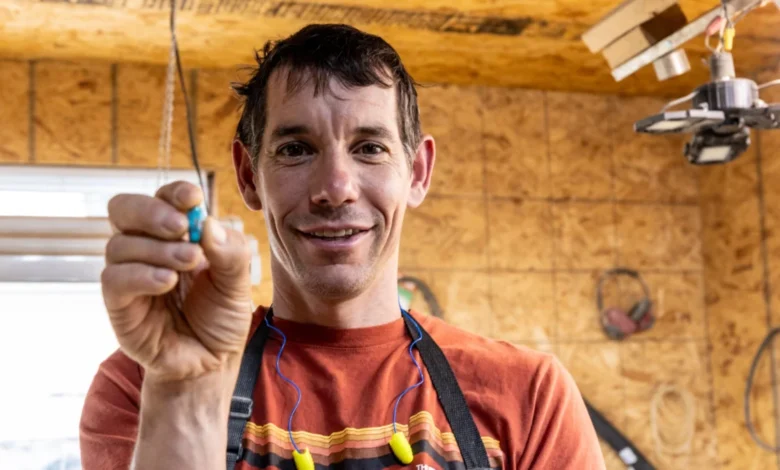
Professional rock climber Alex Honnold, widely recognized for his historic free solo ascent of El Capitan, has shifted his focus from the granite monoliths of Yosemite to the expansive and often misunderstood landscapes of his adopted home state. In the third installment of the five-part digital series "Get a Little Out There with Alex Honnold," produced in collaboration with Travel Nevada, the athlete explores the geographical and cultural nuances of central Nevada. The episode, released in mid-April 2026, documents a journey that bridges the gap between high-altitude mountaineering and the idiosyncratic "dark tourism" that defines the historic mining town of Tonopah. Honnold, accompanied by fellow elite climber Tommy Caldwell, navigates a series of locations that highlight Nevada’s "Basin and Range" topography, characterized by abrupt changes in elevation and a rich, often turbulent, colonial and geological history.
The series serves as a strategic cornerstone for Nevada’s modern tourism initiative, which seeks to diversify the state’s appeal beyond the neon corridors of Las Vegas and the alpine shores of Lake Tahoe. By leveraging Honnold’s global profile, the campaign highlights the "Silver State" as a premier destination for backcountry exploration, geological study, and heritage tourism. Episode 3 specifically focuses on the Alta Toquima Wilderness and the town of Tonopah, offering a narrative that transitions from the biological diversity of "sky islands" to the supernatural lore of the Old West.
The Alpine Isolation of Mt. Jefferson and the Alta Toquima Wilderness
The episode begins with a grueling ascent of Mt. Jefferson, the highest point in the Toquima Range and the sixth-highest peak in Nevada. Reaching an elevation of 11,949 feet at its South Summit, Mt. Jefferson represents a classic example of a "sky island"—an isolated mountain range surrounded by radically different lowland environments. For Honnold and Caldwell, the 13-mile round-trip trek serves as a departure from technical rock climbing, focusing instead on endurance and the appreciation of Nevada’s unique high-altitude ecology.
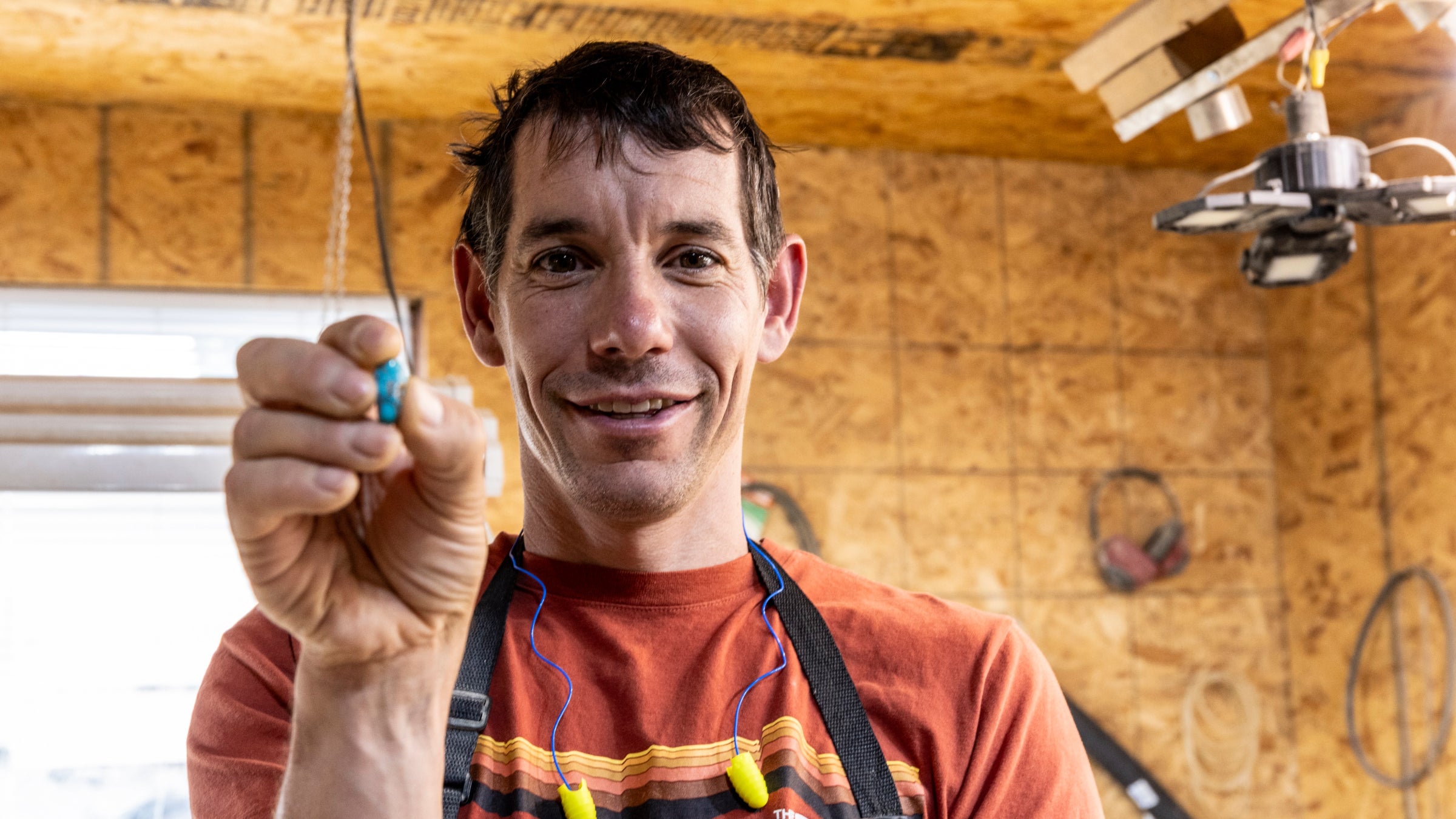
The South Summit of Mt. Jefferson is notable for its massive flat-topped plateau, a geological feature that supports a delicate tundra ecosystem. According to data from the U.S. Forest Service, the Alta Toquima Wilderness encompasses roughly 35,860 acres and is one of the few places in the Great Basin where alpine vegetation remains largely undisturbed by livestock. The ascent involves more than a dozen creek crossings and traverses through dense aspen groves and wildflower meadows, providing a visual counter-narrative to the common perception of Nevada as a monolithic sand desert.
From a wildlife perspective, the region is a critical habitat for the Desert Bighorn Sheep. The episode highlights the isolation of the trail; in remote areas of Nye County, hiker density is among the lowest in the lower 48 states. This solitude is a primary draw for the series, positioning central Nevada as a frontier for those seeking "primitive and unconfined recreation," as defined by the Wilderness Act of 1964.
Historical Preservation and Paranormal Tourism at the Mizpah Hotel
Transitioning from the wilderness to the built environment, Honnold explores the town of Tonopah, a community born from the silver boom of the early 20th century. At the center of this historical exploration is the Mizpah Hotel. Opened in 1907, the Mizpah was once the tallest building in Nevada and served as a social hub for mining tycoons, politicians, and socialites during the state’s formative years.
The Mizpah Hotel represents a successful case study in historical restoration and "ghost tourism." In 2011, the property underwent a multimillion-dollar renovation to restore its Edwardian-era elegance while leaning into its reputation as one of America’s most haunted locations. The "Lady in Red," a legendary figure purportedly murdered on the hotel’s fifth floor, remains a significant draw for paranormal investigators. Honnold’s visit to the hotel underscores a broader trend in travel: the integration of luxury heritage accommodations with experiential storytelling.
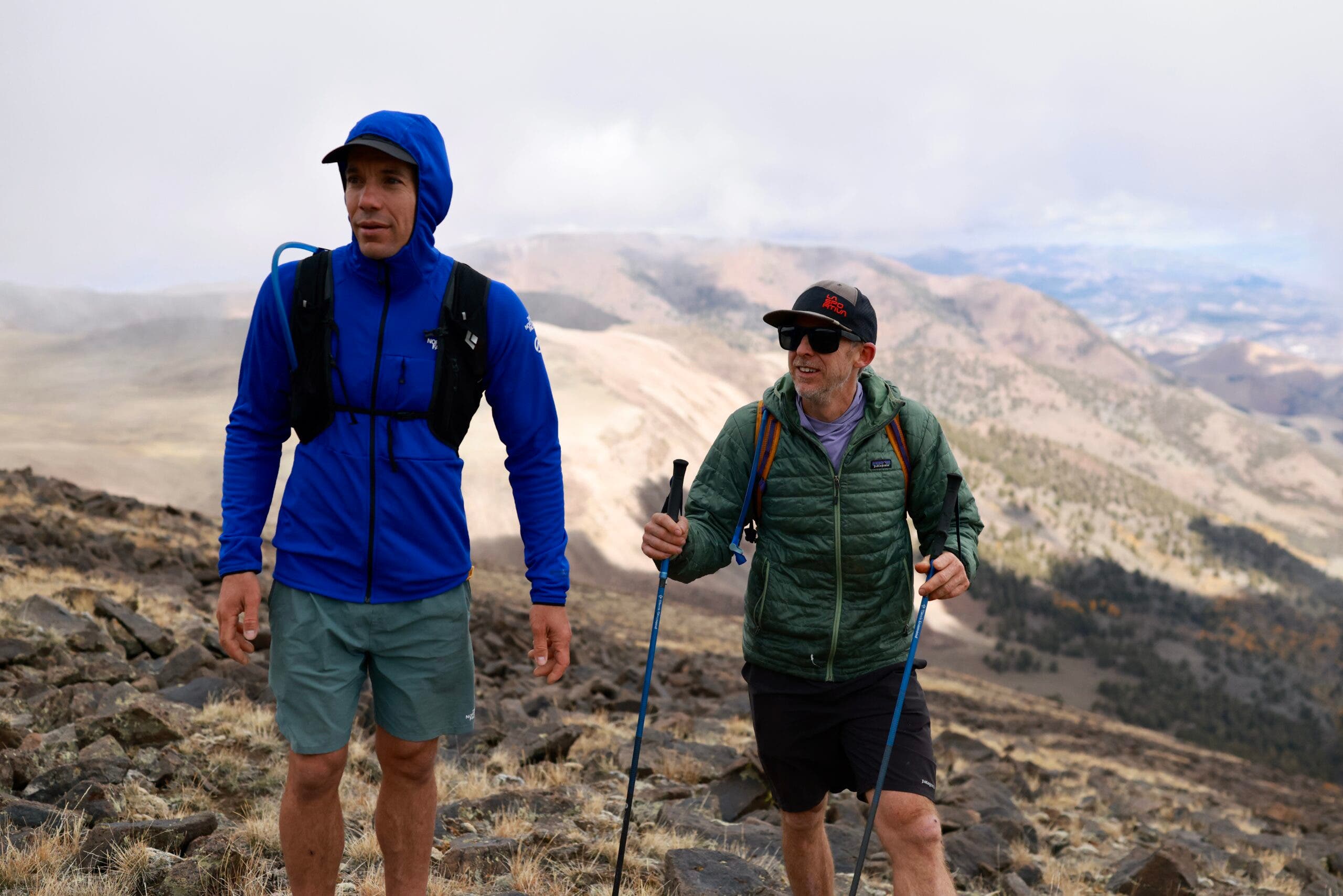
Tourism data suggests that "dark tourism"—travel associated with death, tragedy, or the supernatural—has seen a 15% year-over-year increase in the American West. By featuring the Mizpah, the series taps into this market, showcasing how historic preservation can drive economic revitalization in former industrial towns. The hotel’s inclusion of modern amenities, such as EMF (electromagnetic field) readers for guests, demonstrates a savvy adaptation to contemporary consumer interests in the paranormal.
The Geology of Gemstones: The Otteson Brothers Turquoise Mine
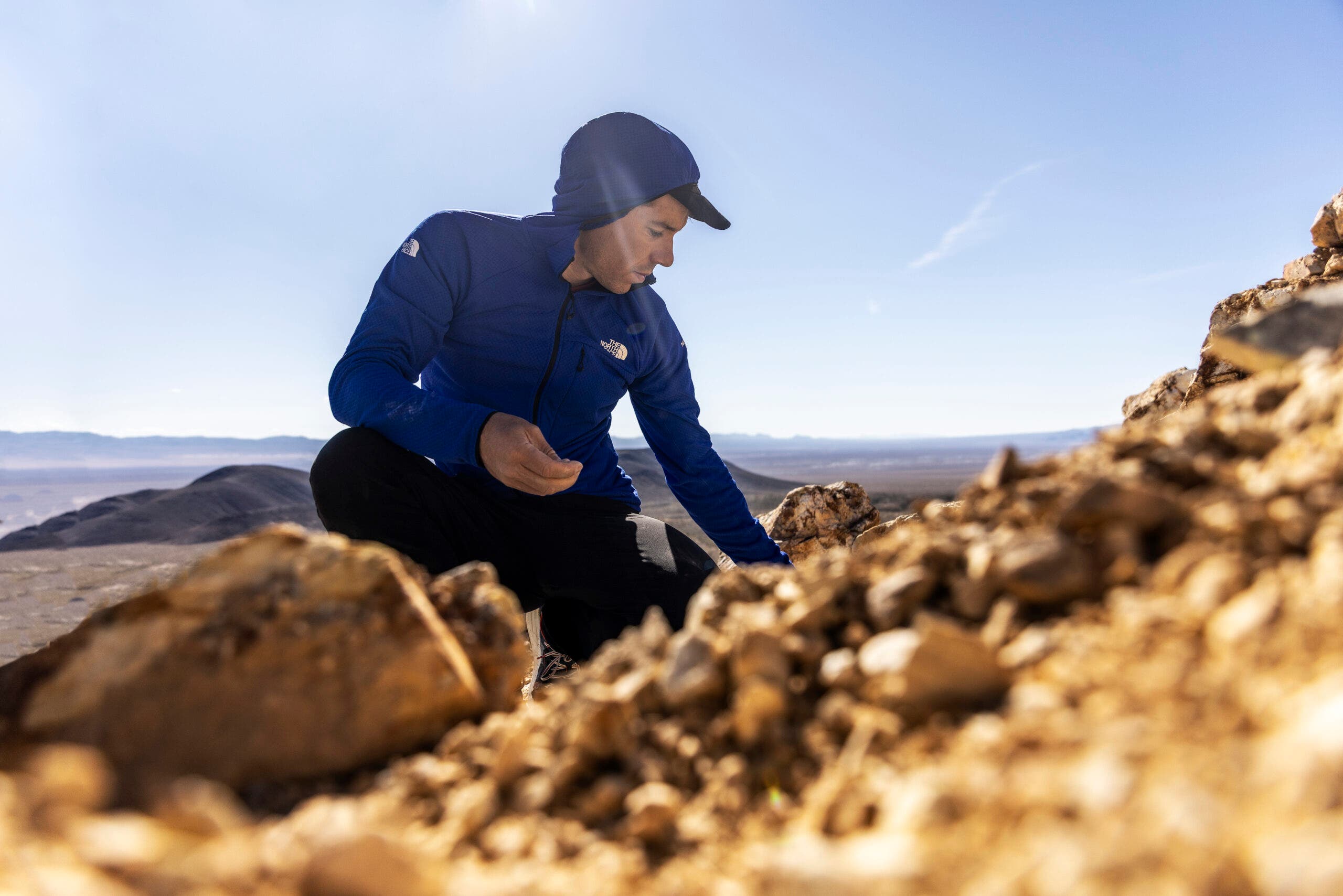
A significant portion of Episode 3 is dedicated to Nevada’s mineralogical heritage. Honnold joins the Otteson family, third-generation miners who have become the faces of American turquoise through various media appearances and long-standing operations in the Royston District. Unlike the industrial-scale silver mining of Tonopah’s past, the Otteson Brothers Mining Tour offers a boutique, hands-on experience that allows visitors to engage directly with the earth.
Turquoise is chemically a hydrous phosphate of copper and aluminum, and Nevada is globally recognized for producing some of the highest-quality specimens in the world. The "Royston" turquoise found in this region is prized for its color variations, ranging from deep emerald greens to soft blues, often with a heavy brown or gold matrix.
For Honnold, the experience is described as a "treasure hunt," providing a window into the geological forces of the Basin and Range province. The educational component of the mining tour explains how mineral-rich water percolating through host rock creates these gemstones over millions of years. This segment of the episode highlights a shift in Nevada tourism toward "agritourism" and "industrial tourism," where the process of production becomes the attraction itself.
The Cultural Phenomenon of the Clown Motel and Dark Tourism
Perhaps the most visually arresting segment of the episode features The Clown Motel, an establishment that has gained international notoriety for its collection of over 6,000 clown figurines and its proximity to the Old Tonopah Cemetery. The cemetery, which contains the graves of miners who perished in the 1911 Belmont Mine fire, provides a somber backdrop to the motel’s eccentric theme.
The Clown Motel has become a cult favorite among travelers on the "Extraterrestrial Highway" and those traversing the long stretch between Las Vegas and Reno. Its popularity is rooted in the "uncanny valley" effect—the psychological discomfort caused by figures that look human but are not quite right. While many find the theme terrifying, the motel has capitalized on this fear, marketing itself as a destination for those looking to test their nerves.
This site serves as a prime example of Nevada’s "weird" culture, a recurring theme in Honnold’s series. The juxtaposition of a world-class athlete known for his composure in life-threatening situations against the backdrop of a "scary" motel provides a lighthearted yet insightful look at how rural communities create unique identities to attract visitors in a competitive global market.
Strategic Implications for Nevada’s Tourism Economy
The partnership between Alex Honnold and Travel Nevada is a calculated move to tap into the "Adventure Travel" sector, which is estimated to be a trillion-dollar industry globally. According to the Nevada Division of Tourism, outdoor recreation contributes approximately $4.9 billion annually to the state’s GDP and supports over 49,000 jobs. By using Honnold—a figure synonymous with authenticity and extreme capability—the state is attempting to brand its interior as more than just a "flyover" zone.
Industry analysts suggest that the "Honnold Effect" could lead to increased traffic in rural counties like Nye and Esmeralda. "When an influencer of Honnold’s caliber validates a destination, it moves from the fringe to the mainstream for a specific demographic of high-spending adventure seekers," notes travel consultant Marcus Thorne. "This isn’t just about showing a pretty view; it’s about showcasing the accessibility of remote landscapes."
Chronology of the Expedition
The filming of Episode 3 followed a structured timeline designed to capture the transition from the high desert’s daytime harshness to the atmospheric evenings of the historic towns:
- Day 1-2: The High Country. The crew established a base camp near the Alta Toquima Wilderness. Honnold and Caldwell completed the ascent of Mt. Jefferson, filming technical segments focused on the biodiversity of the plateau.
- Day 3: The Descent into History. The team moved to Tonopah, checking into the Mizpah Hotel. This day focused on the town’s architectural heritage and the silver mining legacy that built the infrastructure of the central state.
- Day 4: The Earth’s Wealth. The morning was spent at the Royston District mines with the Otteson family. Honnold participated in the extraction process, highlighting the physical labor involved in gemstone mining.
- Day 5: The Uncanny Finale. The expedition concluded at The Clown Motel and the adjacent cemetery, capturing the "weird Nevada" aesthetic that has become a viral sensation on social media platforms.
Broader Impact and Conclusion
"Get a Little Out There" represents a new era of destination marketing where the "personality" of a place is as important as its landmarks. For Nevada, a state that is 85% federally managed land, the series highlights the vast potential for public land usage that balances conservation with recreation.
Alex Honnold’s journey through central Nevada in Episode 3 serves as a microcosm of the state’s broader appeal: a blend of high-stakes physical challenge, deep geological history, and a resilient, if somewhat eccentric, cultural spirit. As the series continues, it reinforces the idea that Nevada’s true value lies in its "out there" nature—those spaces that require a bit more effort to reach but offer a depth of experience unavailable in more traditional tourist hubs. By moving from the heights of Mt. Jefferson to the depths of a turquoise mine and the haunted halls of the Mizpah, Honnold provides a comprehensive look at the Silver State’s enduring allure.
Related posts: