The Director-General of the World Health Organization (WHO), Dr. Tedros Adhanom Ghebreyesus, has issued a direct appeal to the people of Tenerife, seeking to allay fears surrounding the arrival of a ship carrying passengers infected with the Andes strain of hantavirus. In an unprecedented move, Dr. Tedros bypassed traditional communication channels to speak directly to the community, acknowledging the deep-seated anxieties stemming from the 2020 pandemic and emphasizing the low public health risk posed by the current situation.
Hantavirus Outbreak on MV Hondius: Understanding the Risk
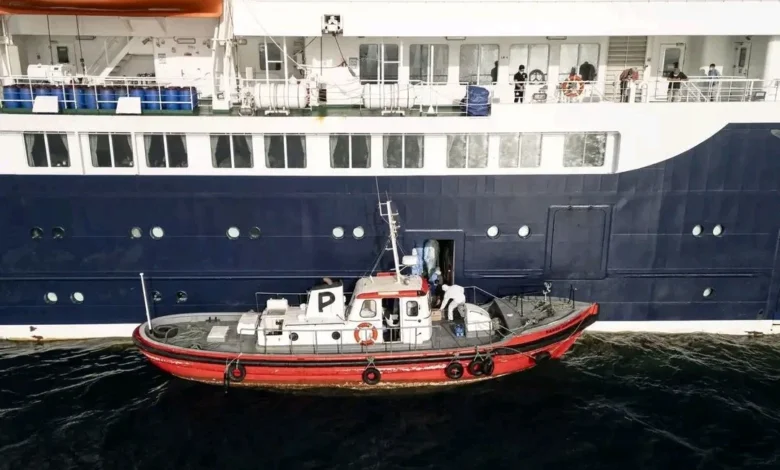
The vessel in question, MV Hondius, has experienced an outbreak of the Andes strain of hantavirus, a serious illness that has tragically resulted in three fatalities among those on board. Dr. Tedros unequivocally stated that while the virus is indeed serious and the loss of life is deeply mourned, the risk to the general population of Tenerife remains low. This assessment, he stressed, is the official position of the WHO, arrived at after careful consideration and expert evaluation.
Currently, there are no symptomatic passengers on the MV Hondius. A WHO expert is onboard the ship, working in conjunction with the existing medical supplies and the robust preparedness plan developed by Spanish authorities. The meticulous plan for disembarkation involves a multi-layered approach to ensure public safety. Passengers will be transported from the ship to the industrial port of Granadilla, a location deliberately chosen for its distance from residential areas. The transfer will be conducted using sealed, guarded vehicles, operating within a completely cordoned-off corridor. The ultimate goal is direct repatriation to the passengers’ home countries, minimizing any potential for contact with the local population.
Spain’s Humanitarian Response and International Health Regulations
Dr. Tedros lauded Spain, and specifically Prime Minister Pedro Sánchez, for the nation’s decision to allow the MV Hondius to dock. He characterized this action as a profound act of solidarity and moral duty, underscoring that the WHO’s request to Spain was not arbitrary but was made in full compliance with the International Health Regulations (IHR). The IHR is a legally binding framework that delineates the rights and obligations of countries and the WHO in responding to public health events of international concern.
Under these regulations, the nearest port possessing adequate medical capacity must be identified to ensure the safety and dignity of individuals on board. Tenerife, with its established medical infrastructure and capacity, met these stringent criteria. Spain’s acceptance of the ship demonstrates not only its adherence to international protocols but also its compassionate response to a challenging humanitarian situation. The MV Hondius has been at sea for weeks, carrying nearly 150 individuals from 23 different countries. Many are reportedly grieving, all are frightened, and all are longing to return home. Tenerife’s selection highlights its capacity, infrastructure, and, crucially, its humanity in facilitating their safe return.
Dr. Tedros’s Personal Commitment to Tenerife
In a further demonstration of the WHO’s commitment and to personally witness the unfolding operation, Dr. Tedros announced his intention to travel to Tenerife. He aims to observe the disembarkation and repatriation process firsthand, to stand in solidarity with the health workers, port staff, and officials orchestrating the operation, and to express his personal respect for the island’s response. He believes that Tenerife’s grace, solidarity, and compassion in the face of a difficult situation deserve direct recognition and observation, not merely acknowledgment from afar.
Solidarity as the Ultimate Immunity
Dr. Tedros reiterated his long-held belief that viruses transcend political boundaries and respect no borders. He emphasized that the most potent defense against such global threats is solidarity. He commended Tenerife for embodying this principle, highlighting the exemplary collaboration received from the captain of the MV Hondius, Jan Dobrogowski, the crew, and the operating company during this challenging period. On behalf of the WHO and the passengers and their families worldwide, Dr. Tedros extended his gratitude to the people of Tenerife and all involved parties.
He concluded his direct address by urging the residents of Tenerife to prioritize their well-being and mutual support. He encouraged them to trust in the meticulously prepared protocols and to be assured that the WHO stands with them, as well as with every individual on board the MV Hondius, throughout this process.
Background and Chronology of the Hantavirus Incident
The situation began to unfold when reports emerged of a hantavirus outbreak on the MV Hondius, a research and expedition vessel. While precise dates are still being clarified, the ship had been at sea for an extended period, undertaking a journey that led to the detection of the virus among its passengers and crew. The Andes strain of hantavirus is known for its potential severity and is primarily transmitted to humans through the inhalation of virus-laden rodent droppings, urine, or saliva. However, human-to-human transmission is also a possibility with this specific strain, albeit less common than transmission from rodents.
Key Chronological Points (Inferred and Expanded):
- Early Outbreak Detection: At some point during the MV Hondius’s voyage, a cluster of individuals began exhibiting symptoms consistent with hantavirus infection.
- Confirmation and Fatalities: Medical evaluations confirmed the presence of the Andes strain of hantavirus. Tragically, three individuals onboard succumbed to the illness.
- Search for a Port: As the severity of the outbreak became apparent, and with the vessel requiring a safe harbor for medical assessment and potential disembarkation, efforts were initiated to find a suitable port. International maritime law and public health protocols necessitate that vessels in distress or facing health crises be offered assistance.
- WHO Engagement and IHR Activation: The World Health Organization became involved, likely through official notifications from the ship’s flag state or the countries whose citizens were onboard. The IHR framework would have been activated to guide the response, including identifying the nearest port with adequate medical facilities.
- Spain’s Decision and Tenerife’s Role: Spain, adhering to its obligations under the IHR and demonstrating humanitarian principles, agreed to allow the MV Hondius to dock. Tenerife, as part of Spain, was identified as the most suitable location due to its medical infrastructure and logistical capabilities.
- Planning and Preparation: Upon confirmation of Tenerife as the port of arrival, Spanish health authorities, in collaboration with the WHO and port officials, began developing a comprehensive plan to manage the situation safely and minimize public health risks. This involved designating a specific port area, arranging specialized transport, and coordinating repatriation efforts.
- Dr. Tedros’s Direct Communication: In anticipation of the ship’s arrival and to address potential public anxiety, Dr. Tedros chose to communicate directly with the people of Tenerife, providing reassurance and context.
Supporting Data and Broader Context of Hantavirus
Hantaviruses are a genus of viruses in the family Hantaviridae. While many hantaviruses are associated with rodents and cause asymptomatic or mild infections in their rodent hosts, some can cause severe, sometimes fatal, diseases in humans. These diseases are broadly categorized into two main syndromes:
- Hemorrhagic Fever with Renal Syndrome (HFRS): Primarily found in Europe and Asia, HFRS typically involves fever, headache, back pain, and sometimes rash, with potential complications including kidney failure.
- Hantavirus Pulmonary Syndrome (HPS): Found in the Americas, HPS is characterized by an initial flu-like illness that can rapidly progress to severe respiratory distress and pulmonary edema, often with a high fatality rate.
The Andes strain, prevalent in South America, is of particular concern due to its potential for human-to-human transmission, which can occur through direct contact with infected bodily fluids or potentially through respiratory droplets. However, the primary mode of transmission remains through contact with infected rodents or their excreta.
The fatality rate for hantavirus infections can vary significantly depending on the specific strain and the promptness of medical care. While some strains have a mortality rate as high as 38%, others are far less severe. The three confirmed deaths on the MV Hondius highlight the seriousness of the Andes strain and underscore the need for stringent containment measures.
Analysis of Implications and Public Health Preparedness
The incident involving the MV Hondius serves as a potent reminder of the interconnectedness of global health and the importance of robust international cooperation in managing public health emergencies.
- Global Health Security: The ability of a virus to emerge and spread on a vessel at sea, potentially impacting multiple nationalities, underscores the need for continuous vigilance and preparedness in global health security. International Health Regulations are crucial in providing a framework for coordinated responses.
- Public Trust and Communication: Dr. Tedros’s direct appeal to the people of Tenerife is a strategic move to build and maintain public trust. Clear, transparent, and empathetic communication is paramount during public health crises to counter misinformation and allay fears, especially in communities that have experienced past trauma from outbreaks.
- Humanitarian Principles in Public Health: Spain’s decision to offer a port of call exemplifies the ethical imperative to provide humanitarian assistance, even in the face of potential public health risks. This balance between national security and international obligation is a recurring theme in global health governance.
- Importance of Port Health: The incident highlights the critical role of port health authorities and their preparedness for managing infectious disease outbreaks among seafarers and passengers. The ability to detect, isolate, and manage cases at entry points is a fundamental component of preventing the international spread of disease.
- The Power of Solidarity: As Dr. Tedros emphasized, solidarity is a critical "immunity" against global health threats. The willingness of Tenerife and Spain to extend aid, and the collaboration of the ship’s crew and company, demonstrate this principle in action.
The WHO’s active involvement, including the presence of an expert on board and Dr. Tedros’s personal commitment, signals the global organization’s dedication to ensuring the safety and well-being of all parties involved and to upholding the principles of international public health cooperation. The successful management of this situation will depend on the continued adherence to the established protocols and the ongoing spirit of collaboration.