WHO Member States Extend Negotiations on Pathogen Access and Benefit Sharing Annex for Pandemic Agreement

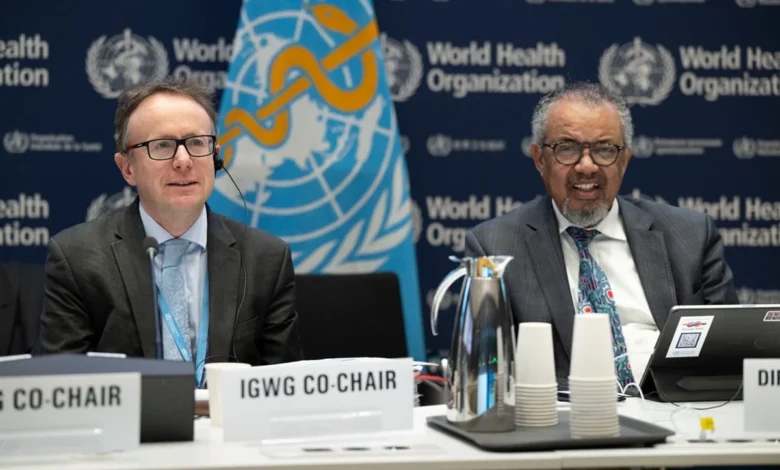
Geneva, Switzerland – World Health Organization (WHO) Member States have reached a crucial consensus to extend the negotiation period for the Pathogen Access and Benefit Sharing (PABS) annex, a cornerstone of the proposed WHO Pandemic Agreement. This decision underscores the commitment of participating nations to solidify global frameworks for pandemic preparedness and response, aiming to address the systemic weaknesses exposed by the COVID-19 pandemic. The extended discussions are slated to resume in late April, preceding their formal consideration at the upcoming World Health Assembly (WHA) in May.
The agreement to continue negotiations from April 27 to May 1, bolstered by preceding informal intersessional discussions, signifies a collective resolve among WHO Member States to finalize this critical component of the broader Pandemic Agreement. This accord, adopted by the World Health Assembly in the previous year, was conceived as a vital instrument to enhance global cooperation, equity, and the robust sharing of resources and knowledge in the face of future public health crises.
Dr. Tedros Adhanom Ghebreyesus, WHO Director-General, emphasized the pivotal role of the PABS annex in his remarks. "The Pathogen Access and Benefit Sharing system lies at the heart of the WHO Pandemic Agreement, and I thank WHO Member States for their commitment to work to bring it to life," he stated. "I urge all delegations to believe in the power of trust – trust in one another, in our institutions, and in our shared ability to transcend differences for the common public good, for solidarity and for equity." This call for trust highlights the delicate diplomatic balance required to forge an agreement that serves the interests of all nations, particularly in the sensitive areas of biological resource access and benefit distribution.
Core Objectives of the PABS Annex
At its core, the PABS annex is designed to establish a dual-pronged system that ensures the swift and transparent sharing of pathogens with pandemic potential. Crucially, it aims to achieve this alongside a fair and equitable distribution of the benefits derived from their subsequent use. These benefits encompass a wide spectrum, including the development and deployment of life-saving vaccines, rapid diagnostic tools, and essential therapeutic treatments. The principle of "equal footing" suggests a commitment to ensuring that no single entity or nation unduly benefits from the genetic resources or biological samples shared, while others are left vulnerable.
Ambassador Tovar da Silva Nunes of Brazil, Co-Chair of the Intergovernmental Negotiating Body (IGWG) Bureau, conveyed the urgency and ambition driving the ongoing deliberations. "Member State negotiators are working intensively towards having an ambitious and equitable Pathogen Access and Benefits Sharing annex ready for adoption at the World Health Assembly in May," he affirmed. This statement reflects the high stakes involved and the concentrated effort being made to bridge remaining divides before the WHA convenes.
Intensified Negotiations and Key Issues
The past week has witnessed particularly intensive negotiations under the auspices of the IGWG, where Member States have grappled with a complex web of interconnected issues. Discussions have delved deeply into fundamental questions regarding the definition and equitable distribution of benefits arising from pathogen sharing. This includes, but is not limited to, how intellectual property rights will be navigated, how financial benefits will be calculated and disbursed, and what mechanisms will be put in place to ensure that low- and middle-income countries have access to the fruits of global scientific collaboration.
Furthermore, the nature of the contractual arrangements that will underpin the PABS system has been a significant point of discussion. Establishing clear, legally binding agreements that govern the sharing of biological samples and the subsequent utilization of derived data and products is paramount. This necessitates addressing issues of data privacy, security, and the potential for misuse of sensitive biological information.
Governance matters have also occupied a central position in the negotiations. The delegates are focused on establishing a robust governance framework that ensures the PABS system operates effectively, transparently, and, most importantly, in the public interest. This implies creating oversight mechanisms, dispute resolution processes, and accountability structures that build confidence and foster compliance among all participating nations.
A Chronicle of Progress and Remaining Challenges
The journey towards a finalized Pandemic Agreement, and specifically the PABS annex, has been a protracted one, marked by a series of intense meetings and evolving diplomatic landscapes. The initial impetus for this comprehensive agreement arose from the stark lessons learned during the COVID-19 pandemic. The global response was characterized by significant inequities in access to vaccines, diagnostics, and personal protective equipment, alongside a fragmented approach to data sharing and surveillance.
The process formally commenced with the establishment of the Intergovernmental Negotiating Body (IGWG) in December 2021. The IGWG was tasked with drafting a new international legal instrument on pandemic prevention, preparedness, and response. Over the subsequent years, the IGWG has convened numerous sessions, both in person and virtually, to deliberate on the various components of the proposed agreement.
Key milestones have included the initial drafting of the zero draft of the Pandemic Agreement, followed by subsequent revised drafts incorporating Member State proposals and concerns. The PABS annex, however, has consistently emerged as one of the most challenging and debated sections, reflecting differing national interests and perspectives on global health equity and the sharing of valuable biological resources.
The current extension of negotiations signals that while significant progress has been made, fundamental disagreements persist on critical aspects of the PABS framework. These may include the precise definition of "equitable benefit sharing," the extent to which access to pathogens should be conditional, and the roles and responsibilities of various stakeholders, including national governments, research institutions, and private sector entities.
Data and Context: The Pandemic Landscape
The urgency for a robust PABS system is underscored by stark global data on pandemic impacts. The COVID-19 pandemic, for instance, resulted in an estimated 6.9 million deaths globally, according to WHO data as of March 2023. The economic toll was equally devastating, with the International Monetary Fund estimating a global economic loss of trillions of dollars. Beyond mortality and economic disruption, the pandemic highlighted profound inequities in healthcare access and response capabilities, particularly between high-income and low- and middle-income countries.
During the COVID-19 pandemic, the rapid sequencing and sharing of the SARS-CoV-2 virus genome by scientists in China in early 2020 was a critical step that enabled global vaccine development. However, the subsequent equitable distribution of these vaccines was fraught with challenges, with high-income countries securing the vast majority of early doses. This disparity fueled debates about global health justice and the need for mechanisms that ensure fair access to pandemic countermeasures. The PABS annex is intended to prevent such inequities from recurring in the future.
Official Responses and International Cooperation
Mr. Matthew Harpur of the United Kingdom, also serving as an IGWG Bureau Co-Chair, expressed his satisfaction with the ongoing commitment to finding common ground. "With less than two months until the World Health Assembly in May, I welcome the commitment shown this week by Member States towards finding consensus on outstanding areas in the Pathogen Access and Benefit Sharing system," he commented. His statement reinforces the view that despite the complexities, the diplomatic will to conclude an agreement remains strong.
The Member States have collectively acknowledged the constructive engagement that has characterized the recent negotiations. However, they have also candidly recognized that additional time is necessary to bridge the remaining differences and finalize the text of the PABS annex. This pragmatic approach, prioritizing thoroughness over haste, aims to ensure that the final outcome is not only legally sound but also effective in achieving its intended goals.
The reaffirmation of commitment to solidarity, multilateralism, and the shared objective of creating a safer and more equitable world in the face of future pandemics serves as a powerful reminder of the collaborative spirit underpinning these complex negotiations. This shared vision is crucial for overcoming national interests and forging a global public good.
Broader Implications for Global Health Security
The successful negotiation and adoption of the PABS annex within the WHO Pandemic Agreement will have far-reaching implications for global health security. A well-designed PABS system has the potential to:
- Accelerate Research and Development: By ensuring timely access to pathogens and equitable benefit sharing, the annex can incentivize collaboration among researchers and institutions worldwide, speeding up the development of diagnostics, therapeutics, and vaccines.
- Promote Global Equity: It aims to correct the historical imbalances in access to critical health resources, ensuring that all nations, regardless of their economic status, have a fair chance to protect their populations during health emergencies.
- Strengthen Surveillance and Early Warning Systems: Facilitating the sharing of pathogen data can enhance global surveillance capabilities, enabling earlier detection and response to emerging infectious threats.
- Build Trust and Solidarity: The process itself, if successful, can foster greater trust and solidarity among nations, reinforcing the understanding that pandemics are a shared global challenge requiring collective action.
- Stabilize Supply Chains: A predictable framework for access and benefit sharing could contribute to more stable and resilient global supply chains for essential medical countermeasures.
Conversely, failure to reach a consensus on the PABS annex, or the adoption of a weakened version, could perpetuate the inequities and fragilities exposed by recent pandemics. This could lead to continued disparities in access to vital health tools, hinder effective global responses, and undermine the very principles of solidarity and equity that the WHO strives to uphold. The coming weeks of negotiation will be critical in determining the future landscape of global health security and the world’s readiness for the next inevitable pandemic.