The Arrival: A 30-Year Retrospective on the Underappreciated Sci-Fi Thriller That Foresaw Our Fascination with the Extraterrestrial

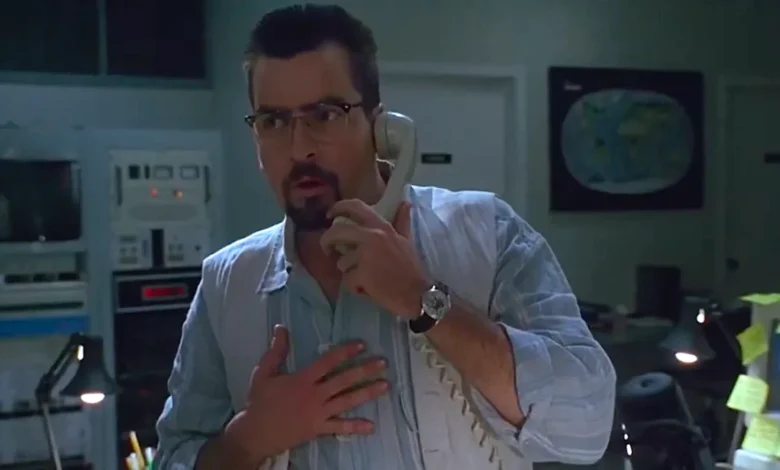
Thirty years ago, on May 31, 1996, Orion Pictures quietly released "The Arrival," a science fiction film that, in retrospect, stands as a surprisingly prescient exploration of humanity’s enduring fascination with extraterrestrial intelligence. While the trope of the dedicated astronomer deciphering alien signals has become a staple of the genre, its cinematic genesis can be firmly traced to this independently produced thriller, which predates blockbuster alien invasion spectacles like "Independence Day" (released just a month later) and the more contemplative first-contact narrative of "Contact" (1997). Directed by veteran screenwriter David Twohy, "The Arrival" has, over the past three decades, steadily earned its reputation as one of the most overlooked and underappreciated science fiction films of its era, a status that feels particularly resonant in an age saturated with discussions of Unidentified Aerial Phenomena (UAP), declassified government footage, and the impending cultural moment of Steven Spielberg’s "Disclosure Day."
A Pioneering Vision in a Crowded Genre
"The Arrival" emerged at a pivotal moment in science fiction cinema. The mid-1990s saw a surge in interest in extraterrestrial themes, fueled by both popular culture and a growing public curiosity about unexplained phenomena. The film’s narrative, which centers on a passionate SETI astronomer’s discovery of a genuine extraterrestrial signal, taps into this zeitgeist with remarkable prescience. Unlike many of its contemporaries that focused on overt alien invasions or grand philosophical dialogues, "The Arrival" presented a more grounded, conspiracy-tinged thriller, exploring the potential societal and governmental reactions to such a monumental discovery.
The film’s quiet release belied its ambitious scope and thematic depth. Directed by David Twohy, a screenwriter known for his work on films like "Waterworld" and later for creating the "Riddick" franchise, "The Arrival" was a departure from the high-octane blockbusters that often dominated the genre. Twohy’s script, co-written with himself, masterfully weaves a tale of scientific discovery, paranoia, and a global cover-up. The performances, particularly from Charlie Sheen as the driven astronomer Zane Zaminsky, Ron Silver as his duplicitous superior, and Lindsay Crouse as the insightful climatologist Ilana Green, elevate the film beyond its modest budget and initial release, imbuing it with a gravitas that has allowed it to endure.
The Narrative Arc: From Signal to Conspiracy
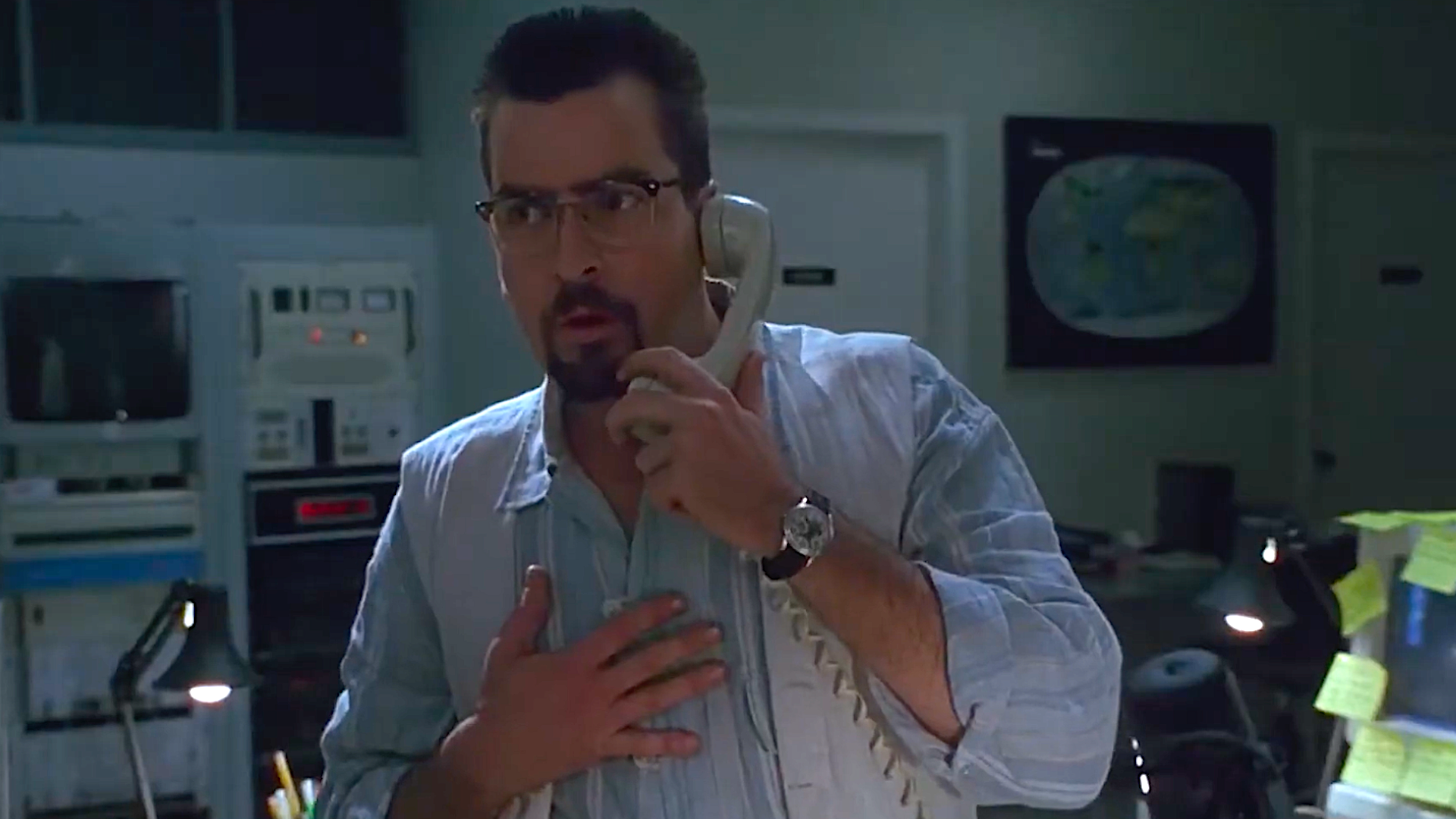
The film’s plot unfolds with a compelling sense of urgency. Zane Zaminsky, portrayed with a convincing blend of intellectual rigor and escalating paranoia by Charlie Sheen, is a dedicated radio astronomer working for the Search for Extraterrestrial Intelligence (SETI) program. His life’s work culminates in the interception of a distinct radio transmission originating from Wolf 336, a star system approximately 14 light-years away. This signal, unlike random cosmic noise, exhibits a structured, intelligent pattern, suggesting a definitive extraterrestrial origin.
Zaminsky’s initial attempts to share his groundbreaking discovery are met with skepticism and outright dismissal. He presents his findings to his supervisor, Phil Gordian (Ron Silver), a man whose polished demeanor masks a pragmatic, perhaps even cynical, outlook. Gordian, representing a more bureaucratic and perhaps fearful establishment, labels Zaminsky’s discovery a misinterpretation and, in a pivotal moment of cinematic narrative, the crucial evidence – the recorded tape of the transmission – is destroyed. This act of suppression immediately shifts the film’s tone from scientific inquiry to a gripping conspiracy thriller.
Finding himself discredited and ostracized, Zaminsky is dismissed from his position. The film expertly portrays the ensuing cover-up, which escalates from professional sabotage to outright threats. Hitmen are dispatched, and a smear campaign is initiated to paint Zaminsky as a desperate individual fabricating signals to maintain his career. Realizing he has stumbled upon a conspiracy of immense proportions, Zaminsky goes on the run. His scientific acumen, however, becomes his greatest asset. He devises a method to relocate the alien signal by connecting neighborhood satellite dishes, creating a makeshift array that amplifies his reception capabilities.
This pursuit leads Zaminsky to a radio station in Central Mexico, a location where the extraterrestrial transmission is being masked by local broadcasting signals. It is here that he encounters Ilana Green (Lindsay Crouse), a climatologist who has independently been investigating anomalies in Earth’s rising temperatures. Green’s research points to a newly constructed power plant in the same region as a potential source of these climatic shifts. The convergence of Zaminsky’s alien signal and Green’s climate research reveals a chilling truth: the power plant is not merely an industrial facility, but a covert base for shape-shifting extraterrestrials. These aliens, it turns out, are actively manipulating Earth’s climate, aiming to transform the planet into a warmer, more hospitable environment for their species.
Visual Storytelling: A Director’s Eye for Detail
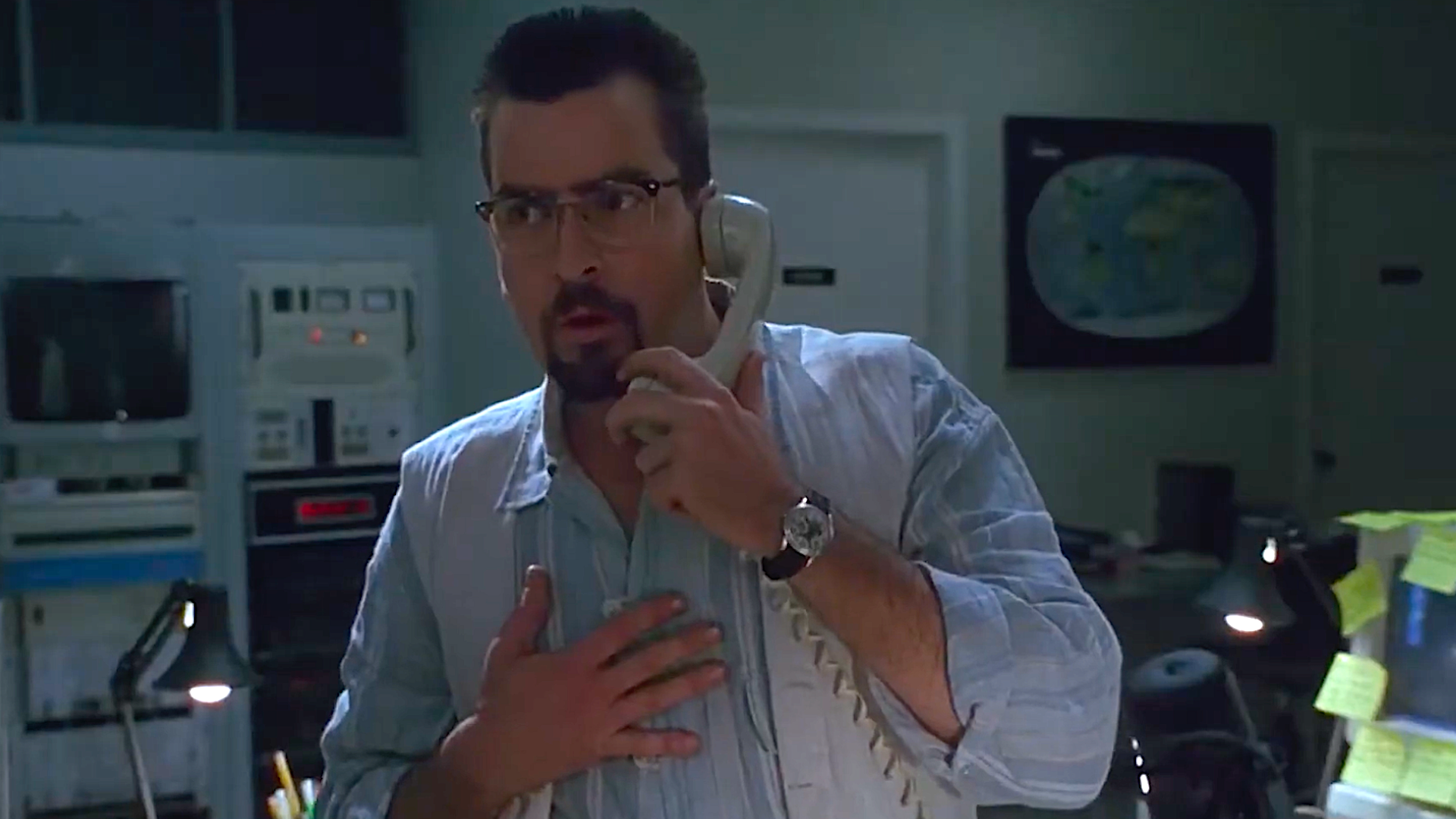
The visual execution of "The Arrival" is a significant contributor to its enduring appeal. The cinematography, helmed by Hiro Narita, brings a grounded, no-nonsense aesthetic to the film. Narita, who had previously served as Director of Photography on notable films like "The Rocketeer" (1991) and "Star Trek VI: The Undiscovered Country" (1991), imbues "The Arrival" with a visual style that anchors the extraordinary events in a believable reality.
Narita’s use of tight, paranoid close-ups effectively conveys Zaminsky’s growing sense of unease and isolation. The film skillfully utilizes vivid splashes of local color, taking full advantage of its location shoots in Southern California and then transitioning to the lush, sometimes disorienting, jungle landscapes of Mexico. This shift in scenery not only enhances the visual dynamism but also mirrors Zaminsky’s journey from the sterile, controlled environment of NASA to the more untamed and mysterious world where the alien presence is actively at work. Even as the narrative delves into the otherworldly, Narita’s cinematography ensures the film remains visually cohesive and compelling.
Pioneering Visual Effects: The Dawn of Digital Animation
The depiction of the alien beings in "The Arrival" was a notable achievement for its time, showcasing the burgeoning capabilities of early computer-generated imagery. The reptilian alien creatures were digitally rendered by Pacific Data Images (PDI), a studio that was at the forefront of visual effects and digital animation in the 1990s. PDI, later acquired by DreamWorks SKG and merged into DreamWorks Animation, was instrumental in the evolution of computer animation, contributing to numerous groundbreaking films alongside Pixar.
The visual effects in "The Arrival," while perhaps appearing less sophisticated by today’s standards, were innovative for 1996 and played a crucial role in bringing the otherworldly antagonists to life. The seamless integration of these digital creations into the live-action footage contributed significantly to the film’s suspense and its unique aesthetic, marking a step forward in the cinematic representation of extraterrestrial life.

The Shadow of Blockbusters and Enduring Relevance
Despite its critical merits and innovative aspects, "The Arrival" faced a significant challenge in its initial release: the looming shadow of much larger, more heavily marketed films. Its domestic box office performance of approximately $14 million against a $25 million production budget was, by Hollywood standards, underwhelming. The overwhelming media saturation surrounding "Independence Day," a much more bombastic and action-oriented alien invasion film, undoubtedly overshadowed "The Arrival," preventing it from reaching a wider audience upon its debut.
However, the film’s thematic concerns have only grown more relevant with time. The narrative’s exploration of a global conspiracy, government cover-ups, and the manipulation of information resonates deeply in an era where distrust in institutions and the proliferation of disinformation are significant societal issues. Furthermore, the film’s depiction of aliens attempting to alter Earth’s climate as a means of conquest provides a prescient commentary on contemporary environmental anxieties. The idea of extraterrestrial intervention not through brute force, but through subtle manipulation of planetary conditions, feels particularly timely.
A Cult Following and Critical Reappraisal
Over the past three decades, "The Arrival" has cultivated a dedicated cult following. Film enthusiasts and critics have increasingly recognized its sophisticated storytelling, intelligent script, and strong performances. Charlie Sheen’s portrayal of Zane Zaminsky has been particularly lauded. His depiction of a scientist on the verge of a world-altering discovery, grappling with disbelief, paranoia, and the threat of powerful forces, is captivating. His look in the film—the goatee, the horn-rimmed glasses, the intense gaze—has even drawn comparisons to Dr. Gordon Freeman, the silent protagonist of the popular "Half-Life" video game series, further cementing Zaminsky’s status as an iconic, albeit niche, sci-fi character.
The film’s ensemble cast, including Ron Silver’s smoothly sinister portrayal of Phil Gordian and Lindsay Crouse’s grounded performance as Ilana Green, provides essential counterpoints to Sheen’s escalating intensity. Their performances contribute to the film’s overall sense of realism, making the extraordinary events feel more plausible and the conspiracy more chilling.
Legacy and Conclusion: A Timely Anniversary
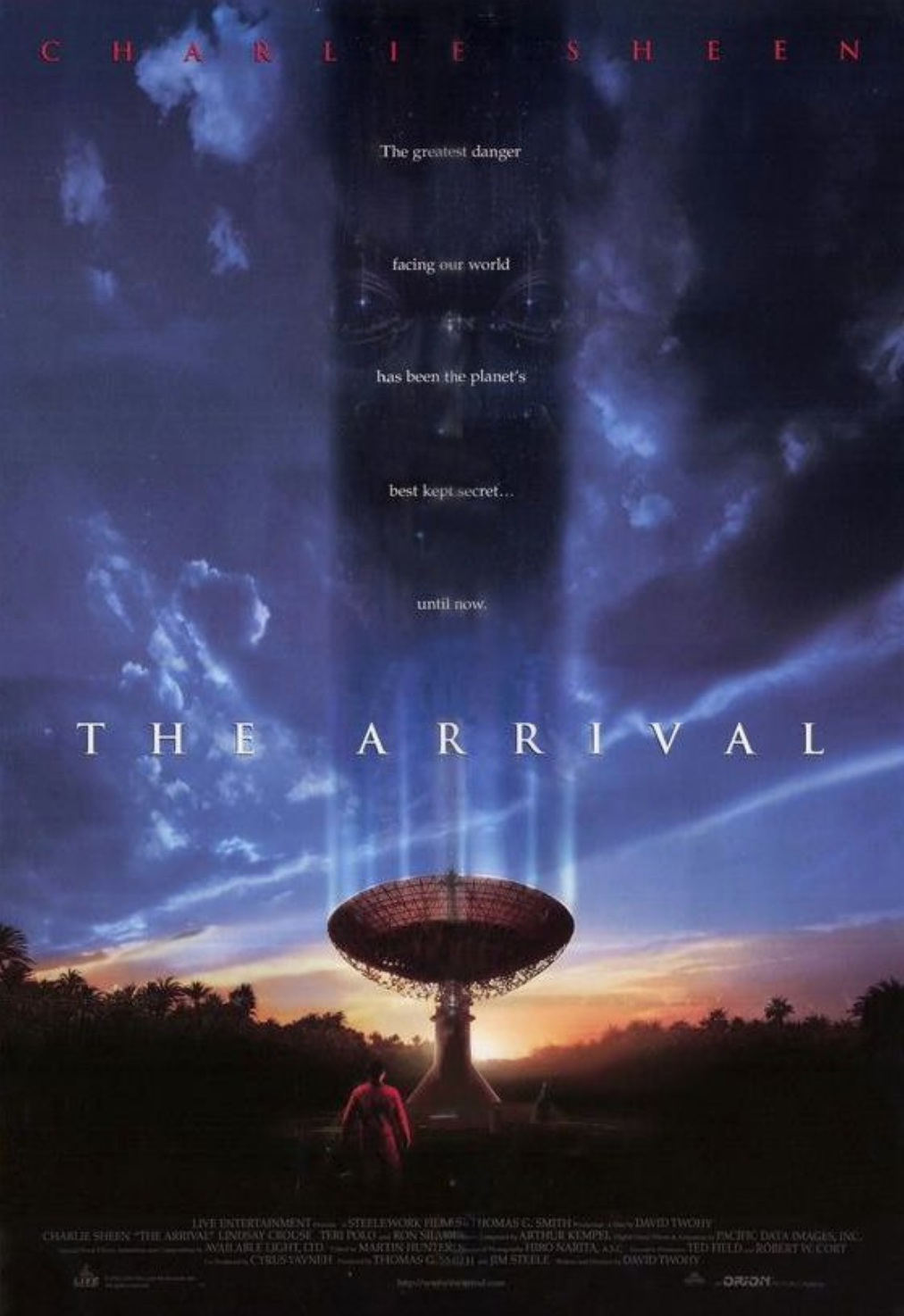
As "The Arrival" marks its 30th anniversary, its enduring relevance is undeniable. It stands as a testament to the power of intelligent, character-driven science fiction that prioritizes ideas and suspense over spectacle alone. The film’s exploration of scientific discovery, the societal implications of contact, and the potential for powerful entities to suppress such monumental truths continue to resonate with audiences.
In an era where the conversation around UAP is shifting from the fringe to mainstream discourse, and governments are increasingly releasing declassified information, "The Arrival" feels less like a relic of the past and more like a prescient warning and a fascinating piece of speculative fiction. Its examination of the human reaction to the unknown, the potential for cover-ups, and the very real possibility that humanity is not alone in the cosmos, makes it a film that continues to reward viewers with its thoughtful narrative and gripping execution.
"The Arrival" is more than just a forgotten sci-fi film; it is a vintage gem that reminds us of our ongoing quest to understand our place in the universe and the complex societal dynamics that might accompany such a profound realization. As we approach significant cultural moments like "Disclosure Day," revisiting "The Arrival" offers a compelling and thought-provoking perspective on the enduring human fascination with the extraterrestrial. It is a film that, 30 years later, still holds up as a gripping, intelligent, and highly recommended cinematic experience.
Related posts: