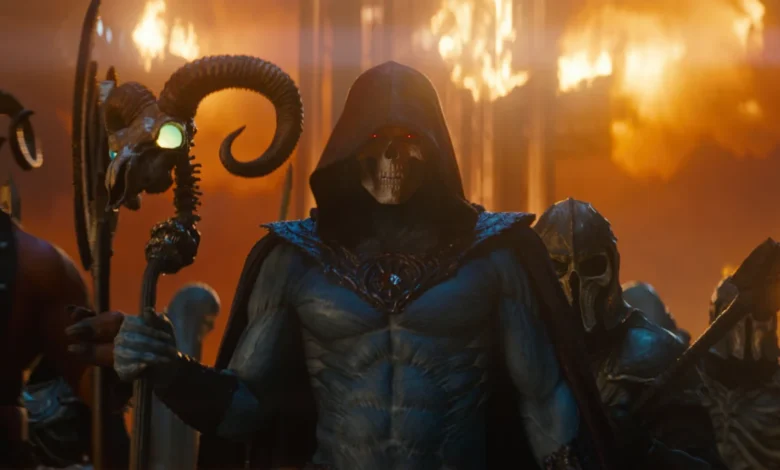
The much-anticipated cinematic return of He-Man and the Masters of the Universe in director Travis Knight’s ambitious new film has not only captivated audiences with its epic narrative and vibrant world-building but also by its stunning visual realization of iconic characters. At the forefront of this visual spectacle is the transformative portrayal of Skeletor, brought to life by Jared Leto. Behind this chilling metamorphosis lies the groundbreaking work of Emmy Award-winning special effects makeup artist Barrie Gower and his dedicated BGFX team, whose previous contributions to such acclaimed projects as "Stranger Things," "Game of Thrones," and "The Last of Us" have solidified their reputation as masters of creature design and prosthetic artistry.
Barrie Gower, a luminary in the field of special effects makeup, revealed in an exclusive interview that the journey to bring "Masters of the Universe" to the screen began years prior, with initial contact made around 2018 or 2019. The project, at that time, was under different creative direction and studio ownership, helmed by the Nee Brothers, who co-wrote the screenplay for this latest iteration. The path to production was evidently a winding one, with the film changing studios multiple times before finding its current home and creative team. Gower emphasized that the timing of their eventual re-engagement with the project was fortuitous, coinciding with the arrival of director Travis Knight.
Knight’s vision for "Masters of the Universe" marked a significant departure from earlier concepts. While initial plans leaned towards a highly technological and sleek aesthetic reminiscent of Marvel’s cinematic universe, Knight, a fervent admirer of the original 1980s "He-Man" cartoon, toy line, and the broader franchise, championed a more faithful and character-driven approach. His profound passion and dedication to honoring the legacy of He-Man were instrumental in shaping the film’s artistic direction. This reverence for the source material translated into a strong emphasis on practical effects, a methodology that deeply resonated with Gower and his team. Knight’s background with Laika Studios, renowned for its masterful stop-motion animation and practical effects, undoubtedly informed his preference for tangible, in-camera artistry.
The Genesis of Skeletor: A Fusion of Practical and Digital Magic
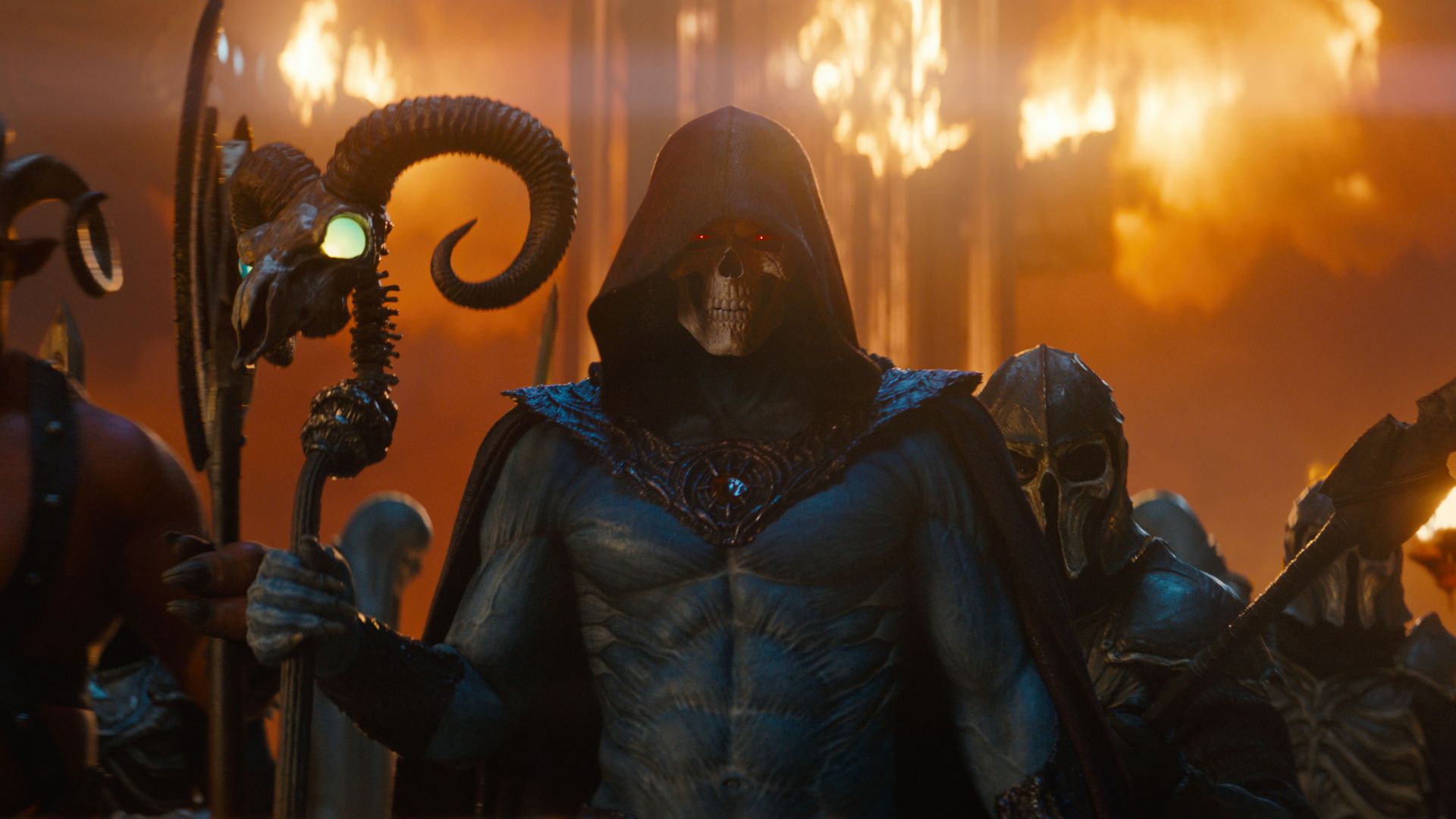
The challenge of transforming Jared Leto into the menacing Skeletor was a monumental undertaking, requiring a delicate balance between practical effects and cutting-edge digital augmentation. Gower detailed the initial discussions about Skeletor’s appearance, which initially considered a decorative golden mask with underlying disfigured makeup. However, Knight’s resolute vision was to fully realize Skeletor as the iconic skull-faced, blue-skinned antagonist from the beloved franchise. This directive set the stage for a sophisticated hybrid approach.
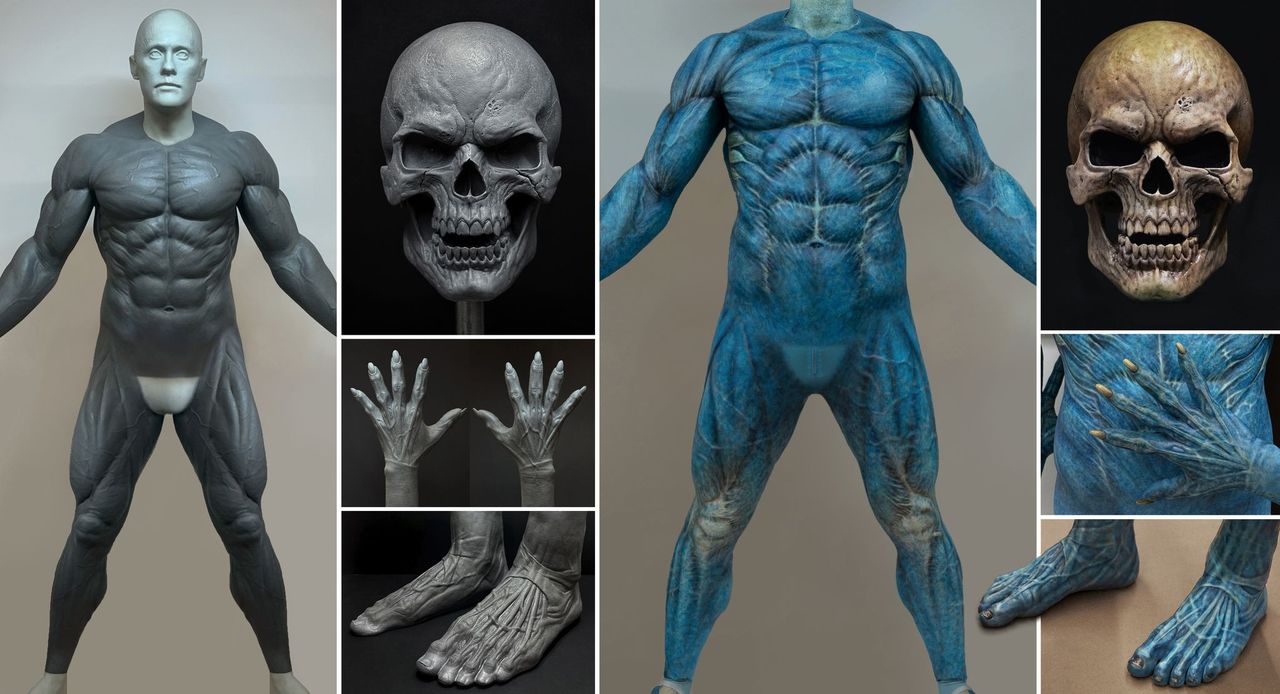
"He was set on the idea of creating a practical muscle suit for Jared, and his head would be animated digitally," Gower explained. This dual strategy allowed for the tangible presence of a powerful, physically imposing Skeletor while enabling the fluid and expressive animation of his skull face. The process involved creating a highly detailed 3D scan of Leto’s head, which was then digitally manipulated and sculpted to form a classic skull, adhering closely to the established concept art. This digital asset was then shared with the visual effects department, serving as a crucial reference for animating the character’s facial movements and expressions.
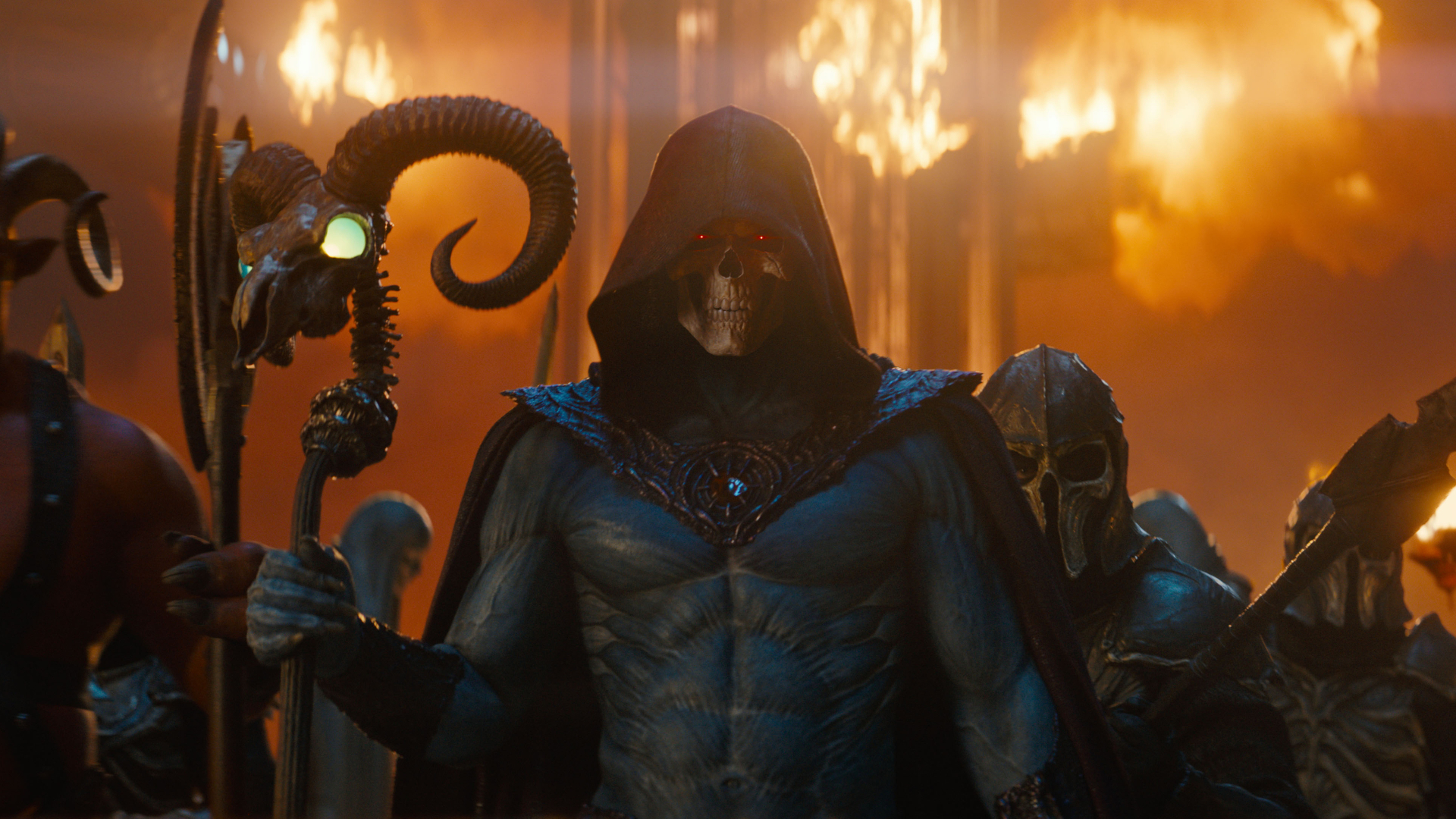
The construction of Skeletor’s formidable blue muscle suit was a complex and time-consuming endeavor. Gower’s team meticulously sculpted exaggerated muscle tones, drawing inspiration from Jared Leto’s own physique while ensuring anatomical accuracy. The initial material considerations involved silicone, a popular choice in prosthetics for its lifelike translucency. However, the density and weight of silicone presented a significant challenge, potentially burdening Leto with excessive pounds of material. The BGFX team conducted extensive research and development, exploring various material options. Faced with tight production deadlines, they ultimately reverted to foam latex, a lighter and more manageable alternative that still allowed for the desired aesthetic and flexibility.
Crafting the Iconic Blue Hue and Beyond
The iconic blue skin of Skeletor was achieved through a sophisticated paint scheme applied over the foam latex suit. Gower’s team experimented with numerous testing and paint applications to perfect the character’s signature coloration. The final ensemble for Jared Leto comprised the intricately crafted foam latex muscle suit, supplemented by skeletal silicone gloves that seamlessly fit over his hands, a foam latex collar, and a meticulously fabricated hood by the costume department. This layered approach ensured that every aspect of Skeletor’s appearance contributed to his terrifying and imposing presence.
The logistical challenges of applying such elaborate prosthetics were considerable. Gower recounted a particularly tense January morning when Leto arrived at a hotel near London for a fitting. With a limited window before filming commenced, the team was anxious to ensure a smooth and efficient application process. Fortunately, Leto proved to be a remarkably cooperative and good-natured collaborator. The initial fitting went exceptionally well, requiring only minor adjustments. A dedicated small team was assigned to assist Leto with his suit daily. While typical full-body prosthetic applications can take seven to eight hours, the BGFX team managed to get Leto into his Skeletor suit in approximately 15 minutes on set, a testament to their efficiency and expertise. Gower fondly recalled Leto’s "charismatic presence" and his contributions to a lively and enjoyable set atmosphere.
A Pantheon of Monstrosities: Gower’s Diverse Contributions
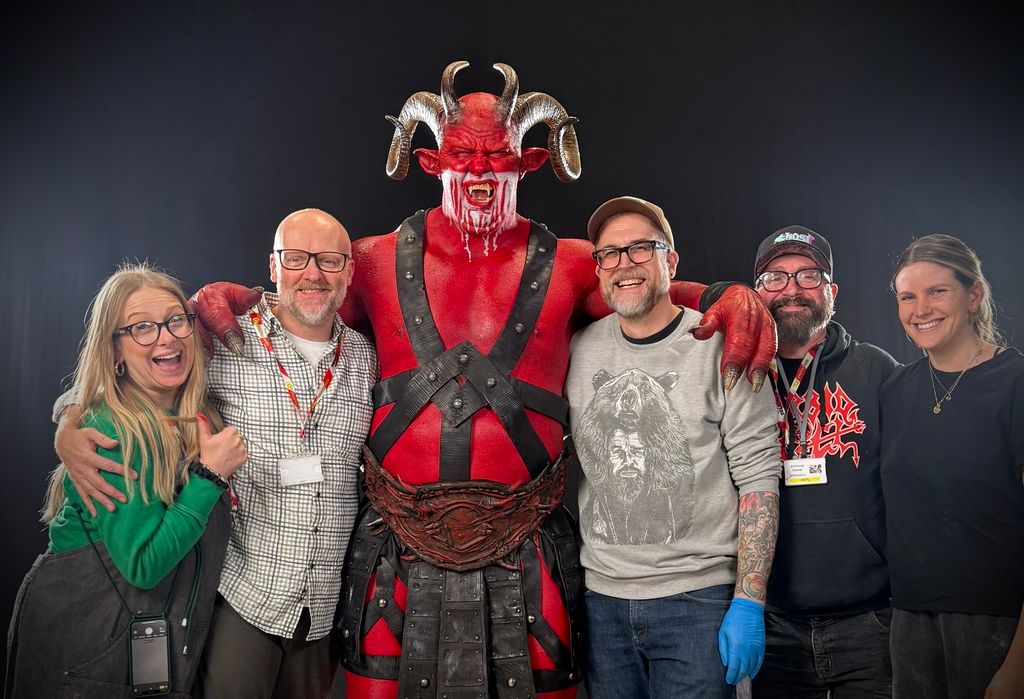
Skeletor was not the sole recipient of Gower’s prodigious talent. The film boasts a rich tapestry of fantastical creatures and henchmen, each demanding unique and inventive prosthetic and makeup solutions. From the spiky menace of Spikor to the earthy presence of Moss Man, and the more grotesque iterations like Goat Man and Trap Jaw, Gower’s BGFX team was instrumental in bringing this entire menagerie to life. The complexity of these designs necessitated a highly skilled and adaptable crew, capable of executing a wide range of prosthetic applications.
One notable example highlighted in the accompanying visuals is the creation of "Goat Man," a character requiring significant prosthetic work. Images showcase the intensive process of makeup artists meticulously applying and refining the creature’s design, underscoring the hands-on craftsmanship involved. Similarly, images of "Spikor" demonstrate the detailed construction and application of prosthetics to transform actors into these memorable figures. The close collaboration between the makeup artists and the actors, such as Hapthor Bjornson as Goat Man and James Apps as Spikor, was crucial in achieving believable and impactful performances.
The Evolving Landscape of Special Effects in Film
The production of "Masters of the Universe" reflects a broader trend in contemporary filmmaking: the sophisticated integration of practical and digital effects. While CGI has revolutionized visual storytelling, the enduring power of practical effects lies in their tangible presence and ability to ground performances. Gower’s work consistently champions this synergy, leveraging the strengths of both disciplines to create characters that are both visually stunning and emotionally resonant.
The success of Gower’s approach can be further contextualized by the sheer volume of work involved in a film of this scale. The creation of multiple complex characters, each requiring bespoke designs and extensive application, represents a significant investment in talent and resources. The estimated $200 million budget for the film likely allocated a substantial portion to the visual effects and creature design departments, a testament to the importance of these elements in bringing such a beloved fantasy world to the big screen.
Broader Implications and Audience Reception
The intricate artistry behind Skeletor and the other creatures in "Masters of the Universe" not only enhances the film’s visual appeal but also plays a crucial role in audience immersion. The ability to suspend disbelief and connect with fantastical characters often hinges on the believability of their physical forms. Gower’s meticulous attention to detail, from the anatomical accuracy of muscle suits to the nuanced textures and paintwork of prosthetic appliances, contributes significantly to this believability.
The film’s reception, while varied, has frequently highlighted its visual spectacle and character designs. The dedication of artists like Barrie Gower and his team has been a cornerstone of this achievement, transforming beloved, often abstract, cartoon characters into tangible, formidable beings. This commitment to practical artistry, even in an era dominated by digital innovation, speaks to its timeless value in cinematic storytelling. The "Masters of the Universe" project stands as a compelling example of how a deep understanding of character, combined with exceptional technical skill, can breathe life into even the most iconic and challenging of creations, ensuring their continued legacy for a new generation of fans.
Related posts: