The ZWO Seestar S30 Pro represents a significant leap forward in making deep-sky astrophotography accessible to a wider audience. This compact, self-contained unit seamlessly integrates a refractor telescope, a motorized mount, dual cameras, and sophisticated image-processing software into a portable package that can easily fit into a camera bag. Its primary function is to simplify the often complex and time-consuming process of capturing detailed images of galaxies, nebulae, and star clusters, making it a compelling option for both novice enthusiasts and seasoned astrophotographers seeking a convenient imaging solution.
Revolutionizing Urban Astronomy and Astrophotography
Smart telescopes, with the ZWO Seestar S30 Pro leading the charge, are fundamentally reshaping the landscape of astrophotography and, by extension, urban astronomy. For years, capturing detailed images of celestial objects required substantial investment in specialized equipment, extensive knowledge of telescope operation, and often, travel to dark-sky locations to escape light pollution. The Seestar S30 Pro dismantles these barriers by offering an all-in-one, automated system controllable entirely from a smartphone. Within minutes of powering on, the device can autonomously align itself with the night sky, navigate to a chosen celestial target, and commence stacking multiple exposures. This process, performed in real-time on a connected smartphone, gradually reveals intricate details of distant galaxies, ethereal nebulae, and dazzling star clusters, even from the challenging environments of light-polluted cities.
This innovative approach transforms the traditional observational experience. Instead of peering through an eyepiece and struggling to discern faint celestial objects with the naked eye, users watch as a digital image progressively builds on their screen. This method is particularly advantageous for urban astronomers, who are often unable to observe such faint deep-sky objects with conventional optical telescopes due to pervasive light pollution. The Seestar S30 Pro effectively bypasses these limitations by digitally enhancing the captured light, presenting details that would otherwise remain hidden.
Design and Portability: A Key Advantage
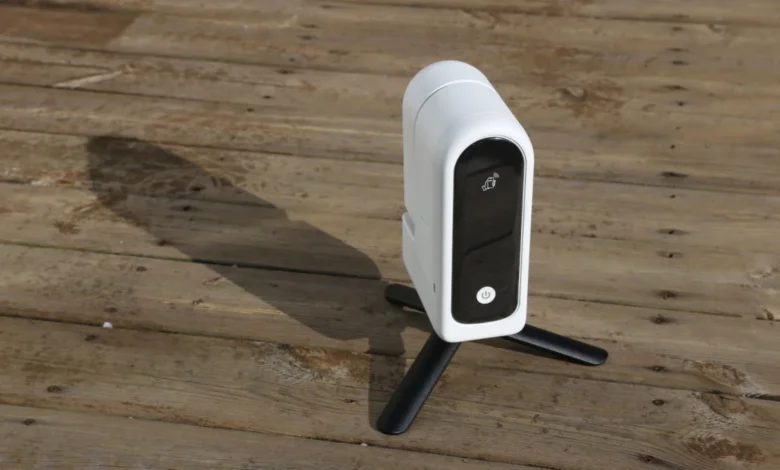
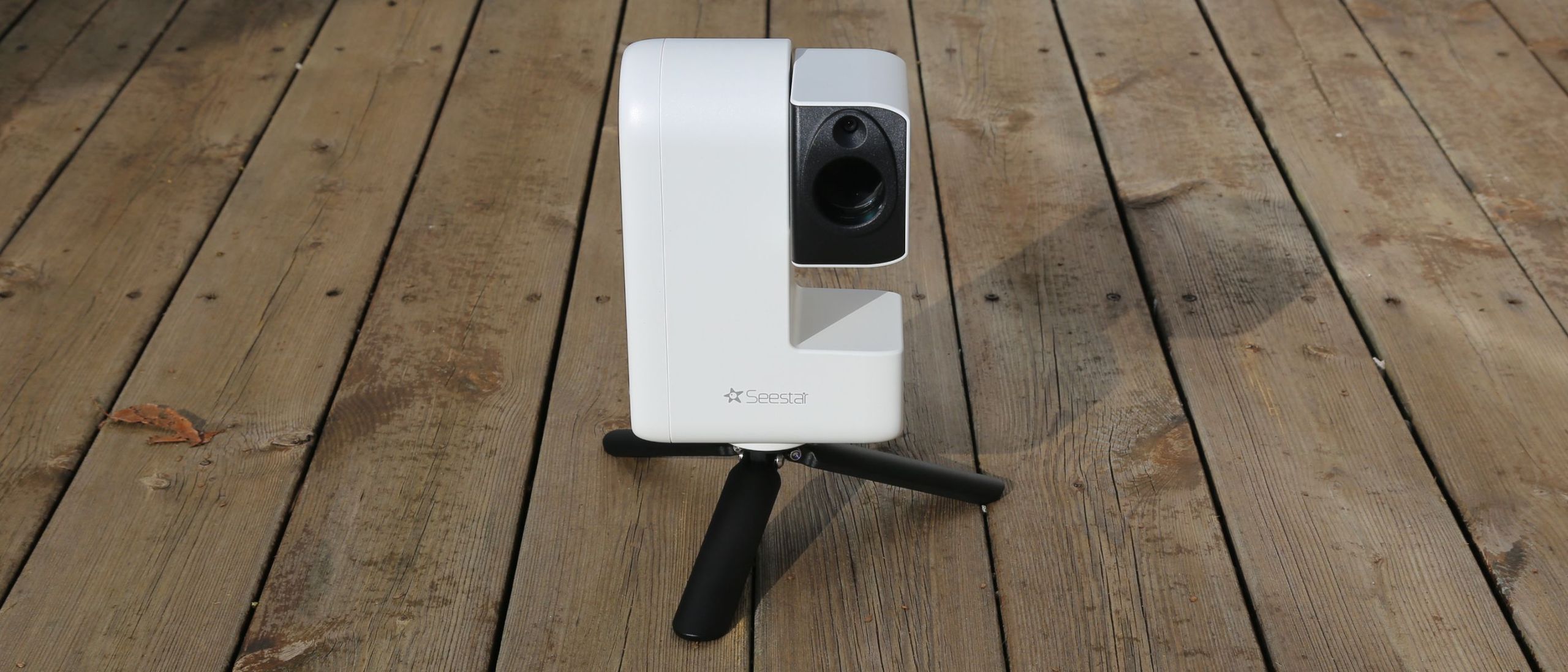
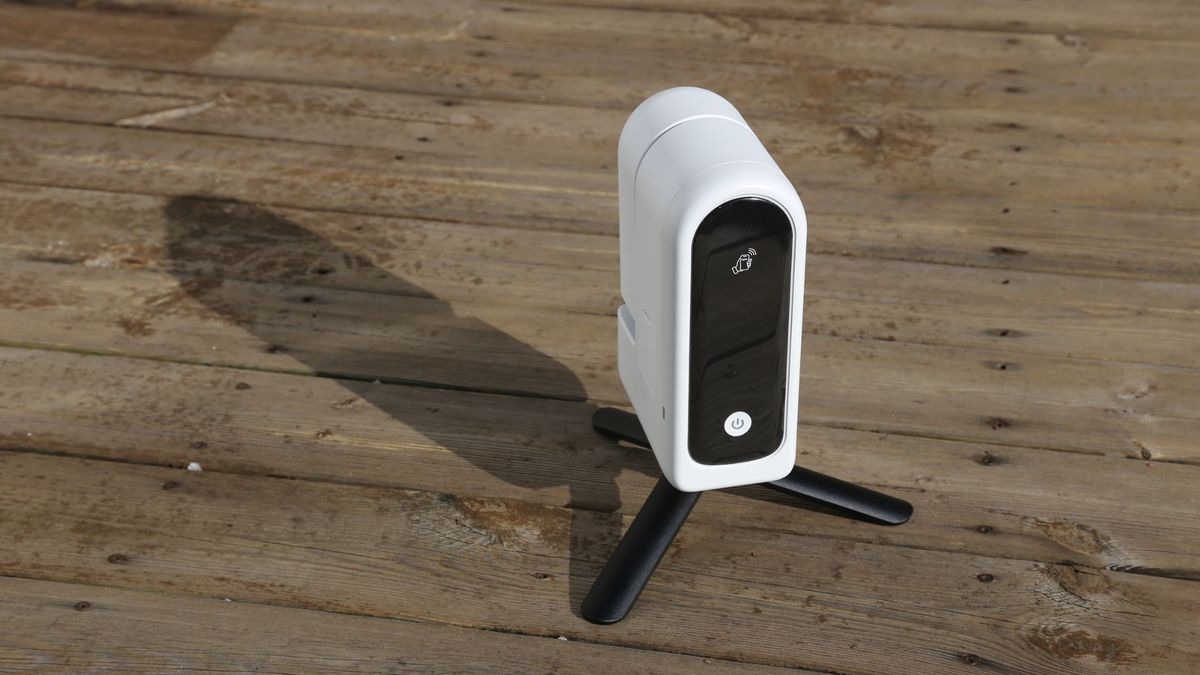
The design of the Seestar S30 Pro is a testament to its focus on portability and ease of use. At first glance, it bears little resemblance to a traditional telescope. Its compact form factor, comparable to a telephoto lens, makes it exceptionally transportable. This is a critical feature for individuals who wish to take their astrophotography on the go, whether it’s to a backyard, a balcony, or a remote dark-sky site. The possibility of carrying it as hand luggage on international trips, perhaps to witness a solar eclipse in a distant location, further underscores its travel-friendly nature.
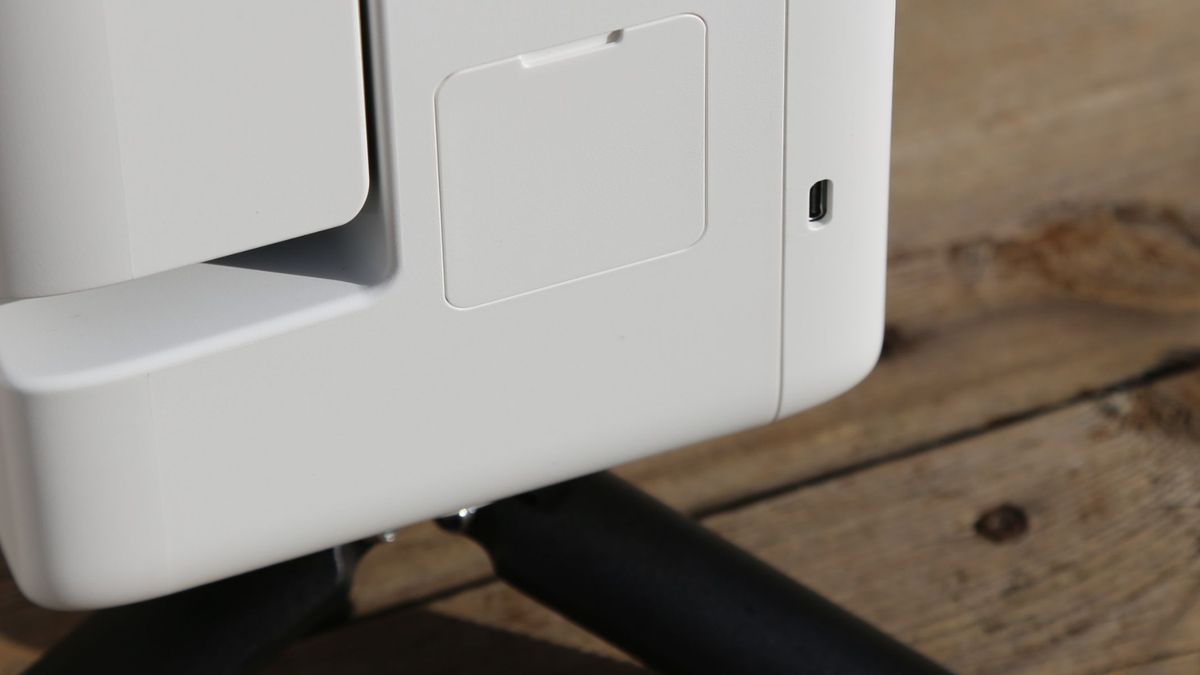
The device boasts a minimalist aesthetic, featuring only a power button and a USB-C port for connectivity. All operational aspects, from slewing and focusing to image capture and processing, are managed through the dedicated Seestar application. Once connected to a smartphone via its integrated Wi-Fi network, the Seestar S30 Pro functions entirely offline, eliminating the need for external internet access in the field. This self-sufficiency enhances its utility in remote observing locations.
Specifications at a Glance:
- Optical Design: Quadruplet apochromatic refractor with ED glass for superior color correction.
- Aperture: 30mm (1.18 inches)
- Focal Length: 160mm (6.3 inches)
- Focal Ratio: f/5.3
- Primary Sensor (Telephoto): Sony IMX585
- Secondary Sensor (Wide-Angle): Sony IMX586
- Resolution: 8.3 Megapixels (3,840 x 2,160 pixels)
- Field of View: 4.6 degrees (telephoto), 63 degrees (wide-angle)
- Mount Type: Alt-azimuth with support for Equatorial (EQ) mode.
- Internal Storage: 128GB
- Battery Life: Approximately 6 hours from a 6000 mAh internal battery.
- Weight: 3.6 lbs (1.65 kg)
- Dimensions: 8.25 x 5.5 x 3.15 inches (210 x 140 x 80 mm)
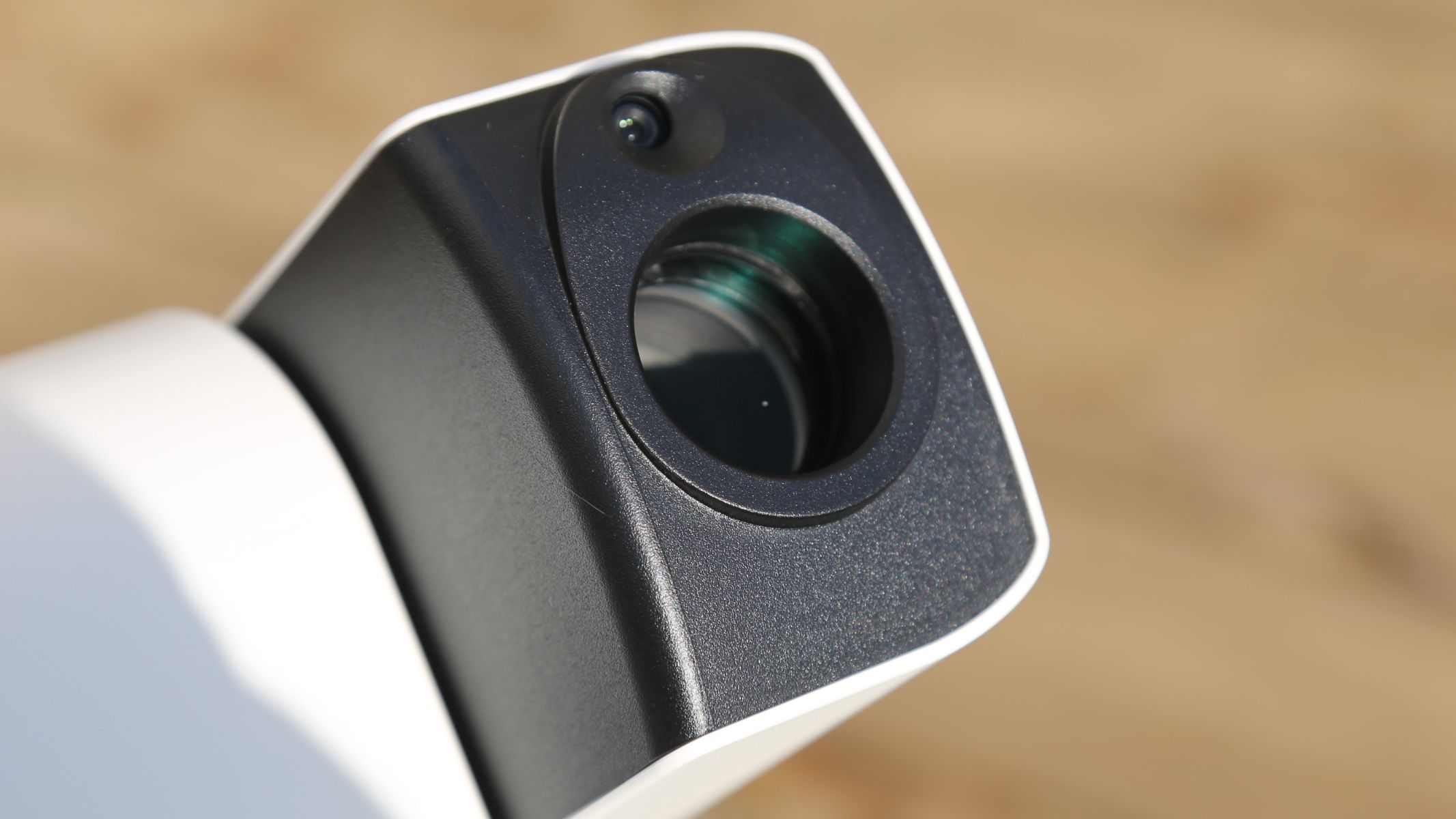
A standout feature of the Seestar S30 Pro is its dual-camera system. The primary telephoto camera, equipped with a Sony IMX585 sensor, is engineered for high-resolution deep-sky imaging, capable of producing 8.3MP (4K) images. Complementing this is a secondary wide-angle camera, utilizing a Sony IMX586 sensor, which plays a crucial role in sky alignment and facilitating wide-field imaging modes.
The included tabletop tripod is functional for basic setup, but for users in environments with obstructions like buildings or trees, upgrading to a full-sized photographic tripod is highly recommended. The telescope also comes with a well-made, padded shoulder bag, ensuring secure storage and easy transport of the instrument and its accessories.
Performance: Bringing the Cosmos into Focus
The operational paradigm of the Seestar S30 Pro shifts the user’s role from manual telescope operator to app-based observer and director. Upon powering up and establishing a Wi-Fi connection to a smartphone, the telescope automatically performs plate-solving to identify stars in its field of view. This allows it to accurately determine its position and orientation in the sky before slewing to a pre-selected target.
Once the target is acquired, the Seestar S30 Pro begins capturing a series of short exposures, typically around 10 seconds each. These individual frames are then stacked in real-time by the onboard software. This stacking process is fundamental to astrophotography, as it significantly reduces image noise and enhances the faint details of celestial objects. A key benefit of the system’s intelligent processing is its ability to automatically discard substandard frames affected by tracking errors, wind vibrations, or star trailing, thereby optimizing the quality of the final stacked image.
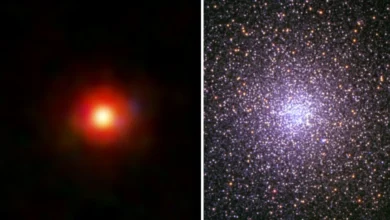
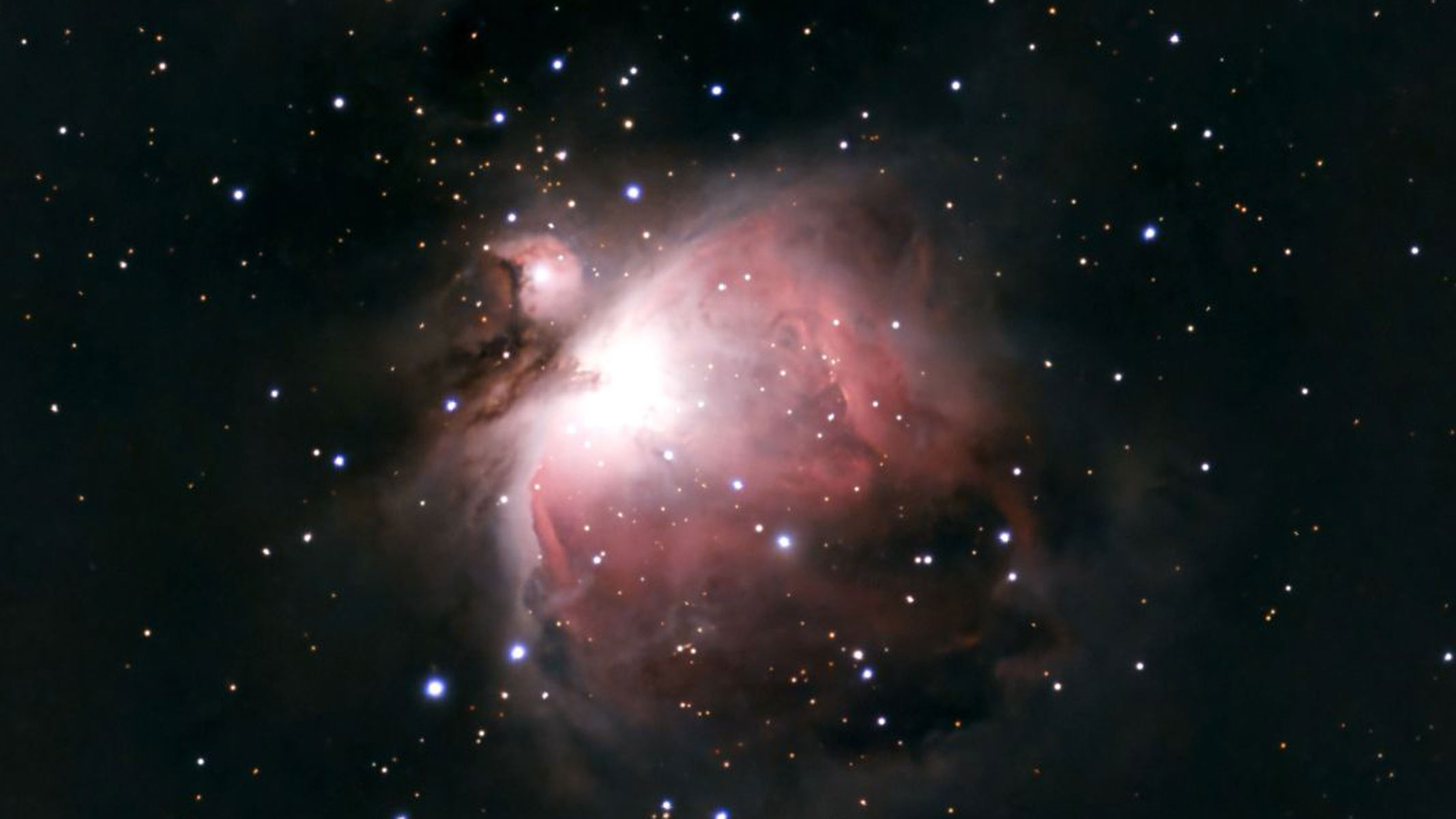
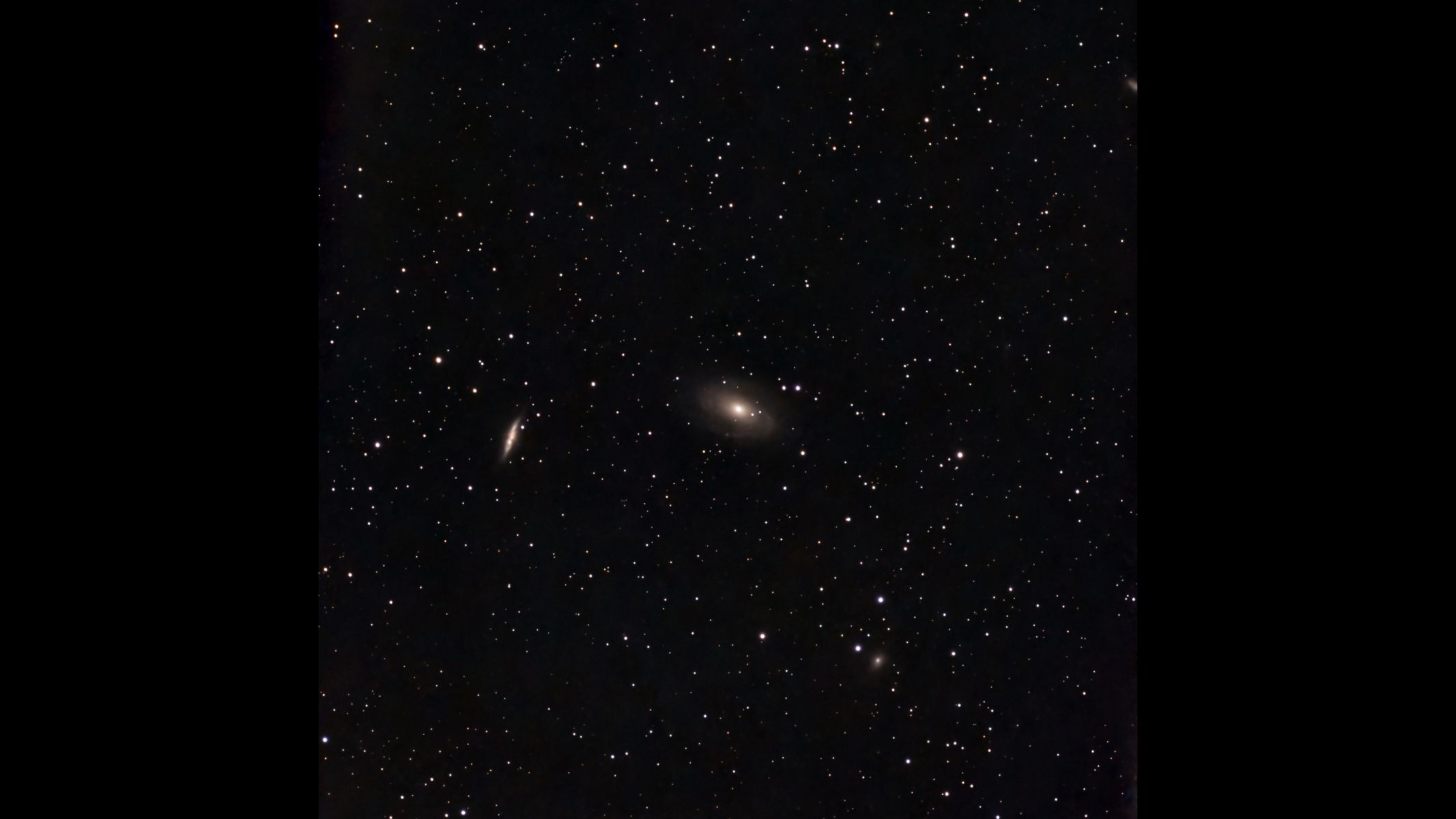
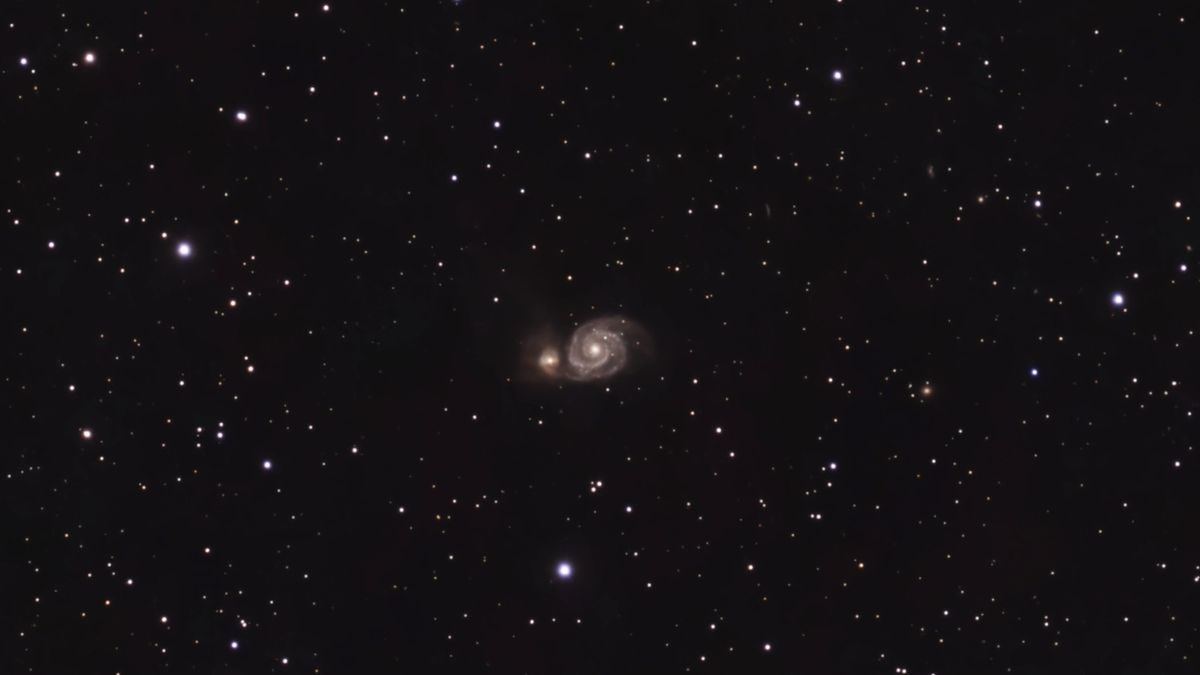
The visual impact of this stacking process is gradual and captivating. A seemingly blank patch of sky slowly transforms into a discernible nebula or a distant galaxy as more data is accumulated. The longer the telescope is left to image, the more refined and detailed the final output becomes, revealing subtle nebulosity and the delicate spiral arms of galaxies. The stars in the captured images remain sharp and well-defined, a testament to the excellent quality of the Seestar S30 Pro’s optics, despite their compact size. During testing, the instrument produced impressive images of prominent deep-sky targets such as the Orion Nebula (M42), Bode’s Galaxy (M81) and the Cigar Galaxy (M82), the Whirlpool Galaxy (M51), and the Great Globular Cluster in Hercules (M13).
The effectiveness of image stacking is particularly pronounced when observing from light-polluted urban skies. By accumulating and processing multiple exposures, the Seestar S30 Pro can reveal deep-sky objects with a clarity that would be impossible through the eyepiece of a conventional optical telescope under such conditions.
Enhanced Imaging with Equatorial (EQ) Mode
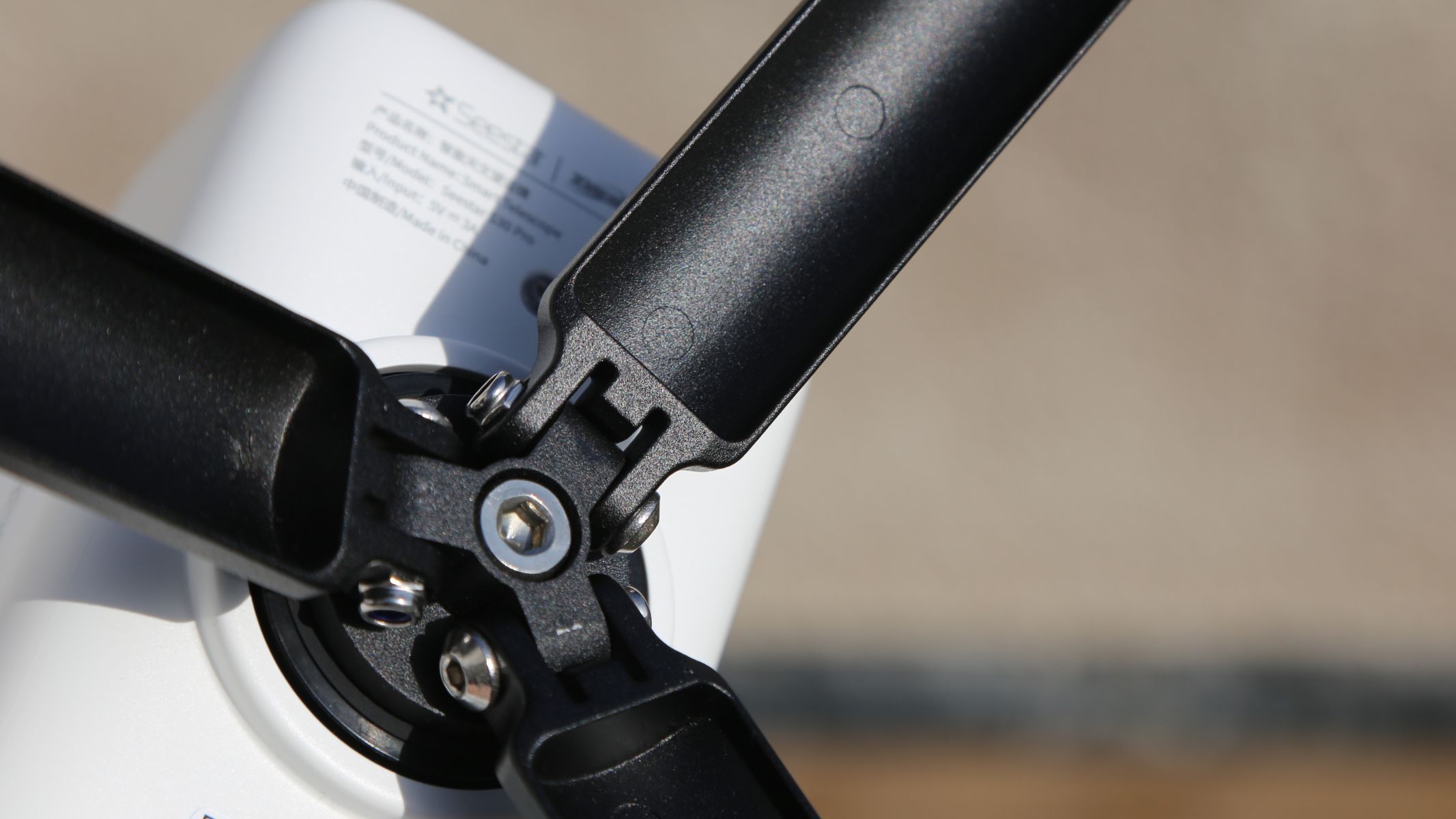
For users seeking to push the boundaries of image quality and capture fainter, more distant objects, the Seestar S30 Pro offers an all-new Equatorial (EQ) mode. This advanced tracking capability, which counteracts Earth’s rotation more effectively than standard alt-azimuth mounts, is crucial for longer exposures. However, to enable EQ mode, users must acquire the optional Seestar TH10 Fluid Tripod Head. The setup process for this accessory is streamlined, guided by an in-app procedure that assists in precisely aligning the tripod and ball head with Earth’s axis.
When Expert Mode is activated in conjunction with the EQ mount, the telescope can achieve exposure times of up to 60 seconds. This extended exposure capability was tested on challenging targets like the Whirlpool Galaxy (M51) and the Great Globular Cluster in Hercules (M13), yielding significantly greater levels of detail and faint structure compared to observations in standard alt-azimuth mode.
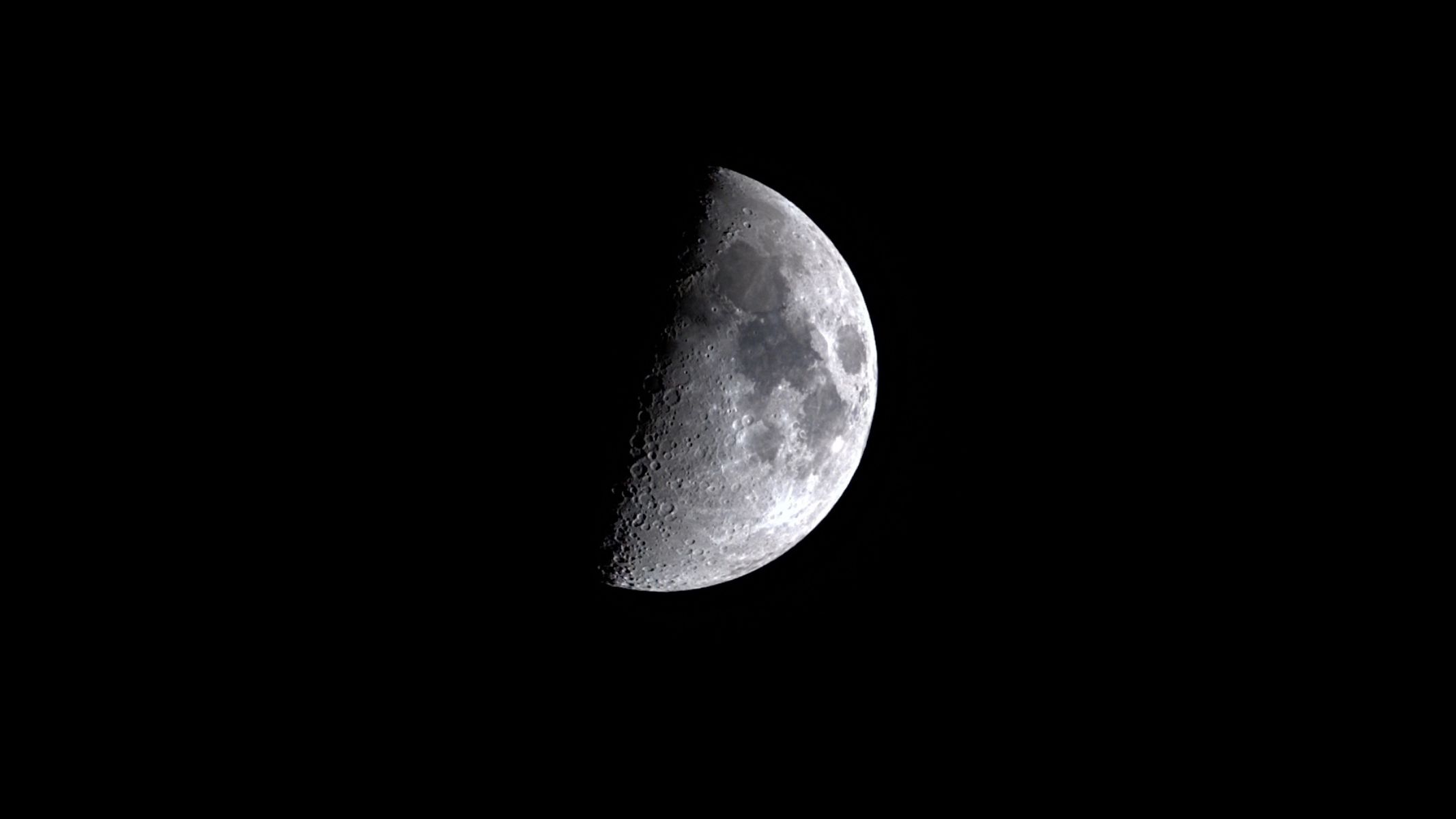
While the Seestar S30 Pro excels at deep-sky imaging, its performance with planetary objects is less remarkable. Planets appear relatively small in the captured images and lack the fine detail often desired for planetary observation. However, the telescope does demonstrate proficiency in imaging the Moon, producing stunning results. This suggests a clear optimization towards capturing faint, extended deep-sky objects rather than bright, compact solar system bodies, with the exception of the Moon.
Comprehensive Functionality Through the Seestar App
The Seestar application is the nerve center of the S30 Pro experience, serving as both the control interface and the image processing hub. Its intuitive design features a planetarium-style sky atlas, which displays celestial objects currently visible from the user’s location. Selecting a target initiates an automated sequence of alignment, slewing, and image capture.
During the imaging process, the app provides real-time feedback on the session’s progress, including the number of exposures taken and the total integrated exposure time. Users have the flexibility to terminate an imaging session at any point or continue it to achieve deeper results. The telescope’s ability to operate largely autonomously allows for unattended observing sessions, enabling users to review their captures at a later time.
Beyond basic operation, the app introduces advanced functionalities. "Plan mode" allows users to schedule a series of targets for overnight imaging. This feature is invaluable for capturing objects that may rise late in the night or for maximizing observing time by capturing multiple targets without manual intervention. While Plan mode offers convenience, it does have limitations: users cannot fine-tune exposure times or gain settings for individual targets, relying instead on default parameters. Nevertheless, for the majority of users, this flexibility will not be a significant deterrent.
For those interested in further refining their astronomical images, the Seestar S30 Pro supports the export of FITS files. This standard astronomical data format allows for advanced post-processing in specialized software such as Siril, PixInsight, DeepSkyStacker, or Adobe Photoshop. However, it is worth noting that the telescope’s 128GB internal storage may require frequent attention for users who engage in extensive FITS file export. Alternatively, the app’s integrated Deep Sky Stack offers a more immediate processing solution, enabling users to discard frames and utilize an AI Denoise pipeline for efficient and high-quality results with minimal manual effort.
Testing Methodology: Real-World Conditions
The ZWO Seestar S30 Pro was subjected to rigorous testing over multiple nights during the late winter and early spring seasons. Observations were conducted under suburban Bortle 6 skies, with ambient temperatures ranging from cold to moderately freezing. The instrument also performed admirably under Bortle 2 skies in sub-zero conditions, with no discernible impact on its advertised 6-hour battery life. The testing protocol involved imaging a diverse array of deep-sky objects, with imaging sessions varying in duration from brief captures to integrations extending for several hours. Both the standard alt-azimuth mode and the enhanced Equatorial (EQ) mode were thoroughly evaluated.
Conclusion: Is the ZWO Seestar S30 Pro Right for You?
The ZWO Seestar S30 Pro is best understood not as a traditional telescope, but as a highly integrated, automated astrophotography system engineered for accessibility. It represents an evolution from its predecessor, the ZWO Seestar S30, offering enhanced resolution and advanced features that may justify the price difference for specific users.
Purchase this device if:
- You seek an effortless and automated entry into astrophotography: The S30 Pro’s user-friendly interface and robust automation make it exceptionally easy to use and highly portable, without compromising optical quality.
- You observe from light-polluted locations: Its built-in image processing and stacking capabilities enable the resolution of fine details on deep-sky objects, even when observing from urban environments with significant light pollution.
Do not purchase this device if:
- You desire full manual control over imaging parameters: While the Pro version offers Equatorial (EQ) imaging mode and specific modes for the Milky Way and wide-field stitching, it lacks the ability to fine-tune custom exposure times and gain settings, which advanced users may find limiting.
- Your primary interest is planetary observation: The S30 Pro can image planets, but the results are less impressive compared to its deep-sky imagery. The telescope is clearly optimized for capturing faint, extended celestial objects.
For beginners, the Seestar S30 Pro provides a clear and unencumbered pathway into the world of astrophotography, bypassing the steep learning curves and significant financial investments typically associated with the hobby. For more experienced astrophotographers, it serves as an efficient and convenient "grab-and-go" system for casual or supplementary imaging pursuits.
Alternatives to Consider
Should the ZWO Seestar S30 Pro not perfectly align with your needs, several alternative options exist. For those seeking a more budget-friendly entry point into automated astrophotography, the original ZWO Seestar S30 offers similar ease of use and portability, albeit with a lower 2MP resolution and fewer advanced features. It remains a strong contender for individuals primarily interested in producing shareable images with minimal fuss.
The DwarfLab Dwarf Mini presents an even more compact and portable option, though it is limited to 2MP imaging. At the higher end of the market, the Unistellar Odyssey stands out as a premium smart telescope, boasting larger apertures and access to citizen science campaigns, though at a significantly higher price point.
For a comprehensive overview of the leading smart telescopes available, consult our guide to the best smart telescopes.
Related posts: