Airbnb Unveils Major Fall Release Featuring Interactive Travel Maps, Conversational AI Search, and Expanded Concierge Services

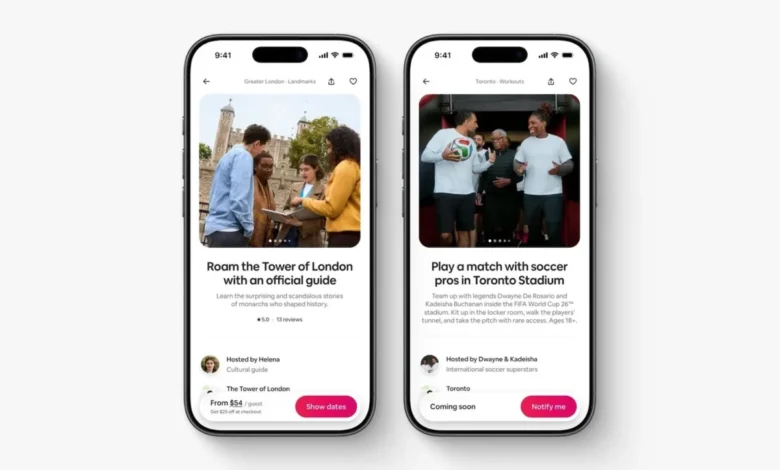
The global vacation rental landscape is undergoing a significant transformation as Airbnb announces its comprehensive Fall Release, introducing a suite of features designed to blend social networking, artificial intelligence, and hyper-localized guest services. Unveiled as part of the platform’s ongoing strategy to redefine modern travel planning, the update marks one of the most substantial technological and experiential overhauls in the company’s recent history. By integrating social proof mechanisms directly from trusted circles and embedding advanced machine learning throughout the end-to-end booking journey, Airbnb aims to capture a larger share of the evolving travel market, where consumers increasingly demand personalized, seamless, and frictionless trip curation.
The core of the new social layer centers on the interactive Travel Map, a feature intended to move travel discovery away from anonymous online reviews and toward recommendations derived from personal networks. Travelers can now invite family, friends, and past travel companions to connect within the application, while algorithmic suggestions facilitate connections based on historical shared itineraries. Once linked, users gain visibility into their contacts’ past stays via a dedicated map interface. This tool highlights specific properties where connections have stayed, experiences and local services they utilized, and the corresponding reviews they authored. To streamline the planning phase, users can instantly save these vetted locations to personal wishlists or initiate direct messaging with their contacts to discuss recommendations.
Privacy and user control remain central design components of the social integration feature. Airbnb has engineered the system to ensure participants retain granular authority over their digital footprints. Users possess the autonomy to select which specific trips appear on their public-facing travel maps and dictate the level of detail displayed. Furthermore, individuals can hide, edit, or entirely remove trip data at will, as well as block specific connections to maintain boundaries. This privacy-first approach addresses growing consumer sensitivity regarding digital surveillance and data sharing within social travel platforms.
Complementing the social map architecture are new neighborhood exploration pages. Tapping designated areas on the map activates comprehensive guides that synthesize an area’s distinct character, local attractions, culinary hotspots, and public transportation logistics. Rather than relying solely on generalized travel guides, these pages aggregate real-world input and feedback from guests, hosts, and verified local sources to provide an authentic overview of a destination.
The Integration of Conversational Artificial Intelligence in Search
Beyond social recommendations, Airbnb is overhauling its discovery mechanism by integrating conversational artificial intelligence throughout the search and booking workflow, initially rolling out across the United States. The traditional parameter-based search bar has been replaced with a versatile interface that accommodates natural language requests, accepting both typed and spoken prompts across homes, distinct experiences, and ancillary services.
The integration of artificial intelligence extends deeply into property filters. Users can now search inventory using colloquial keywords—such as typing "baby"—which automatically aggregates properties equipped with necessary amenities like cribs, high chairs, and enclosed playgrounds. To assist with property evaluation, search results will automatically generate AI-compiled summaries highlighting the unique features and selling points of each accommodation. Additionally, a newly introduced comparison view allows travelers to place wishlisted properties side by side, systematically comparing pricing, amenities, location ratings, and guest reviews.
Customer support infrastructure is similarly receiving an artificial intelligence upgrade. Automated support chat systems are expanding to accommodate more than 50 languages globally, significantly reducing communication barriers for international travelers. Furthermore, voice-supported customer service agents are slated for imminent release, promising more immediate and natural resolutions to travel disruptions.
Broadening Practical Concierge and Local Services
Recognizing that modern travelers value logistical convenience as much as the accommodation itself, Airbnb is expanding its partnership ecosystem to offer robust practical categories and concierge-style services through the remainder of the year.
In select major United States cities, guests can now schedule laundry pickup and delivery directly through an integration with Rinse, which includes complimentary pickup, drop-off, and next-day rush services. Starting in November, a partnership with BabyQuip will allow guests in more than 60 US cities to have essential infant gear—including cribs, strollers, and high chairs—delivered and professionally assembled prior to arrival, complemented by a 10 percent discount for Airbnb users.
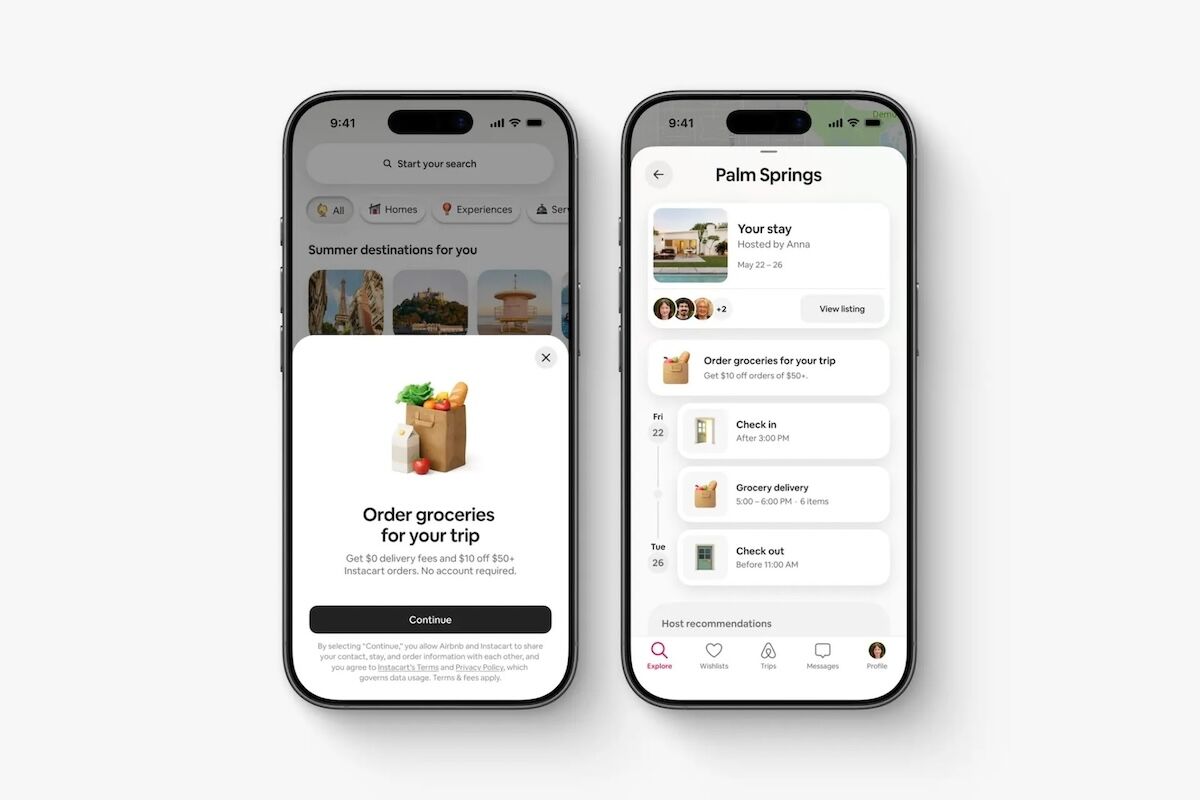
Internationally, the platform is scaling its operational footprints. Grocery delivery services are expanding across Europe, while select European urban markets are introducing integrated restaurant meal delivery. Adventure and leisure travelers will also benefit from localized partnerships, such as ski equipment rentals in the French Alps and boat rentals in South Florida.
Enhanced Toolkit and Operational Support for Hosts
While guest-facing features dominate the headlines, the Fall Release also delivers a robust suite of management tools designed to optimize operational efficiency for property hosts. Rolling out later in the fall, these enhancements include a consolidated multi-listing calendar for managing multiple properties simultaneously, advanced three-dimensional floor plans to give prospective guests a clearer spatial understanding of rentals, and one-tap dynamic pricing tools to help hosts automatically adjust rates based on real-time market demand. Additionally, hosts will receive AI-driven financial summaries that analyze earnings trends, occupancy rates, and optimization opportunities.
Background Context and Industry Evolution
This comprehensive release arrives at a critical juncture for the short-term rental industry. Over the past decade, platforms like Airbnb have evolved from peer-reviewed alternative lodging networks into mainstream pillars of global tourism. However, this maturation has been accompanied by increased market competition from traditional hospitality giants, shifting regulatory environments in major global cities, and consumer fatigue regarding the "chore tax" and inconsistent property standards.
Industry analysts note that by pivoting toward social validation and AI-driven curation, Airbnb is attempting to solve two primary friction points in travel planning: choice overload and trust deficits. Traditional online travel agencies rely heavily on star ratings and algorithmic sorting, which can sometimes feel detached or untrustworthy. By leaning into peer networks, Airbnb bridges the gap between digital booking platforms and word-of-mouth recommendations, which historical consumer behavior data shows remain the most influential factor in travel decision-making.
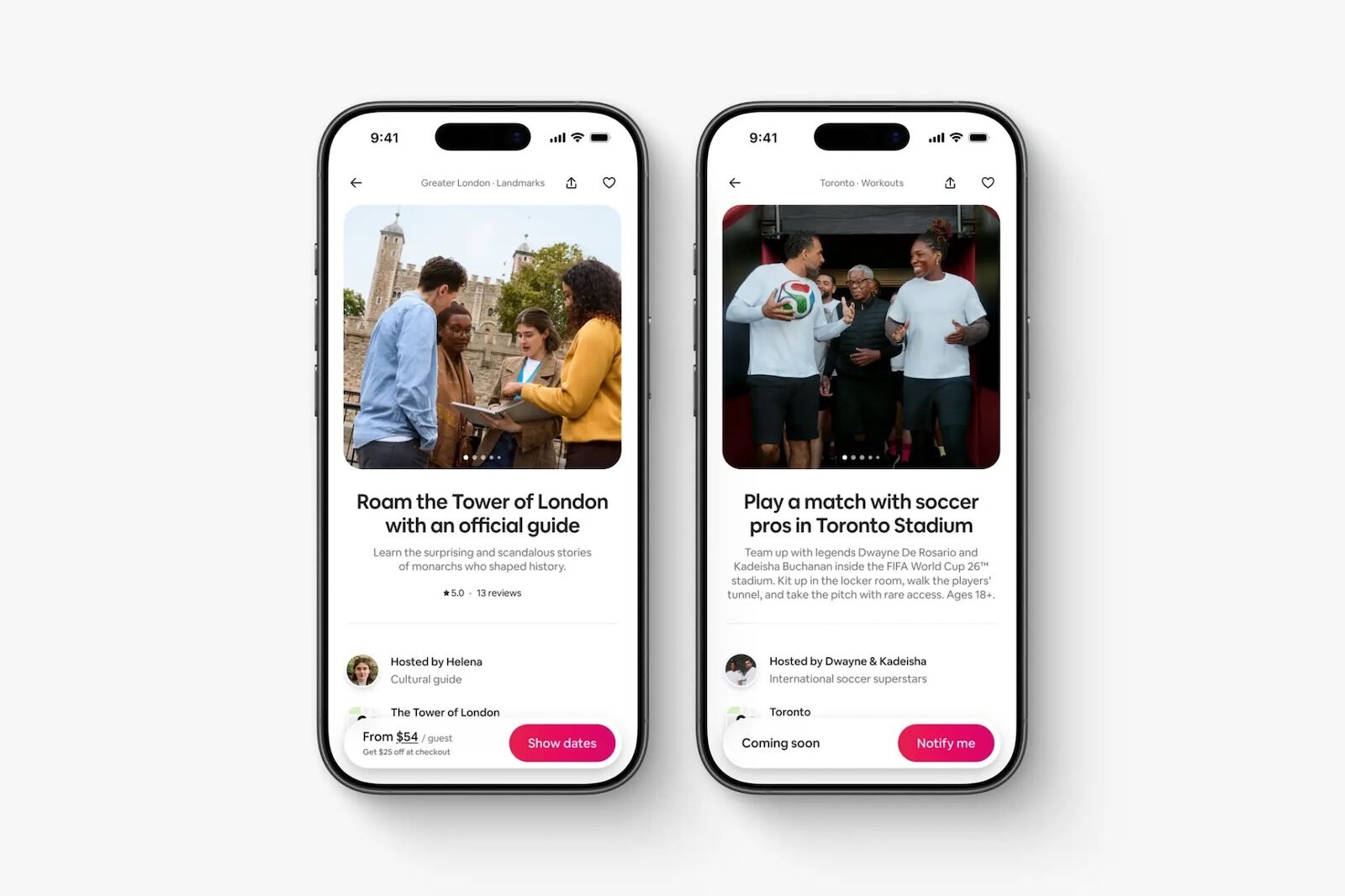
Similarly, the incorporation of localized services—such as laundry, gear rentals, and baby equipment delivery—signals a strategic ambition to capture revenue streams traditionally controlled by concierge hotels and localized rental agencies. By bundling these services into the digital ecosystem, Airbnb is attempting to position itself not merely as a lodging broker, but as an end-to-end travel facilitator.
Broader Market Implications and Future Outlook
The introduction of these features carries substantial implications for both the competitive travel technology sector and the broader hospitality economy.
From a technological standpoint, the integration of conversational AI search sets a new benchmark for user experience design within travel apps. As consumers become accustomed to zero-friction, generative AI-powered interfaces across consumer tech, travel platforms face mounting pressure to modernize legacy search engines. Airbnb’s deployment of natural language processing for niche keyword filtering—such as family-friendly amenities—demonstrates a pragmatic application of AI that directly addresses specific consumer frustrations rather than relying on superficial tech novelty.
Economically, the expansion of the host toolkit and local service partnerships could drive higher engagement and retention among professionalized hosts. As property management on Airbnb becomes more complex, tools like one-tap dynamic pricing and multi-listing calendars help individual operators scale their businesses more efficiently. Furthermore, partnerships with third-party service providers like Rinse and BabyQuip create lucrative secondary revenue channels while simultaneously enhancing the perceived value proposition for guests traveling with families or specialized needs.
As these features roll out throughout the United States and international markets in the coming months, industry observers will closely monitor user adoption rates—particularly regarding privacy management on the social Travel Map and the reliability of AI-generated search summaries. If successful, Airbnb’s Fall Release could permanently alter how consumers discover, plan, and experience travel, further blurring the lines between social networking, artificial intelligence, and the global hospitality industry.
Related posts: