Sun Valley Resort Achieves Landmark Status as First DarkSky Certified Resort in the United States

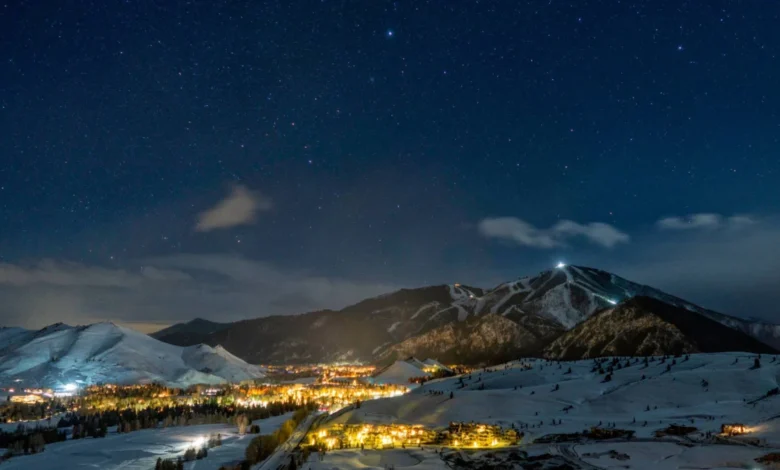
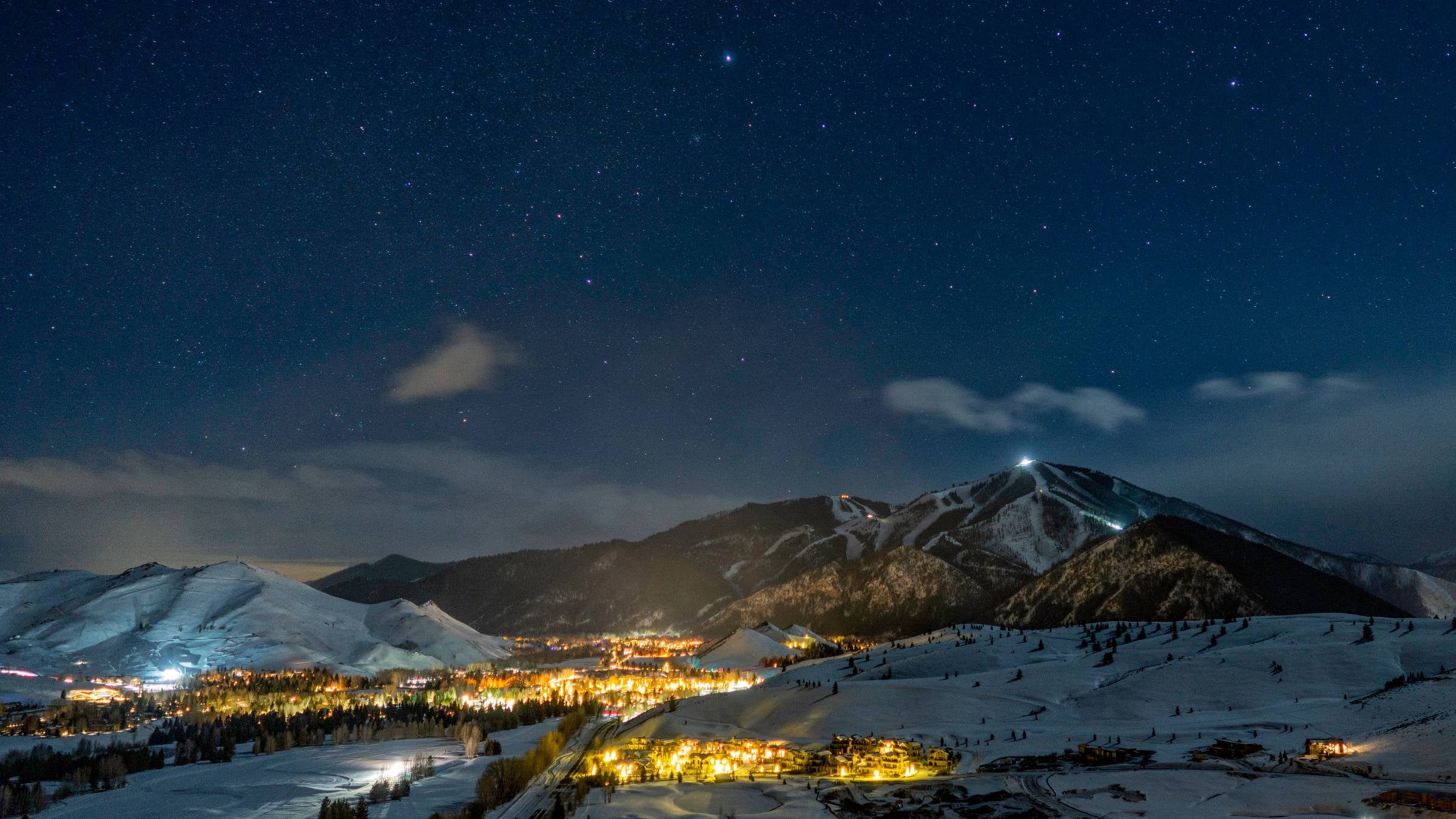
Sun Valley Resort has officially become the first mountain resort in the United States to receive certification through the DarkSky Approved Lodging and Resorts Program, a distinction awarded by DarkSky International. This certification marks a significant milestone in the preservation of nocturnal environments within the American West, further solidifying Central Idaho’s reputation as a global leader in dark sky conservation. While the surrounding municipalities of Ketchum and Sun Valley have long been recognized for their commitment to limiting light pollution, the resort’s individual certification represents a proactive expansion of these efforts into the private hospitality sector.
The achievement is the culmination of a rigorous multi-year assessment of the resort’s infrastructure, lighting policies, and educational outreach programs. By meeting the stringent criteria set forth by DarkSky International, Sun Valley Resort joins an elite group of global destinations dedicated to mitigating the "human-made alteration of outdoor light levels," a phenomenon commonly known as light pollution. This designation arrives at a critical juncture for the travel industry, as "astrotourism" continues to grow in popularity among travelers seeking refuge from the increasingly bright urban corridors of North America.
A History of Conservation: The Central Idaho Dark Sky Reserve
The resort’s path to certification is deeply rooted in the regional history of environmental stewardship. In 2017, a massive 906,000-acre (approximately 1,416 square miles) expanse of land was designated as the Central Idaho Dark Sky Reserve. It was the first of its kind in the United States and remains one of the largest protected dark sky areas in the world. The reserve encompasses parts of the Sawtooth National Forest and includes three separate wilderness areas, providing a critical buffer for the biodiversity of the Gem State.
The towns of Ketchum and Sun Valley served as the anchors for this reserve, implementing strict lighting ordinances nearly a decade ago. These regulations govern everything from municipal streetlights to residential holiday displays. However, the resort’s recent certification through the DarkSky Approved Lodging program—which was specifically expanded to include resort-scale criteria in 2024—represents a more granular commitment. It ensures that the specific operations of a world-class hospitality entity align with the broader goals of the surrounding reserve, creating a seamless environment of darkness that benefits both the ecosystem and the stargazing experience.
The Technical Rigor of DarkSky Certification
Earning a DarkSky certification is not a mere symbolic gesture; it requires a comprehensive overhaul of outdoor lighting systems and long-term management strategies. DarkSky International, founded in 1988, bases its certification on five core principles of responsible outdoor lighting. To be compliant, all lighting must be:
- Useful: Every light must have a clear purpose.
- Targeted: Light must be directed only to where it is needed, preventing "light trespass" into the sky or neighboring properties.
- Low Level: Light should be no brighter than necessary for safety and utility.
- Controlled: Lights must be used only when needed through timers, motion sensors, or dimmers.
- Warm Colored: Lighting must minimize short-wavelength (blue-violet) light, which is known to be the most disruptive to human health and wildlife.
To achieve this, Sun Valley Resort conducted an exhaustive inventory of every light fixture across its expansive property. This included retrofitting older lamps with shielded fixtures that direct light downward and replacing high-intensity bulbs with warmer, lower-lumen alternatives. Beyond the hardware, the resort was required to demonstrate a commitment to habitat protection and guest education. A recent addition to the resort’s amenities includes a dedicated space within its new toy store featuring telescopes, star guides, and educational materials, designed to engage the next generation of conservationists.
The Ecological and Human Necessity of Dark Skies
The drive to preserve the night sky extends far beyond the aesthetic pleasure of viewing the Milky Way. Scientific research has increasingly highlighted the deleterious effects of artificial light at night (ALAN) on both biological systems and human physiology. According to DarkSky International, light pollution disrupts the natural sleep-wake cycles (circadian rhythms) of humans, which has been linked to increased risks of sleep disorders, obesity, and even certain types of cancer.
For wildlife, the stakes are equally high. Many migratory bird species rely on celestial navigation to travel thousands of miles; artificial light can cause them to veer off course, leading to exhaustion or fatal collisions with buildings. Nocturnal insects, which serve as the foundation of many food webs, are often fatally attracted to artificial lights, leading to population declines. By maintaining a dark environment, Sun Valley Resort contributes to the preservation of these natural patterns, ensuring that the local fauna can thrive in an environment that mimics the natural cycles of the Earth.
Furthermore, there is a significant fiscal and carbon-related benefit to these initiatives. Excessive and poorly directed lighting is essentially wasted energy. By optimizing lighting systems, the resort reduces its carbon footprint and operational costs, demonstrating that environmental sustainability can be synonymous with economic efficiency.
The Rise of Astrotourism and the Economic Pivot
The certification comes at a strategic time for the mountain resort industry. As climate change continues to impact the duration and reliability of traditional ski seasons, resorts across North America are seeking to diversify their year-round offerings. Astrotourism—travel motivated by the desire to view astronomical phenomena—has emerged as a high-growth sector.
The 2017 total solar eclipse served as a proof-of-concept for the Sun Valley region, as thousands of visitors flooded the area to witness the event under clear, high-altitude skies. By securing official DarkSky certification, the resort is positioning itself to capture the "shoulder season" market—the spring and autumn months when stargazing conditions are often at their peak.
Betsy Siszell, Sun Valley Resort’s sustainability manager, noted that the ability to activate these seasons is vital for the long-term resilience of the resort. Events like the "Stars Over Sun Valley" program, scheduled for August 12 to coincide with the Perseid Meteor Shower, have already shown immense public interest, selling out quickly. These programs typically include sunset gondola rides to high-altitude lodges, such as the Roundhouse at 7,700 feet, where guests can enjoy expert-led astronomy presentations in a pristine environment.
Emerging Threats: Satellites and the Future of the Night Sky
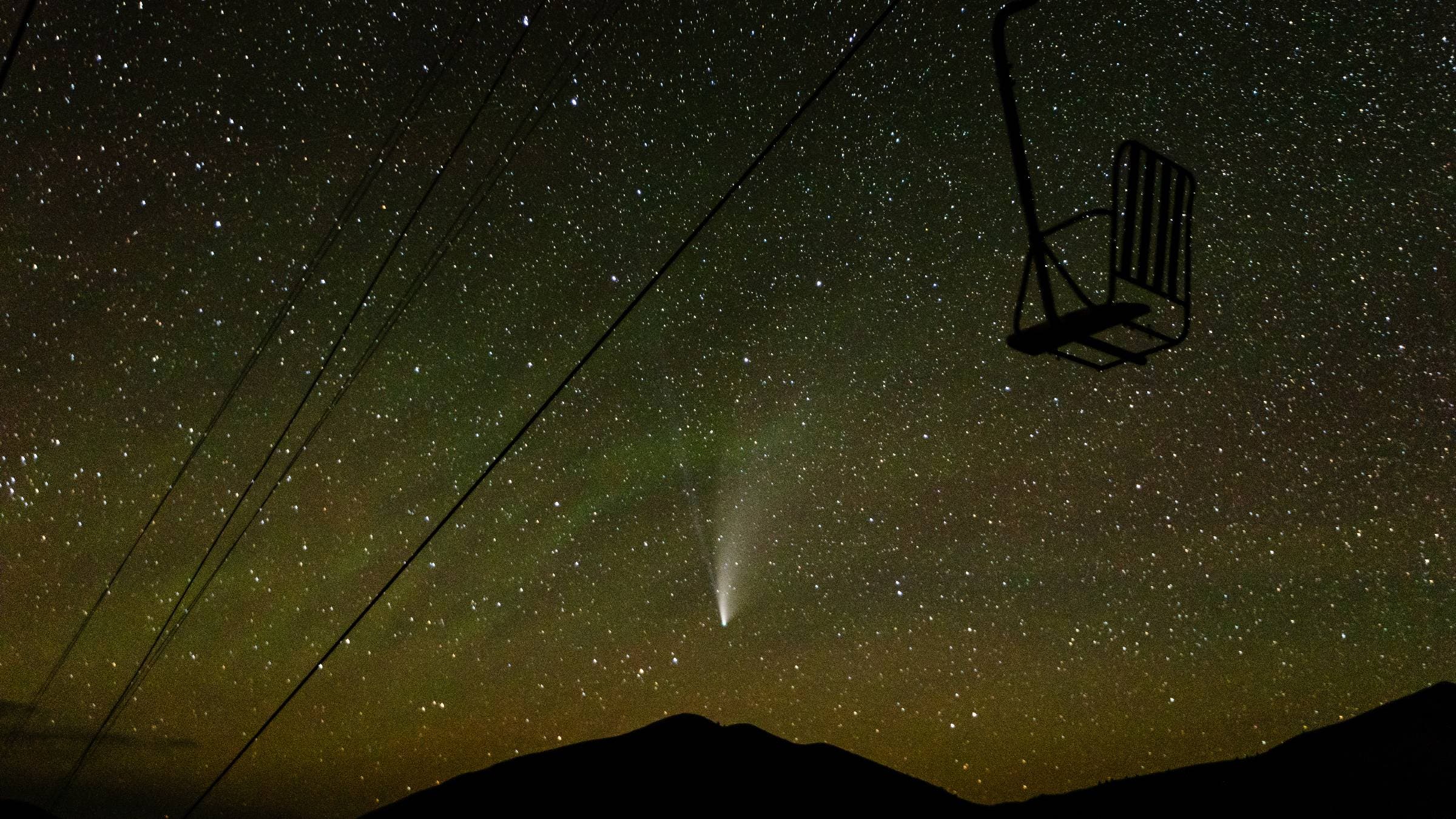
Despite the success of local conservation efforts, the global night sky faces unprecedented challenges. Drew Reagan, senior communications manager for DarkSky International, has warned of a "rapid change" era for the nocturnal environment. The primary concern is the proliferation of low-Earth orbit (LEO) satellite constellations, such as SpaceX’s Starlink, which can create streaks of light across long-exposure astronomical photographs and alter the visual appearance of the stars.
Newer technologies, such as "Reflect Orbital"—a concept involving satellites equipped with mirrors to reflect sunlight to specific locations on Earth during the night—pose an even more direct threat to the concept of natural darkness. These advancements have created a sense of urgency among conservationists. The fear that the night sky may become permanently altered is driving more people to seek out certified reserves and advocate for "dark sky heritage" as a protected cultural resource.
DarkSky International maintains that it is not anti-innovation or anti-light. Instead, the organization advocates for "responsible" integration of technology. The Sun Valley Resort certification serves as a blueprint for how modern luxury and technological infrastructure can exist without compromising the integrity of the natural world.
Future Outlook and Community Impact
The impact of this certification is expected to ripple through the Central Idaho community and the broader resort industry. By being the first to achieve this status, Sun Valley Resort has set a benchmark for other major destinations, such as Breckenridge in Colorado or international preserves like Parc National du Mont-Mégantic in Canada.
Looking ahead, Sun Valley Resort plans to expand its astronomy-focused programming. Beyond ticketed events, the resort has identified several "dark sky hubs" on its property—including Dollar Mountain Lodge and Trail Creek—where guests can view the stars for free. This commitment to accessibility aligns with the philosophy that "the stars are for everybody," a sentiment echoed by resort leadership.
As light pollution continues to grow at an estimated rate of 10% annually worldwide, the existence of places like Sun Valley becomes increasingly rare. The resort’s transition to a DarkSky-certified entity is a formal recognition that the night sky is not just a backdrop, but a vital natural resource that requires active management and protection. For the residents and visitors of Central Idaho, the certification ensures that the "companion" of the dark, quiet wintry night sky will remain for generations to come.
Related posts: