The Ultimate Guide to Barcelona’s Evolving Culinary Scene and the Best Restaurants to Visit Right Now

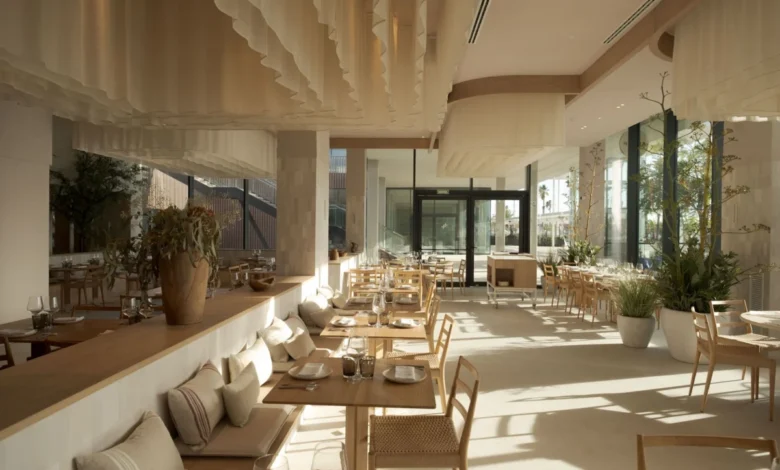
Barcelona continues to cement its status as one of the premier gastronomic capitals of the world, drawing millions of international travelers, food critics, and culinary entrepreneurs annually. Despite shifting economic landscapes and inflationary pressures across Western Europe that have marginally increased dining costs throughout Spain, the city’s vast culinary ecosystem remains remarkably resilient, diverse, and accessible to a broad spectrum of budgets. From traditional marble-topped tapas bars steeped in decades of neighborhood history to avant-garde fine-dining establishments operating at the absolute cutting edge of global gastronomy, Barcelona offers an eating and drinking culture that justifies a journey from anywhere in the world.
The city’s contemporary food landscape is defined not only by the preservation of its Catalan culinary heritage—celebrating hyper-local produce, fresh Mediterranean seafood, and illustrious regional winemaking traditions—but also by an unprecedented wave of multiculturalism. Exceptional Mexican, Peruvian, and Japanese eateries now operate seamlessly alongside century-old neighborhood fixtures. This synthesis of global technique and local ingredients has created a dynamic dining scene that rewards both the adventurous foodie and the traditionalist. In a city where midday meals routinely stretch into late-afternoon feasts and evening dining effortlessly transitions into the early hours of the morning, understanding the nuances of Barcelona’s restaurant industry requires looking closely at its history, economic impact, and the rigorous methodologies behind culinary curation.
The Evolution of Barcelona’s Gastronomic Identity
To understand the modern Catalan table, one must trace the region’s culinary chronology, which has evolved dramatically over the past several decades. For much of the late 20th century, traditional Catalan cuisine was defined by "mar i muntanya" (sea and mountain) pairings, rustic stews, and simple preparations of fresh catch from the Catalan coastline. However, the late 1990s and early 2000s ushered in a global revolution spearheaded by avant-garde chefs, most notably associated with the Costa Brava restaurant El Bulli under Ferran Adrià.
While El Bulli famously operated north of the city, its deconstructive philosophy and scientific approach to cooking permanently altered the DNA of Barcelona’s restaurant scene. Local chefs began experimenting with texturizers, foams, and modernist plating techniques, putting Catalan innovation on the global map. By the 2010s, this high-end ambition matured into a more sustainable, ingredient-focused ethos. Chefs turned their attention back to the fertile agricultural plains of the Llobregat delta, the vineyards of Penedès, and the daily fish auctions in Barceloneta.
Today, this chronology has entered a distinctly cosmopolitan phase. As Barcelona has transformed into a major European tech hub and a magnet for global expatriates, the demand for authentic international cuisine has surged. Culinary professionals from Latin America, Asia, and other parts of Europe have settled in the Catalan capital, bringing traditional recipes that are increasingly elevated by access to peerless Spanish raw materials.
Methodology: Curating the City’s Finest Eateries
Navigating a culinary landscape as vast and fast-moving as Barcelona’s requires a systematic and objective approach to evaluation. Leading travel and culinary publications, including international editorial teams and local journalistic contributors, rely on strict criteria to assess the city’s top dining establishments.
The evaluation process for identifying the best restaurants in Barcelona involves rigorous, independent assessment by food editors and on-the-ground local critics. Reviewers evaluate establishments across multiple tiers—ranging from humble, multigenerational neighborhood bodegas to Michelin-starred temples of haute cuisine. Key performance indicators include:
- Execution and Flavor Profiles: The balance, technical skill, and distinctiveness of signature dishes.
- Sourcing and Sustainability: The establishment’s commitment to locavore produce, seasonal menu adjustments, and minimizing environmental impact.
- Service and Hospitality: The consistency, warmth, and professionalism of front-of-house operations.
- Inclusivity and Value: Ensuring that dining experiences accommodate diverse dietary requirements and offer fair pricing relative to the quality provided.
- Location and Atmosphere: How the physical space, interior design, and neighborhood context contribute to the overall dining experience.
This evaluative framework ensures that lists remain dynamic, with continuous updates reflecting new culinary openings, shifting chef rosters, and the natural evolution of long-standing institutions.
Economic and Cultural Impact of Tourism on Catalan Dining
The influx of global gourmands to Barcelona is not merely a cultural phenomenon; it is a primary driver of the region’s service economy. According to recent tourism and hospitality data released by regional authorities, gastronomy accounts for a substantial percentage of total visitor expenditure in Catalonia. Travelers frequently cite food and wine as their primary motivation for visiting the region, outpacing traditional sightseeing in several demographic segments.
This economic reliance on culinary tourism has presented both opportunities and challenges for local restaurateurs. On one hand, the high volume of international visitors has provided the capital necessary for chefs to experiment with expensive, labor-intensive modernist techniques and import rare ingredients. On the other hand, rising real estate costs in core neighborhoods such as the Gothic Quarter, El Born, and Eixample have placed upward pressure on operational expenses.
To combat these pressures and maintain authenticity, many of Barcelona’s top-tier chefs have doubled down on community-focused supply chains. By establishing direct contracts with small-scale farmers in Maresme and fishermen in coastal ports, these restaurants insulate themselves against global supply chain disruptions while supporting the regional agricultural economy.
Industry Perspectives and Official Reactions
Local hospitality associations and regional tourism boards have increasingly emphasized the importance of balancing high-end culinary prestige with neighborhood preservation. Representatives from the Barcelona Restaurant Association have noted that the city’s culinary strength lies in the coexistence of its traditional neighborhood bars—known locally as granjas and bodegas—and its modern international outposts.
"Barcelona’s culinary identity has never been static," notes a senior representative from regional hospitality networks. "Our ability to absorb global influences while fiercely protecting recipes passed down through generations is what makes our dining rooms unique. Whether someone is paying ten euros for a plate of patatas bravas at a corner bar or hundreds of euros for a multi-course tasting menu, the underlying demand is the same: respect for the product."
Furthermore, culinary experts have pointed out that the diversity of Barcelona’s food scene serves as a soft-power asset for the city. As international media continue to highlight the region’s dynamic culinary offerings, Barcelona successfully diversifies its visitor base, attracting travelers interested in cultural immersion rather than seasonal mass tourism.
Broader Implications for Travelers and the Future of Dining
As Barcelona moves further into the mid-2020s, the trajectory of its dining scene points toward greater integration of technology, sustainability, and cross-cultural dialogue. Diners can expect stricter transparency regarding food sourcing, with many establishments adopting zero-waste initiatives and carbon-neutral kitchen operations to meet both regulatory standards and consumer expectations.
For the traveling gourmand, preparing to experience Barcelona’s food culture requires intentional planning. Because lunch remains the primary social and culinary meal of the day for locals—often running from 2:00 PM to 5:00 PM—securing midday reservations at prominent establishments is essential. Similarly, dinner services routinely begin late, rarely gaining momentum before 9:30 PM.
Ultimately, Barcelona’s enduring appeal as a food destination rests on its refusal to compromise between the rustic and the refined. Whether one seeks a humble plate of pan con tomate drizzled with robust arbequina olive oil or an intricate, multi-sensory tasting menu featuring the finest avant-garde interpretations of Mediterranean cuisine, the city delivers an unmatched sensory experience. By honoring its historical roots while fearlessly embracing global innovation, Barcelona ensures that its tables will remain among the most coveted destinations in the culinary world for generations to come.