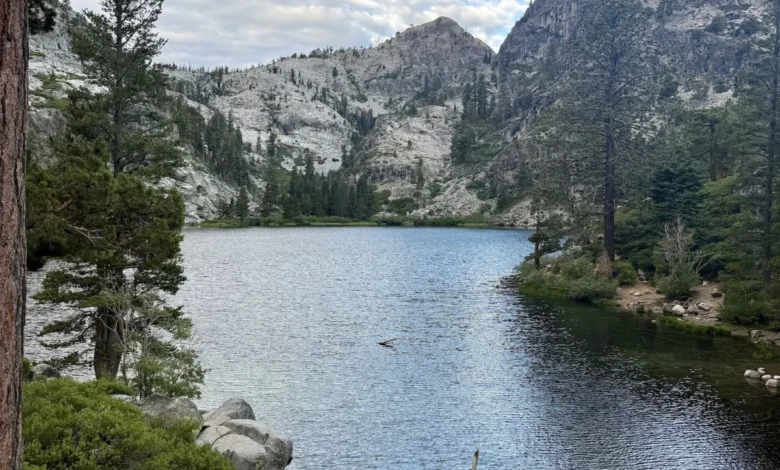
Lake Tahoe, the largest alpine lake in North America, has long been a centerpiece of high-altitude recreation, yet its increasing popularity has brought the region to a critical juncture regarding over-tourism and infrastructure capacity. By the midpoint of 2025, visitor statistics indicated that nearly three million people had traveled to the lake’s surrounding mountain towns, highlighting a persistent challenge for local authorities and travelers alike. As the region straddles the border of Nevada and California, its unique geography—characterized by steep mountain passes and limited access roads—creates a bottleneck effect that can transform a scenic getaway into a logistical ordeal. For many visitors, the discrepancy between the pristine imagery marketed on social media and the reality of gridlocked traffic has necessitated a fundamental shift in how the Tahoe Basin is experienced.
The Reality of Peak Season Congestion
The transition from the urban environment of Reno, Nevada, to the natural splendor of Lake Tahoe is geographically brief, often cited as a 35-minute drive under ideal conditions. However, during the summer peak, particularly around events such as the Artown Music and Art Festival, the reality of the commute frequently defies these estimates. Travelers attempting a leisurely departure—leaving after 9:00 AM—often find themselves ensnared in two-hour delays on one-lane roads. This congestion is not merely an inconvenience; it represents a systemic issue where the demand for access to popular north-shore beaches and coves far exceeds the available parking and roadway capacity.
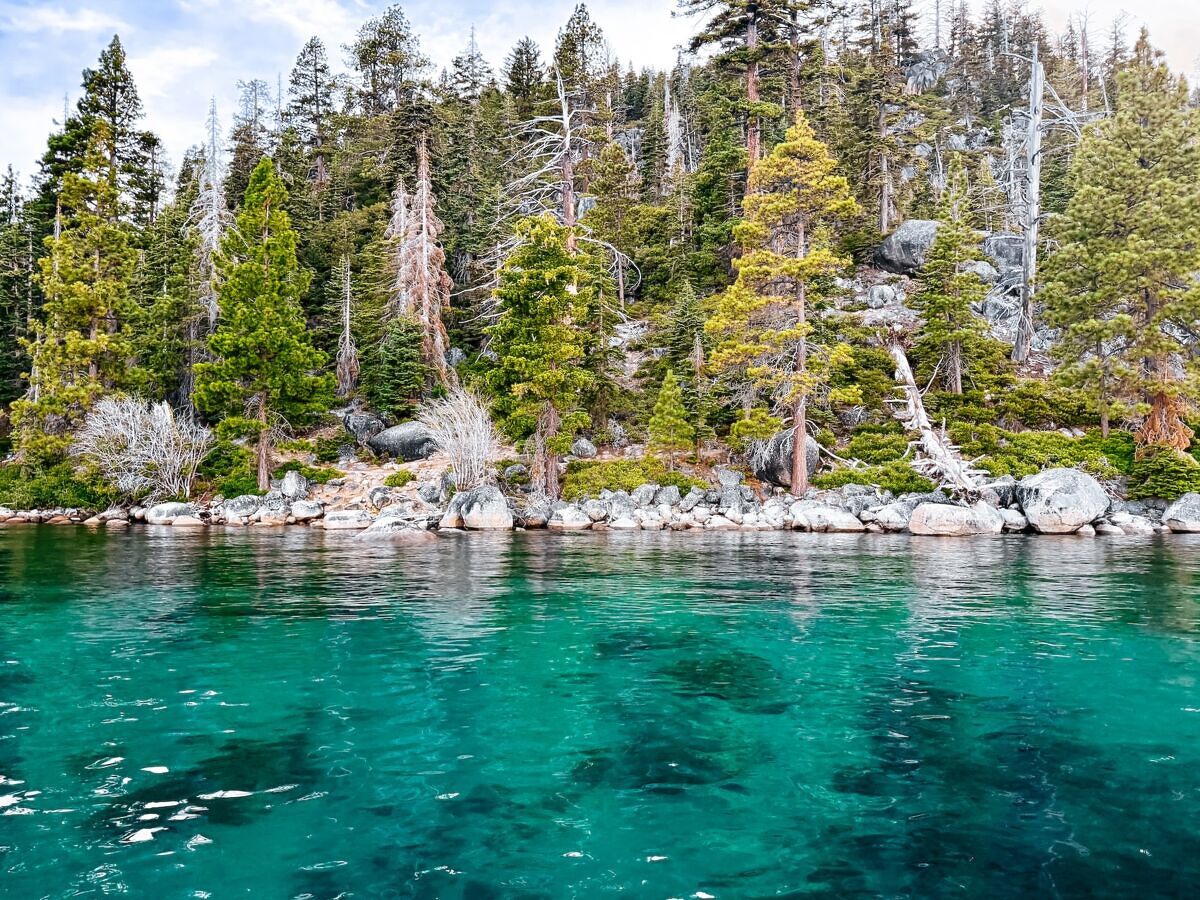
The "rookie mistake" of a late start is a common phenomenon in the Tahoe Basin. The geography of the lake, surrounded by protected forest lands and rugged terrain, limits the expansion of infrastructure. Consequently, the search for a parking spot at iconic locations can become the primary activity of a visitor’s day, overshadowing the intended recreation. To mitigate this, travel experts and local officials emphasize a strategy of extreme early arrival, suggesting that the "magic" of Tahoe is reserved for those willing to begin their day before 5:00 AM.
Chronology of a High-Demand Destination
The evolution of Lake Tahoe from a quiet retreat to a global tourism magnet has followed a steep trajectory over the last decade. The surge in remote work and the post-pandemic desire for outdoor-centric travel have accelerated visitation rates. By July 2025, the influx of three million visitors within the first half of the year signaled a record-breaking season.
A typical high-demand weekend follows a predictable, albeit stressful, chronology:
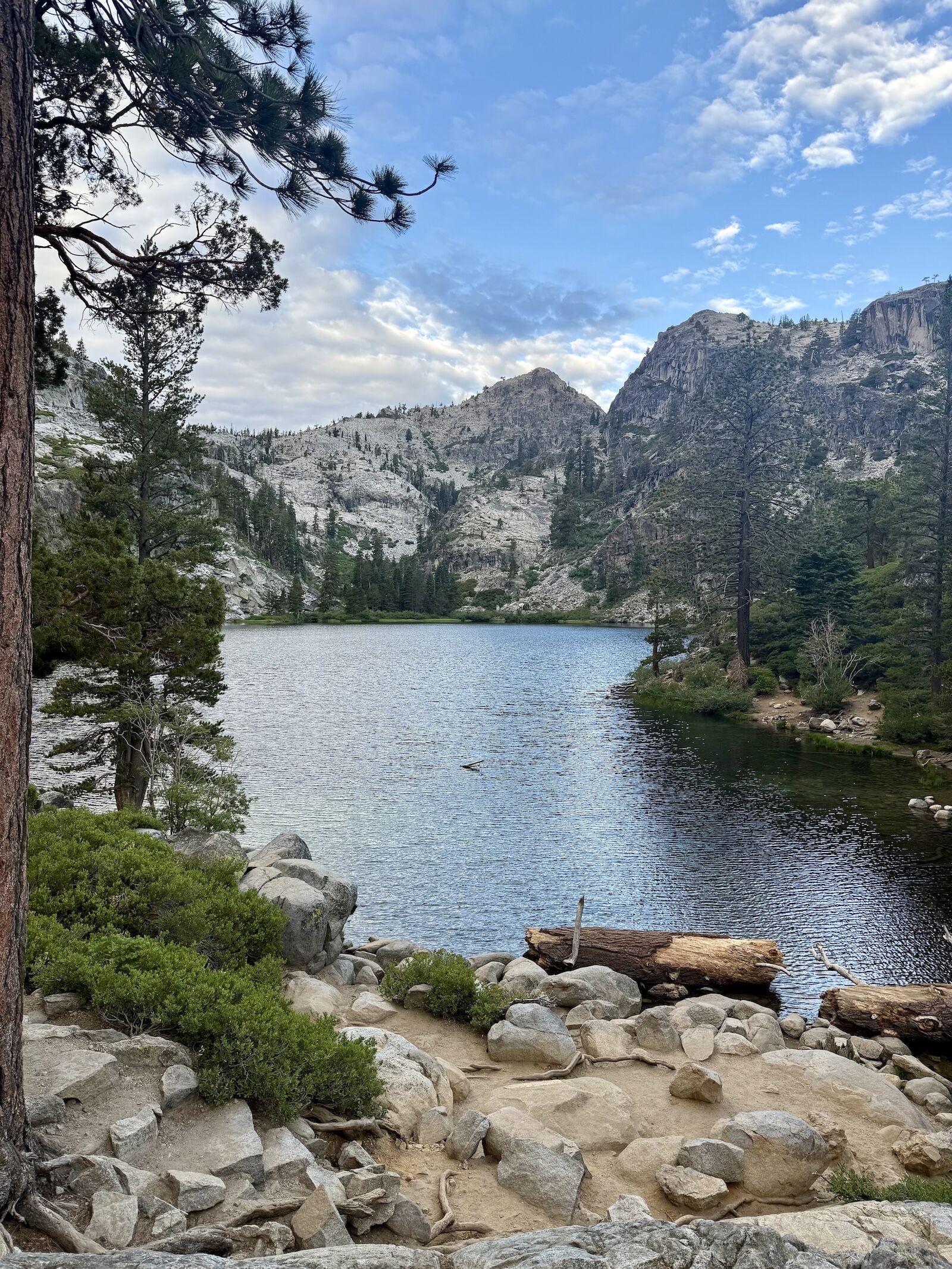
- 4:30 AM – 5:30 AM: Optimal window for arrival at popular trailheads like Emerald Bay or Sand Harbor.
- 7:00 AM: Most primary parking lots at major state parks reach full capacity.
- 9:00 AM: Traffic congestion begins on State Route 28 and Highway 89, leading to "bumper-to-bumper" conditions.
- 11:00 AM – 2:00 PM: Peak congestion; many travelers are turned away from beach access points.
- 4:00 PM: Afternoon "lull" begins as early birds depart, though traffic remains heavy due to the exodus.
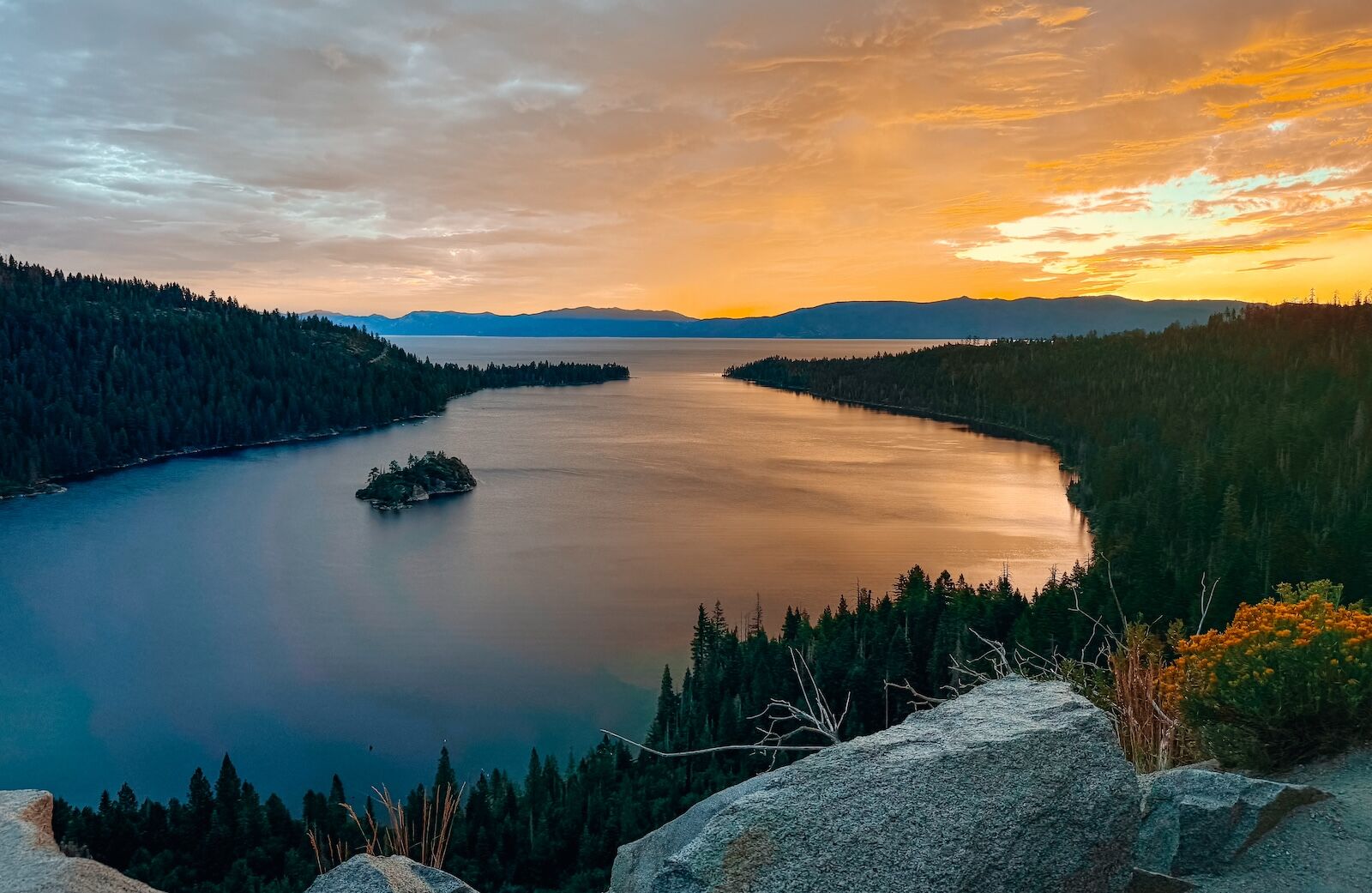
For those who successfully navigate the pre-dawn window, the rewards are quantifiable. At Emerald Bay State Park, hikers arriving before sunrise report near-total solitude on trails leading to Eagle Lake. This contrast—solitude versus the mid-day crush—is the defining characteristic of modern Tahoe tourism.
Strategic Lodging and the "Stay Where You Play" Model
To bypass the daily commute into the basin, many visitors are turning to alternative lodging models that prioritize proximity. Camping in the wilderness or staying at on-mountain resorts has become a tactical necessity rather than just a lifestyle choice.
Wilderness Immersion and Boat-In Options
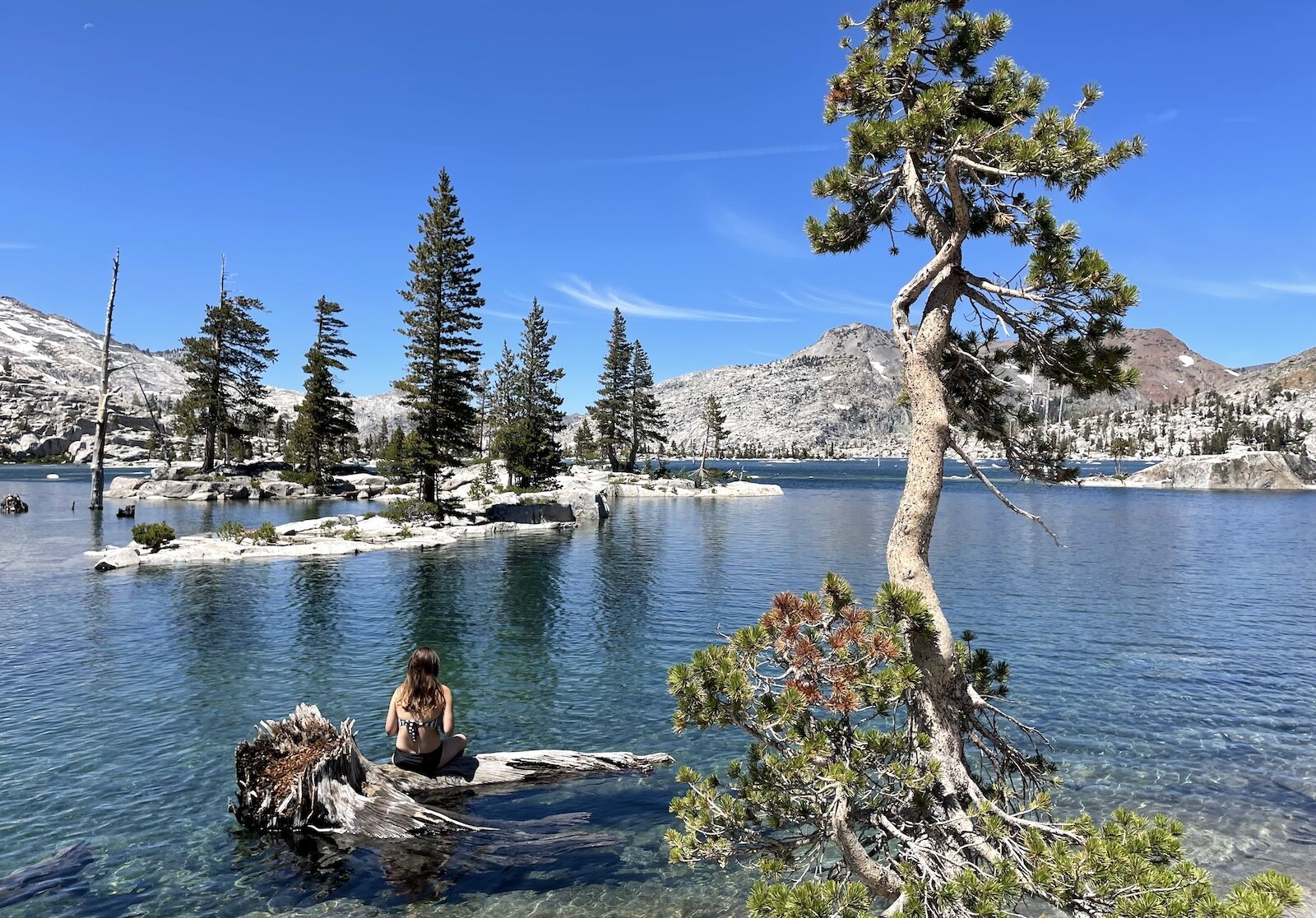
Sleeping within the protected areas of the Tahoe Basin allows visitors to be "on-site" before the gates even open to day-trippers. Notable locations include the D.L. Bliss State Park and the Desolation Wilderness. One of the more exclusive strategies involves the Emerald Bay Boat-In Campground. Accessible primarily by water and limited to just 20 sites, this location offers a rare opportunity to experience one of the world’s most photographed bays without the interference of crowds. Overnight boat rentals from South Lake Tahoe provide the necessary transportation, effectively turning the lake itself into a corridor that bypasses road traffic.
The Role of Major Ski Resorts in Summer
The region’s major ski resorts—managed by industry giants such as Vail Resorts and Alterra Mountain Company—have rebranded as year-round adventure hubs. Staying at properties like Heavenly, Northstar California, or Palisades Tahoe provides a logistical "leg up."
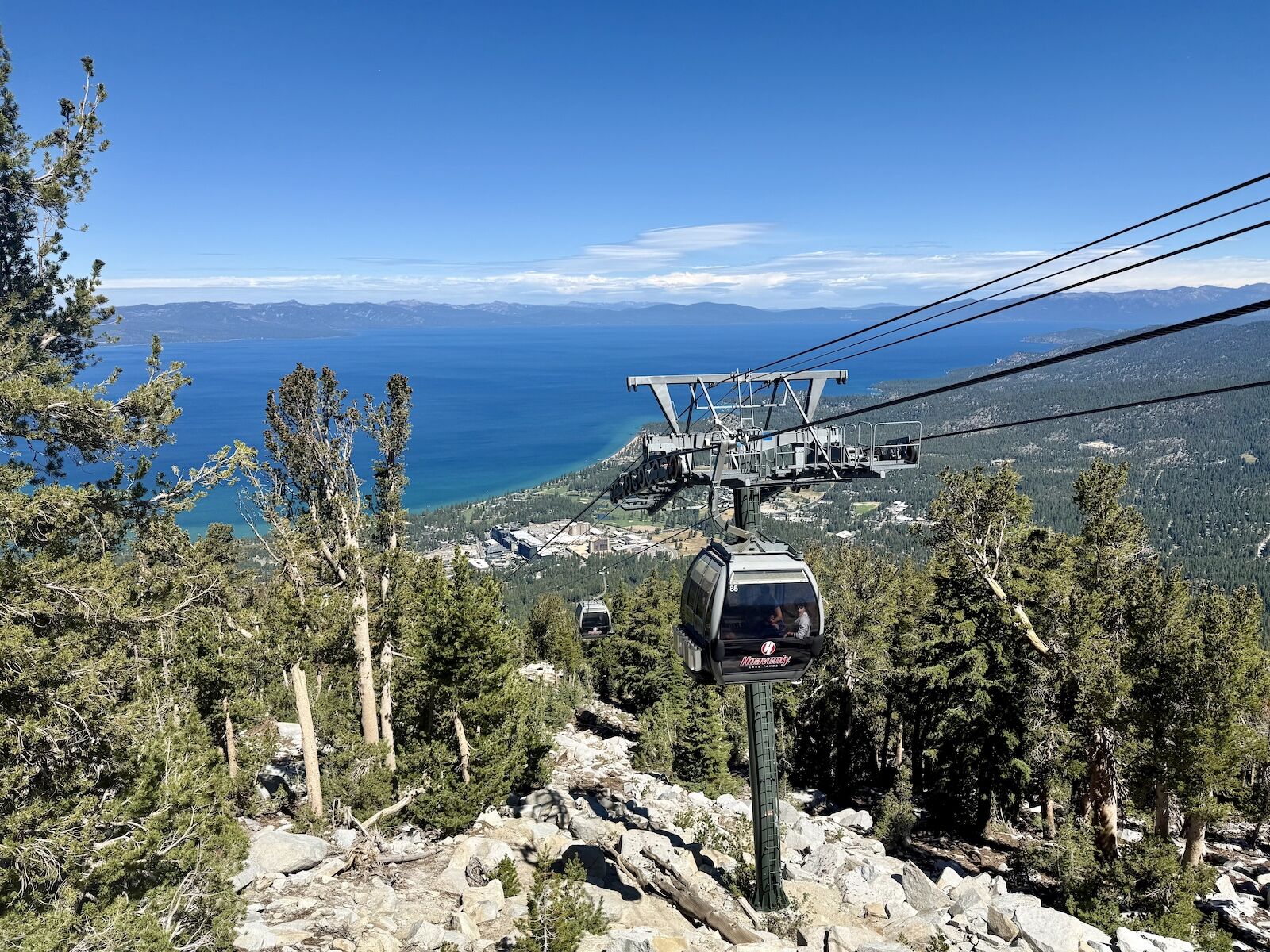
Cole Zimmerman, Public Relations Manager for Heavenly Resort, notes that the resort’s infrastructure, such as the Heavenly Gondola, offers a bird’s-eye view of the divide between the alpine lake and the Great Basin Desert. By staying in Heavenly Village, visitors can access the gondola and the "Epic Discovery" adventure park—featuring the region’s only gravity-powered mountain coaster—before the bulk of off-mountain visitors arrive. Furthermore, holders of winter season passes, such as the Epic Pass, often receive summer benefits, including free scenic lift rides, which incentivizes a more organized and cost-effective visit.
Data-Driven Management and Environmental Impact
The management of Lake Tahoe’s crowds is not solely about visitor satisfaction; it is a matter of environmental preservation. The Tahoe Regional Planning Agency (TRPA) and organizations like "Keep Tahoe Blue" (The League to Save Lake Tahoe) monitor water clarity and microplastic levels closely. Over-tourism contributes to increased runoff and pollution, which threatens the lake’s famous transparency.
Supporting data from local tourism boards suggests that a "Type A" planning approach—whereby visitors book dining, hiking, and parking weeks in advance—significantly reduces the environmental footprint of a trip by minimizing "cruising" (the act of driving around aimlessly in search of parking).
Official responses to the congestion have included:
- Reservations Systems: Implementation of parking reservations at popular spots like Sand Harbor and Muir Woods-style shuttle systems.
- Sustainability Initiatives: Encouraging the "Tahoe Tap" campaign to reduce single-use plastic bottles.
- Educational Outreach: Captain Dan Kramer of Lake Tahoe Boat Rides emphasizes that getting on the water is the most effective way to understand the lake’s scale and the importance of its preservation. Kramer’s charter model allows visitors to see hidden inlets and learn about the region’s history and sustainability efforts in a controlled, low-impact environment.
Alternatives for the Non-Early Riser
Recognizing that a 4:30 AM wake-up call is not feasible for all travelers, the region has developed "after-dark" tourism as a viable alternative. Tahoe’s high elevation and minimal light pollution in certain pockets make it an ideal destination for astrotourism.
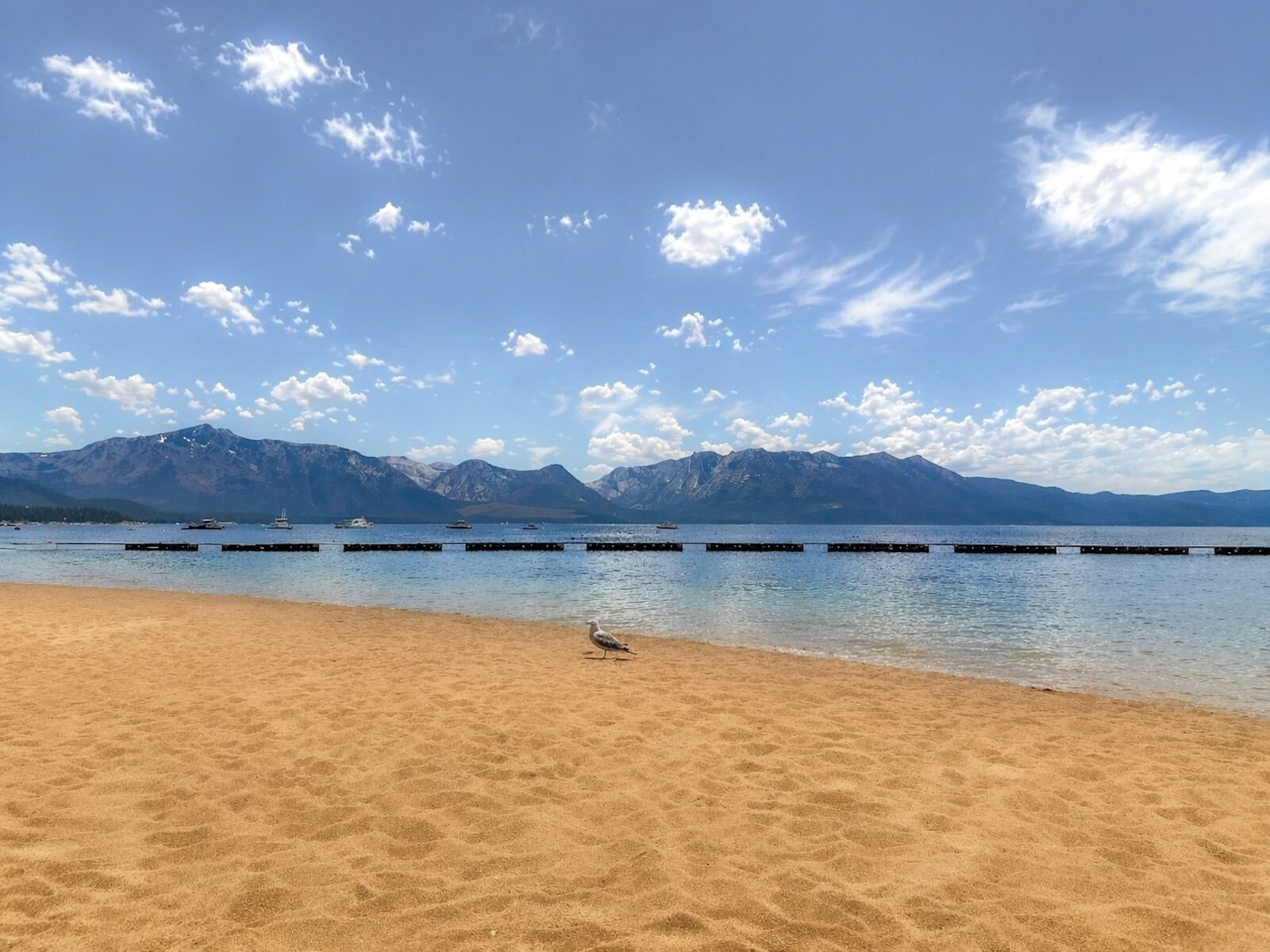
Northstar California hosts "Dark Skies Cosmoarium" events, where astronomers guide visitors through the constellations using high-powered telescopes. Similarly, Sand Harbor Beach on the east shore provides a natural amphitheater for stargazing, where the still water acts as a mirror for the night sky. These evening activities allow for a "reverse schedule," where visitors can avoid the mid-day peak and enjoy the basin’s natural beauty under the cover of darkness.
Broader Implications and Future Outlook
The challenges facing Lake Tahoe are reflective of a global trend in "gateway communities"—towns that serve as entry points to major natural landmarks. As the population of the surrounding regions (including the San Francisco Bay Area and Sacramento) continues to grow, the pressure on the Tahoe Basin will only intensify.
The future of Lake Tahoe tourism likely involves a move toward more stringent access controls and a heavier reliance on public transit and maritime shuttles. For the individual traveler, the takeaway is clear: the era of the "spontaneous Tahoe trip" has largely concluded. Success in this environment requires a combination of logistical precision, early-morning discipline, and a willingness to explore the lake from the water or the sky.
The Tahoe Flyer, the world’s only hot-air balloon launched from a boat, represents the pinnacle of this "crowd-avoidance" strategy. By launching from the deck of a vessel in the middle of the lake before sunrise, passengers can experience the Sierra Nevada range in absolute silence, thousands of feet above the traffic jams and crowded beaches below.
Ultimately, the natural charm of Lake Tahoe remains undiminished, but the experience of that beauty is now contingent upon a visitor’s ability to adapt to the realities of a modern, high-demand ecosystem. Whether through a 5:00 AM hike to Eagle Lake or a sunset cruise through hidden coves, the "magic" of the lake is still accessible—provided one is willing to work for it.
Related posts: