The Evolving Landscape of Los Angeles Tourism A Comprehensive Three Day Cultural and Culinary Guide

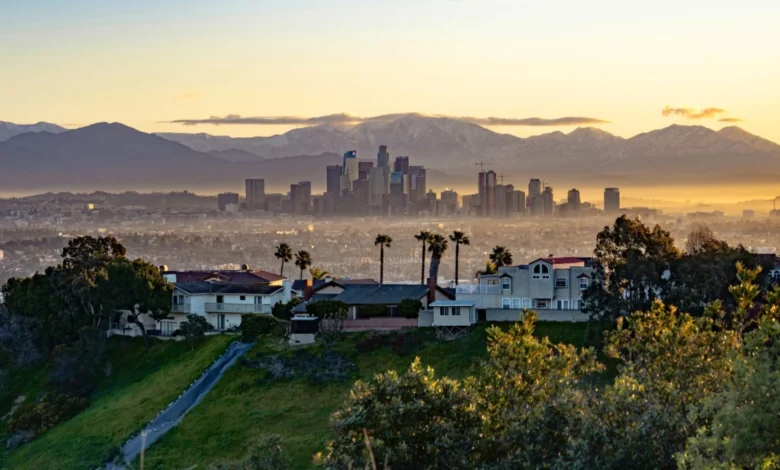
Los Angeles remains one of the world’s most complex tourism markets, characterized by a sprawling geography that demands a highly strategic approach to navigation and a deep understanding of its distinct neighborhood identities. As the city continues its post-pandemic recovery, travel experts and industry leaders are emphasizing a "neighborhood-first" strategy that moves beyond the traditional Hollywood-centric lens to embrace the diverse culinary and cultural offerings of Downtown, the Eastside, and the coastal Westside. This shifting paradigm highlights the tension between Los Angeles’s historic car culture and its emerging pedestrian-friendly pockets, offering a microcosm of the broader urban evolution currently taking place in Southern California.
The Strategic Framework of Modern Angeleno Tourism
The tourism sector in Los Angeles County is a primary driver of the local economy, with the Los Angeles Tourism & Convention Board reporting that the region welcomed nearly 50 million visitors annually in peak years, generating billions in state and local tax revenue. However, the sheer scale of the county—spanning over 4,000 square miles—presents a unique logistical challenge for the uninitiated. Industry veterans, including Condé Nast Traveler’s senior features editor Megan Spurrell, suggest that the most effective way to experience the "Golden Life" of the city is through a structured, multi-day itinerary that minimizes freeway time while maximizing exposure to both historic landmarks and contemporary "strivers and dreamers" who define the city’s creative pulse.
The fundamental requirement for such an exploration remains a set of wheels. Despite significant investments in the Los Angeles County Metropolitan Transportation Authority (Metro) rail and bus lines, the city’s infrastructure is still heavily weighted toward the automobile. Navigating the "the" freeways—a linguistic quirk unique to Southern Californians—remains a necessary rite of passage for those seeking to understand the city’s rhythm.
Day One: The Revitalization of the Urban Core
The first phase of a comprehensive Los Angeles tour focuses on Downtown Los Angeles (DTLA), a region that has undergone a dramatic transformation over the last two decades. Once a purely commercial district that emptied out after work hours, DTLA is now a culinary and artistic epicenter.
Morning: Historic Markets and Modern Art
The day typically begins at Grand Central Market, a landmark institution that has served the city since 1917. Structurally, the market remains a vestige of the early 20th century, but its vendor list reflects the city’s "high-low" cultural blend. From the Michelin-recognized carnitas at Villa Moreliana to the viral breakfast sandwiches at Eggslut, the market serves as a demographic crossroads. Adjacent to the market is Angels Flight, the world’s shortest railway, which provides a brief but essential link to the cultural institutions atop Bunker Hill.
A short walk leads to The Broad, a contemporary art museum founded by philanthropists Eli and Edythe Broad. Since opening in 2015, the museum has become a cornerstone of the DTLA arts scene, housing over 2,000 works of art and offering free general admission—a move that has democratized access to world-class contemporary works in a city often criticized for its high cost of living.
Afternoon: Culinary Origins and Cultural Enclaves
For lunch, the focus shifts to Philippe The Original, one of the two establishments claiming to be the birthplace of the French Dip sandwich. Established in 1908, the restaurant maintains a sawdust-on-the-floor aesthetic that provides a stark contrast to the nearby high-rises. This proximity of the old and the new is a recurring theme in Los Angeles urbanism.
The afternoon exploration continues into Chinatown, a neighborhood that has recently seen an influx of contemporary boutiques and wine bars like Cafe Triste. This "Chinatown shopping" experience represents the evolving nature of the district, where traditional herbalists and dim sum halls now coexist with avant-garde galleries and natural wine outposts.
Evening: The Intersection of Music and Mixology
The day concludes in the Silver Lake and Echo Park areas. Dinner at Quarter Sheets, a popular "pizza club" known for its thick-crust pies, highlights the city’s current obsession with elevated comfort food. The evening ends at Tiki-Ti on Sunset Boulevard, a family-owned tiki bar established in 1961. With only a handful of stools, Tiki-Ti is a preserved piece of Polynesian-pop history, surviving in a city that often favors the ephemeral over the permanent.
Day Two: The Cultural Heights and Koreatown’s Influence
The second day of the itinerary shifts focus toward the Eastside, exploring the intersection of natural beauty, cinematic history, and the immense cultural weight of the city’s Korean-American community.
Morning: The Green Lungs of the City
Griffith Park, spanning over 4,300 acres, is one of the largest municipal parks with urban wildlands in the United States. A hike through its 53 miles of trails offers panoramic views of the Los Angeles Basin and the iconic Hollywood Sign. The Griffith Observatory, a Depression-era public works project, remains one of the most visited sites in the city. Its commitment to public science education—offering free telescope viewing and planetarium shows—aligns with the city’s history of civic-minded philanthropy.

Afternoon: Preservation of the Golden Era
Lunch at The Formosa Cafe in West Hollywood serves as a lesson in historic preservation. Recently refreshed but maintaining its 1939 roots, the cafe was once a favorite haunt of stars like Marilyn Monroe and Frank Sinatra. Its red-leather booths and converted trolley car interior are essential for those seeking the "Old Hollywood" atmosphere that is increasingly rare.
Post-lunch activities often include a visit to Tom’s One Hour Photo in Koreatown. In an era of digital dominance, Tom’s has become a cult favorite for its vintage portraiture and commitment to analog film processing, reflecting a broader trend of "nostalgia tourism" among younger travelers.
Evening: The Vibrancy of Koreatown
Koreatown (K-town) is one of the most densely populated and culturally vibrant neighborhoods in the country. Dinner at Dan Sung Sa—a "pojangmacha" style eatery known for its smoky atmosphere, meat skewers, and rapid-fire soju service—provides a visceral experience of the neighborhood’s nightlife. The night typically culminates at Pharaoh Karaoke, an expansive venue that underscores the importance of communal entertainment in Korean-American culture.
Day Three: Coastal Decadence and Cinematic Farewells
The final day focuses on the Westside, where the Pacific Ocean defines the lifestyle and the economy.
Morning: The Artisanal Westside
The day begins in Venice at Gjusta, a sprawling deli and bakery that epitomizes the "California Cool" aesthetic. The emphasis on smoked fish, sourdough, and seasonal produce reflects the region’s agricultural bounty. Following breakfast, a visit to Venice Beach offers a view of the city’s more eclectic side. While the boardwalk is known for its kitsch and street performers, the surf culture remains the neighborhood’s true heartbeat.
Afternoon: The Getty Villa and the Pacific Coast
A drive up the Pacific Coast Highway leads to the Getty Villa in Pacific Palisades. Modeled after the ancient Roman Villa dei Papiri, the museum houses J. Paul Getty’s collection of Greek and Roman antiquities. The architecture and its relationship to the coastal landscape are a prime example of "California decadence," blending European classical history with the rugged beauty of the American West.
Evening: The Final Act
The itinerary returns inland to Mid-City for dinner at Jar. This modern chophouse, led by Chef Suzanne Tracht, captures a "subtle and intoxicating" energy that many associate with the Golden Age of Hollywood. The menu’s focus on classic American fare—pot roast, wedge salads, and martinis—serves as a sophisticated bookend to the trip.
The journey concludes at the Hollywood Forever Cemetery. As the final resting place of legends like Rudolph Valentino and Judy Garland, the cemetery also serves as a vibrant community space, hosting outdoor movie screenings on its Fairbanks Lawn. This blending of a memorial site with active cultural programming is uniquely Angeleno, representing a city that is constantly reinventing its relationship with its own history.
Economic and Infrastructure Analysis
The success of such a diverse itinerary highlights the ongoing challenges facing the Los Angeles tourism industry. While the "dreamers and strivers" mentioned by Megan Spurrell continue to drive innovation in the food and art sectors, the city’s reliance on car travel remains a bottleneck.
Data from the Southern California Association of Governments (SCAG) indicates that while public transit ridership is slowly recovering, the "first-last mile" problem—the difficulty of getting from a transit station to one’s final destination—continues to favor ride-sharing and car rentals for tourists. Furthermore, the rising cost of living in neighborhoods like Silver Lake and Venice has led to concerns about the displacement of the very creative communities that make these areas attractive to visitors.
Broader Implications for Global Tourism
The Los Angeles model of "neighborhood tourism" is being watched closely by other global metropolises. By moving away from a single "tourist trap" center and instead promoting a network of distinct cultural hubs, the city is able to distribute the economic benefits of tourism more widely across the region.
The implications are clear: for a city to remain a top-tier global destination, it must balance its iconic landmarks with authentic, community-driven experiences. As Los Angeles prepares to host major international events, including the 2026 FIFA World Cup and the 2028 Summer Olympics, the lessons learned from its current culinary and cultural renaissance will be vital. The city’s ability to maintain its "golden life" while addressing the realities of urban sprawl and affordability will determine its trajectory for the next decade. For the visitor, the reward remains a complex, beautiful, and endlessly surprising encounter with the American Dream in its most vibrant form.
Related posts: