Bridging the Gap in Midlife Care Midi Health Launches Targeted Supplement Suite for Women Navigating Perimenopause and Menopause

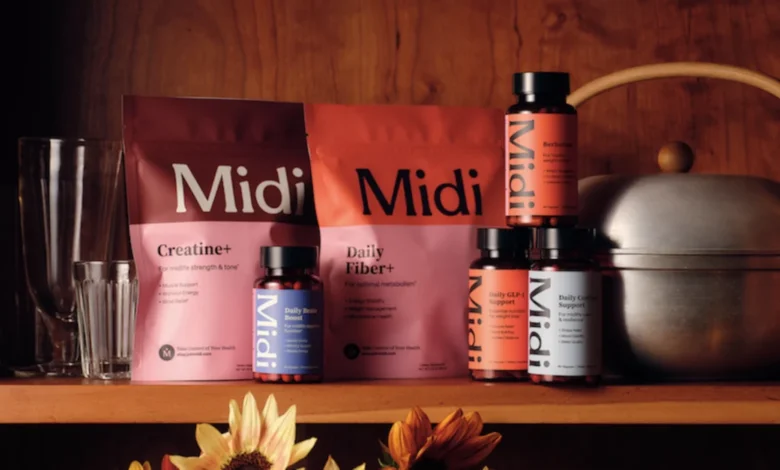
The transition into perimenopause and menopause represents a significant physiological shift for women, yet the medical community has historically left a void in comprehensive, accessible care for those in their 30s, 40s, and 50s. Recognizing this deficiency, Midi Health, a virtual care clinic specializing in midlife women’s health, has introduced a new line of science-backed supplements designed to address the specific metabolic, cognitive, and hormonal challenges associated with this life stage. The launch marks a pivotal moment in the "menopause economy," shifting the focus from general wellness to clinical-grade, symptom-specific interventions that complement traditional lifestyle factors such as exercise, nutrition, and sleep.
While foundational health habits—including cardiovascular training, resistance exercise, and proper hydration—remain essential, clinical experts note that the hormonal fluctuations of midlife often require additional support. Symptoms such as perimenopausal brain fog, sudden weight gain, increased anxiety, and sleep disturbances are frequently resistant to lifestyle changes alone. Midi Health’s new product suite, formulated by women’s health specialists, aims to provide targeted relief through ingredients like berberine, creatine, and specific fiber blends, targeting the root causes of midlife discomfort rather than merely masking the symptoms.
The Evolution of Midlife Women’s Healthcare
For decades, the medical approach to perimenopause and menopause was characterized by a "wait and see" attitude, or worse, the dismissal of symptoms as inevitable parts of aging. The timeline of women’s health shifted dramatically in the early 2000s following the initial reports from the Women’s Health Initiative (WHI), which led to a widespread decline in the use of Hormone Replacement Therapy (HRT) due to concerns that were later clarified and contextualized. This created a generation of women who navigated hormonal transitions with limited pharmacological or supplemental support.
In the last five years, however, a resurgence of interest in midlife health has emerged. The rise of "FemTech" and specialized telehealth platforms like Midi Health has allowed for a more nuanced conversation regarding the "second act" of a woman’s life. This chronology of care has moved from silence to clinical advocacy, leading to the development of products that bridge the gap between basic multivitamins and prescription medications. The current market now demands evidence-based solutions for symptoms that affect not just physical health, but professional productivity and quality of life.
A Scientific Breakdown of Targeted Interventions
Midi Health’s supplement line is categorized by the specific physiological disruptions it intends to mitigate. Each formulation is rooted in clinical research regarding how certain compounds interact with a female body undergoing hormonal shifts.
Metabolic Support and Berberine+
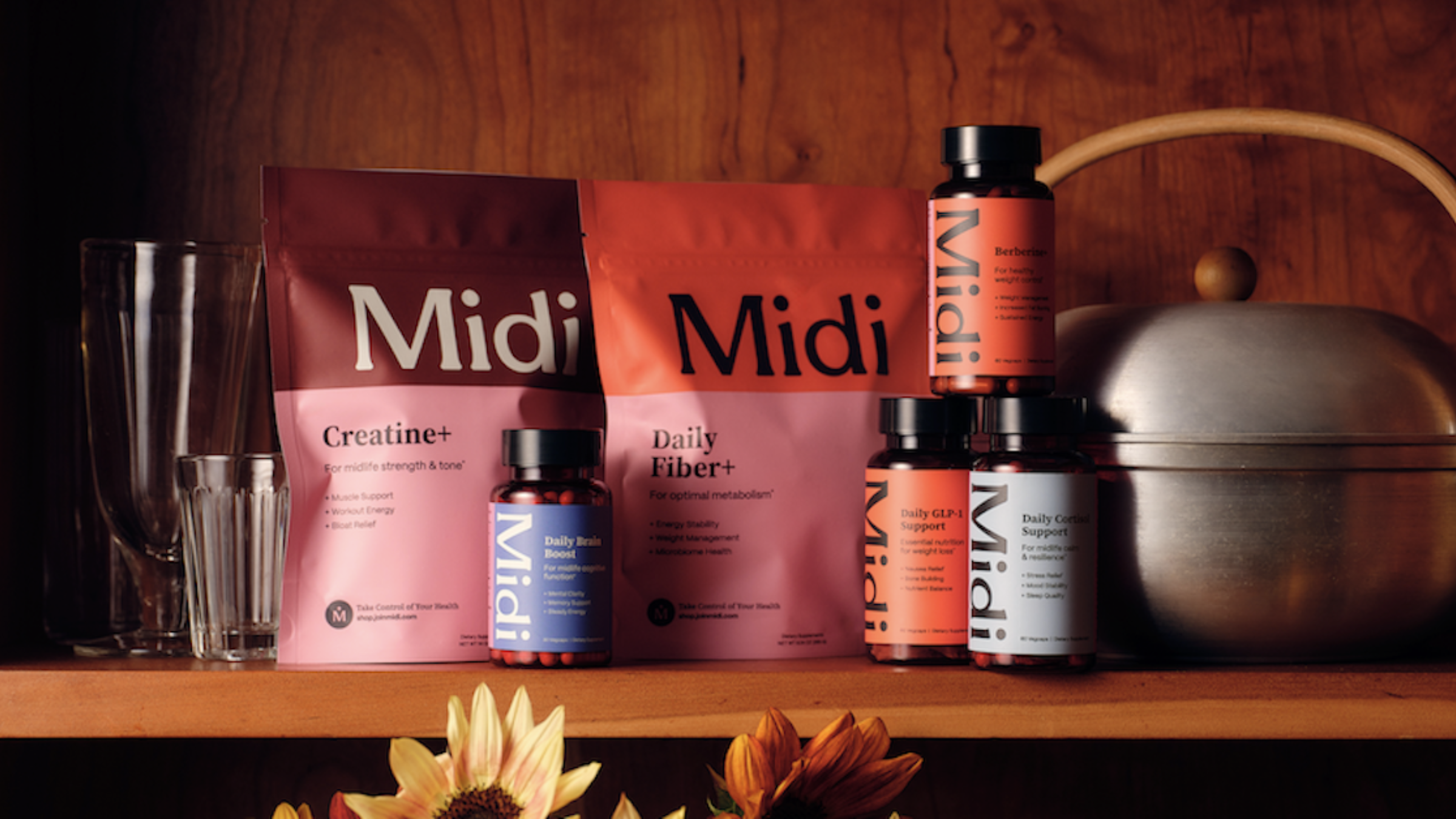
One of the most common complaints during the menopausal transition is "menopause belly" or weight gain that occurs despite no change in diet or activity. This is often linked to declining estrogen levels, which can lead to increased insulin resistance. Berberine, a bioactive compound extracted from several different plants, has gained traction in clinical circles for its ability to improve metabolic health. The Midi Health Berberine+ formula utilizes a slow-release mechanism to support glucose metabolism and energy balance. By targeting the AMPK pathway—often called the "metabolic master switch"—berberine helps the body process fats and sugars more efficiently, providing a non-pharmaceutical option for weight management.
Cognitive Clarity and Brain Support
"Brain fog" is more than a minor inconvenience; for many professional women, it represents a threat to their careers. Estrogen receptors are located throughout the brain, particularly in the hippocampus and prefrontal cortex. As levels fluctuate, cognitive processing, memory, and focus can suffer. The Daily Brain Boost and Daily Cortisol Support supplements are designed to address this neurological volatility. The latter focuses on the HPA (hypothalamic-pituitary-adrenal) axis, using adaptogens to modulate the body’s stress response. By stabilizing cortisol levels, these supplements aim to reduce the "wired but tired" feeling common in perimenopause, allowing for better sleep and sharper cognitive function during daylight hours.
The Shift in Creatine Usage
Creatine monohydrate has long been associated with male bodybuilding, but recent data suggests it may be one of the most beneficial supplements for aging women. As estrogen declines, women face an increased risk of sarcopenia (muscle loss) and reduced bone density. Midi Health’s Creatine+ is formulated to be gut-friendly, addressing the bloating issues some users experience with standard powders. Clinical studies indicate that creatine support can improve muscle protein synthesis and even provide neuroprotective benefits, helping women maintain strength and mental energy through their 50s and beyond.
Supporting Data: The Economic and Health Impact of Menopause
The necessity for targeted health interventions is supported by staggering data regarding the impact of untreated menopausal symptoms. According to a study by the Mayo Clinic, menopausal symptoms cost American women an estimated $1.8 billion in lost working time per year. Furthermore, when accounting for increased healthcare expenses, the total economic burden exceeds $26 billion annually in the United States alone.
Beyond the financial impact, the health data is equally compelling. Approximately 80% of women experience symptoms during the transition, with 25% reporting these symptoms as "severe." Despite this, surveys of medical residents show that fewer than 20% of OB-GYN residents receive formal training in menopause management. This "knowledge gap" in the traditional healthcare system is what has driven the demand for specialized platforms like Midi Health. By providing supplements that are "evidence-informed," these organizations are attempting to standardize a level of care that has been inconsistently applied in general practice.
The Intersection of GLP-1 Medications and Midlife Care
A unique addition to the Midi Health suite is the Daily GLP-1 Support. As medications like semaglutide and tirzepatide become more prevalent for weight management and metabolic health, a new set of challenges has emerged. Many women in midlife are turning to these GLP-1 agonists to combat hormone-related weight gain, but these medications can often lead to side effects such as nausea, muscle loss, and nutritional deficiencies.

Midi Health’s support formula is designed to ease the gastrointestinal transition associated with these drugs while ensuring that the body receives the necessary nutrients to maintain energy. This reflects a broader trend in the pharmaceutical industry where "companion supplements" are developed to optimize the efficacy of high-potency medications. For women in perimenopause, who may already be struggling with digestive sensitivity, this targeted support is a critical component of a holistic treatment plan.
Official Responses and Clinical Philosophy
The leadership at Midi Health emphasizes that these supplements are not intended to replace a medical consultation but to serve as a vital component of a "whole health toolkit." In statements regarding the launch, the company’s medical experts, including leading physicians in the field of endocrinology and gynecology, noted that the goal is to help women "thrive, not just survive."
"Every formula we offer is designed by leading physicians to meet the real needs of women at 30, 40, and 50+," the company stated. This physician-led approach is intended to distinguish the brand from the "gray market" of wellness supplements that often make hyperbolic claims without clinical backing. By focusing on science-backed ingredients like Chromium Picolinate for nutrient processing and prebiotic-rich green banana powder for gut health, the brand is positioning itself as a clinical partner in the aging process.
Broader Impact and Implications for the Future
The launch of the Midi Health supplement suite is indicative of a larger cultural and medical shift. As the "Baby Boomer" and "Gen X" cohorts demand better solutions for aging, the healthcare industry is being forced to innovate. The implications of this shift are manifold:
- Normalization of the Conversation: By marketing products specifically for "perimenopausal brain fog" and "menopausal weight gain," companies are helping to destigmatize these conditions, encouraging more women to seek help rather than suffering in silence.
- Personalized Medicine: The move toward symptom-specific supplements suggests a future where women’s health is increasingly personalized. Rather than a one-size-fits-all multivitamin, women can curate a regimen that addresses their specific hormonal profile.
- Integrative Care Models: The success of these products highlights the effectiveness of an integrative model that combines virtual clinical care with physical products. This "closed-loop" system allows providers to monitor patient progress more closely and adjust recommendations based on real-world outcomes.
As research continues to evolve, the integration of targeted supplementation with traditional medical care is likely to become the standard for midlife women’s health. For the millions of women currently navigating the complexities of perimenopause and menopause, these advancements offer a roadmap toward maintaining vitality, productivity, and overall well-being during their "second act." Through the combination of rigorous scientific inquiry and a deep understanding of the female experience, the healthcare industry is finally beginning to provide the support that midlife women have long deserved.
Related posts: