Why Kamalame Cay Remains the Ultimate Caribbean Private Island Sanctuary for Repeat Travelers

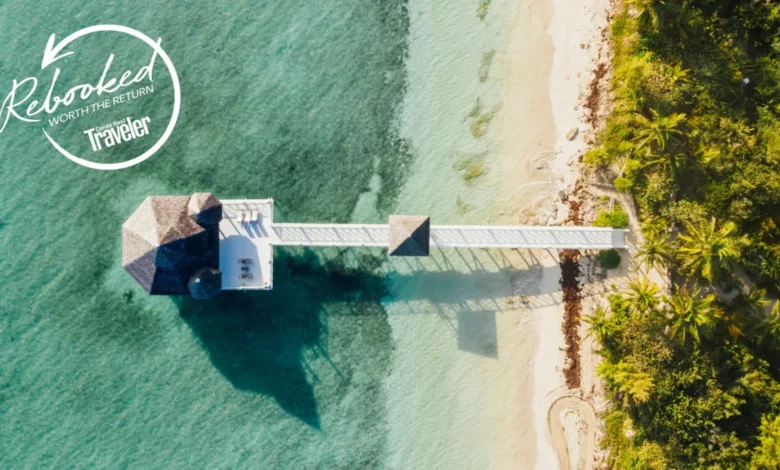
The pursuit of untouched coastal destinations has become an increasingly complex endeavor for modern travelers navigating the saturated landscape of global tourism. As traditional hotspots across the Caribbean experience exponential commercial development and rising visitor volumes, discerning travelers frequently redirect their focus toward secluded private island retreats that prioritize ecological preservation and low-density hospitality. Among these hidden sanctuaries, Kamalame Cay—a 96-acre private barrier island off the coast of Andros in the Bahamas—has emerged as a benchmark for barefoot luxury, drawing a loyal clientele of travel journalists, conservation-minded vacationers, and seclusion-seekers who return year after year.

The Evolution of Caribbean Tourism and the Quest for Isolation
For decades, the broader Caribbean archipelago has served as a primary destination for international travelers drawn to its translucent turquoise waters and fine-sand shorelines. However, the rapid expansion of mass tourism infrastructure across major hubs, including parts of the Turks and Caicos Islands, has fundamentally altered the character of several traditional vacation destinations. While these regions maintain their natural appeal, the influx of high-density commercialization has catalyzed a counter-trend among travelers seeking uncrowded environments.
This shift in consumer preference underscores a growing demand for sustainable tourism models that limit human impact on fragile marine and terrestrial ecosystems. Islands that successfully restrict large-scale commercial footprints offer a distinct alternative, prioritizing intimate guest capacities and environmental stewardship over rapid expansion. Kamalame Cay exemplifies this philosophy, operating as a privately owned sanctuary where natural habitats remain largely undisturbed by heavy infrastructure.

Geographical Isolation and Seamless Arrival Logistics
Situated off the eastern coast of Andros—the largest island in the Bahamas by land mass, yet home to fewer than 8,000 permanent residents—Kamalame Cay achieves its signature remoteness through deliberate logistical design. The property’s geographic isolation requires travelers to navigate specialized transit routes, reinforcing the sensation of stepping away from conventional civilization.
Guests typically fly into Lynden Pindling International Airport in Nassau before connecting via a short ten-minute commuter flight to Fresh Creek Airport on Andros. Alternatively, the resort operates dedicated Coco seaplanes offering direct service from South Florida to the island’s private shoreline. This controlled accessibility preserves the tranquility of the destination, establishing a clear separation between the pressures of daily life and the seclusion of the resort grounds.
.jpg)
Architecture, Accommodations, and Low-Impact Infrastructure
The physical layout of Kamalame Cay is engineered to harmonize with its tropical environment. Rather than dominating the landscape with multi-story concrete structures, the resort features a collection of 21 seaside rooms, suites, and independently styled bungalows characterized by a barefoot-chic aesthetic. Accommodations utilize whitewashed woods, natural linen textiles, and understated interior design elements that reflect the surrounding marine ecosystem.
In addition to individual bungalows, the resort maintains an extensive portfolio of private villas capable of housing groups ranging from four to twelve guests. To preserve the rustic ambiance of being marooned on an unpopulated island, vehicular traffic is restricted. Guests navigate the 96-acre property via complimentary golf carts, traveling along unpaved, unmarked sandy pathways shaded by dense palm groves and inhabited by thousands of native hermit crabs.

Marine Biodiversity and Surrounding Natural Attractions
The ecological significance of Kamalame Cay extends well beyond its terrestrial boundaries. Andros Island sits adjacent to the Andros Barrier Reef—the third-largest barrier reef system in the world, stretching approximately 200 miles along the island’s eastern seaboard. This subterranean expanse serves as a critical habitat for a vast array of marine life, including sea turtles, stingrays, bonefish, and numerous tropical fish species.
Furthermore, the surrounding marine and terrestrial geography features the world’s highest concentration of blue holes, with more than 200 underwater sinkholes and cave systems distributed across the island’s interior forests and offshore anchor points. These geological formations attract marine biologists, divers, and snorkelers from around the globe, providing specialized recreational opportunities that distinguish Andros from neighboring Bahamian island chains.

On-site amenities at the resort complement the natural environment, including an overwater spa utilizing sustainable skincare formulations such as Osea Malibu products, a freshwater swimming pool, a communal meeting house, and a casual dining pavilion focused on locally sourced seafood and regional produce. Recreational offerings emphasize non-motorized exploration, providing guests with paddleboards, kayaks, and Mongoose fat-tire bicycles for independent navigation of the coastline.
The Broader Impact of Low-Density Hospitality Models
The enduring popularity of low-density private island resorts like Kamalame Cay highlights a broader structural evolution within the luxury travel sector. Industry analysts note a marked preference among high-net-worth travelers for experiential authenticity, mental detachment, and personalized service frameworks that reject rigid corporate formalities in favor of communal, family-style hospitality.

By deliberately capping visitor capacity and maintaining strict environmental safeguards, properties in remote regions such as Andros demonstrate that economic viability in tourism does not inherently require high-volume expansion. As global travelers continue to seek refuge from hyper-connected professional environments and densely populated urban centers, destinations that champion absolute privacy, ecological integrity, and unpretentious service are positioned to define the future standard of upscale coastal travel.