Weighted Vests: The Evolution of Load-Bearing Training from Ancient Warfare to Modern Fitness

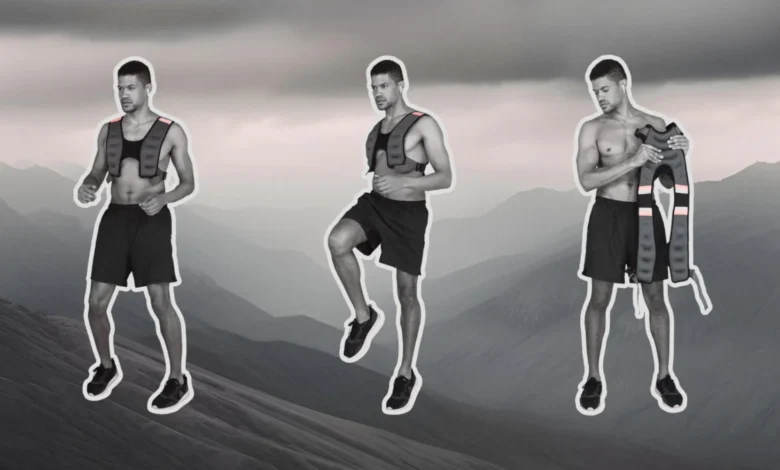
The global fitness landscape is currently undergoing a structural shift toward functional, load-bearing exercise, with the weighted vest emerging as a cornerstone tool for both amateur fitness enthusiasts and clinical rehabilitation patients. As the market for this equipment is projected to reach $350 million by 2033, the rise of the weighted vest represents a unique intersection of historical training methodologies and contemporary exercise science. While often popularized by viral social media trends and celebrity endorsements, the efficacy of the weighted vest is rooted in principles of progressive overload and cardiovascular stress, offering a sophisticated alternative to traditional gym-based resistance training.
Historical Foundations of Load-Bearing Training
The concept of utilizing external weight to improve human performance is far from a modern innovation. Historically, the most prominent application of load-bearing training originated in Classical Sparta between the 5th and 4th centuries BCE. The Spartan agoge, a rigorous, state-mandated education and military training program, required young men to develop physical endurance through the constant carriage of heavy equipment. Spartan hoplites were expected to traverse significant distances while wearing bronze armor and carrying shields—the aspis—which alone weighed approximately 15 pounds and measured roughly three feet in diameter.
This historical precedent established a fundamental doctrine in military science: the soldier’s capacity for endurance is inextricably linked to their ability to sustain physical output while burdened with gear. In contemporary military operations, this tradition persists, albeit with modern materials. Former U.S. Air Force survival, evasion, resistance, and escape (SERE) specialist Cal Coblentz notes that load-bearing is a baseline requirement for service members. During specialized missions, it is common for personnel to carry packs exceeding 100 pounds. While commercial weighted vests generally range between 5 and 50 pounds, the principle remains consistent: incremental loading increases metabolic demand and fortifies the body against the stresses of sustained activity.
Clinical Applications and Physical Therapy Integration
Before transitioning into the mainstream consumer fitness market, weighted vests were primarily utilized in clinical settings. Physical therapists have long employed lighter, adjustable vests to facilitate recovery following musculoskeletal injuries and to enhance cardiovascular markers in patient populations.
The clinical logic behind the weighted vest is the concept of evenly distributed loading. Unlike holding dumbbells or carrying a child in a front-facing harness—which creates an uneven center of gravity and can lead to compensatory strain in the lower back—a properly fitted vest distributes mass across the torso. This configuration allows for "progressive loading" during functional movements such as walking, lunging, or squatting without requiring the grip strength or isolated joint stabilization necessary for traditional heavy lifting.
For aging populations or those recovering from orthopedic trauma, this method offers a critical advantage. Research suggests that weighted vest training can assist in mitigating bone density loss, provided the load is introduced gradually. By engaging the core musculature to maintain an upright posture, users can achieve higher levels of skeletal and muscular stimulation without placing excessive torque on vulnerable joints, such as the wrists or elbows.
Supporting Data and Physiological Impact
Recent scientific inquiries have sought to quantify the physiological benefits of vest-based training. A 2026 study published in the journal Physiological Reports examined the cardiovascular impact of weighted vests on individuals classified as obese. The findings demonstrated that participants wearing a vest equivalent to 15 percent of their body weight experienced a significantly higher heart rate and overall cardiovascular workload compared to those wearing a vest representing only 1 percent of their body weight.
This data underscores a vital distinction in training theory: while weighted vests improve heart rate and aerobic capacity, they are not direct substitutes for high-intensity resistance training. According to Peter Mason, a physical therapist specializing in athletic performance, the primary benefit of the vest is "general conditioning." For athletes seeking substantial gains in force capacity or maximum strength, the limitations of vest-based loading become apparent. He suggests that while a vest provides an effective stimulus for endurance, it does not provide the "meaningful improvements in force capacity" that heavy external resistance—such as barbell squats or deadlifts—offers to an advanced athlete.
Chronology of the Modern Fitness Trend
The current surge in weighted vest popularity can be mapped through a series of key events:
- 2021: The publication of Michael Easter’s The Comfort Crisis is widely credited by media analysts as the catalyst for the modern "rucking" and weighted-vest trend. The book emphasizes the health benefits of integrating natural, low-level physical challenges into daily life.
- 2025: The weighted vest market reaches a critical inflection point as mainstream fitness platforms, including Peloton, integrate weighted-vest-specific workouts into their digital libraries. Instructor Rebecca Kennedy reported that the response from the fitness community indicated a high "appetite" for structured, vest-based training.
- 2026: Market analysts at Forbes project that the global valuation of the weighted vest sector will continue to scale, reaching an estimated $350 million by 2033, driven by a growing preference for "functional fitness" over traditional machine-based gym routines.
Guidelines for Implementation
The adoption of a weighted vest should follow a systematic approach to ensure safety and efficacy. Experts recommend that beginners start with a load no greater than 5 percent of their total body weight. For a 160-pound individual, this equates to an 8-pound vest. Frequency should be limited to one or two non-consecutive sessions per week to allow for recovery.
As the user adapts, the load can be increased to a target range of 10 to 15 percent of body weight. The primary indicator for success is the maintenance of proper movement mechanics; if the load causes a deviation in gait or induces pain, the weight should be reduced immediately. Proper fit is equally critical; the vest must be snug enough to prevent chafing and shifting, yet loose enough to avoid restricting the chest cavity, which could impede natural breathing rhythms.
Contraindications and Safety Considerations
Despite the versatility of weighted vests, they are not appropriate for all individuals. Clinical guidelines advise that those who are pregnant or in the immediate postpartum phase exercise extreme caution. Individuals managing pelvic floor symptoms—such as heaviness or incontinence—should consult with a healthcare provider before using a vest, as the downward pressure can exacerbate these issues.
Furthermore, individuals with pre-existing spinal conditions, such as diagnosed vertebral fractures, or those experiencing uncontrolled balance issues, should avoid weighted training. The risk of falls increases when a person’s center of mass is modified, particularly for those with compromised stability. If a user experiences dizziness, persistent pain, or abnormal pressure in the joints while wearing the vest, the equipment should be removed immediately.
Broader Implications for Health and Fitness
The mainstreaming of weighted vests reflects a broader societal shift toward "low-barrier" high-impact exercise. By turning a routine walk or a standard bodyweight workout into a load-bearing activity, individuals can significantly increase their caloric expenditure and muscular activation without the overhead of gym memberships or complex equipment.
While the vest is an effective tool for improving cardiovascular health and functional strength, its role is best understood as a supplement to, rather than a replacement for, a comprehensive fitness program. The evidence suggests that for the average person, the weighted vest is a legitimate, scientifically backed method for enhancing general physical preparedness. However, the long-term sustainability of this trend will likely depend on continued public education regarding the proper use of the equipment, ensuring that enthusiasm for the trend does not lead to injury through over-utilization or improper loading.