How to Bring Five-Star Hotel Luxury Into Your Home Using Current Brooklinen Discounts and Promotions

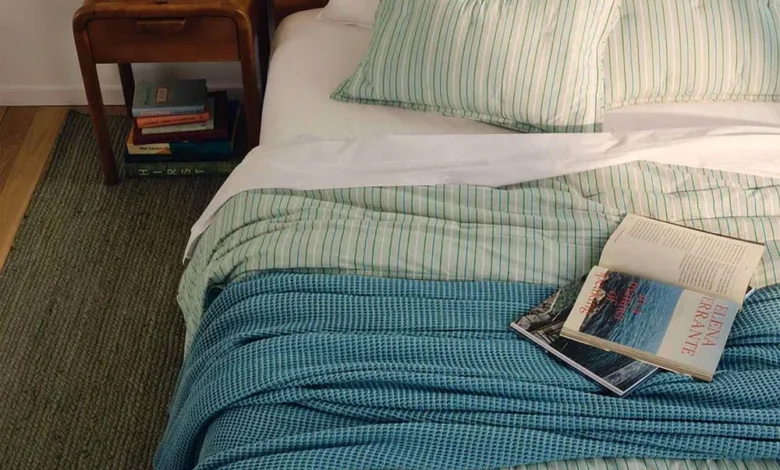
The pursuit of the ultimate sleep experience has increasingly driven consumer spending toward high-end home textiles, as travelers seek to replicate the sensory comfort of luxury hospitality environments within their personal residences. Following a long journey, stepping into a meticulously made bed outfitted with crisp percale sheets, plush duvets, and supportive pillows remains a defining comfort of upscale travel. Recognizing this consumer demand, direct-to-consumer bedding and home goods brands have introduced various promotional strategies to make premium sleep architecture more accessible. Among these market participants, Brooklinen has established a prominent presence, offering a curated selection of discounts, bundle pricing, and clearance events designed to lower the financial barrier to luxury bedding upgrades.
Market Context and the Rise of Direct-to-Consumer Bedding
The direct-to-consumer (DTC) e-commerce model has fundamentally transformed the home textiles industry over the past decade. Traditional luxury bedding was historically restricted to department stores with steep markups driven by multi-tier distribution networks. Emerging brands leveraged online retail platforms to source high-grade materials—such as long-staple cotton, European flax linen, and ethically sourced down—directly from manufacturers and deliver them straight to the consumer.
Brooklinen, founded in 2014 by Rich and Vicki Fulop, entered this market with a focus on simplifying the luxury bedding purchasing process. By cutting out traditional retail middlemen, the company positioned its products as a bridge between exorbitant luxury pricing and low-quality mass-market alternatives. The brand’s product ecosystem expanded rapidly from foundational core sheet sets to encompass duvet covers, heavy blankets, bath towels, loungewear, and specialized travel accessories such as the Marlow pillow line.
As consumer interest in domestic comfort and home improvement surged through the 2020s, retention and acquisition strategies evolved. Promotional codes, tiered bundle discounts, and loyalty incentives became standard mechanisms for driving sales volume while maintaining perceived brand value. Industry analysts note that promotional pricing events serve a dual purpose: they capture price-sensitive first-time buyers while encouraging higher average order values through bundled product offerings.
Current Promotional Offers and Discount Structures
To incentivize new customer acquisition, Brooklinen currently maintains several active discount pathways across its digital storefront. Consumers navigating the site can leverage distinct promotional mechanisms depending on their purchasing history and order composition.
First-Time Purchaser Incentive: 15% Sitewide Discount
For consumers engaging with the brand for the first time, Brooklinen provides an introductory reduction of 15% on qualifying purchases. This sitewide promotion, accessible via the checkout code 15-627820, applies across a broad spectrum of the catalog, including core sheet sets, comforters, bathrobes, and bathroom linens.
Retail market research indicates that first-time buyer discounts are among the most effective conversion tools in the DTC landscape. By lowering the initial financial risk for prospective customers hesitant to invest in premium home goods sight-unseen, brands can successfully capture market share in a competitive sector populated by both legacy textile manufacturers and newer sleep-tech startups.
Email Newsletter Acquisition: $10 Direct Credit
In addition to percentage-based promotional codes, Brooklinen operates a continuous email subscription initiative. Consumers who register their email addresses with the platform receive a direct $10 credit applicable to sitewide purchases.
This marketing strategy serves two primary functions for the enterprise. First, it secures direct-marketing consent, allowing the company to bypass third-party advertising cookies and communicate product launches, seasonal sales, and flash events directly to the consumer inbox. Second, it provides a supplementary micro-discount that can be applied to popular inventory items, such as the Classic Percale Core Sheet Set, the Luxe Sateen Core Sheet Set, or the Washed European Linen Core Sheet Set.
Clearance and End-of-Line Inventory Management: Last Call Section
Inventory turnover remains a critical logistical challenge for home textile brands operating within seasonal design cycles. To manage surplus stock, discontinued colorways, and limited-edition runs, Brooklinen maintains a dedicated clearance portal known as the "Last Call" section.
Current data from the Last Call platform indicates markdown rates reaching up to 78% off original retail values. The inventory featured in this section typically includes select cotton sheet sets, patterned duvet covers, waffle-weave throw blankets, and travel-oriented goods such as the Marlow Mini Pillow, which is currently listed at a 50% reduction.
From an economic perspective, deep-discount clearance sections allow manufacturers to recover warehousing costs and capital tied up in slow-moving inventory while offering budget-conscious consumers access to premium materials at a fraction of their standard cost. However, items purchased through these final sale channels are typically exempt from standard return policies, introducing a higher degree of buyer commitment.
Tiered Bundle Pricing Strategies
Beyond individual coupon codes and clearance markdowns, Brooklinen utilizes structural bundle pricing to encourage larger cart sizes. Industry data consistently demonstrates that bundling complementary items increases overall transaction value while offering perceived savings to the buyer.
The brand’s current seasonal strategy features tiered discounts on curated sleep sets:
- Classic Percale Sheet Bundle: Available at a 30% discount without requiring an active coupon code.
- Luxe Sateen Duvet Bundle: Offered with a 25% price reduction.
- Washed Percale Comforter Bundle: Discounted by 25% across eligible color and size configurations.
These bundles typically combine fitted sheets, flat sheets, pillowcases, and duvet covers into cohesive packages, simplifying the purchasing process for consumers seeking a complete bedroom redesign rather than individual replacement components.
Economic Implications and Consumer Behavior in Home Textiles
The broader economic environment surrounding the home goods sector has experienced notable shifts in recent years. Following pandemic-era surges in home improvement spending, inflation and tightening household discretionary budgets have prompted consumers to seek greater value when purchasing durable household goods.
According to economic analyses of the retail textile market, consumers are increasingly strategic in timing their purchases around promotional events, holiday sales, and loyalty incentives. Brands that rely heavily on direct-to-consumer models must balance margin protection with aggressive discounting to remain competitive against big-box retailers and Amazon-aggregated storefronts.
Brooklinen’s tiered promotional framework—ranging from 15% welcome codes to 78% clearance markdowns—reflects a sophisticated approach to price discrimination. By capturing high-intent, full-price buyers while simultaneously accommodating price-sensitive segments through clearance and bundle promotions, the company maintains revenue velocity across varying consumer demographics.
Methodologies for Selecting Quality Home Textiles
For consumers navigating promotional codes and sales events, industry experts emphasize the importance of understanding textile specifications to ensure long-term durability and comfort. When evaluating bedding products similar to those offered by Brooklinen, several technical factors dictate quality:
- Fiber Composition and Staple Length: Long-staple cotton fibers produce smoother, stronger, and more breathable yarns compared to short-staple alternatives. Materials such as Egyptian, Pima, and Supima cotton are frequently cited for their superior longevity and resistance to pilling.
- Weave Structure: The two primary weaves utilized in luxury bedding—percale and sateen—offer distinct tactile experiences. Percale features a one-over, one-under crisscross weave that yields a crisp, matte finish favored by hot sleepers. Sateen utilizes a four-over, one-under weave pattern that exposes more surface area of the thread, resulting in a heavier drape, a luminous sheen, and a softer hand-feel.
- Flax Linen Production: Sourced primarily from European flax plants, linen bedding is prized for its thermal-regulating properties. Although initially textured, high-grade linen softens significantly with subsequent laundering cycles.
- Environmental and Safety Certifications: Independent verifications, such as OEKO-TEX Standard 100, ensure that textile products are free from harmful levels of toxic residues and synthetic chemicals, a standard increasingly demanded by health-conscious consumers.
Future Outlook for the Direct-to-Consumer Sleep Market
As the direct-to-consumer sleep and textile sector matures, brands are expected to continue refining their promotional models to address rising customer acquisition costs and shifting digital advertising landscapes. The reliance on standalone coupon codes, email capture discounts, and seasonal bundle reductions will likely remain a staple of retail strategy.
For consumers looking to replicate the five-star hospitality experience at home, utilizing verified discount codes such as 15-627820 or monitoring end-of-season clearance portals provides a practical avenue for acquiring high-end home goods without paying full retail premiums. As market competition intensifies, informed shoppers who strategically time their acquisitions will continue to benefit from the aggressive pricing structures deployed across the modern e-commerce landscape.