The contemporary landscape of global travel is undergoing a significant paradigm shift as an increasing number of individuals move away from passive, extractive tourism toward immersive, long-term international engagement. While traditional travel models—characterized by short-term visits to major landmarks and reliance on standardized hospitality services—remain the industry standard, data from the last decade suggests a rising demographic of "working holiday makers." These travelers are prioritizing deeper cultural integration, socioeconomic participation, and long-term residency over the traditional two-week vacation model. This transition is facilitated by a growing ecosystem of support organizations designed to bridge the gap between aspirational long-term travel and the logistical realities of working, volunteering, and living in foreign jurisdictions.
The Limitations of Traditional Tourism
Historically, the tourism industry has been built upon a model of consumption. The typical traveler visits a destination, utilizes local infrastructure for a limited duration, and interacts with the host culture through a surface-level lens. This "extractive" approach often results in a disconnect between the visitor and the local population. Sociological studies on tourism impacts have long highlighted that short-term visitors often inhabit a "tourist bubble," rarely engaging in the labor market or community-building initiatives that define the daily lives of residents.
Furthermore, the rise of the digital nomad phenomenon over the last ten years has attempted to bridge this gap by allowing professionals to maintain their careers while abroad. However, this model has faced criticism for its high barrier to entry. Research indicates that successful digital nomadism typically requires a specific skill set, pre-existing remote employment, and a level of financial stability often unavailable to younger demographics or those entering the workforce. As a result, the market for "working holidays"—programs that integrate individuals into the local labor market—has expanded to meet the demand for a more accessible, sustainable form of international mobility.
The Rise of Structured International Mobility
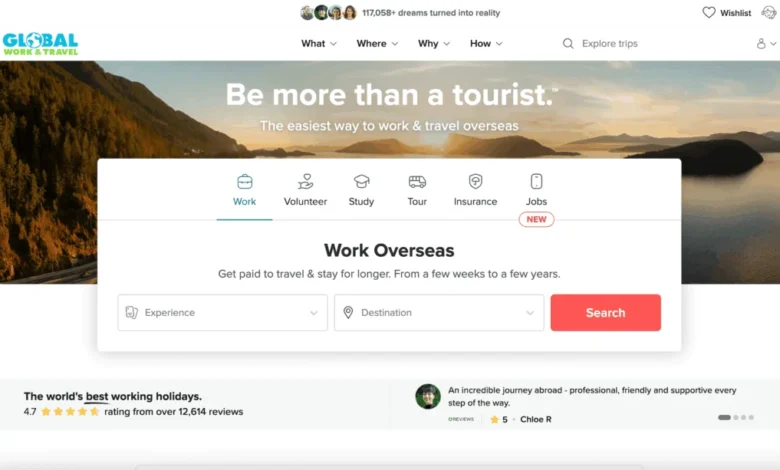
Global Work & Travel, a prominent entity in the international placement sector, has reported a consistent increase in interest regarding gap year programs and working holiday visas. Having facilitated placements for over 116,000 individuals across the United Kingdom, Europe, the Americas, Asia, Africa, and the Pacific over the past two decades, the organization represents a broader trend in how the workforce is becoming increasingly mobile.
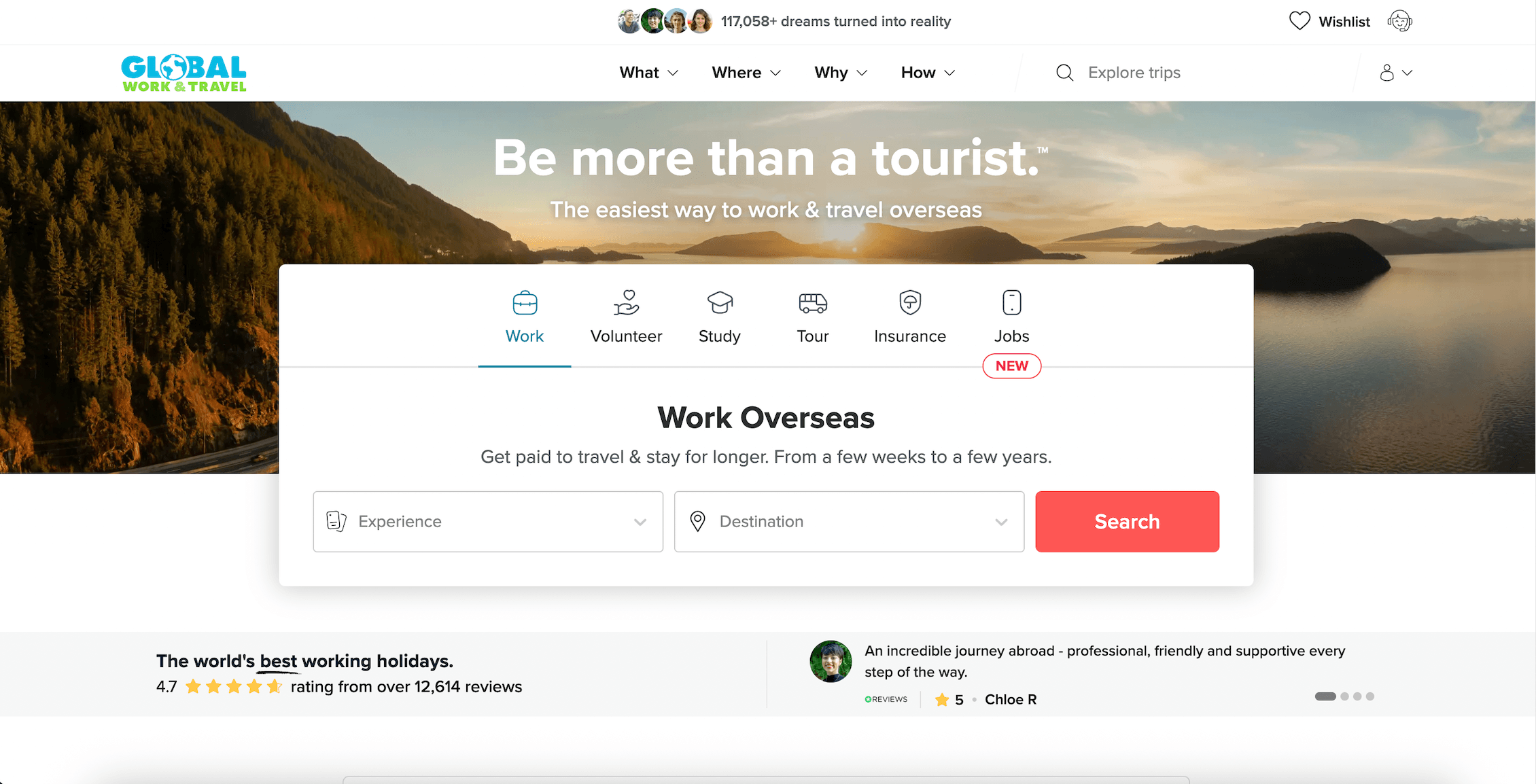
The primary challenge for long-term international residents is the complexity of navigation. Moving to a new country involves a labyrinth of regulatory requirements, including visa procurement, labor law compliance, and securing reliable accommodation. Historically, the burden of these logistics fell entirely on the individual. The current market trend, however, involves the professionalization of the "scaffolding" required for such moves. Organizations like Global Work & Travel provide centralized support systems—often referred to as digital management portals—that streamline the transition process. By handling job matching, pre-departure training, and ongoing in-country support, these entities reduce the attrition rate of individuals attempting to move abroad.
Chronology of the Shift toward Immersive Travel
The evolution of this travel sector can be categorized into three distinct phases:
- The Independent Era (Pre-2010): Travel was largely decentralized. Information was derived from printed guidebooks, and travelers were responsible for independent job hunting and visa navigation. The risks of exploitation or logistical failure were high.
- The Digital Nomad Era (2010–2020): The advent of high-speed internet and cloud-based work allowed for a rise in remote professional mobility. This period established the concept of "living abroad" but was largely restricted to those with pre-existing professional assets.
- The Integrated Era (2020–Present): A focus on structural integration into the local economy. This phase emphasizes the importance of working holiday visas, structured volunteerism, and the removal of professional barriers to entry for younger travelers.
The Role of Ethical Volunteering
Volunteering abroad has faced significant scrutiny in recent years due to the proliferation of "voluntourism," where profit-driven organizations prioritize the traveler’s experience over the actual needs of the host community. In response, a more rigorous, audit-based approach to international volunteering has emerged.
Professional organizations now focus on vetting projects that align with the United Nations Sustainable Development Goals (SDGs). For instance, programs focusing on wildlife conservation in South Africa or elephant rehabilitation in Thailand are increasingly required to demonstrate measurable impact and collaboration with local authorities. By channeling resources into initiatives such as the Global Animal Welfare Fund, these programs ensure that the economic footprint of the traveler provides a net benefit to the local environment and community, rather than merely exhausting local resources.
Economic and Social Implications
The shift toward working holidays carries several macroeconomic implications. For the host countries, these programs often fill critical labor gaps in hospitality, tourism, and agriculture—sectors that frequently struggle with seasonal labor shortages. By participating in the local economy, these travelers contribute to tax revenues and local consumption, fostering a more symbiotic relationship between the host nation and the visitor.
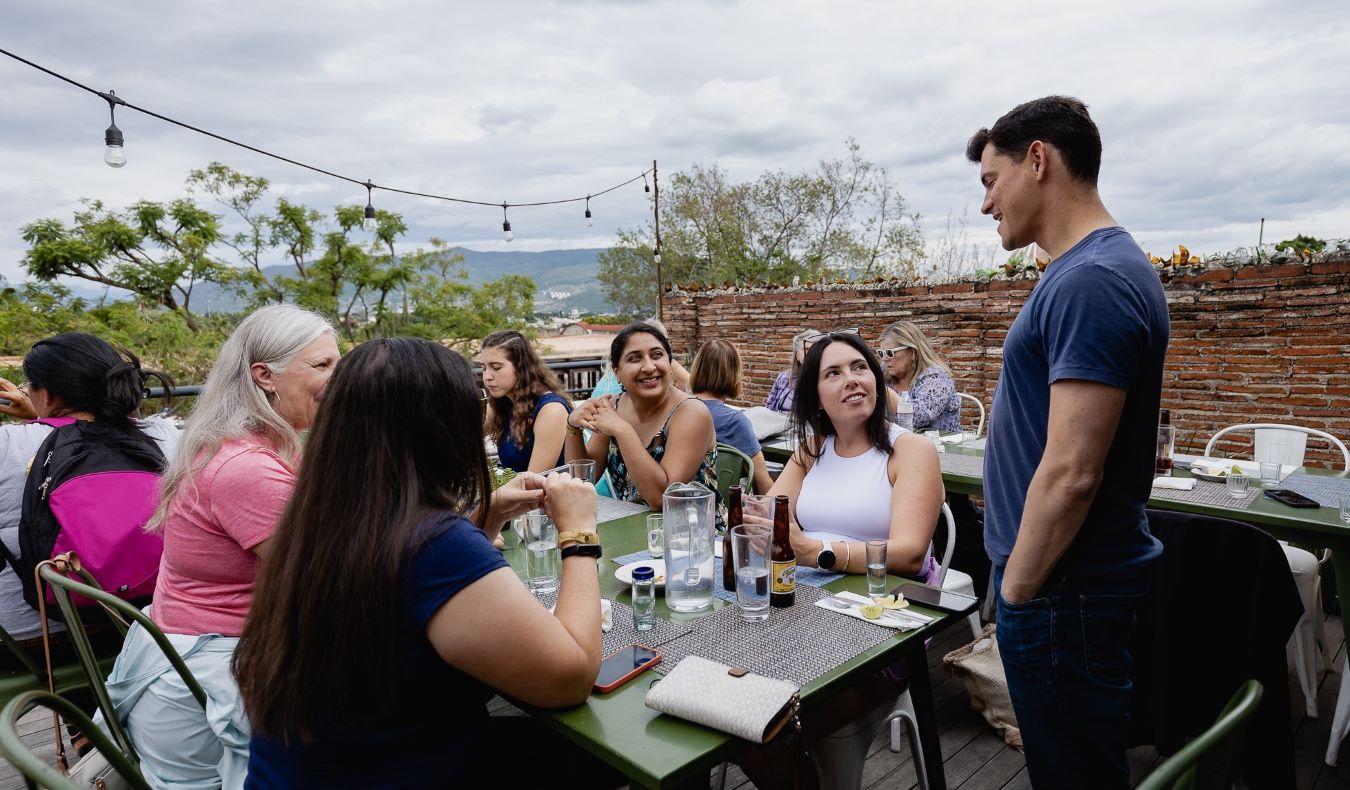
From a sociological perspective, the "working holiday" model facilitates a higher degree of cultural exchange. Unlike the short-term tourist, the working traveler engages with local colleagues, observes local workplace customs, and navigates the mundane aspects of daily life—such as grocery shopping, transportation, and public services. This leads to a more nuanced understanding of the host country, potentially reducing cultural stereotypes and fostering long-term international relationships.
Analytical Perspectives on Future Trends
Industry analysts predict that the demand for these programs will continue to grow as younger generations place higher value on experiential learning over traditional asset accumulation. Furthermore, the standardization of "gWorld" style management apps—which consolidate legal, financial, and logistical data—has made long-term travel as manageable as domestic relocation.
However, challenges remain. As international travel returns to pre-pandemic levels, the strain on housing and infrastructure in popular destinations has led to debates regarding over-tourism. Consequently, the industry is seeing a pivot toward "secondary" and "tertiary" destinations—cities and regions that are eager for economic stimulation and possess the infrastructure to support long-term residents but lack the saturation of global hubs like London or Paris.
Logistical Requirements for Prospective Travelers
For those considering an extended international stay, experts emphasize the necessity of adequate preparation. A 2024 analysis of international mobility suggests that the following pillars are essential for a successful transition:
- Regulatory Compliance: Understanding visa tiers, specifically those pertaining to working holidays, which often have age restrictions (typically 18–35).
- Financial Planning: While working holidays provide income, the initial cost of relocation, including insurance, visa fees, and initial housing, requires a capital buffer.
- Professional Development: Aligning the choice of destination with transferable skills. Many teaching and internship programs require specific certifications, such as TEFL (Teaching English as a Foreign Language), which are often provided as part of the placement package.
- Risk Mitigation: The utilization of comprehensive travel insurance and the reliance on vetted agencies to navigate potential emergencies, such as medical issues or sudden changes in the host country’s regulatory environment.
The movement toward deep, integrated travel represents a maturation of the global tourism sector. As the barriers to entry are lowered through structured programs, the focus is shifting from "seeing the world" to "participating in the world." While this model is not without its complexities, it offers a more sustainable, ethically grounded, and mutually beneficial framework for individuals seeking to expand their horizons beyond the confines of a brief holiday. As these programs continue to refine their methodologies and impact reporting, they are likely to become an integral component of the global labor and travel landscape for years to come.
Related posts: