Emirates Eyes US Expansion to Denver, Detroit, and Philadelphia Driven by New Fleet Deliveries and Resilient Global Demand

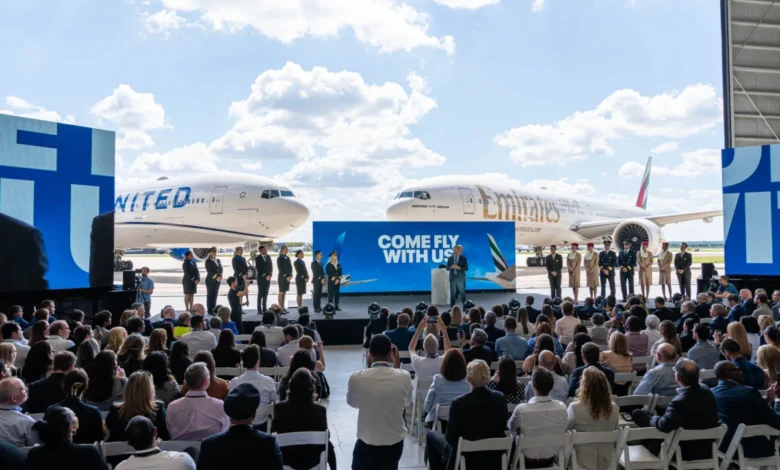
Dubai-based mega-carrier Emirates is showing no signs of slowing down its ambitious global growth trajectory, with airline leadership confirming that the carrier is evaluating several potential new destinations across the United States. Speaking on the sidelines of the Routes World conference, Emirates President Tim Clark revealed that the airline is eyeing prospective routes to Denver International Airport (DEN), Detroit Metropolitan Airport (DTW), and Philadelphia International Airport (PHL).
These prospective gateways form part of an extensive and constantly evolving network expansion list that Clark described as stretching "on and on." As the airline looks toward the latter half of the decade, its strategic focus centers on leveraging next-generation widebody aircraft to unlock profitable new city pairs from its primary hub at Dubai International Airport (DXB).
The carrier’s steady pursuit of new international destinations underscores its resilient business model, which continues to post strong profits and high passenger load factors despite regional geopolitical tensions, volatile jet fuel prices, and broader macroeconomic headwinds. By combining operational efficiency, strategic partnerships, and a dominant hub position in Dubai, Emirates is positioning itself to capture shifting global travel patterns over the coming years.
Expanding the US Footprint: Historical Context and Future Prospects
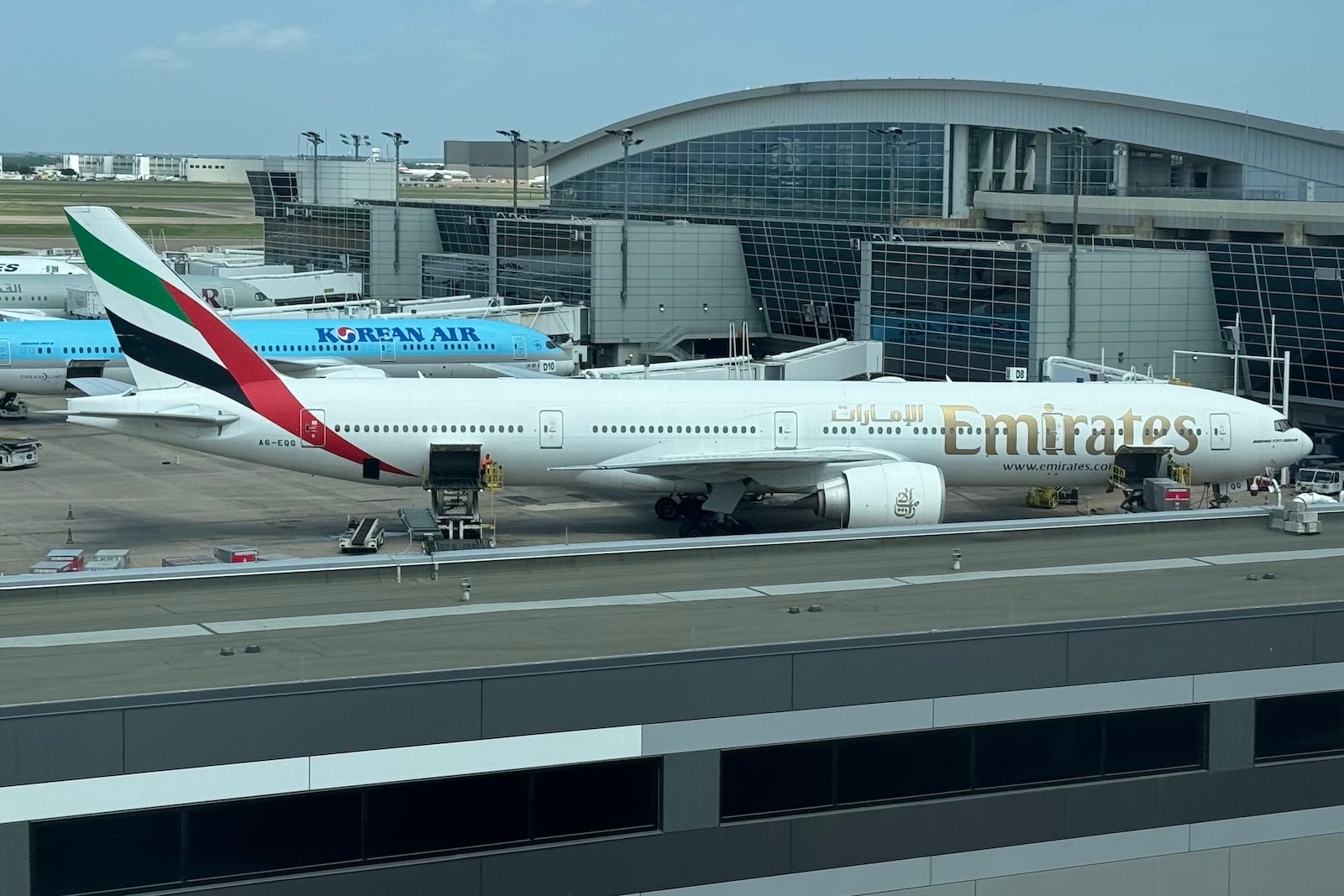
While Emirates boasts a robust network connecting North American travelers to points across the Middle East, Africa, South Asia, and Southeast Asia, adding entirely new U.S. cities has been a measured endeavor in recent years. The airline’s most recent U.S. network addition occurred in 2021, when it inaugurated service to Miami International Airport (MIA), effectively replacing its previous operations to nearby Fort Lauderdale-Hollywood International Airport (FLL). Prior to that, Newark Liberty International Airport (EWR) marked the carrier’s last completely greenfield U.S. route launch back in 2017.
The introduction of potential new gateways such as Denver, Detroit, and Philadelphia would significantly deepen the carrier’s reach into the North American market. Notably, Denver International Airport stands out as a major United Airlines hub that Emirates does not currently serve directly, hinting at how future network maps might intersect with the airline’s broader alliance strategies.
Fleet Modernization: The Catalyst for Long-Haul Growth
The fundamental driver behind Emirates’ aggressive network expansion plans is its massive upcoming fleet transformation. The airline’s current order book includes more than 300 modern widebody aircraft comprising the Airbus A350, Boeing 787 Dreamliner, and the long-delayed Boeing 777X family.
These next-generation aircraft boast superior fuel efficiency, advanced aerodynamics, and optimized cabin configurations, which significantly lower the trip cost per seat. This economic advantage enables airlines to profitably operate point-to-point long-haul routes that previously required complex routing or large-scale connecting traffic to justify.
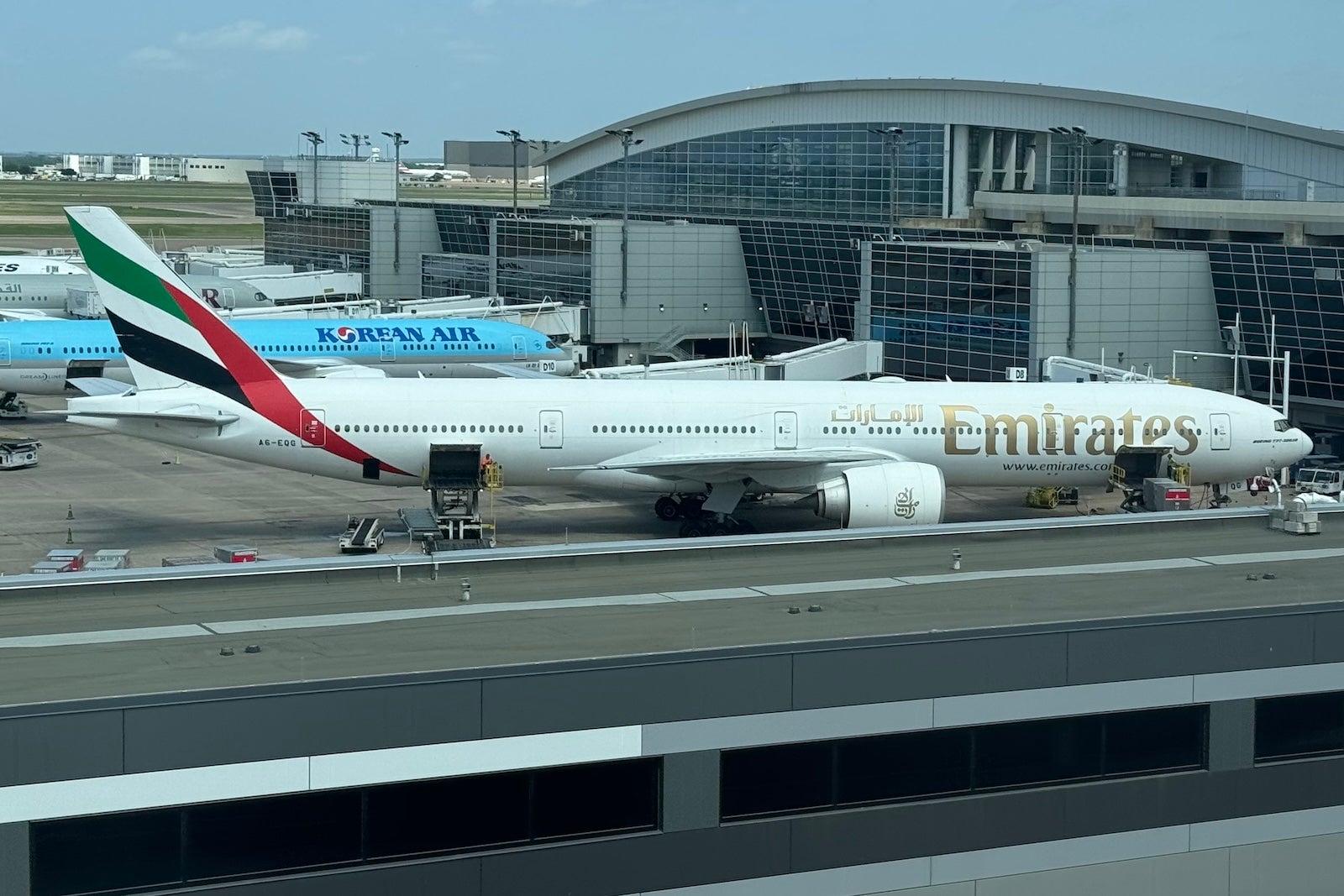
Among the most anticipated deliveries is the Boeing 777-9, which Emirates expects to join its fleet in 2027—falling seven years behind the airframer’s original 2020 schedule. The aircraft, designed to accommodate between 300 and 400 passengers across a multi-class configuration, will serve as the backbone of the airline’s long-haul operations.
While Clark has remained tight-lipped regarding the specific details of the upcoming aircraft interiors, he assured industry observers that the cabin layouts will be stylish, luxurious, and designed to meet high passenger expectations. "Nobody is going to be disappointed regardless of the class of travel they travel in," Clark stated, signaling that the carrier will continue prioritizing premium passenger experience as a key differentiator. In addition to standard 777-9 variants, Emirates retains flexibility within its order book to convert certain positions into smaller 777-8 models or a potential larger 777-10 variant depending on future market demands.
Navigating Geopolitical Friction and High Fuel Costs
Emirates’ ambitious expansion outlook unfolds against a complex backdrop of regional instability. Ongoing conflicts involving Iran and Houthi forces in Yemen have prompted security reassessments and airspace adjustments across the Middle East. Despite these challenges, Clark emphasized that passenger demand across Emirates’ traditional market segments remains exceptionally robust.
The airline has capitalized heavily on its dominant position at Dubai International Airport. Following flight suspensions by several major Western carriers in response to regional escalations, Emirates has absorbed significant transit traffic, effectively funneling passengers through its secure and efficient mega-hub. Clark highlighted destinations like Bangkok as prime examples of this sustained momentum, noting that flights to the Thai capital continue to operate at or near full capacity.

Compounding these operational dynamics is the persistent pressure of high jet fuel expenses. According to trade association data from the International Air Transport Association (IATA), the average global price of jet kerosene stood at $4.58 per gallon during the autumn monitoring period. Despite these elevated operating expenditures, Emirates has maintained a strong financial standing, reporting consistent profitability that underscores the resilience of its global network architecture.
The United Airlines Partnership and Strategic Alliances
A critical component of Emirates’ broader North American strategy is its landmark codeshare and loyalty partnership with United Airlines, which officially launched in 2023. The cooperative agreement bridges the respective networks of Emirates Skywards and United MileagePlus, offering frequent flyers enhanced connectivity, reciprocal earning and redeeming opportunities, and streamlined global travel options.
As part of the initial partnership rollout, United introduced direct service between its Newark Liberty International Airport (EWR) hub and Dubai International Airport (DXB). Although United temporarily suspended the EWR-DXB route in February following regional security developments involving U.S. and Israeli actions concerning Iran, the overarching partnership remains an essential framework for feed traffic.
While Clark did not explicitly link the potential Denver route to United’s domestic hub network, aviation analysts note that expanding service to key domestic fortress hubs naturally creates synergistic opportunities for connecting passengers traveling beyond primary international gateways.

Market Implications and Industry Outlook
The prospect of Emirates expanding into secondary U.S. markets signals a broader evolution in transatlantic and transpacific aviation strategy. By deploying high-efficiency, long-range aircraft like the Boeing 777X and Airbus A350, international carriers can bypass congested primary hubs and offer direct, long-haul connectivity to regional economic centers.
For cities like Denver, Detroit, and Philadelphia, securing direct non-stop service to the Middle East would deliver substantial economic benefits, fostering international trade, tourism, and business investment. Furthermore, increased competition on long-haul corridors typically benefits consumers through enhanced service offerings, modernized cabin products, and more dynamic pricing structures.
As Emirates works toward receiving its first Boeing 777-9 deliveries in 2027 and continues to absorb new Airbus widebodies into its operational fleet, the airline is methodically laying the groundwork for its next chapter of international dominance. With leadership firmly committed to a philosophy that virtually any major global city is within reach, the coming years promise a significant reshaping of long-haul aviation maps connecting the United States to the Gulf and beyond.