Valdivia’s Craft Beer Renaissance: How German Heritage and Seismic History Forged Chile’s Capital of Brews

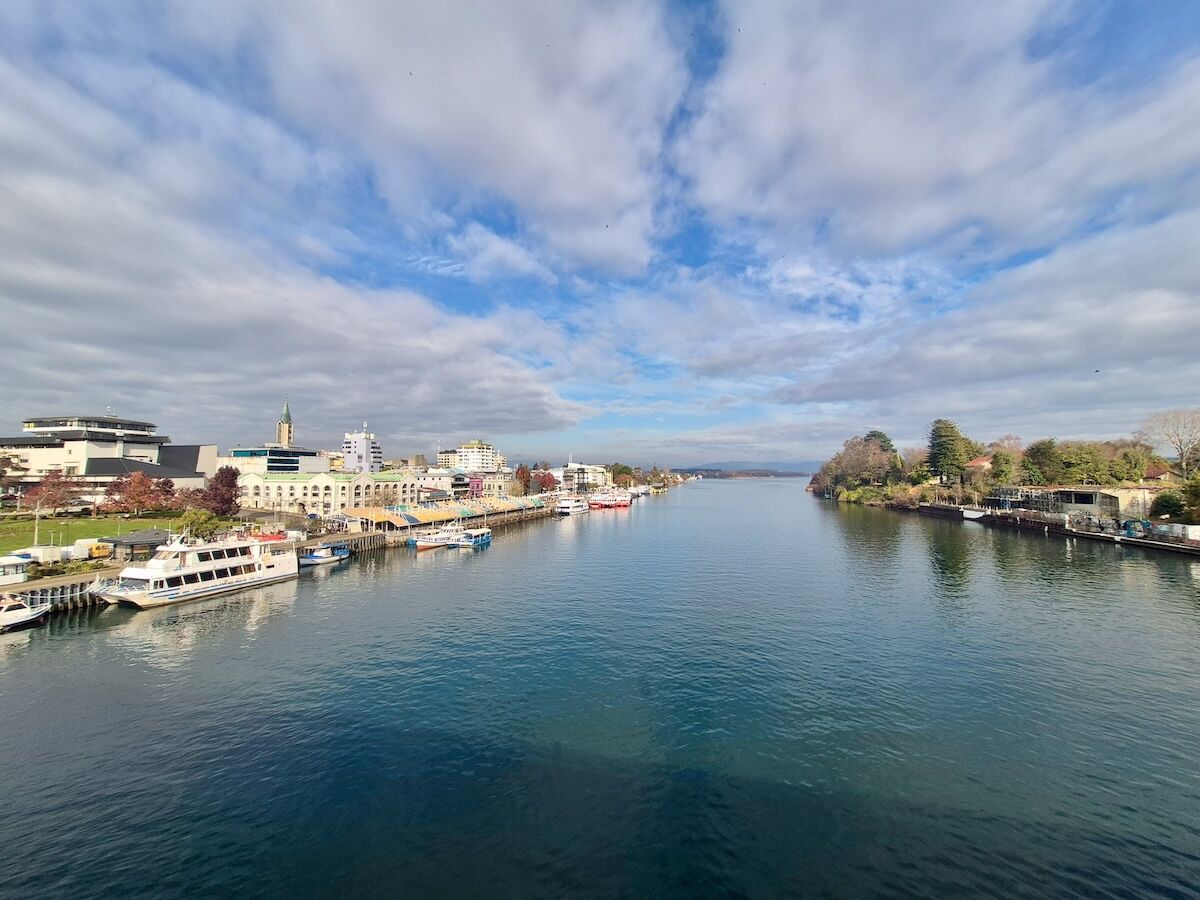
The city of Valdivia in southern Chile stands as a living testament to how nineteenth-century European migration, profound geological transformation, and modern artisanal entrepreneurship can converge to shape a distinct regional identity. Often celebrated today as Chile’s undisputed capital of craft beer, this riverside destination in the Los Ríos Region bridges historical continuity with contemporary economic vitality. Driven by a dynamic brewing sector, a unique aquatic ecosystem shaped by one of the twentieth century’s most powerful earthquakes, and preserved colonial-era fortifications, Valdivia has evolved into a premier cultural and culinary hub in South America.
Historical Foundations and the German Immigration Wave
The roots of Valdivia’s preeminence in brewing trace back to the mid-nineteenth century, a period marked by active state-sponsored colonization of southern Chile. Following legislation enacted under President Manuel Bulnes in 1845, the Chilean government actively recruited European settlers—predominantly from German-speaking lands—to stimulate economic development, agriculture, and industry in the forested frontier south of the Bío-Bío River.
Among these arrivals was Carlos Anwandter, a prominent German immigrant who recognized the region’s abundant freshwater sources and fertile soil as ideal conditions for agriculture and brewing. In 1851, Anwandter established one of Chile’s earliest commercial breweries, laying the groundwork for a regional brewing tradition that would endure for generations. While Anwandter’s original industrial brewery did not survive the ravages of time and subsequent natural disasters, his residential home on Isla Teja—which notably withstood the catastrophic earthquake of 1960—has been preserved as part of Valdivia’s Museum of History and Anthropology, standing as an architectural monument to this era of trans-oceanic migration.
The resurgence of Valdivia’s commercial beer identity gained momentum in the 1990s when Armin Kunstmann revived the defunct tradition by founding Cervecería Kunstmann. What began as a local family enterprise eventually expanded into Chile’s most recognizable craft brewery, anchoring the city’s reputation on the national and international stage. Exhibits within the Kunstmann facility explicitly document the historical contributions of pioneers like Anwandter, bridging nineteenth-century settler history with modern commercial production.
Chronology of Key Milestones in Valdivia’s Development
1845: The Chilean government passes colonization laws to encourage European immigration to the southern provinces.
1851: Carlos Anwandter founds one of Chile’s first commercial breweries in Valdivia, introducing traditional German brewing methods.
May 22, 1960: The Great Valdivia Earthquake—the most powerful earthquake ever instrumentally recorded, reaching magnitude 9.5—strikes southern Chile, causing widespread land subsidence and altering the city’s hydrology.
2007: The Los Ríos Region is officially established as an administrative division, elevating Valdivia to a regional capital and boosting local administrative and tourism initiatives.
1990s–Present: Cervecería Kunstmann and subsequent microbreweries, such as brewpubs founded by international and domestic artisans, diversify the local market, integrating Belgian and American craft methodologies alongside traditional German styles.
Geological Transformation and the Hydrological Landscape
Valdivia’s modern topography and ecological character are intrinsically linked to the seismic event of May 22, 1960. The earthquake, registering an unprecedented magnitude of 9.5 on the moment magnitude scale, unleashed towering tsunami waves along the Chilean coast and caused the land surrounding Valdivia to drop by up to two meters (6.5 feet). This sudden subsidence redirected river systems, submerged agricultural plains, and transformed dry lowlands into expansive wetlands, notably the Cruces River wetlands.
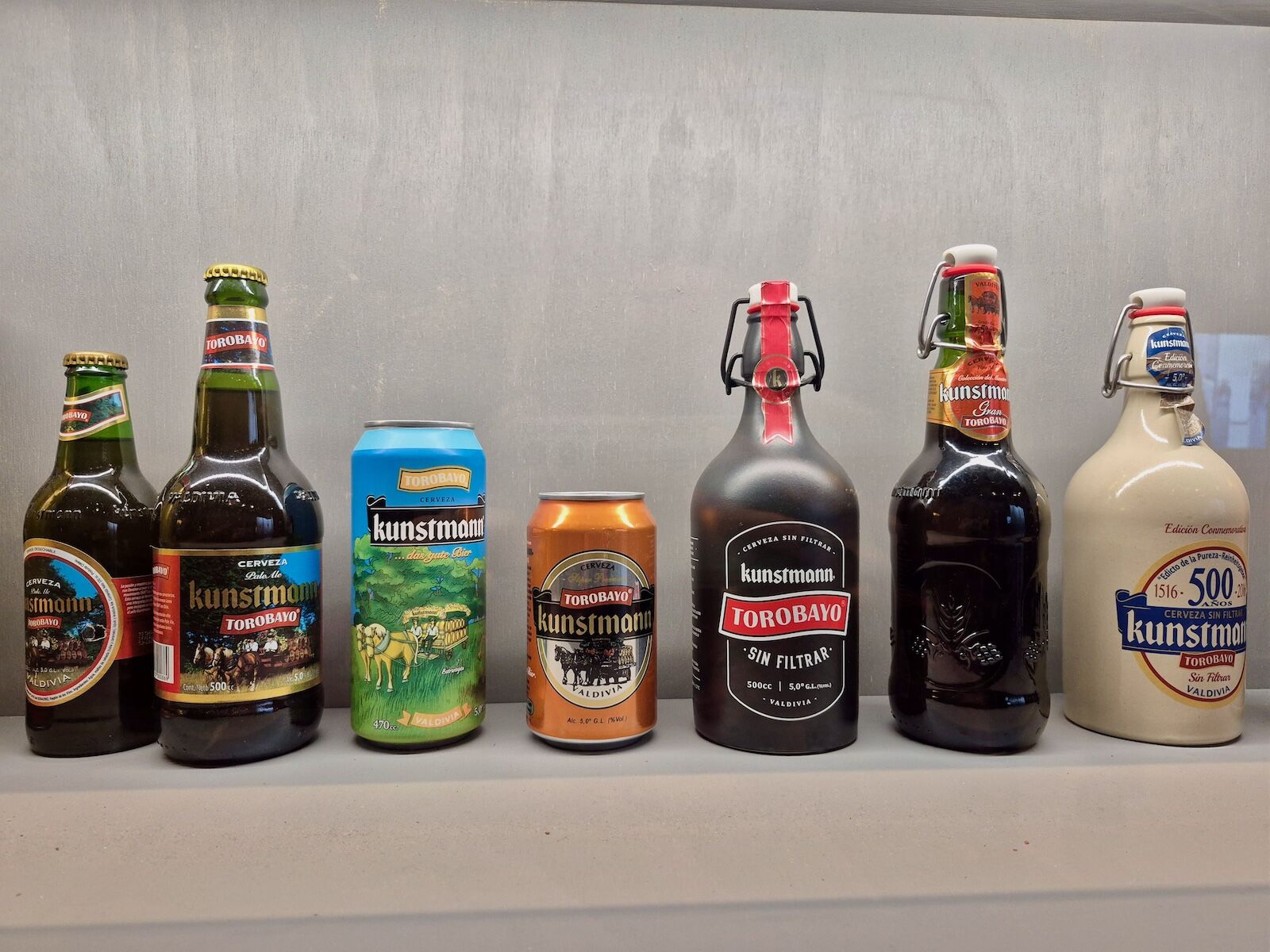
These profound environmental shifts inadvertently created an ideal aquatic ecosystem for brewing operations. Local breweries, including Cervecería Kunstmann, frequently attribute their production successes to the exceptional purity and mineral composition of Valdivia’s water resources, sourced from the surrounding Valdivian temperate rainforests and wetland reserves. Guided facility tours routinely emphasize the delicate ecological balance between the region’s protected watersheds and the consistent quality of its amber ales, lagers, stouts, and IPAs.
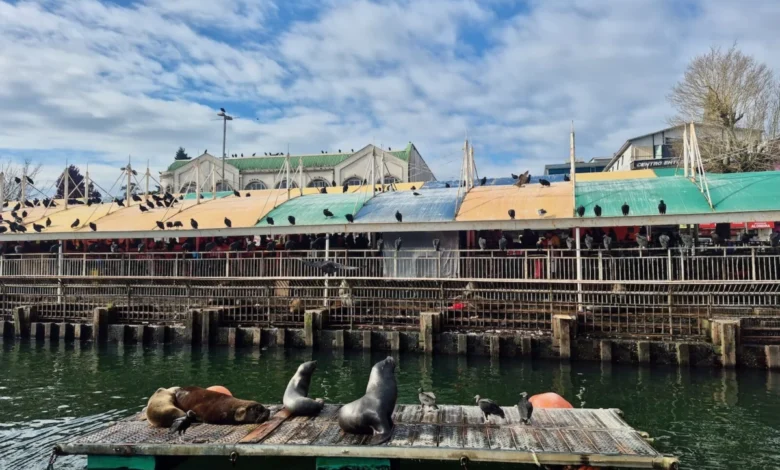
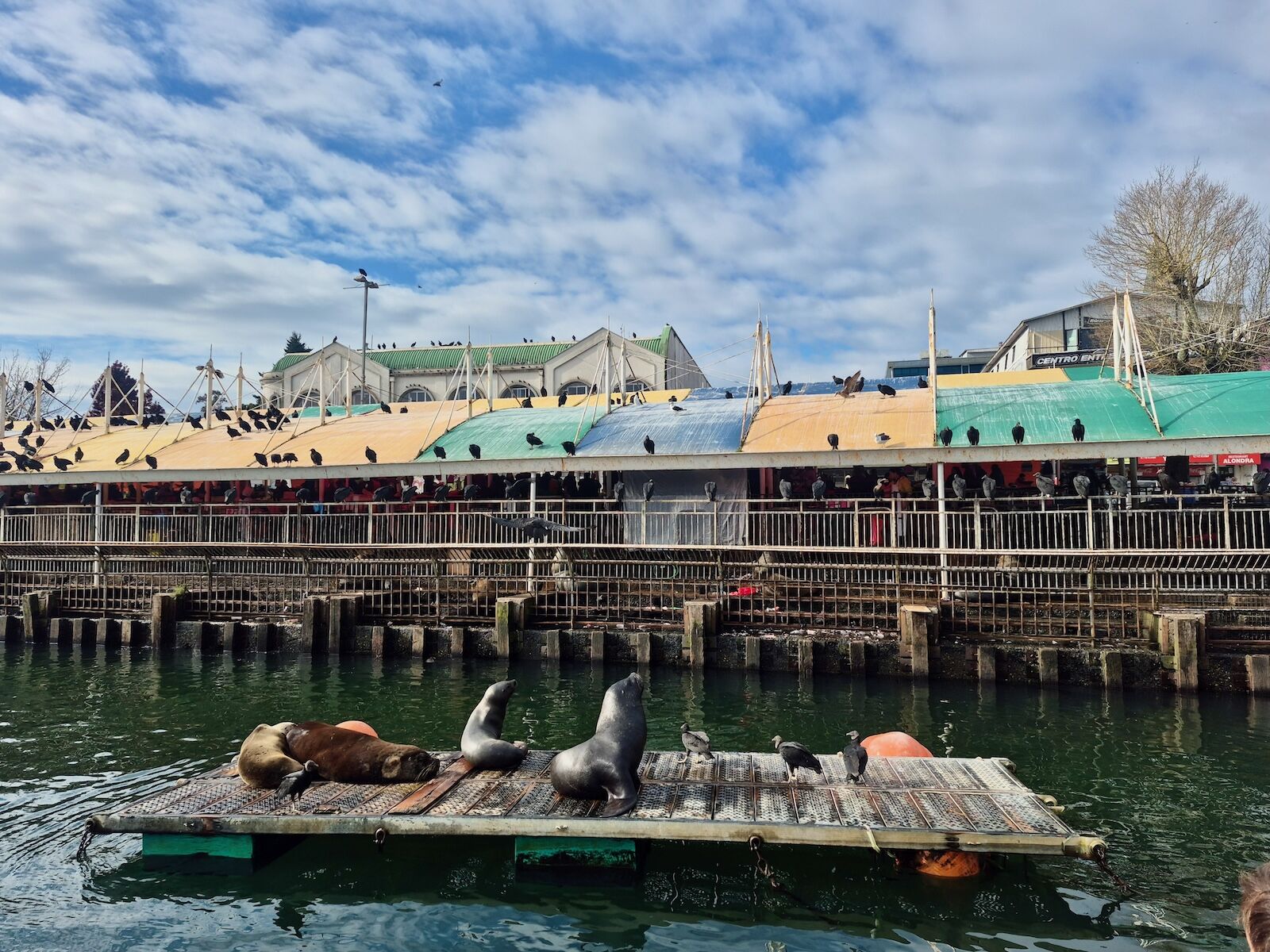
Furthermore, this aquatic environment defines daily urban life in the regional capital. River transport remains integral to both commerce and tourism, with operators such as Kimeltu Los Ríos offering boat cruises along the interconnected waterways. The city’s waterfront is famously shared with a thriving resident colony of South American sea lions (lobos marinos). These marine mammals frequently haul themselves onto the urban walkways near the historic Mercado Fluvial, interacting harmlessly with local fishermen, merchants, and arriving travelers.
Economic Implications and Culinary Integration
The maturation of Valdivia’s beer sector has generated significant economic spillover, transforming the city into a prominent destination for culinary and experiential tourism. Local establishments seamlessly blend German-Chilean heritage into their gastronomic offerings. At Cervecería Kunstmann and various independent brewpubs, menus regularly feature traditional regional specialties such as crudos—a Chilean-German variation of steak tartare—paired alongside malty amber ales, hoppy lagers, and contemporary craft styles.
The diversification of the local beer scene extends beyond traditional German purity laws (Reinheitsgebot). Brewers influenced by American and Belgian craft methodologies have established innovative spaces across the city. For instance, Isla Teja hosts independent operations like El Growler, a brewpub founded by international artisans that integrates industrial-chic design with rotating house IPAs, stouts, and locally sourced comfort foods.
The economic impact of this culinary sector is further amplified by major annual events, most notably the Kunstmann Bierfest held each year from late January into February. Modeled after Munich’s historic Oktoberfest, the festival draws thousands of domestic and international visitors, stimulating the regional hospitality, transportation, and service industries during the peak austral summer season.
Maritime History and Coastal Defenses
Beyond its brewing heritage, Valdivia and its surrounding coastal hamlets preserve extensive layers of colonial military history. Positioned strategically along the estuary leading to the Pacific Ocean, the area was heavily fortified by the Spanish Empire during the seventeenth and eighteenth centuries to protect trade routes and repel foreign incursions by rival European powers and privateers.
In the nearby coastal hamlet of Niebla, the ruins of the Castillo de Niebla stand as a prominent historical attraction. Constructed in the late seventeenth century, the fortress system once featured strategic cannon batteries designed to prevent hostile vessels from entering the Valdivia river network. Today, the site functions as an open-air historical park where visitors can walk among preserved defensive walls and historic armaments against a backdrop of crashing Pacific tides.
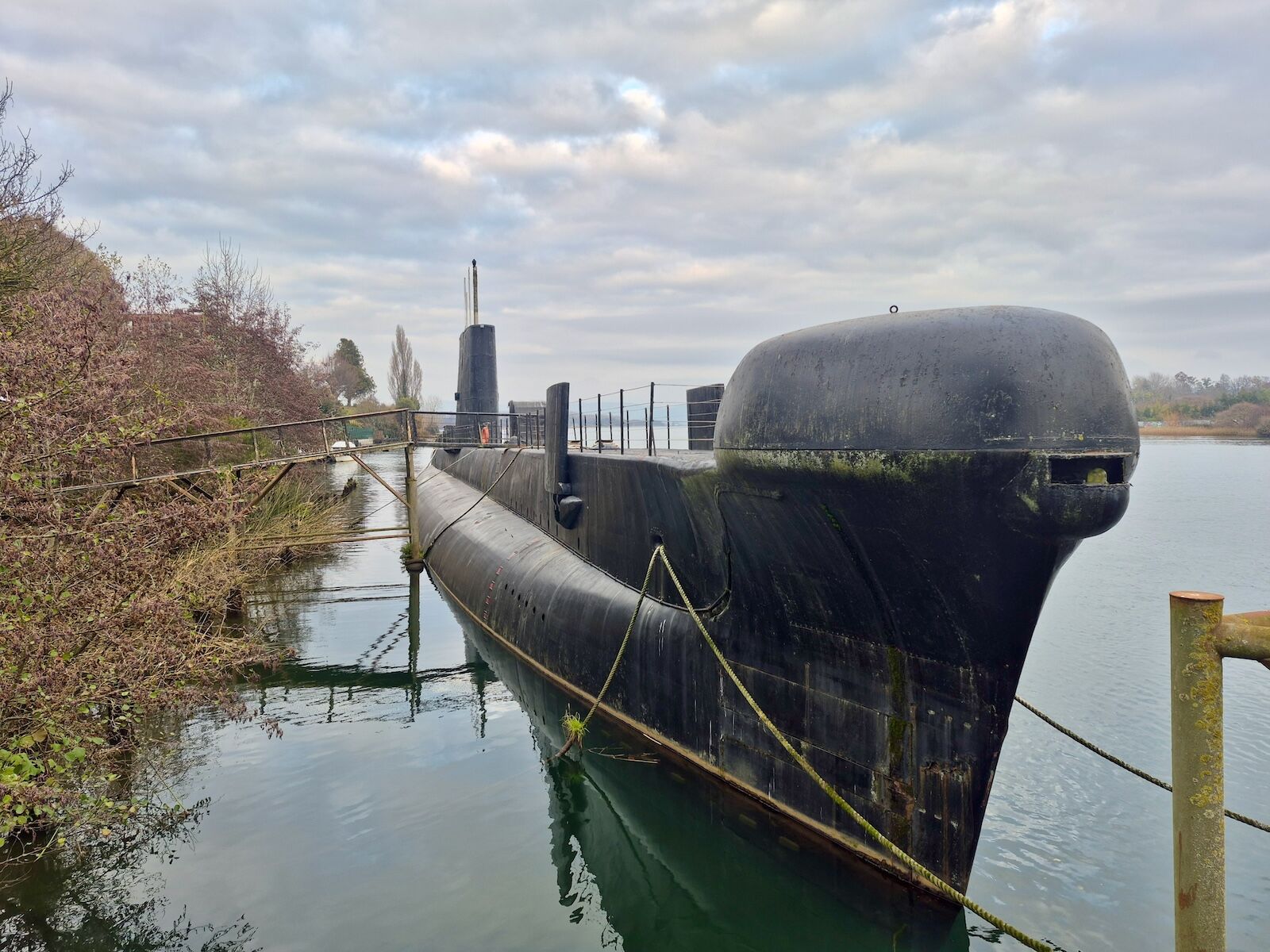
Another prominent structural attraction reflecting Valdivia’s complex maritime history is the O’Brien, a decommissioned Chilean Navy Oberon-class submarine. Engineered in Scotland in 1971 and later acquired by the Chilean naval forces, the vessel was eventually brought ashore to serve as a floating and dry-dock museum. Guided tours provide the public with access to the submarine’s torpedo compartments, engine chambers, and control rooms, offering a tangible look into mid-twentieth-century naval engineering.
Logistical Infrastructure and Tourism Access
Accessibility to Valdivia has steadily improved, supporting its integration into broader southern Chilean travel itineraries. Pichoy Airport serves as the primary commercial aviation hub for the city, connecting Valdivia to national transit networks. Additionally, long-distance coach services operated by major transport companies provide frequent overnight connections from Santiago and Valparaíso.
As a geographical gateway, Valdivia connects seamlessly with regional driving routes through Los Ríos and the neighboring Los Lakes Region, serving as a northern extension or alternative starting point for travelers navigating the scenic Carretera Austral (Route 7). Accommodation options within the city reflect its natural setting, ranging from boutique hotels on Isla Teja featuring river-view hot tubs and nature reserves to urban lodgings within walking distance of the Austral University of Chile’s botanical gardens and central commercial districts.
Through the deliberate preservation of its architectural heritage, the stewardship of its post-seismic wetlands, and the continuous innovation of its craft beverage industry, Valdivia maintains its status as a singular cultural landscape where European immigrant traditions and South American geography continue to intersect.