American Airlines and Starlux Airlines Expand Partnership with New Codeshare Agreement Ahead of Potential Oneworld Integration

The landscape of transpacific aviation is undergoing a subtle yet significant shift as American Airlines deepens its operational ties with Taiwan-based carrier Starlux Airlines. Effective September 30, the two airlines will transition their existing interline agreement into a reciprocal codeshare partnership, streamlining the booking process for passengers traveling between the United States and Taiwan. While the initial scope of the agreement covers select transpacific and domestic connections, industry analysts view this milestone as a foundational step toward a broader commercial alliance and a potential future pathway for Starlux to join the Oneworld global airline alliance.
Core Mechanics of the New Codeshare Agreement
Under the terms of the newly minted agreement, passengers will be able to purchase single-ticket itineraries combining flights operated by both American Airlines and Starlux Airlines. Previously, the carriers operated under an interline arrangement, which permitted through-checked baggage and unified ticketing for multi-leg journeys but lacked the integrated marketing and inventory-sharing benefits of a true codeshare.
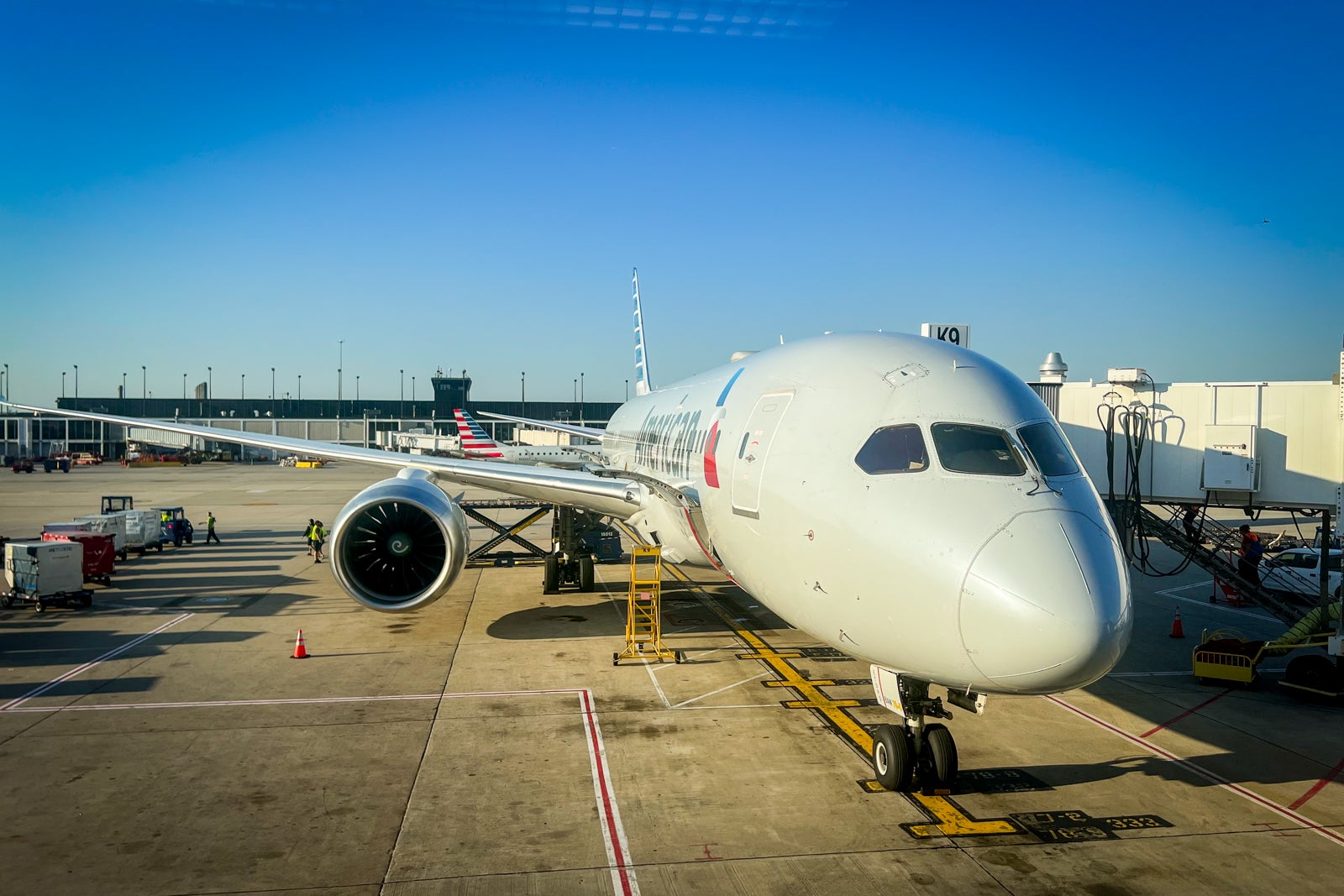
Beginning September 30, travelers will be able to book Starlux-operated flights bearing American Airlines flight numbers. This integration primarily impacts Starlux’s key U.S. gateways connecting Taiwan Taoyuan International Airport (TPE) with four major North American hubs: Los Angeles International Airport (LAX), San Francisco International Airport (SFO), California’s Ontario International Airport (ONT), and Seattle-Tacoma International Airport (SEA).
Conversely, Starlux will place its flight codes on a targeted selection of American Airlines domestic routes. Initially, Starlux flight numbers will be added to 26 domestic segments operated by American Airlines feeding into major West Coast hubs like Los Angeles and Phoenix Sky Harbor International Airport (PHX). Aviation analysts note that this initial footprint is modest by design, allowing both carriers to test system integration and passenger demand before potentially expanding codeshare designations to a larger share of their respective domestic and international networks.
Background Context and Chronological Evolution
The burgeoning relationship between American Airlines and Starlux is built upon a remarkably rapid expansion trajectory for the Taiwanese carrier. Founded by Chang Kuo-wei, the former chairman of EVA Air, Starlux launched commercial operations in January 2020—uniquely timing its market entry at the onset of the global COVID-19 pandemic. Despite the unprecedented headwinds facing the aviation sector at the time, Starlux carved out a distinct market niche by positioning itself as a boutique, luxury-focused airline rather than a traditional legacy carrier or a low-cost operator.
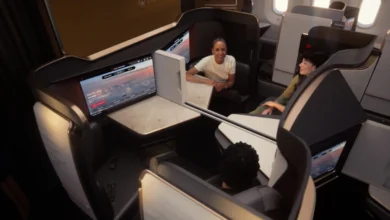
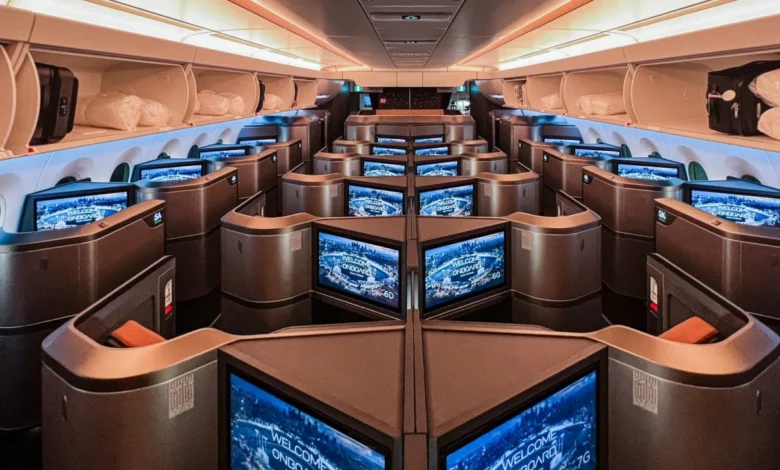
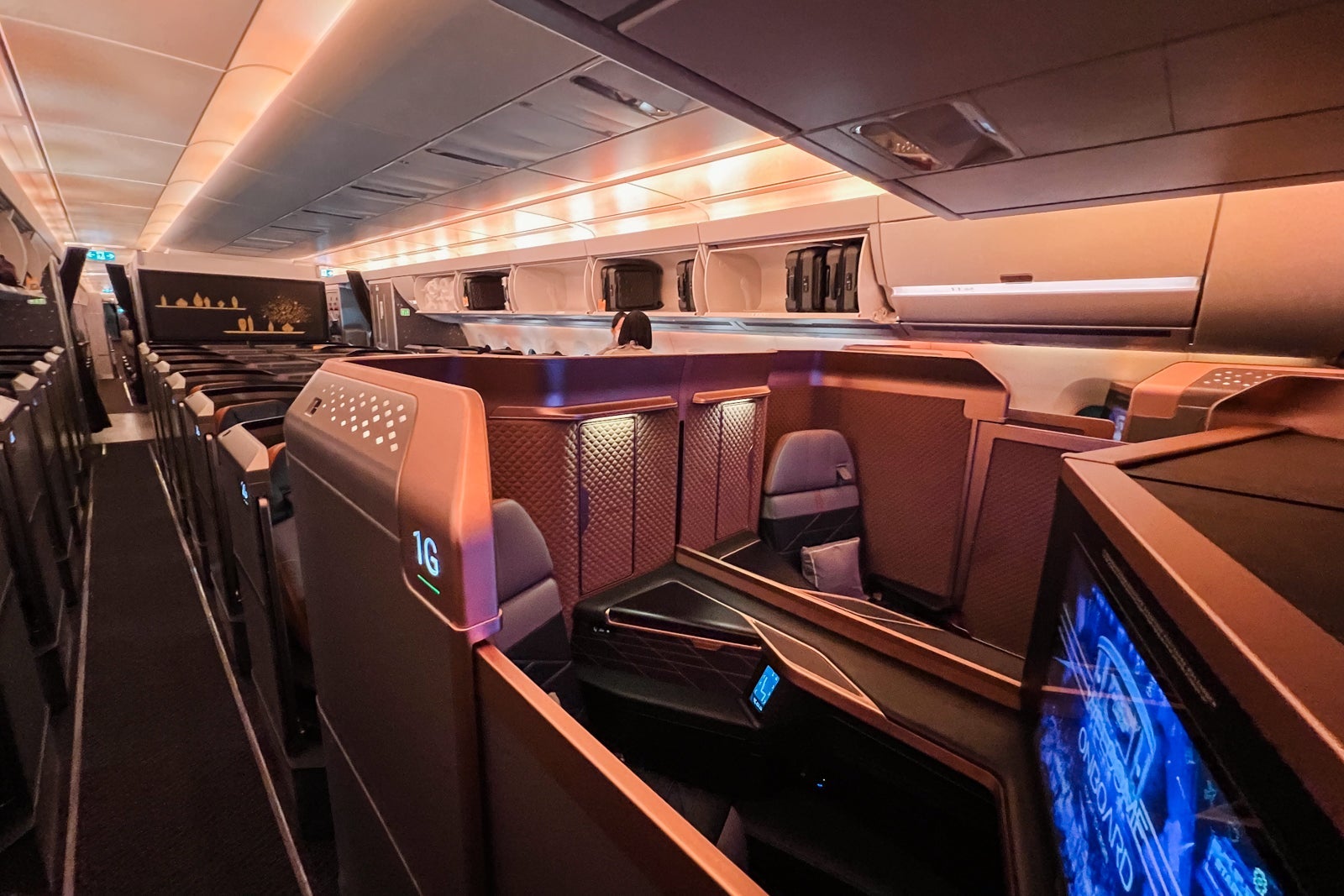
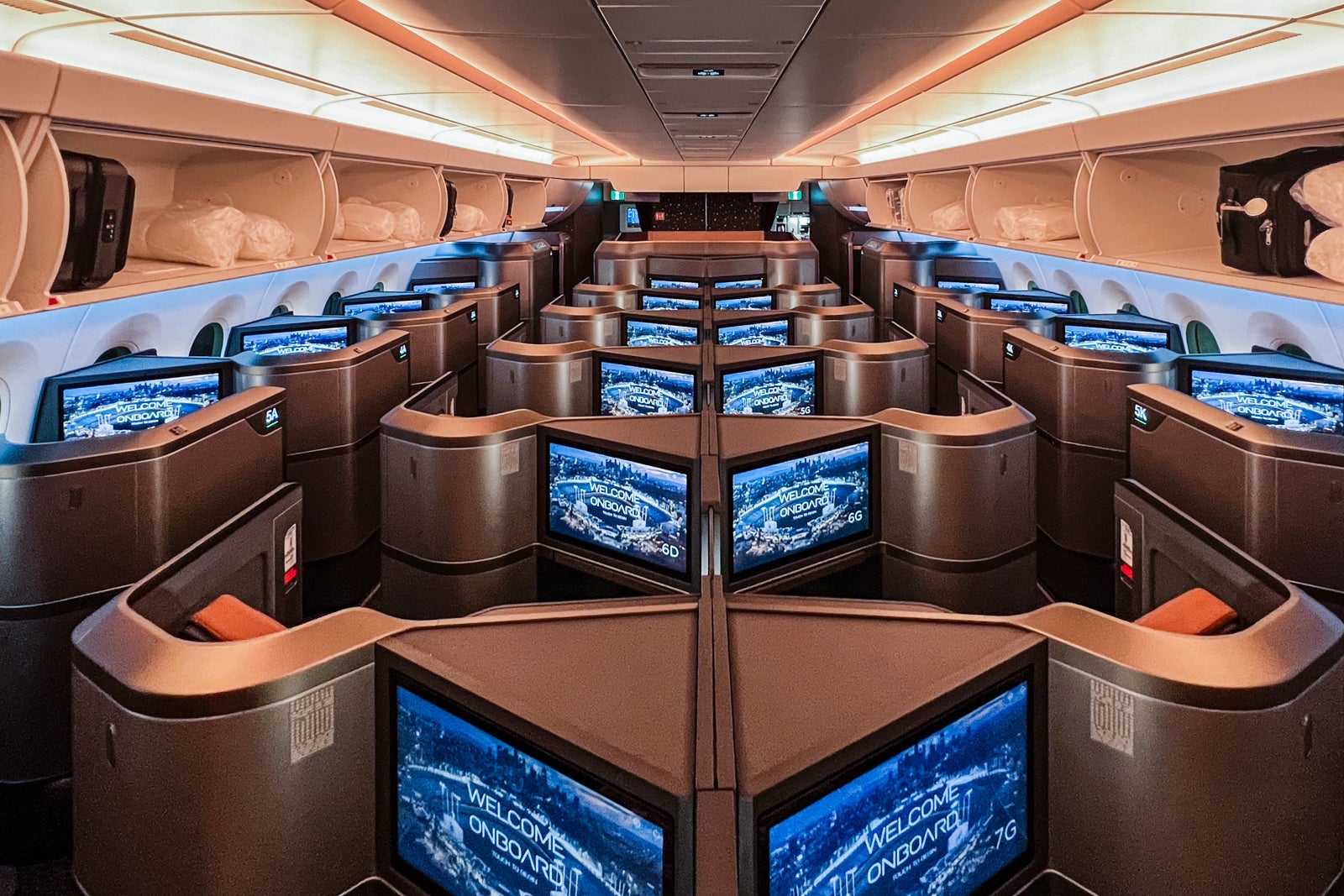
Starlux quickly distinguished its fleet by acquiring state-of-the-art widebody aircraft, specifically featuring the Airbus A350-900 equipped with ultra-modern business-class suites and high-end amenities. As global travel restrictions eased, the carrier systematically built out its long-haul network from Taipei to North America, adding Seattle, Los Angeles, San Francisco, and Ontario to its route map.
As Starlux scaled its operations, forging partnerships with major U.S. carriers became essential for capturing domestic feeder traffic beyond its direct West Coast gateways. The airline previously established a strategic partnership with Alaska Airlines, which included a bilateral frequent flyer redemption agreement allowing members of Alaska’s Mileage Plan to earn and redeem miles on Starlux flights. The subsequent establishment of an interline agreement with American Airlines laid the groundwork for today’s codeshare announcement, signaling Starlux’s deliberate strategy to secure strong allies across the major U.S. alliance ecosystems.
Strategic Implications and Alliance Dynamics
While the introduction of codesharing marks a major upgrade in travel convenience, the current partnership stops short of a fully integrated joint venture or a reciprocal frequent flyer agreement between American and Starlux.
At present, passengers traveling on codeshare itineraries will not earn American Airlines AAdvantage miles or redeem loyalty currency on Starlux-operated flights, nor will American Airlines elite status holders—such as Executive Platinum or ProKey members—receive reciprocal loyalty benefits like priority boarding, extra baggage allowances, or complimentary seating upgrades when flying with Starlux. Similarly, Starlux maintains its primary U.S. loyalty alignment with Alaska Airlines, complicating an immediate, deeper integration with American’s AAdvantage program.
Nevertheless, aviation strategists are closely monitoring the partnership for signs of a deeper alignment. Within the global aviation sector, bilateral codeshare agreements between non-allied carriers often serve as a preliminary testing ground for formal alliance recruitment. Starlux has frequently been rumored in industry circles to be pursuing full membership in the Oneworld alliance, a global grouping that already counts both American Airlines and Alaska Airlines among its founding and premier members.
Should Starlux eventually pursue and secure Oneworld membership, it would fill a critical strategic gap for the alliance in East Asia, complementing Cathay Pacific’s operations in Hong Kong and Japan Airlines’ network in Tokyo. For American Airlines, incorporating a high-end carrier like Starlux into a shared alliance framework would significantly strengthen its competitive positioning against transpacific joint ventures dominated by Star Alliance and SkyTeam competitors.
Industry Reaction and Future Outlook
Representatives from American Airlines and Starlux have emphasized that the current agreement is focused on optimizing connectivity and providing seamless travel options for corporate and leisure travelers alike. By linking American’s extensive domestic U.S. network with Starlux’s premium transpacific services, passengers in secondary U.S. markets gain streamlined access to Taiwan and onward connections throughout Southeast Asia.
Industry observers expect that if the initial phase of the codeshare performs in alignment with operational forecasts, both airlines will move to expand the arrangement within the next 12 to 18 months. Potential future phases could include expanded domestic codeshare mapping, synchronized schedule planning to minimize connection times, and eventually, discussions surrounding frequent flyer program reciprocity.
As the aviation market continues to normalize following years of post-pandemic structural adjustments, the American-Starlux partnership underscores the ongoing importance of targeted airline cooperation. For travelers, the September 30 launch translates directly into simplified booking, improved luggage handling transparency, and expanded routing options across the Pacific, setting the stage for what many industry insiders anticipate will be a much deeper commercial relationship in the years to come.