Holafly Launches Global eSIM Subscription Service to Streamline International Connectivity for Long-Term Travelers

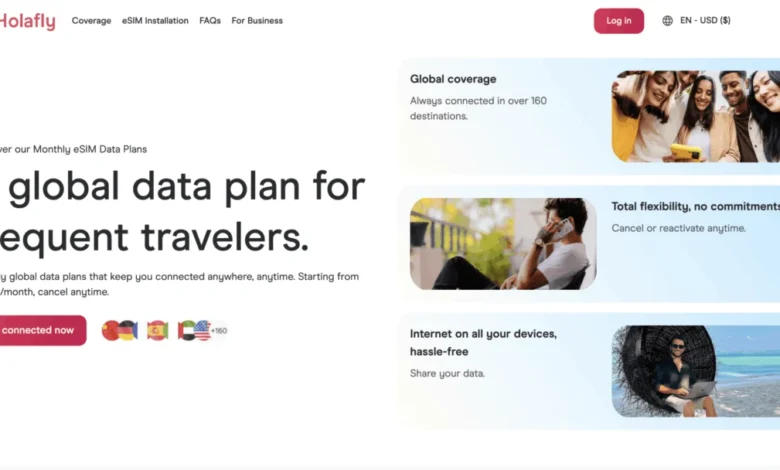
The global telecommunications landscape for international travelers is undergoing a significant shift as eSIM technology matures from a niche convenience to a standard necessity for digital nomads and frequent commuters. Holafly, a prominent provider in the eSIM market, has officially introduced "Holafly Plans," an ongoing subscription-based service designed to provide continuous, borderless data connectivity across more than 160 countries. This development marks a transition from the traditional transactional model—where travelers purchase individual, single-use data packages—to a unified, recurring service that mimics domestic mobile carrier structures without the limitations of physical hardware.
The Evolution of Mobile Connectivity for the Modern Traveler
Historically, international travelers relied on three primary methods to maintain connectivity: high-cost roaming packages provided by domestic carriers, the procurement of local physical SIM cards, or the more recent emergence of single-use, destination-specific eSIMs. Physical SIM cards, while often cost-effective, require logistical management, including the physical exchange of hardware and the risk of loss or damage to one’s original SIM.
The advent of eSIM (embedded SIM) technology has largely mitigated these physical constraints. An eSIM is a digital version of a traditional SIM card integrated directly into a smartphone’s hardware. This allows users to activate cellular plans via software, typically through QR code scanning or app-based installation. Because this technology is software-based, modern smartphones can host multiple eSIM profiles simultaneously, allowing users to switch between a home number and various international data plans without removing their device’s hardware.
Holafly’s introduction of a subscription-based model addresses the fragmentation inherent in the single-use eSIM market. Previously, a traveler visiting multiple countries over several weeks would have to manage separate data packages for each jurisdiction. The new subscription model, which covers over 160 destinations, removes the need for recurring activation processes, providing a persistent connection that persists across national borders.

Subscription Tiers and Technical Specifications
Holafly Plans are currently offered in two distinct tiers, tailored to different usage requirements: the Light Plan and the Unlimited Plan.
The Light Plan provides 25GB of monthly data, which is targeted at users who prioritize standard navigation, communication, and occasional media consumption. The Unlimited Plan removes data caps entirely and includes an unlimited hotspot feature, a critical component for remote professionals and digital nomads who require high-bandwidth tethering for laptops and other devices. Furthermore, the Unlimited Plan includes a designated phone number from the United States, the United Kingdom, or Canada, facilitating the reception of SMS messages—a common requirement for two-factor authentication and international banking security.
A distinctive feature introduced alongside these plans is the "Always On" protocol. This provision grants users a permanent 1GB of backup data per month in over 150 destinations, even if the primary subscription is terminated. This functions as a safety net, ensuring that travelers retain fundamental connectivity for emergency services, maps, or ride-sharing applications upon landing in a new country, regardless of their current subscription status.
Comparative Economic Analysis
The shift toward a subscription-based global eSIM model presents a clear challenge to the current pricing structures of traditional Tier-1 mobile carriers. Major carriers in the United States, for example, often charge daily fees (frequently $10 per day) for international roaming, or require expensive, high-tier monthly plans that may still enforce data throttling or restrict tethering speeds once a specific threshold is reached.
Data suggests that for a traveler on a long-term international itinerary, these costs can accrue to hundreds of dollars per month. In contrast, the Holafly subscription model is positioned to compete directly with these costs. With monthly, quarterly, and annual billing cycles, the service creates a predictable expense model. For instance, the annual commitment for the Unlimited Plan results in a lower monthly effective rate compared to the standard roaming add-ons offered by major telecommunications corporations.
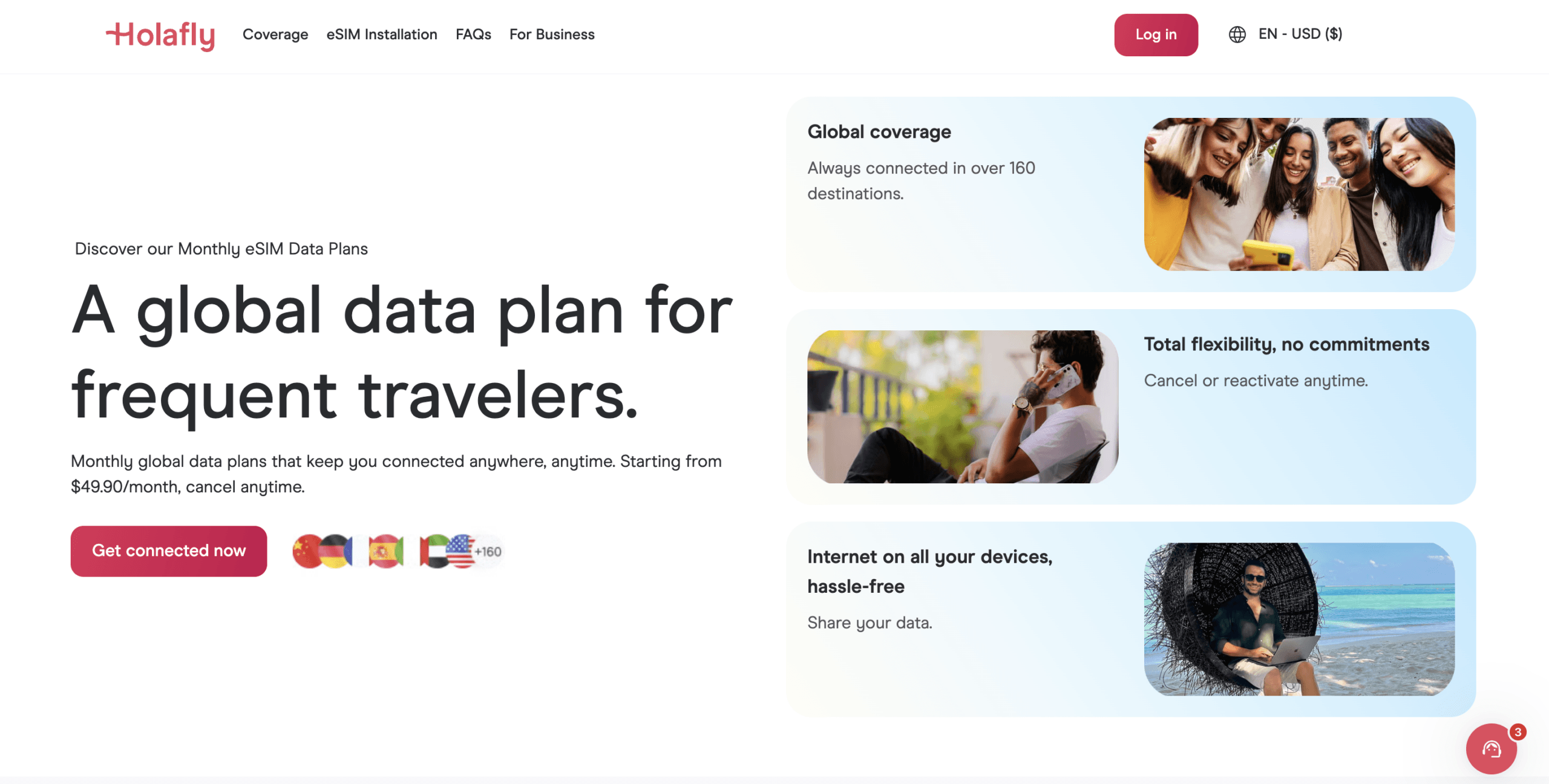
Furthermore, the "hassle factor" of manual procurement—often involving finding a local shop, verifying carrier compatibility, and overcoming language barriers—is eliminated. The following table illustrates the operational differences between these models:
| Feature | Holafly Unlimited Plan | US Carrier Roaming Pass | Traditional Local SIMs |
|---|---|---|---|
| Monthly Cost | ~$55–$65 (varies) | $100–$300 | $60–$120 |
| Data Allowance | Unlimited | Capped/Throttled | Limited/Variable |
| Logistical Overhead | None (Automated) | Low (Costly) | High (Manual) |
| Hotspotting | Included | Restricted | Variable |
Market Implications and Future Outlook
The introduction of this service reflects a broader trend in the travel technology sector: the "platformization" of travel services. As remote work becomes increasingly normalized, the demand for "always-on" connectivity has moved from a luxury to a requirement for the global workforce.
Industry analysts suggest that the rise of eSIM-native services like Holafly Plans will likely force traditional carriers to re-evaluate their international roaming strategies. As consumers become more aware of the price discrepancies between legacy roaming passes and specialized eSIM services, the pressure for telecommunications firms to offer more transparent, global-friendly data plans will increase.
However, challenges remain for the industry. While eSIM support is standard in flagship devices from manufacturers like Apple, Samsung, and Google, many mid-range and budget-tier smartphones still lack widespread compatibility. Additionally, the efficacy of an eSIM is inherently tied to the roaming agreements the provider maintains with local networks in each of the 160+ countries. The quality of service—such as 5G accessibility versus 4G/LTE—is dependent on these local infrastructure partnerships.
Summary of Service Benefits
For the long-term traveler, the transition to a unified subscription offers three primary advantages:
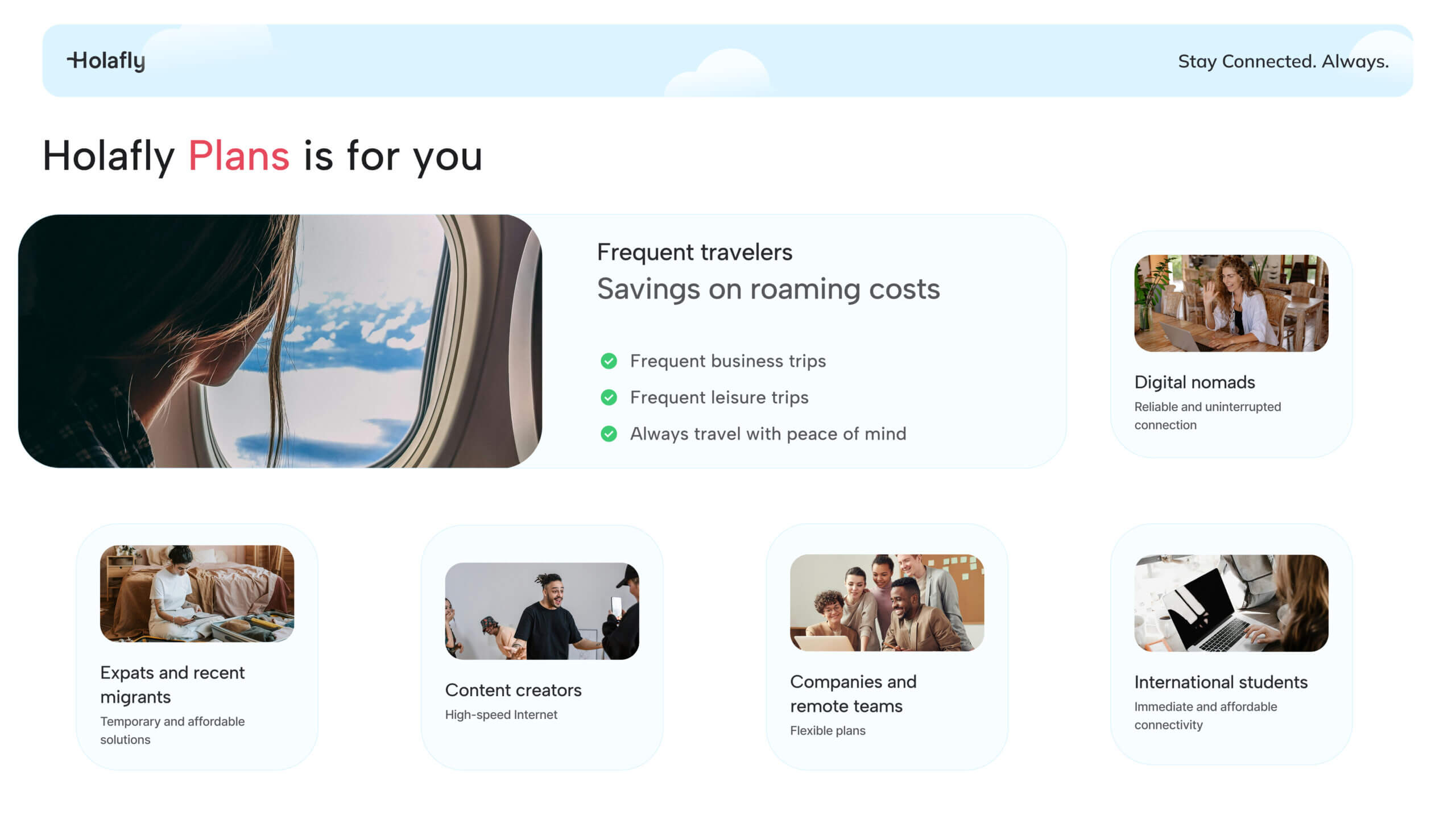
- Continuity: The user maintains a singular connection, eliminating the service interruptions often associated with switching between regional SIMs.
- Economic Predictability: By moving to a recurring subscription, users can budget for connectivity as a fixed expense rather than a variable, often unpredictable, travel cost.
- Operational Simplicity: The integration of a dedicated phone number and a consistent hotspot capability simplifies the technological stack required for remote work, allowing for professional-grade output regardless of geographical location.
The introduction of Holafly Plans signifies a maturation point in the eSIM market. As the infrastructure for digital SIMs continues to expand, and as the cohort of mobile-first, location-independent professionals grows, the demand for seamless, global connectivity will continue to drive innovation in this space. For those currently planning extended travel or remote work arrangements, the move away from traditional, fragmented roaming towards a streamlined, subscription-based model represents a significant evolution in how international connectivity is managed and maintained.
The company maintains 24/7 customer support to assist with the initial setup and troubleshooting, addressing one of the primary concerns for users transitioning to a new digital-only platform. As with any service, potential users are encouraged to verify device compatibility via the manufacturer’s specifications and consult current coverage maps to ensure the service meets their specific itinerary requirements.