How the Smithsonian Institution Became the Epicenter of America’s 250th Anniversary Culture Wars

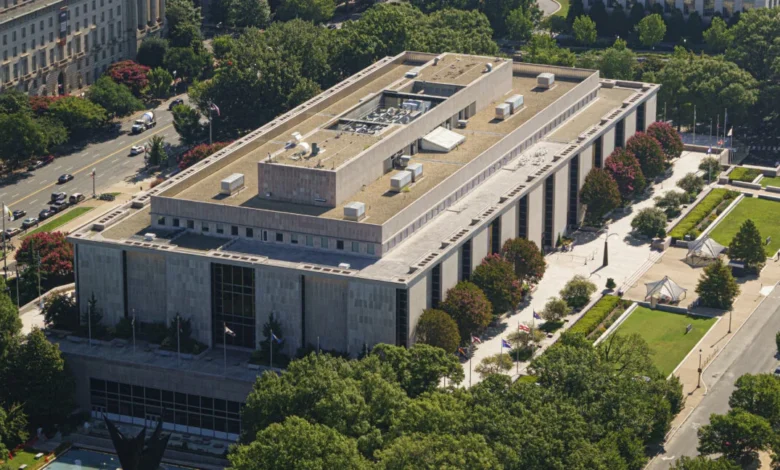
For decades, the Smithsonian Institution stood as a towering, bipartisan beacon of American history, innovation, and cultural heritage. Drawing approximately 15 million visitors annually across its 21 museums, the world-renowned federal trust managed to largely remain above the fray of partisan politics. Even as cultural polarization deepened across the United States, the institution retained broad public and legislative support. However, that institutional exceptionalism has fractured completely, transforming the nation’s premier guardian of history into a central battleground for ideological debates as the country approaches its 250th anniversary.
The collision between political forces and the Smithsonian’s curatorial direction has escalated rapidly. Culminating in high-profile congressional hearings, executive orders, and the resignation of its first African American secretary, Lonnie Bunch, the crisis exposes deep-seated questions over how the nation’s history should be curated, presented, and perceived.
Roots of Ideological Divergence
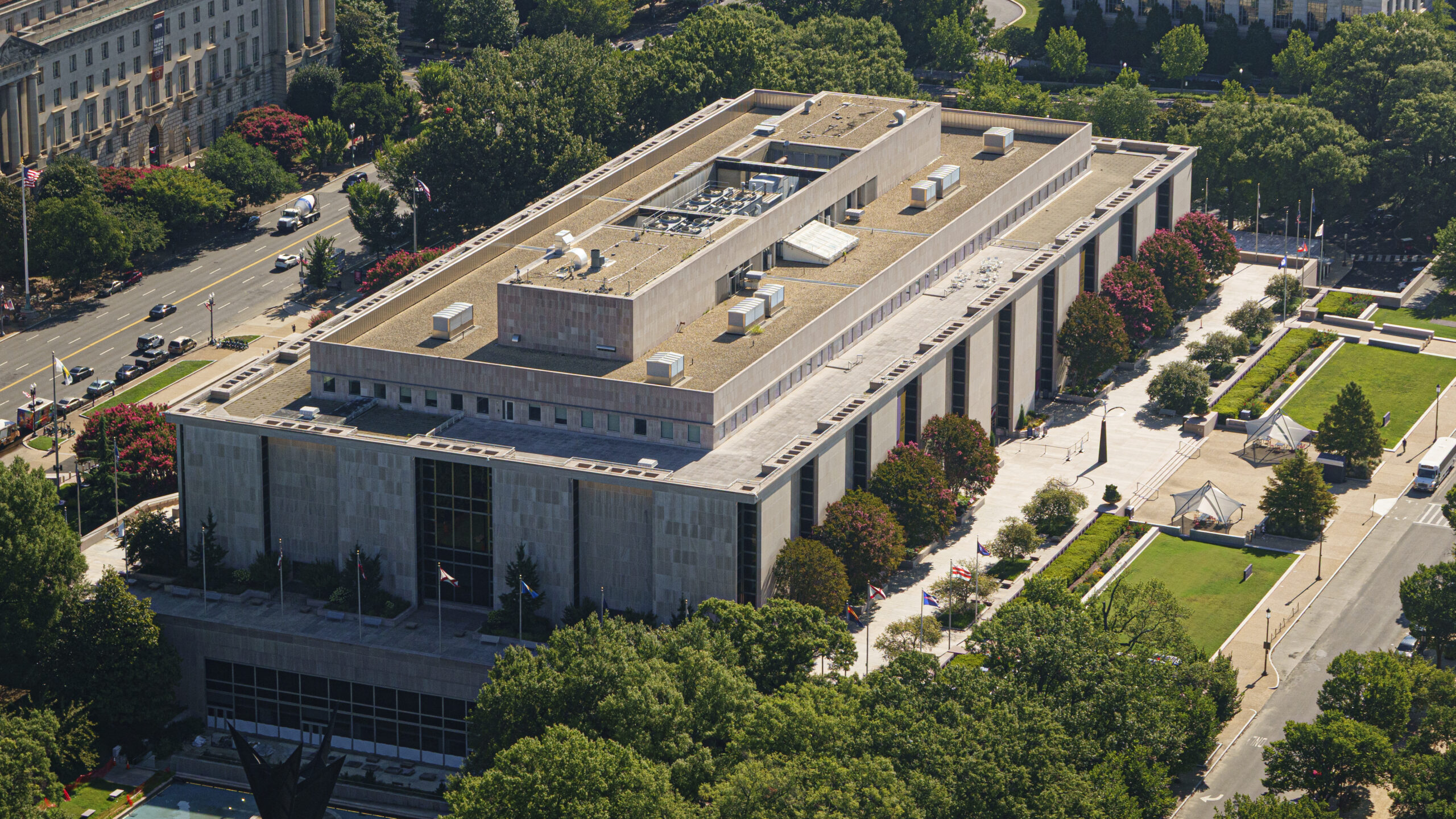
The tensions currently enveloping the Smithsonian did not emerge overnight; rather, they are the product of decades-long internal identity struggles, particularly within the National Museum of American History. Opened on the National Mall in 1964 as the National Museum of History and Technology, the institution initially balanced technological milestones with a sweeping national narrative.
Over the years, however, critics argued that the museum lost its cohesive vision. In 1999, conservative commentator David Brooks published a scathing critique, characterizing the museum as a venue dominated by "multicultural grievance" rather than core historical milestones. This prompted a 2001 blue-ribbon commission, led by former White House aide Richard Darman, which formally recommended a comprehensive transformation to establish a chronological and substantive balance between national achievements and historic shortcomings.
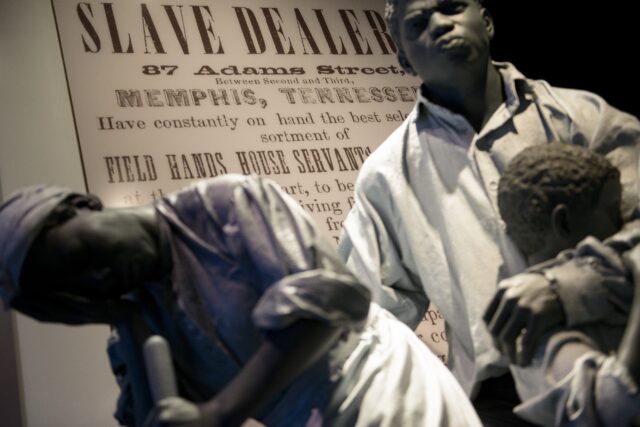
Despite these recommendations, curatorial shifts across the museum movement gravitated away from traditional, linear "great man" histories toward episodic, artifact-focused, and specialized exhibits. By the late 2010s and early 2020s, events such as the COVID-19 pandemic and the racial justice protests following the murder of George Floyd accelerated a cultural reckoning within academic and public institutions. The Smithsonian embraced diversity, equity, accessibility, and inclusion (DEAI) frameworks, updating exhibit signage to explicitly highlight historical injustices, such as Benjamin Franklin’s slave-holding history and early American chattel slavery.
Escalation and White House Scrutiny
The strategic pivot toward identity-centered historical interpretation drew sharp pushback from conservative lawmakers and the incoming Trump administration. In March 2025, President Donald Trump signed an executive order asserting that the Smithsonian had succumbed to "divisive, race-centered ideology."

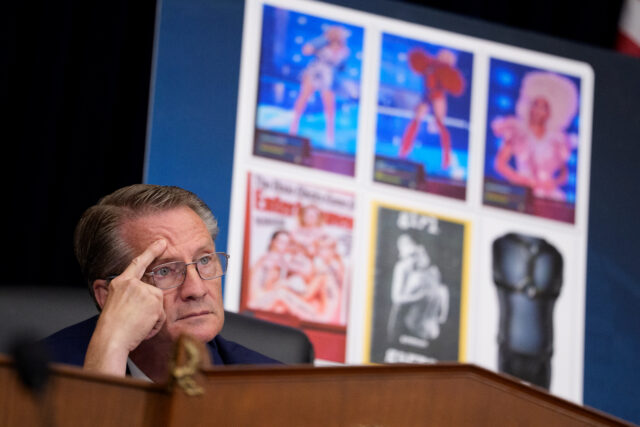
The confrontation intensified ahead of the nation’s semiquincentennial celebrations. On July 4, 2026, the White House released a scathing 162-page report accusing the National Museum of American History of "ideological capture." The report criticized specific exhibits, including one detailing Benjamin Franklin’s potential use of enslaved labor in electrical experiments, a display on girlhood that included diary excerpts addressing bodily changes, and a LGBTQ+ history exhibit featuring a sadomasochistic crotch harness.
Following the report’s release, House committees held back-to-back hearings in late July, subjecting museum director Anthea Hartig to intense questioning regarding the institution’s curation choices and staff training materials. Lawmakers sparred bitterly over the nature of public education, with Republican members condemning explicit displays and diversity toolkits, while Democrats fiercely defended the institution’s commitment to inclusive historical representation.
Institutional Fallout and Leadership Turmoil
The pressure campaign has taken a severe toll on the Smithsonian’s leadership and operational stability. In May 2025, National Portrait Gallery Director Kim Sajet stepped down following executive pressure regarding her support for DEAI initiatives. More notably, on September 8, 2026, Smithsonian Secretary Lonnie Bunch announced his resignation at age 73, citing extreme stress amid the ongoing political crossfire.
While the Smithsonian is formally an independent entity governed by a 17-member Board of Regents—led by Chief Justice John Roberts and including congressional members from both parties—it relies on federal appropriations for approximately 62 percent of its funding, receiving over $1 billion annually. Threats of deep budget cuts and a letter from Interior Secretary Doug Burgum warning that federal agencies cannot support the institution under current leadership have placed its financial and administrative future in jeopardy.
Implications for the Future of Public History

As the Smithsonian prepares to fill vacant seats on its Board of Regents and select a successor to Secretary Bunch, the broader implications of this conflict resonate far beyond Washington. Analysts note that the struggle over the nation’s premier museum touches on fundamental questions about American identity: whether historical narratives should prioritize a unified, aspirational consensus or incorporate the complex, often painful realities of the nation’s past.
With upcoming additions like the National Museum of the American Latino scheduled to open in the coming decade, the pressure on the Smithsonian to define its institutional mission remains critical. As the nation reflects on its 250-year history, the outcome of this ideological clash will fundamentally shape how future generations encounter, interpret, and understand the American story.