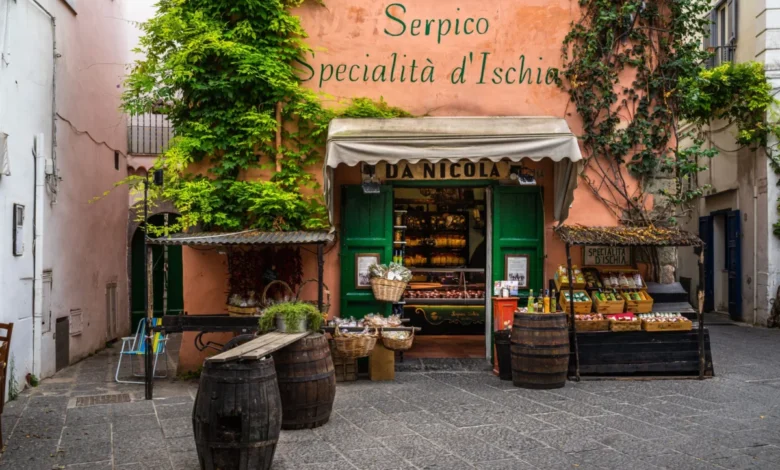
The volcanic island of Ischia, situated in the Tyrrhenian Sea at the northern end of the Gulf of Naples, represents a unique intersection of ancient agricultural practices and modern gastronomic tourism. Known as the "Isola Verde" (Green Island) due to its lush vegetation and fertile volcanic soil, Ischia offers a culinary landscape that diverges significantly from the seafood-heavy expectations of a Mediterranean destination. This distinction is rooted in the island’s geology; the nutrient-rich earth, dominated by Mount Epomeo, has historically fostered a culture of land-based farming and viticulture that remains the bedrock of its modern identity.
Historical Context and the Legacy of the Ancient Romans
The foundation of Ischian cuisine was established centuries ago, with a timeline that traces back to the Ancient Roman era. While the surrounding waters of the Phlegraean Islands are rich with marine life, the interior of Ischia became the primary source of sustenance for its inhabitants. The most significant introduction by the Romans was the rabbit, which has since become the centerpiece of the island’s signature dish, Coniglio all’Ischitana.
Historically, these animals were not merely livestock but part of a sophisticated ecological system. Wild rabbits flourished in the island’s scrubland, and farmers eventually developed the "da fossa" method—a traditional form of pit-farming. In this system, rabbits lived in deep burrows or pits, mimicking their natural habitat. This allowed them to roam and burrow while feeding on local flora, including fava bean stems, legumes, and vine leaves. This method, which is still preserved by a select group of producers today, is recognized by the Slow Food movement as a vital cultural heritage. The resulting meat is leaner and more flavorful than commercially farmed alternatives, reflecting the mineral complexity of the Ischian soil.

The Anatomy of a Signature Dish: Coniglio all’Ischitana
The Coniglio all’Ischitana is a technical masterpiece of slow-cooking that serves as a microcosm of the island’s resources. The preparation involves a tegame—a traditional clay pot that ensures even heat distribution. The process begins with local rabbits, which are braised with an entire bulb of garlic and a generous quantity of Ischia’s indigenous white wine, typically a blend of Biancolella and Forastera grapes.
The addition of vine-ripened tomatoes and local herbs—most notably pipirella, a wild thyme endemic to the island—creates a rich, aromatic sauce. Unlike many Italian ragùs that rely on heavy browning, the Ischian rabbit is cooked in its own juices, resulting in a dish that is both rustic and refined. This culinary tradition serves as a point of pride for the local population, challenging the external perception that Italian island life is solely defined by its proximity to the sea.
The Agricultural Shift: From Subsistence to Gastronomic Diversity
While the rabbit remains the cultural anchor, the evolution of Ischia’s food scene has seen a significant broadening of its vegetarian offerings. Data from regional tourism boards indicates a growing demand for plant-based and sustainable dining options, a trend that Ischian restaurateurs have met with ease due to the island’s agricultural abundance. The volcanic soil, high in potassium and phosphorus, produces vegetables with intense flavor profiles that require minimal intervention.
The Parmigiana di Melanzane (Aubergine Parmigiana) has emerged as a vegetarian staple across the island’s trattorias. While variations exist—some utilizing smoked mozzarella and others focusing on the aromatic herbs grown on the slopes of Mount Epomeo—the core of the dish remains the high-quality local aubergine. Another rustic preparation, melanzane alla funghetto, showcases the vegetable’s versatility; chunks are pan-fried with garlic, tomatoes, and basil, mimicking the texture of mushrooms (hence the name "funghetto").

The "Tucci Effect" and the Globalization of Ischian Cuisine
The international profile of Ischian gastronomy received a substantial boost following the visit of actor and food enthusiast Stanley Tucci for his series Searching for Italy. Media analysts have noted a "Tucci Effect," where destinations featured in the program see a marked increase in international bookings and culinary interest.
Trattoria Il Focolare, located in the hills of Fiaiano, became a focal point of this global attention. Managed by the D’Ambra family, the restaurant exemplifies the multi-generational commitment to traditional methods. The establishment serves as a repository for Ischian history, with the kitchen led by brothers Agostino and Francesco D’Ambra. The influx of high-profile visitors, ranging from Hollywood actors to international food critics, has validated the family’s mission to preserve the "da fossa" rabbit tradition while managing the pressures of modern tourism.
Regional Culinary Hubs: A Comparative Analysis
The culinary map of Ischia is divided into distinct zones, each offering a different facet of the island’s identity:
-
Forio: Located on the western coast, Forio is characterized by its laid-back atmosphere and busy port. It is a hub for classic Italian staples. Establishments like Jack all’Epomeo in Piazza Matteotti provide a traditional experience where the focus is on the quality of raw ingredients, such as anchovies and spaghetti aglio e olio Napoletano. Meanwhile, Pizzeria Di Meglio offers a high-quality, affordable alternative to the more expensive dining rooms, serving Neapolitan-style pizzas that highlight the region’s flour and tomato exports.

-
Lacco Ameno: This northern town is home to some of the island’s more experimental and upscale dining experiences. Ristorante O’ Pignattello is noted for its "blind tasting" menus, which allow chefs to showcase the daily catch and seasonal harvests. This approach reflects a broader shift toward "omnivore-friendly" fine dining, where traditional ingredients like rabbit are reimagined in modern forms, such as ravioli.
-
High-Altitude Dining: The restaurants situated on the slopes of the mountains, such as La Veranda at San Montano Resort & Spa, leverage the island’s topography to offer panoramic views alongside sophisticated menus. These establishments are increasingly inclusive, offering vegan and gluten-free options that were once rare in traditional Southern Italian settings.
Supporting Data and Economic Impact
The hospitality sector is the primary driver of Ischia’s economy. According to recent economic reports from the Campania region, food and wine tourism accounts for approximately 35% of the island’s annual revenue. The integration of the Slow Food symbol in local restaurants has not only preserved biodiversity but has also attracted a higher-spending demographic interested in ethical consumption.
Furthermore, the production of local wines, particularly those grown on the steep, terraced vineyards of the island, has seen a resurgence. Ischian viticulture is often described as "heroic" due to the difficult terrain, which requires manual labor rather than machinery. The resulting wines, characterized by a distinct salinity and minerality, are now exported globally, further cementing the island’s reputation as a serious gastronomic contender.

Broader Implications and Future Outlook
The success of Ischia’s culinary model offers a template for other Mediterranean regions. By balancing the preservation of ancient techniques—such as the Roman-era rabbit farming—with modern dietary trends like veganism and sustainable fine dining, the island has managed to avoid the "tourist trap" homogenization that plagues other destinations.
However, challenges remain. Climate change and the volatility of volcanic soil present ongoing risks to local agriculture. Additionally, the need to maintain a balance between authentic family-run trattorias and the demands of high-volume international tourism is a constant tension for local authorities.
Official responses from local commerce chambers suggest a continued focus on "quality over quantity." By promoting the island’s unique agricultural heritage and its diverse range of dining experiences—from €7.50 margheritas to multi-course tasting menus—Ischia is positioning itself as a destination that rewards the curious traveler. The sweet air of the ferry terminal, scented with citrus and salt, remains a prelude to a ritual of food that is as much about the land as it is about the plate. As Ischia continues to evolve, its commitment to its mineral-rich soil and its storied past ensures that it remains a vital, living museum of Italian gastronomy.
Related posts: