Colorado faces unprecedented human-bear conflict crisis as record numbers of animals are euthanized following severe food scarcity

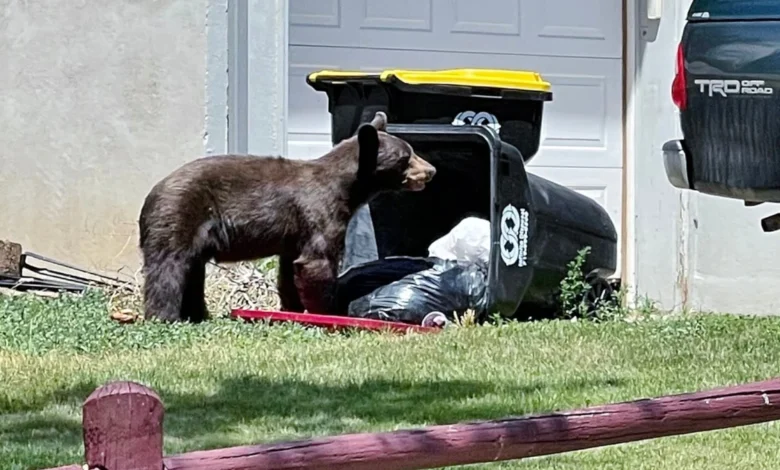
The state of Colorado is currently grappling with a wildlife management crisis of historic proportions, characterized by an alarming surge in human-bear interactions, record-breaking euthanasia rates, and a fundamental breakdown in the natural foraging behaviors of the state’s black bear population. As of September 2026, Colorado Parks and Wildlife (CPW) officials have reported over 8,000 individual bear reports this year alone, a figure that represents the highest volume of activity since the agency began standardized tracking. This surge has resulted in the euthanization of 294 bears, nearly triple the total count recorded during the entirety of 2025.
The most visceral example of this crisis occurred on September 9, 2026, in a residential neighborhood in Durango. A black bear, visibly suffering and severely lethargic, was discovered by a homeowner burrowed into a hole in their backyard. The animal was emitting audible sounds of distress, prompting an immediate emergency response from local wildlife officers. Upon arrival, CPW Officer John Livingston and his team observed a significantly distended abdomen on the animal. Despite attempts to coax the bear from its lethargic state, the animal remained immobile. After the bear was tranquilized for safety and medical evaluation, a field necropsy revealed a tragic and preventable cause of death: the bear’s digestive tract was completely obstructed by a collection of household cleaning wipes and multiple full trash bags, complete with drawstrings still intact.
A Chronology of Escalating Conflict
The trajectory of this year’s conflict began early in the season, signaling an abnormal year for wildlife movement. By June 2026, CPW teams were already reporting an unsustainable workload, with officers logging 18- to 20-hour shifts to manage the influx of nuisance bear calls.
According to agency data, the frequency of bear relocation incidents has risen to 3.5 times the five-year average. The escalation is not merely a product of population growth, but rather a direct result of environmental stressors. The winter of 2025-2026 saw record-low snowpack levels, which triggered widespread drought conditions across Colorado. This was compounded by a severe, late-season frost in May that decimated the region’s natural caloric sources, such as chokecherries and serviceberries.
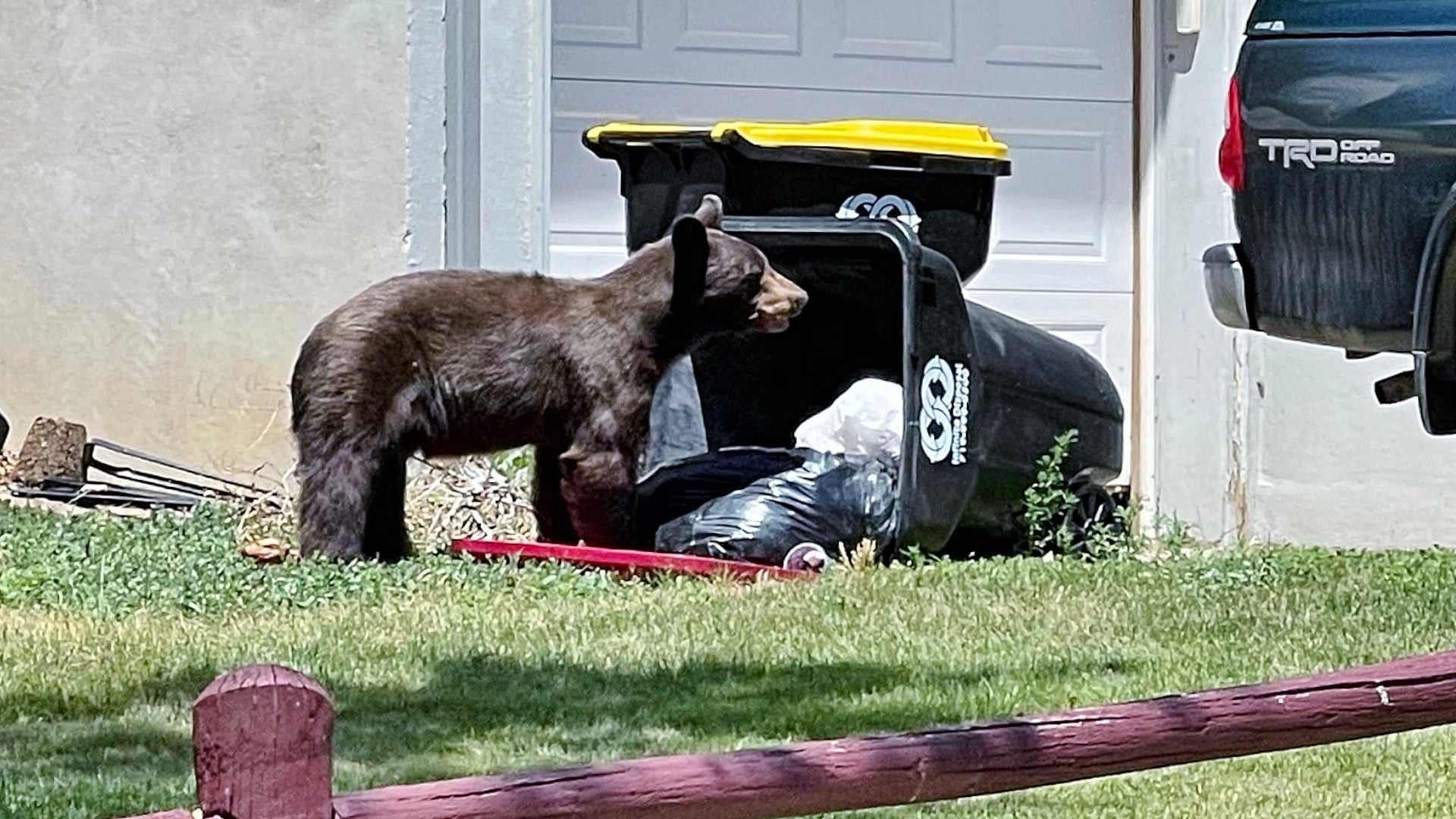
Deprived of their traditional foraging grounds, black bears were forced to descend from the high country into urban and suburban environments much earlier than normal. Once these animals discovered the high-calorie, easily accessible rewards of residential waste, their behavior underwent a shift toward permanent habituation.
The Science of Habituation and Biological Disruption
The transition from wild foraging to human-provided food sources—a process known as habituation—has profound biological implications for black bears. Under normal conditions, natural food scarcity triggers a transition into a state of hyperphagia, where bears consume massive quantities of food to prepare for winter dormancy. However, when that "food" consists of anthropogenic waste, the physiological cues that govern their natural cycle are disrupted.
Officer Livingston, who serves as the lead for the CPW’s Statewide Bear Working Group, notes that the availability of human-provided food—including bird seed, pet food, and improperly secured refuse—negates the bear’s evolutionary incentive to seek out natural forage. This reliance on human-provided calories can even prevent bears from entering hibernation entirely. In various instances across the state, biologists have observed bears remaining active throughout the winter months, an anomaly that further increases the probability of fatal human-bear encounters and the eventual necessity for lethal management actions.
Analyzing the Economic and Public Safety Impact
The ripple effects of this year’s crisis extend beyond the loss of wildlife. The administrative burden on the state’s wildlife management agencies is reaching a breaking point. With relocation efforts yielding diminishing returns, the state has been forced to utilize lethal removal as a last resort to protect human property and safety.
The economic implications are also significant. Municipalities across Colorado have invested heavily in bear-resistant infrastructure. However, the efficacy of this equipment is contingent upon consistent human compliance. A bear-resistant trash container is rendered useless if it is left unlatched, poorly maintained, or if the surrounding area is littered with food residue that retains a potent scent.
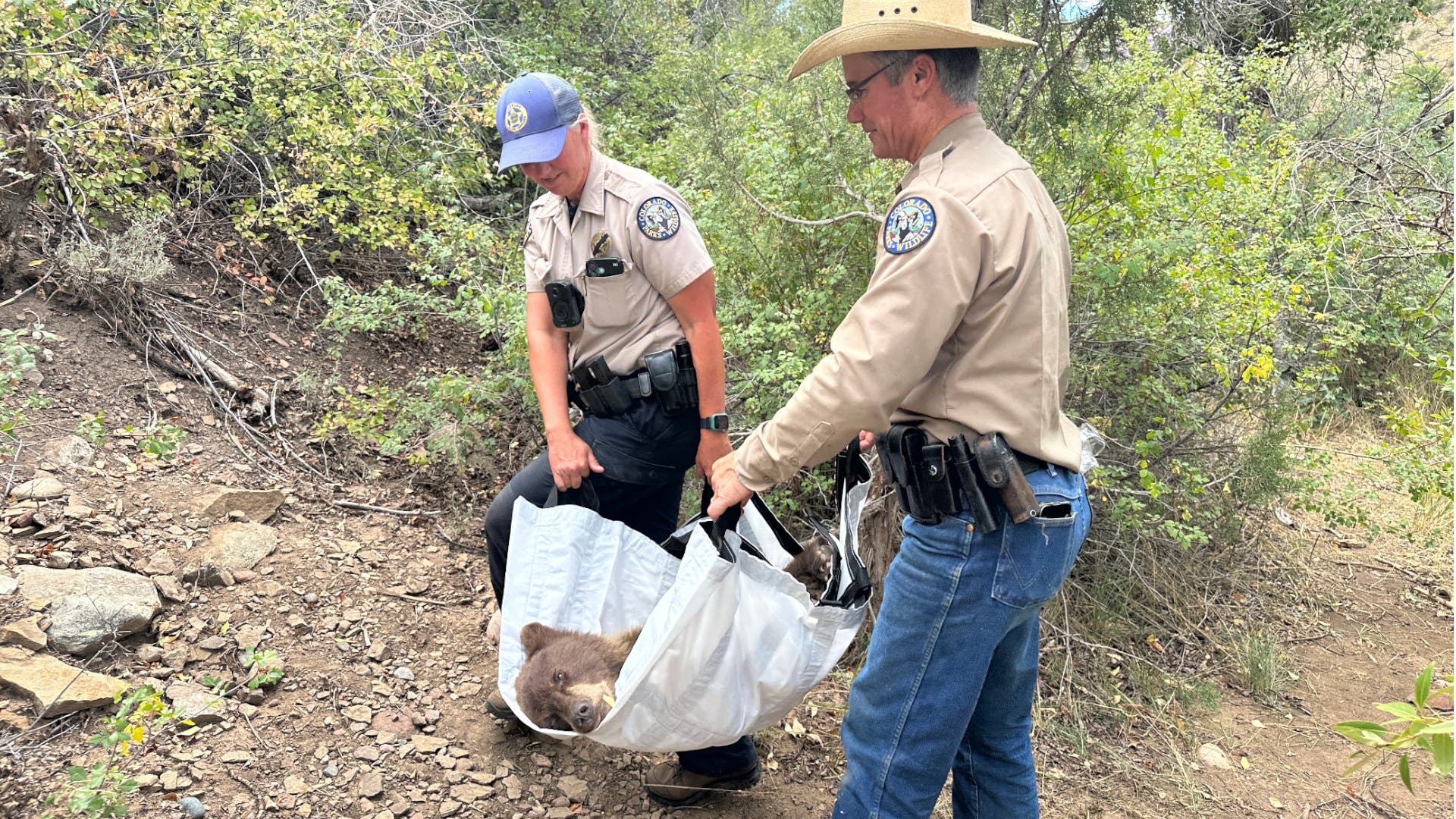
To combat the rising trend of property damage and bear habituation, local governments have tightened enforcement. Residents who fail to secure trash receptacles in high-activity areas face escalating fines, starting at $100 for a first offense and doubling to $200 for subsequent violations. Yet, CPW officials suggest that regulatory fines are only a small part of the necessary response. The broader solution requires a shift in public behavior regarding how humans interact with their own properties.
Official Guidance and Community Responsibility
The Colorado Parks and Wildlife agency has issued an urgent plea for residents to exercise extreme caution as the fall season approaches. The danger is not merely theoretical; the increased boldness of bears—a symptom of their desperation—means they are now regularly breaching residential structures, including homes and vehicles, in search of sustenance.
"It may not be a person you have to worry about coming into your house or trying to get into your car at night," Livingston warned. "It might be a bear."
To mitigate these risks, the CPW recommends a multi-faceted approach to residential safety:
- Active Hazing: Residents are encouraged to proactively discourage bears from lingering near residential structures. Methods such as loud shouting, using airhorns, banging pots and pans, or activating car alarms are effective in conditioning bears to associate human proximity with negative stimuli.
- Waste Management: Beyond the use of certified bear-resistant containers, residents must ensure that these units are cleaned regularly to eliminate odors.
- Property Hardening: Ensuring that windows and doors remain closed and locked, particularly during night hours, is essential. Residents are also advised to remove all attractants, including bird feeders and pet food, which are often the primary lures for bears entering urban corridors.
- Public Documentation: When residents document bear sightings on their smartphones, the agency encourages them to do so while actively hazing the animal. This serves a dual purpose: it records the incident for the agency while reinforcing the deterrent behavior that discourages the bear from remaining in the area.
Broader Implications for Wildlife Management
As the 2026 season progresses, the situation in Colorado serves as a case study for the complexities of wildlife management in a warming climate. The combination of drought, habitat fragmentation, and human encroachment has created a "perfect storm" that challenges traditional conservation methods.
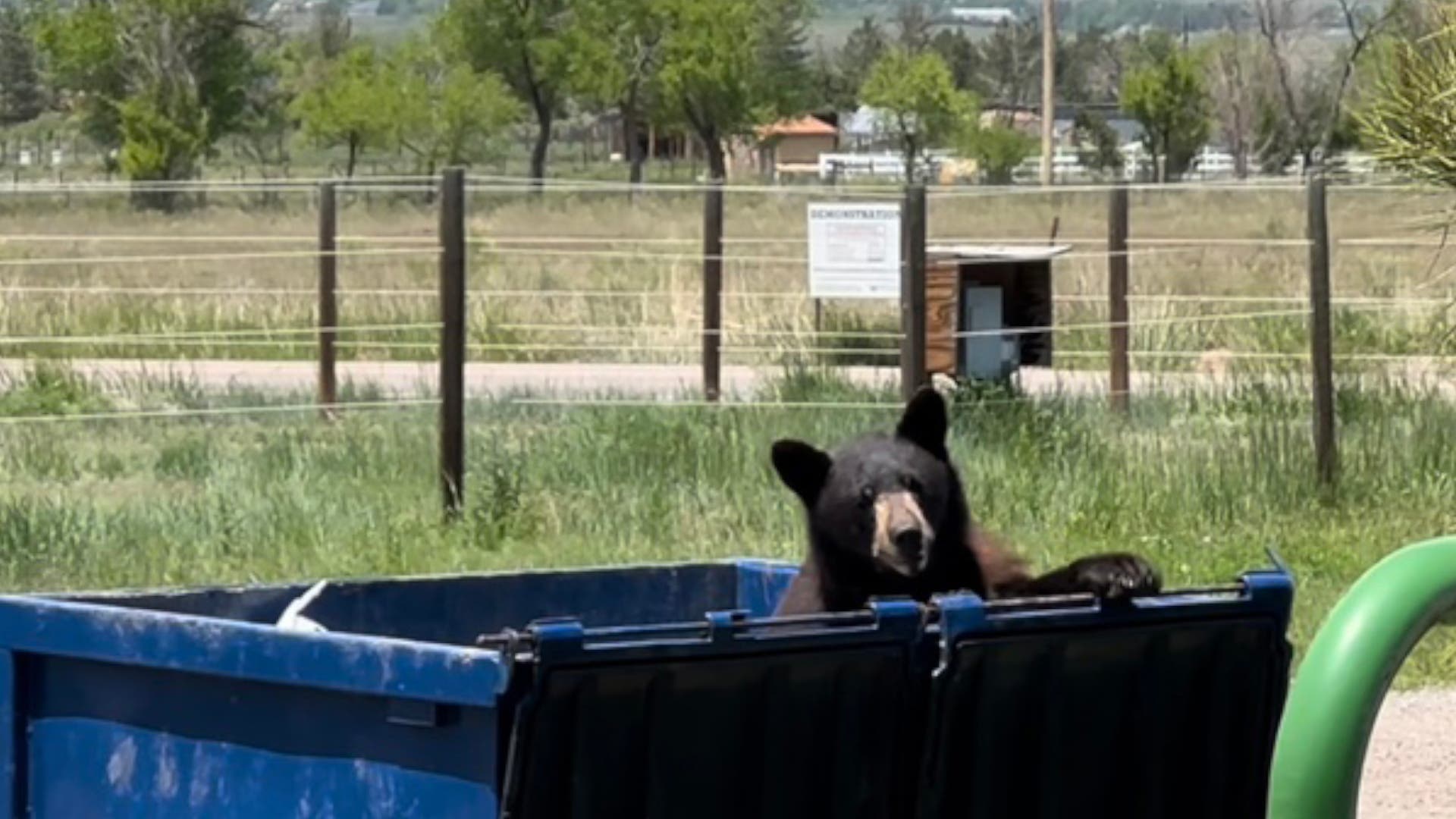
The record number of 294 bears euthanized is a sobering statistic for conservationists and the general public alike. It highlights the high cost of human-bear conflict and underscores the reality that, in many cases, the "problem" bear is a victim of an environment that no longer provides adequate resources.
The long-term success of the state’s bear population depends on the ability of human residents to coexist in a way that preserves the animal’s natural instincts. If human-provided food continues to be the primary catalyst for bear movement, the cycle of habituation and subsequent euthanasia will likely continue, potentially leading to a long-term decline in the state’s bear population.
For the residents of mountain towns and rural areas, the message from the CPW is clear: the responsibility for the safety of both the community and the bears rests largely on the shoulders of the public. With the onset of winter still weeks away, the window for correcting these patterns of interaction is narrowing. The current crisis is a critical inflection point, and the actions taken by homeowners in the coming weeks will play a decisive role in determining the final statistics for the 2026 bear season and the future of human-wildlife coexistence in Colorado.